
Étang au crépuscule — History & Facts
When did color learn to lie? The hues of twilight blend seamlessly into the whispers of nature, concealing truths beneath their vibrant exterior, beckoning us to question the very essence of reality. Focus on the tranquil water in the foreground, where soft, languid strokes of blue and gold converge. Notice how the light falls upon the surface, capturing the fleeting moments of dusk as it dances with the reflections of the surrounding trees. The muted palette, dominated by earthy greens and gentle browns, creates an atmosphere that feels both serene and haunting, evoking a sense of introspection.
Each brushstroke, rich with texture, invites the viewer to linger, as if the landscape itself holds many stories yearning to be unearthed. In the interplay of light and shadow, tensions emerge between the ephemeral and the eternal. The vibrant sky suggests a momentary revolution, a fleeting uprising of color that defies the somber earth below. This contrast embodies not only the transition of day into night but also the emotional weight of change, hinting at life’s cyclical nature.
The trees, stoic and watchful, stand as silent witnesses to the transformation, reflecting a deeper understanding of the inevitability of time and artistic expression. Rousseau painted this work during a period marked by the rise of Romanticism, a time when artists sought to capture the sublime beauty of nature. Working in the mid-19th century, he often focused on the natural world, embracing its untamed spirit while challenging the conventions of academic art. As the movement towards realism began to take hold, Rousseau's works like this one echoed a longing for a more profound connection between humanity and the landscape, blending emotion with an immersive portrayal of the environment.
More Artworks by Théodore Rousseau
Browse all →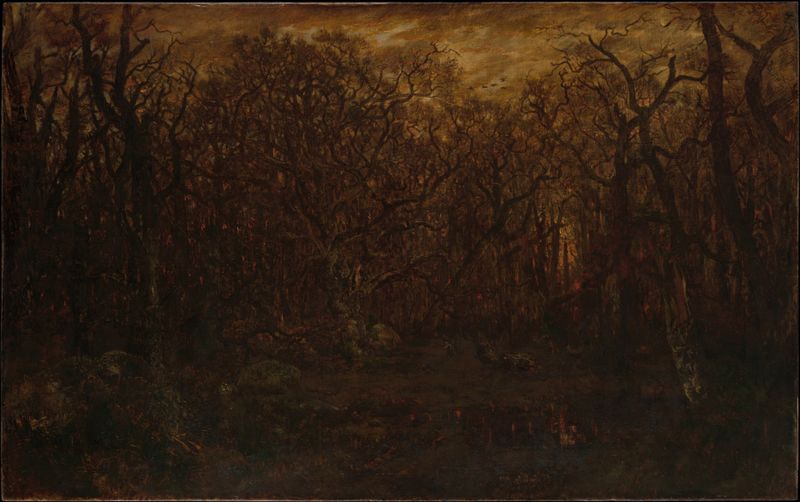
The Forest in Winter at Sunset
Théodore Rousseau
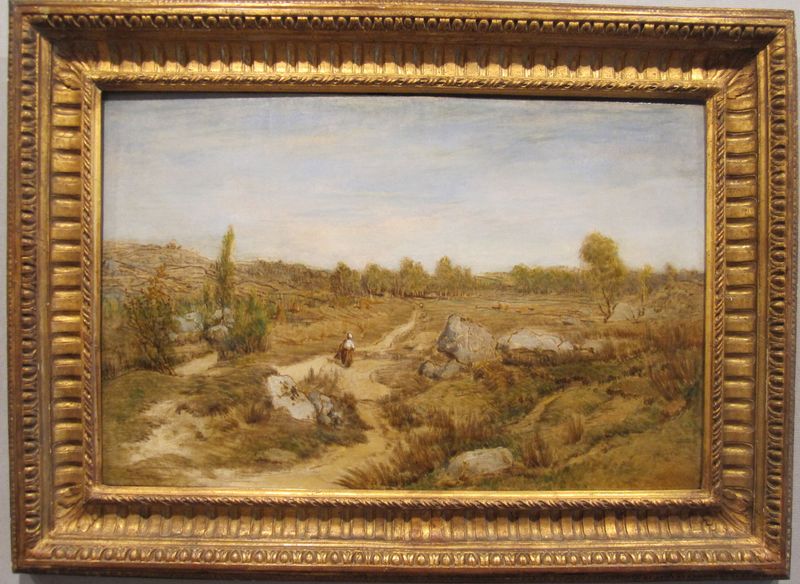
Valley of the Rouars in the Gorges d’Apremont
Théodore Rousseau
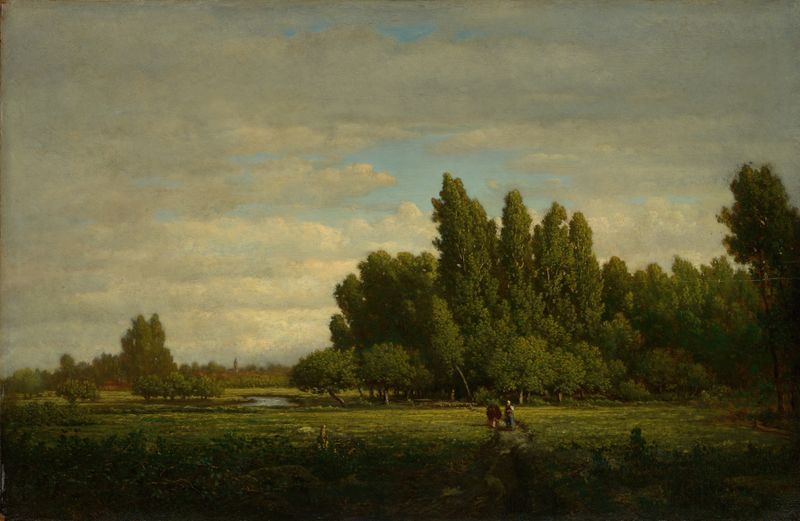
A Meadow Bordered by Trees
Théodore Rousseau
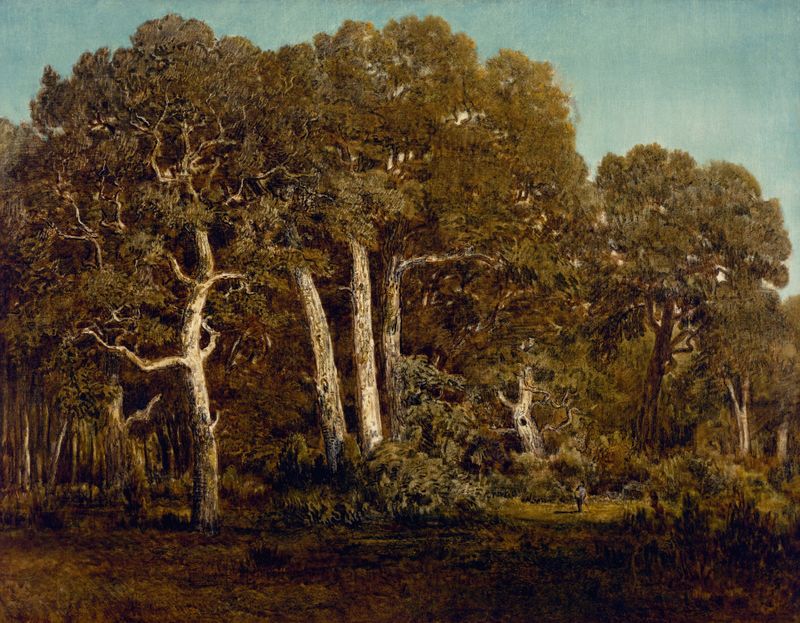
The Great Oaks of Old Bas-Bréau
Théodore Rousseau
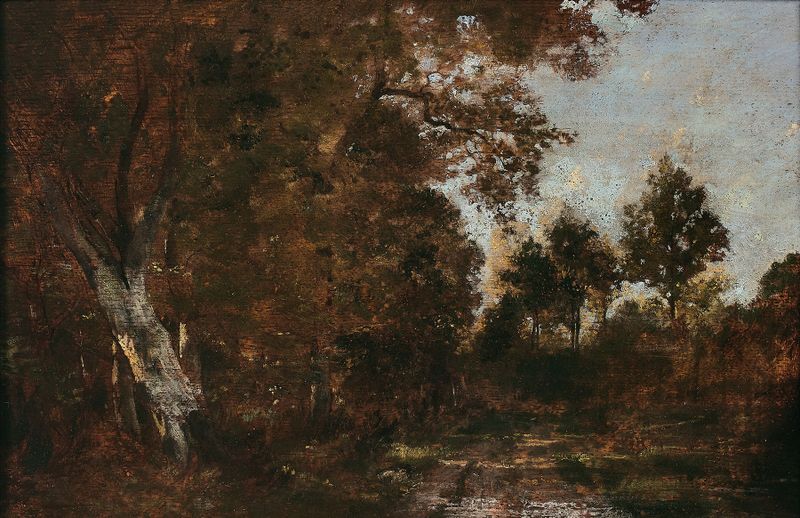
Paysage de sous-bois
Théodore Rousseau
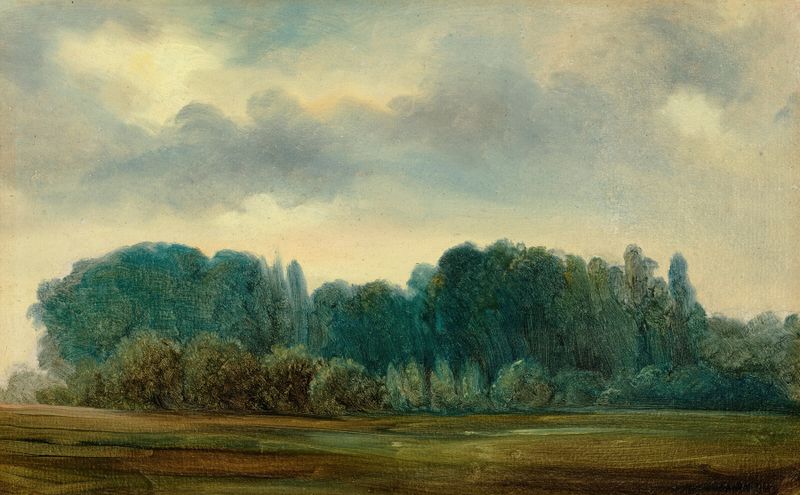
Paysage
Théodore Rousseau
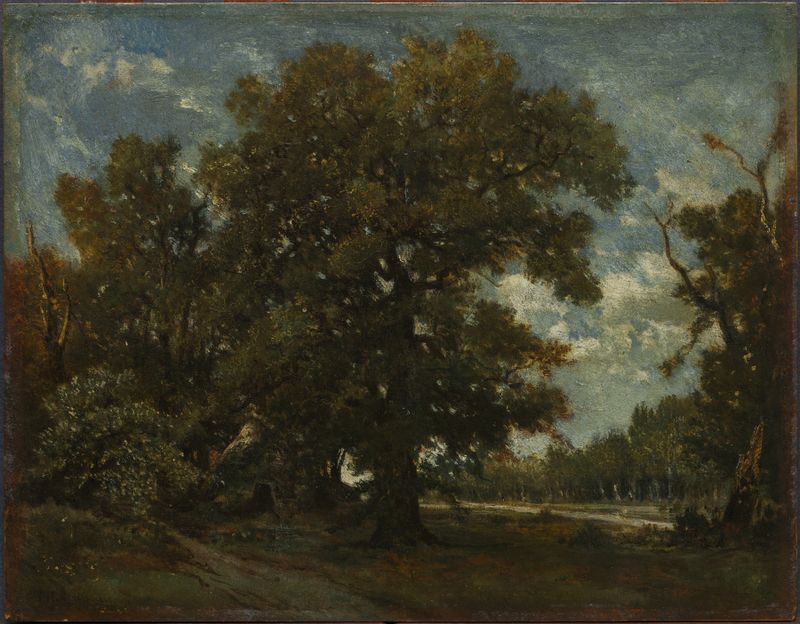
The Oak Tree
Théodore Rousseau
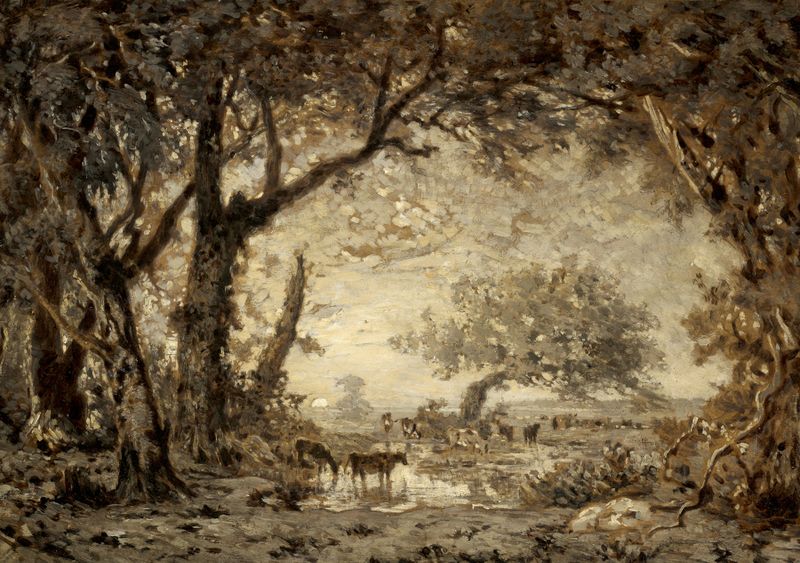
Sunset from the Forest of Fontainebleau
Théodore Rousseau
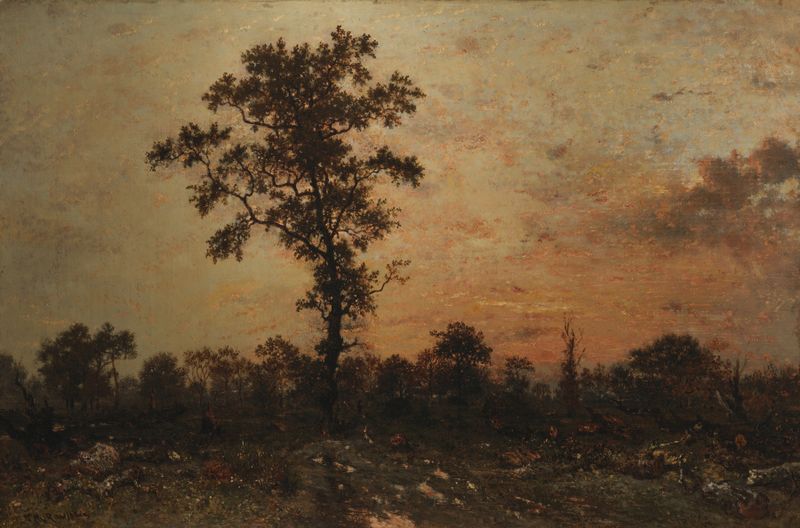
Edge of the Forest, Sun Setting
Théodore Rousseau
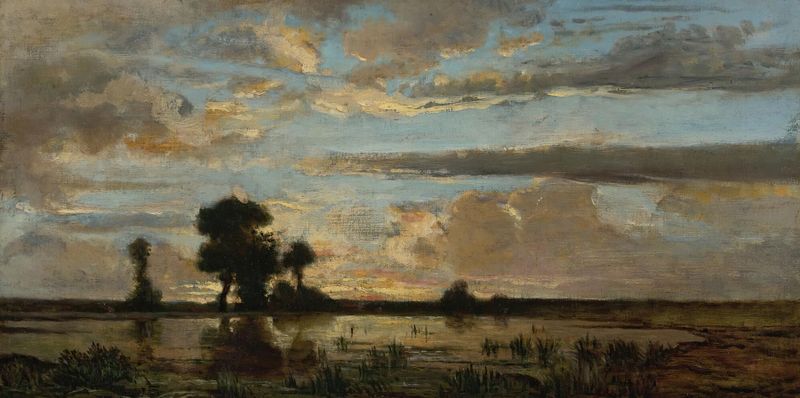
Soleil Couchant
Théodore Rousseau





