
Tatra Landscape — History & Facts
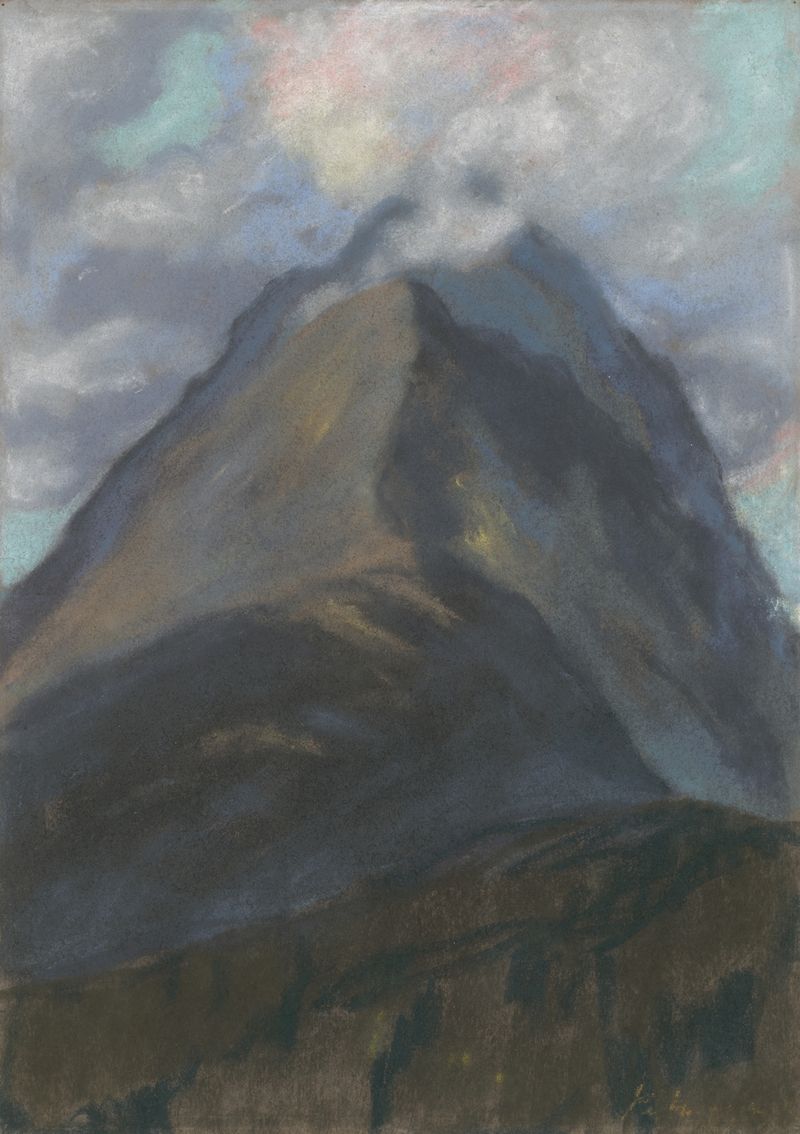
Can paint confess what words never could? In Tatra Landscape, vivid hues breathe life into a world where silence speaks volumes. Focus first on the vibrant greens that envelop the lower sections of the canvas. The strokes pulse with vitality, inviting you to travel upward through layers of soft blues and whites that cradle the mountainous skyline. Notice how the artist’s meticulous brushwork creates a sense of movement, as if the clouds are in constant dialogue with the peaks.
The interplay of light and shadow beckons the viewer to explore the depth of the scene, revealing hidden details tucked within the foliage and rocky outcrops. Beneath the surface beauty lies a stark contrast between tranquility and turmoil. The serene landscape hints at a deeper emotional landscape—the tension of nature’s majesty against the fragility of humanity. The color palette not only captures the eye but also reflects the artist's yearning for connection to both the earth and the cosmos.
Each hue seems to hold a unique memory, whispering stories of loss and hope, reminding us of the impermanence of life. During the years he painted this piece, the artist found himself amidst a turbulent landscape of political and social change in Europe. Completed between 1927 and 1934, Tatra Landscape emerged from a time of personal reflection for Palugyay, as he sought solace in the natural world while grappling with the challenges of his own artistic identity and the shifting dynamics of the broader art scene.
More Artworks by Zolo Palugyay
Browse all →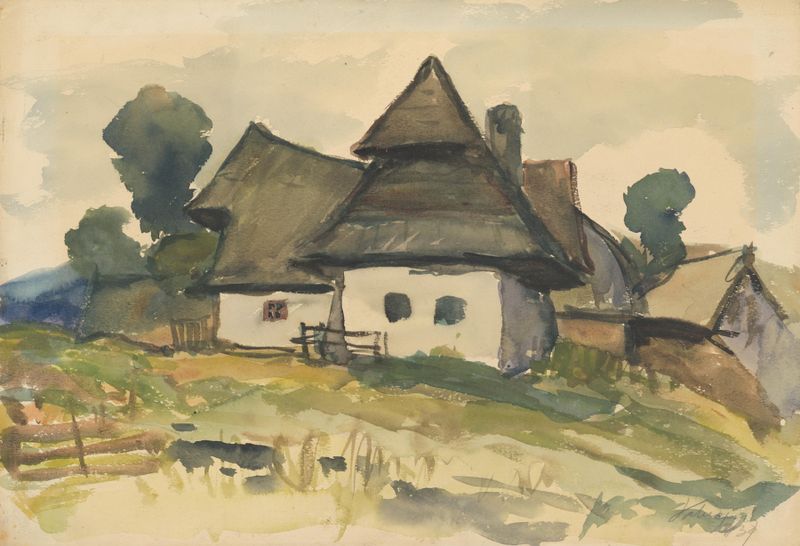
Dedinský motív
Zolo Palugyay
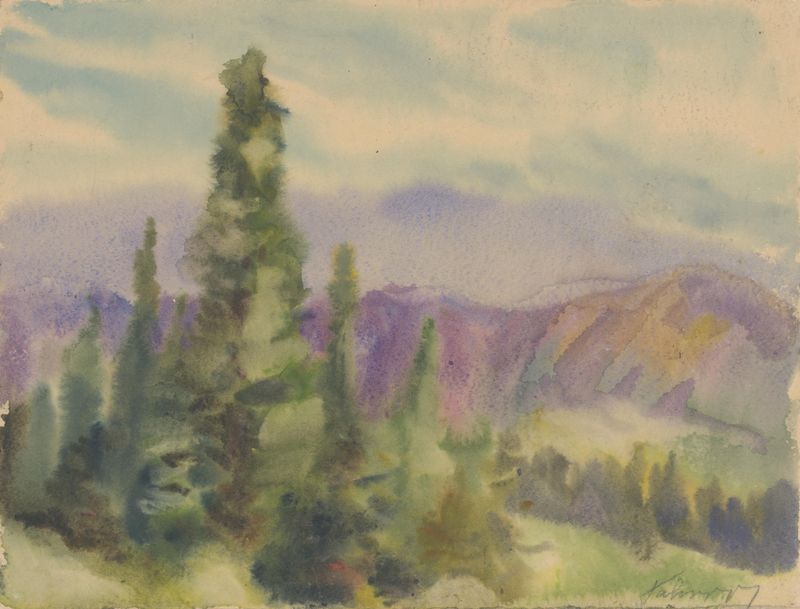
Motif from Liptov Mountains
Zolo Palugyay
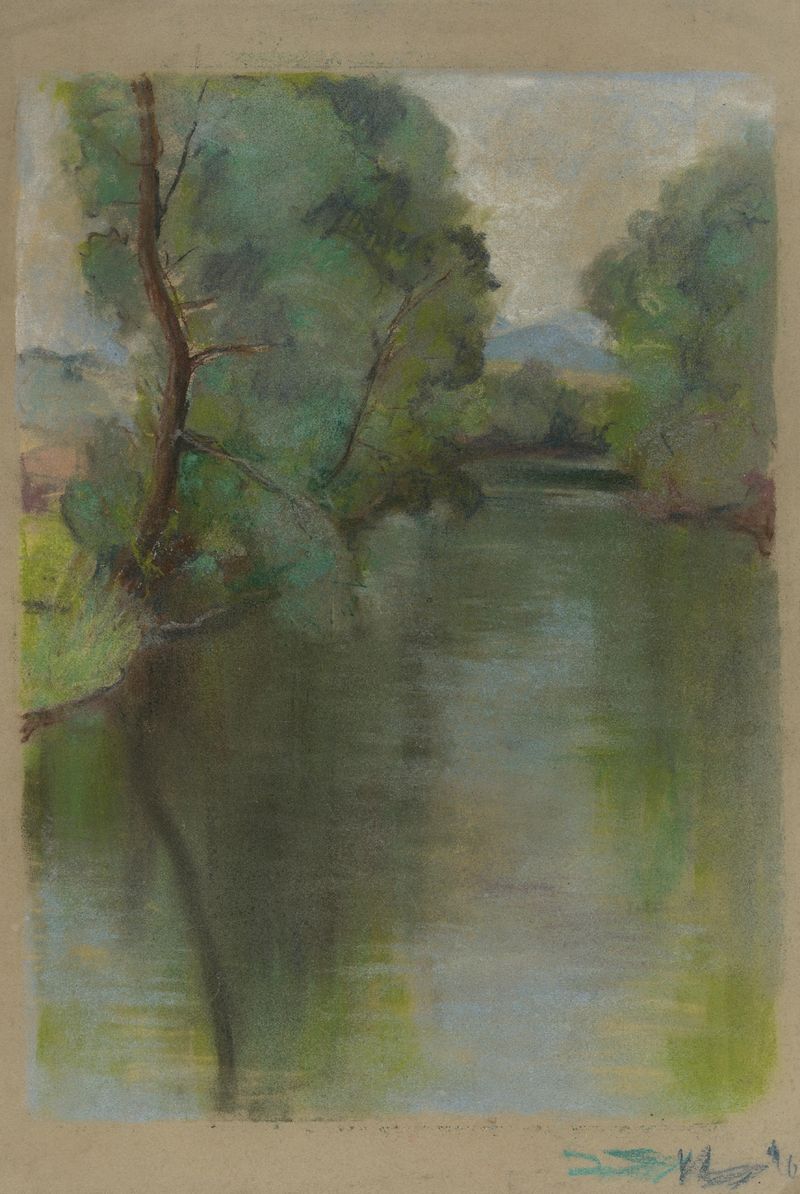
Silent River
Zolo Palugyay
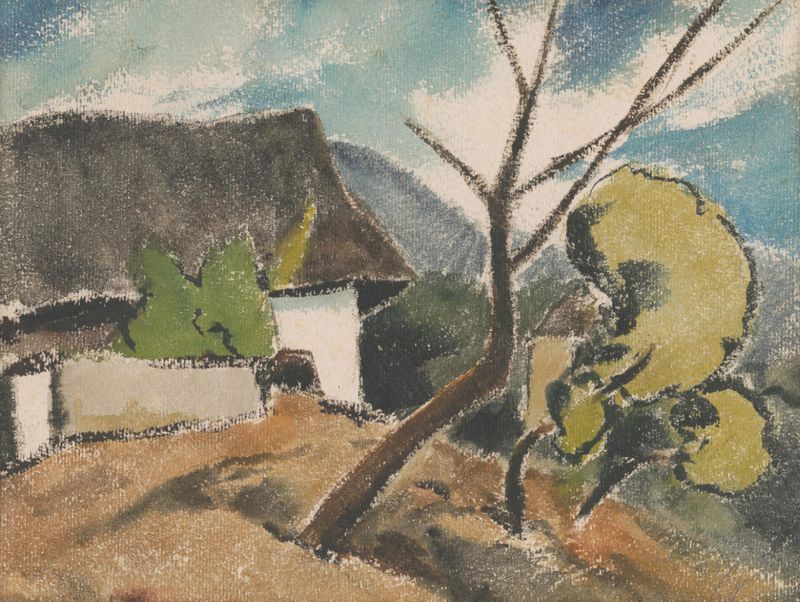
Oravská chalupa
Zolo Palugyay
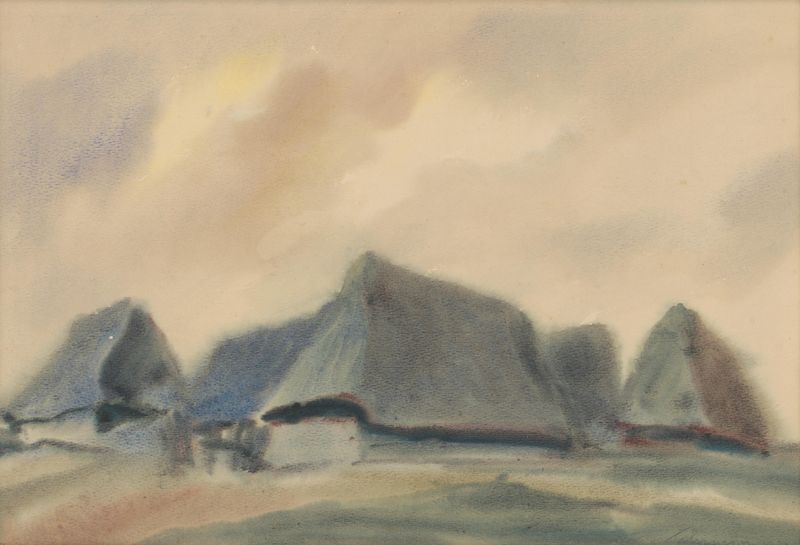
Modré chalupy
Zolo Palugyay
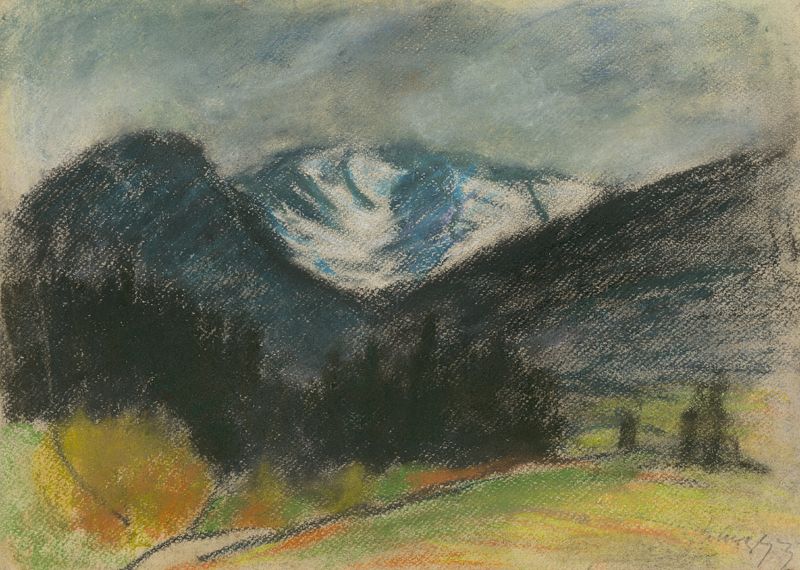
Mountain Landscape with Snowy Peaks
Zolo Palugyay
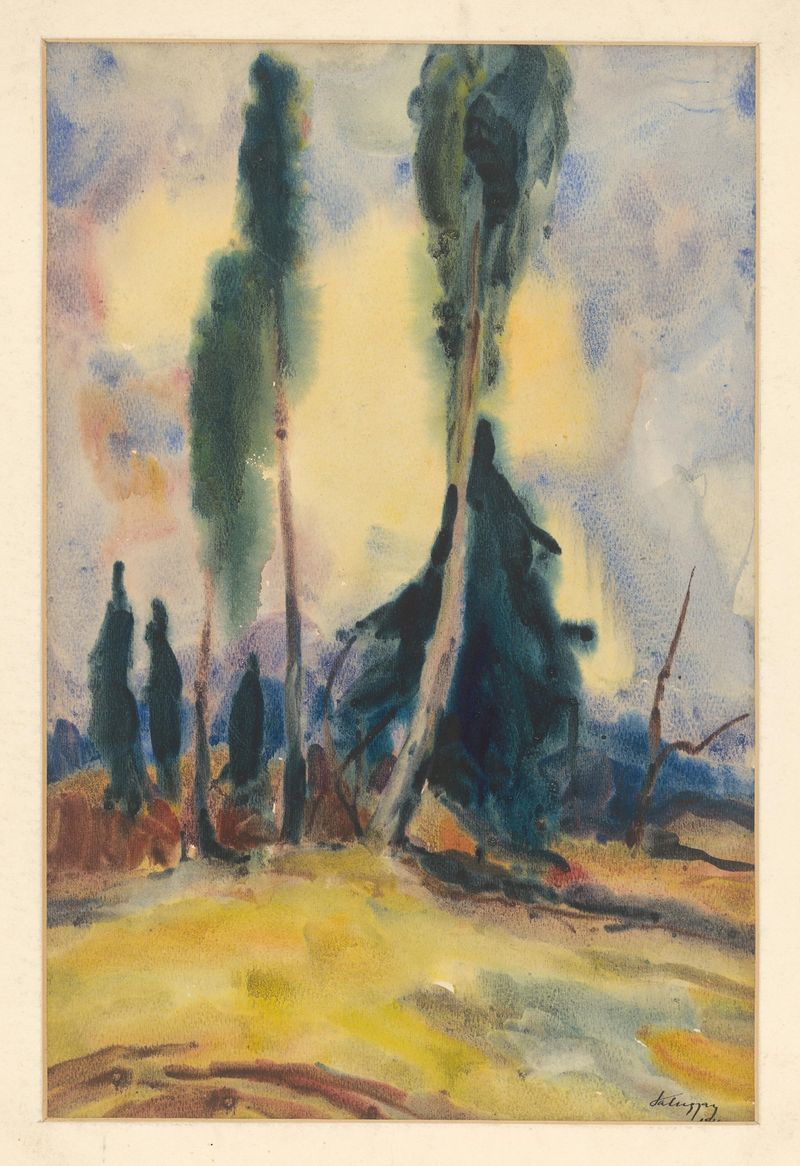
Three Trees on a Plain
Zolo Palugyay
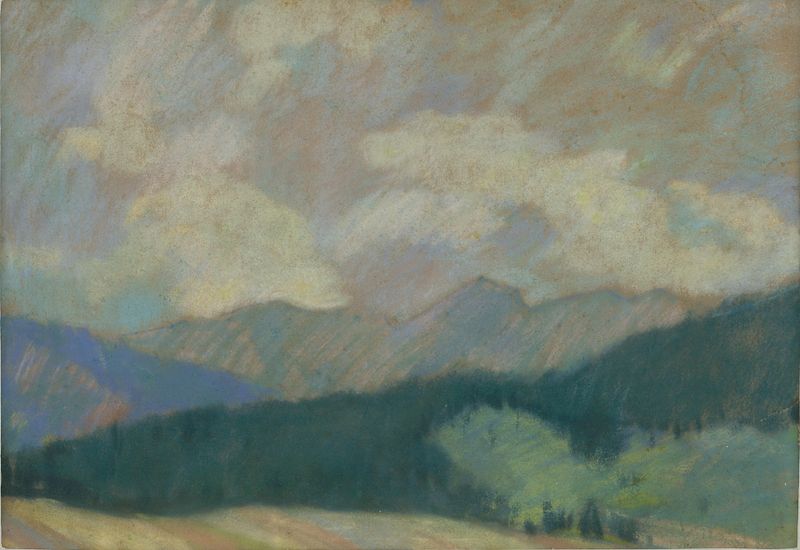
Horská krajina
Zolo Palugyay
Spring Landscape
Zolo Palugyay
Trees in the Meadow
Zolo Palugyay





