
Teatro de Tacon y parte del Paseo de Isabel II — History & Facts
Could a single brushstroke hold eternity? In Teatro de Tacon y parte del Paseo de Isabel II, a haunting stillness drapes over the vibrant theatre, where shadows and whispers intertwine in a delicate dance of anticipation and dread. Look to the center of the composition, where the grand façade of the Teatro de Tacon commands attention. The intricate details of the architecture are rendered with precision, inviting the viewer to explore the ornate columns and lavish decorations. Notice the interplay of light and shadow, with sunlight spilling down, illuminating sections of the building while leaving others cloaked in darkness.
This contrast not only enhances the visual richness but also evokes an unsettling tension, hinting at the dual nature of public spaces—lively yet fraught with hidden anxieties. As you delve deeper, consider the figures scattered throughout the scene. They appear engaged in quiet conversations, their postures reflecting unspoken fears and aspirations. The juxtaposition of the lively atmosphere against the stilled expressions of the characters suggests an underlying tension—perhaps the fear of public scrutiny or the weight of societal expectations.
The careful attention to detail in the figures’ clothing and the muted color palette reinforces this emotional complexity, revealing a nuanced commentary on the human experience in the face of an exuberant yet intimidating world. In 1855, Mialhe painted this piece during a period of artistic innovation in Paris, where Romanticism and Realism were beginning to intersect. The artist, a French painter and lithographer, was influenced by his surroundings as he navigated through a rapidly changing society marked by political unrest and cultural evolution. His work captures not only a moment in time but also reflects the broader currents of fear and hope that characterized the era, offering an enduring glimpse into the human psyche amidst the vibrancy of life.
More Artworks by Pierre Toussaint Frédéric Mialhe
Browse all →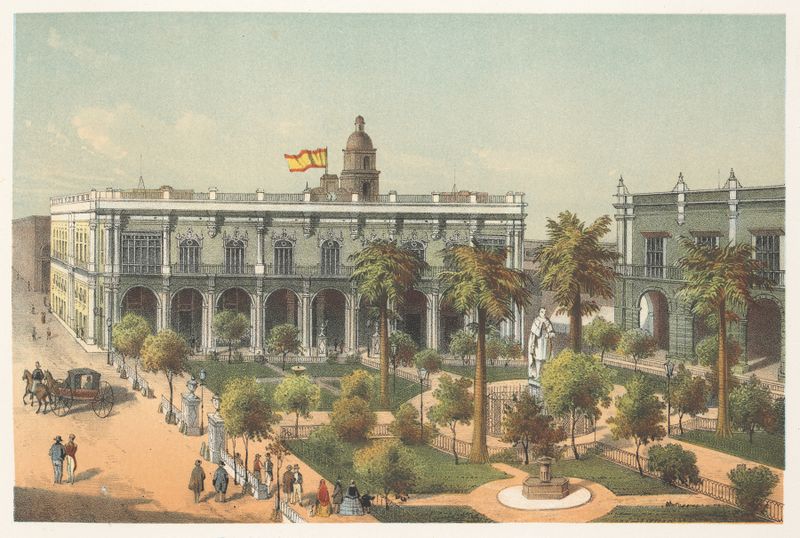
Plaza de Armas
Pierre Toussaint Frédéric Mialhe
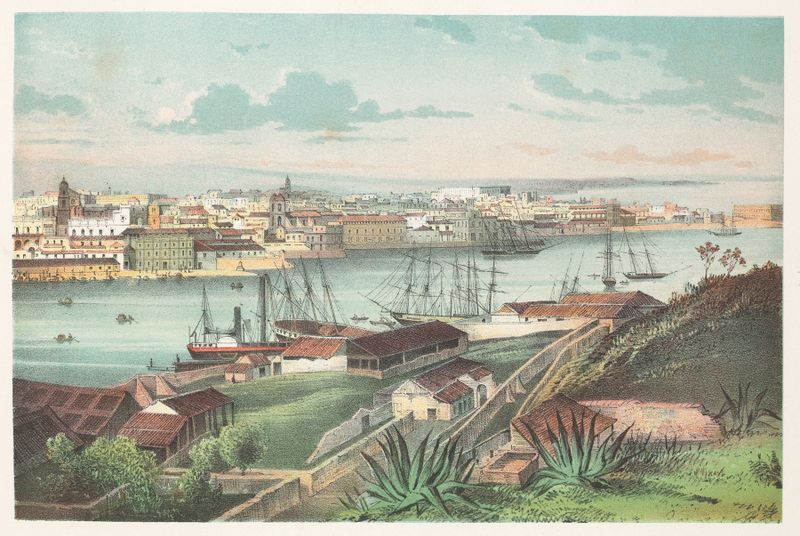
Habana.
Pierre Toussaint Frédéric Mialhe
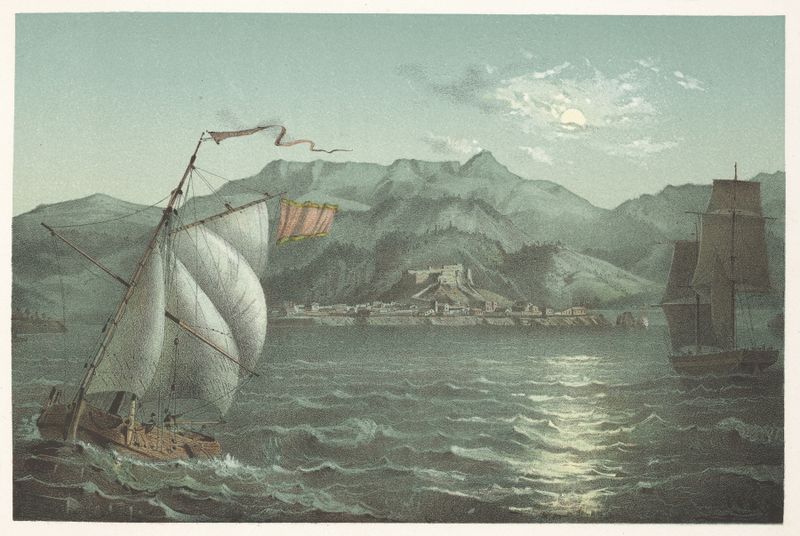
Vista genl. de la cuidad y montañas de Baracoa
Pierre Toussaint Frédéric Mialhe
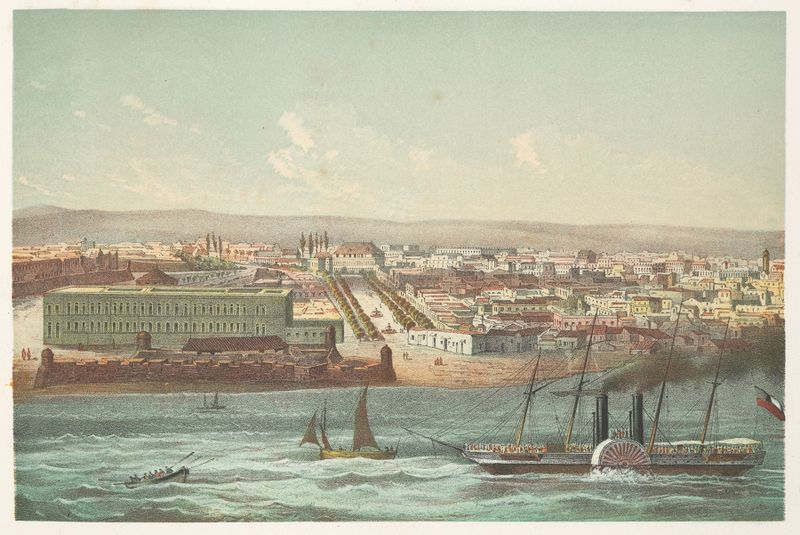
Vista de la Habana, parte de Estramuros
Pierre Toussaint Frédéric Mialhe

Vista de la Habana
Pierre Toussaint Frédéric Mialhe
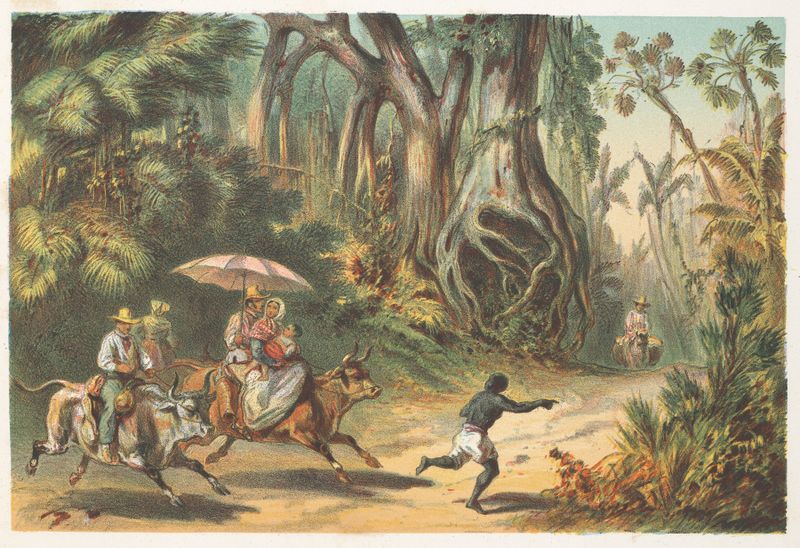
Cercanias de Baracoa
Pierre Toussaint Frédéric Mialhe
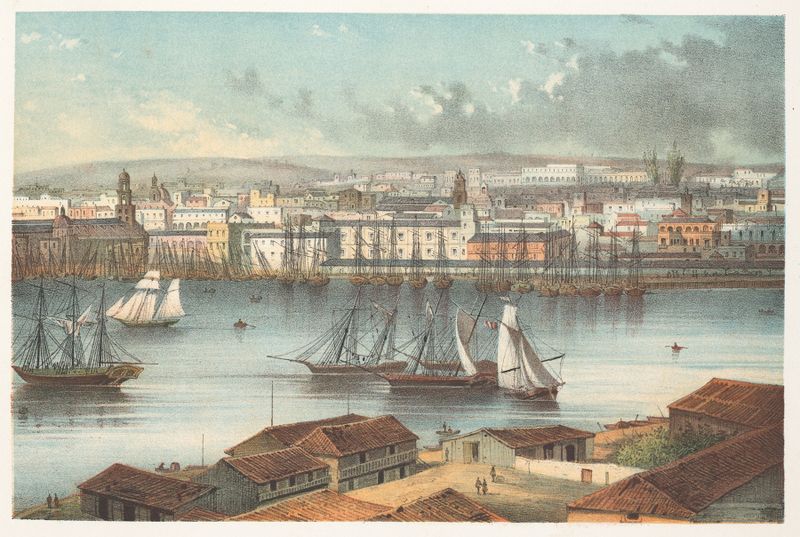
Habana
Pierre Toussaint Frédéric Mialhe
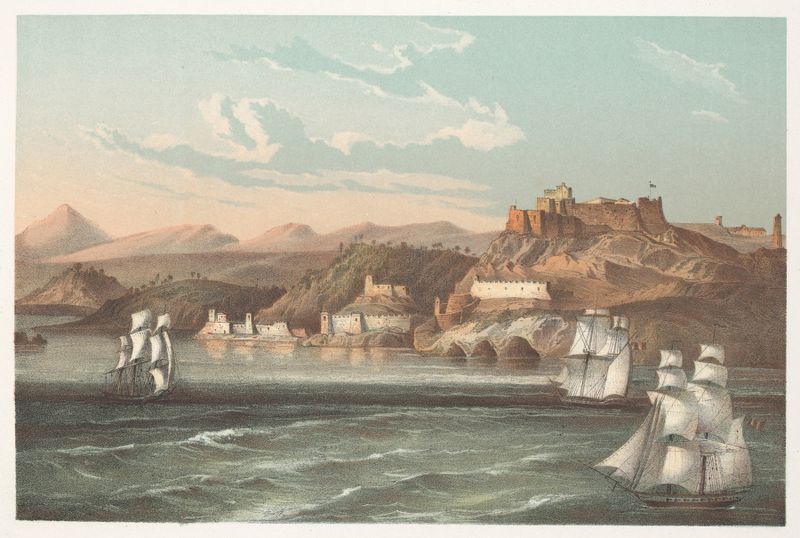
Morro y entrada del puerto de Santiago de Cuba
Pierre Toussaint Frédéric Mialhe
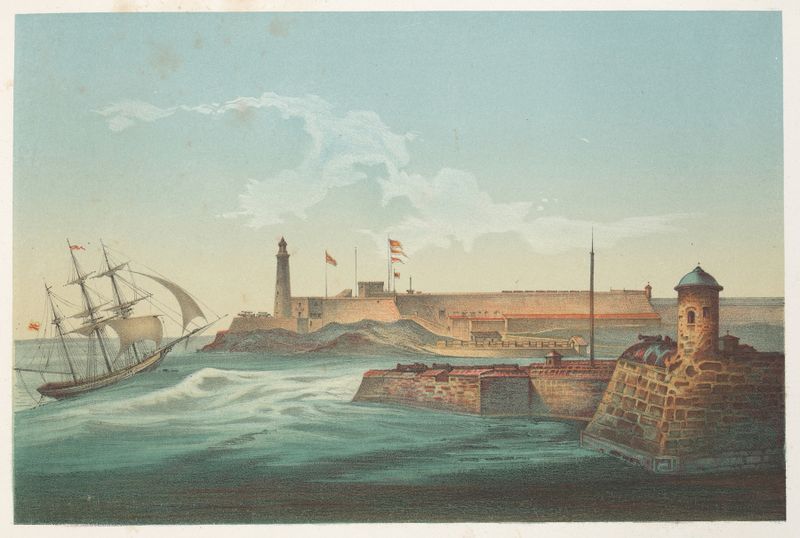
Morro y entrada puerto de la Habana
Pierre Toussaint Frédéric Mialhe
Matanzas
Pierre Toussaint Frédéric Mialhe
More Architecture Art
Browse all →
The statue of Liberty
Frédéric Auguste Bartholdi

View of Houses in Delft, Known as ‘The Little Street’
Johannes Vermeer

View of Houses in Delft, Known as ‘The Little Street’
Johannes Vermeer

The Cathedral in Rouen. The portal, Grey Weather
Claude Monet

The yellow house
Vincent van Gogh

The Church in Auvers-sur-Oise, View from the Chevet
Vincent van Gogh