Temps gris à Mougins — History & Facts
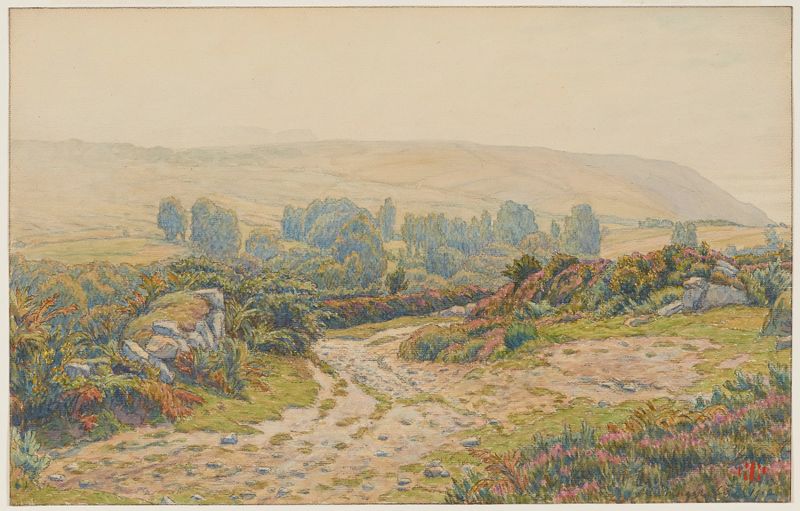
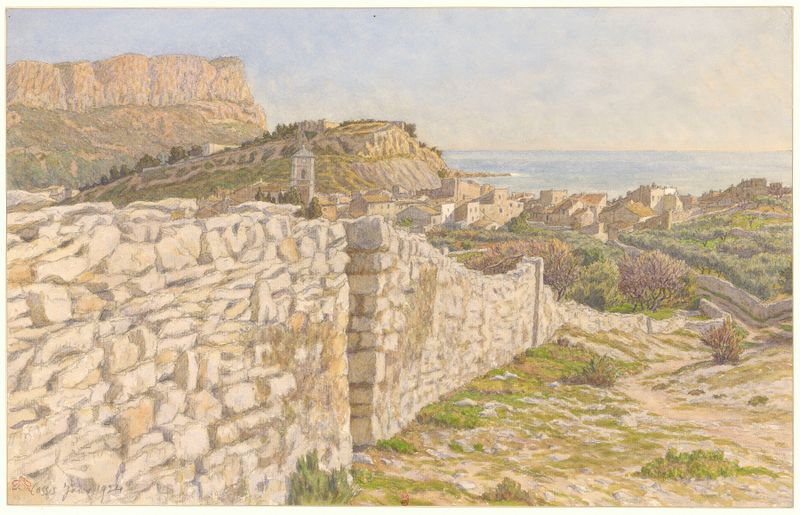
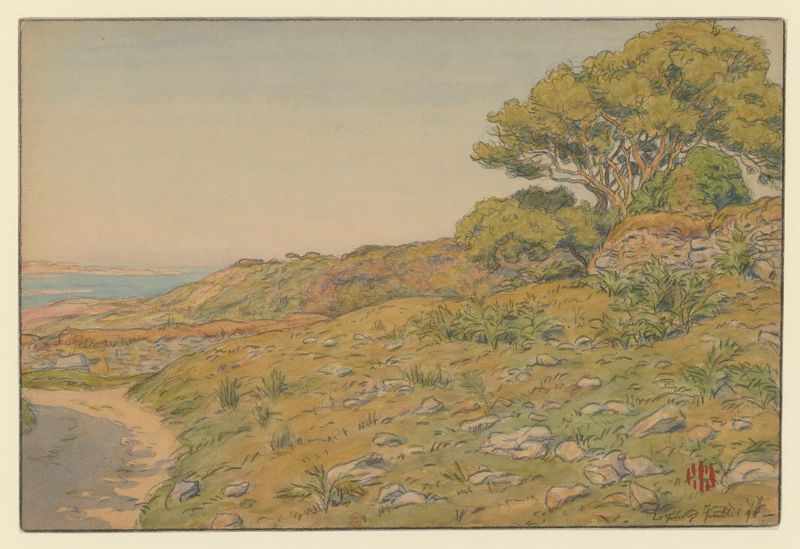
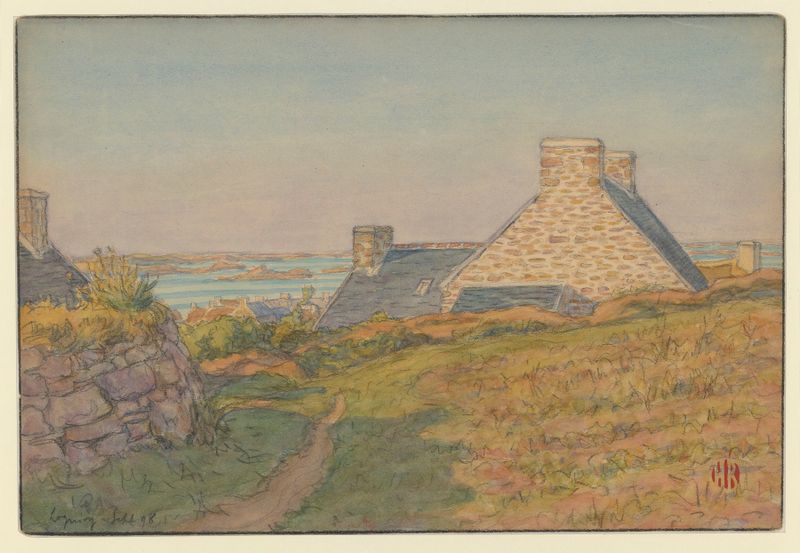
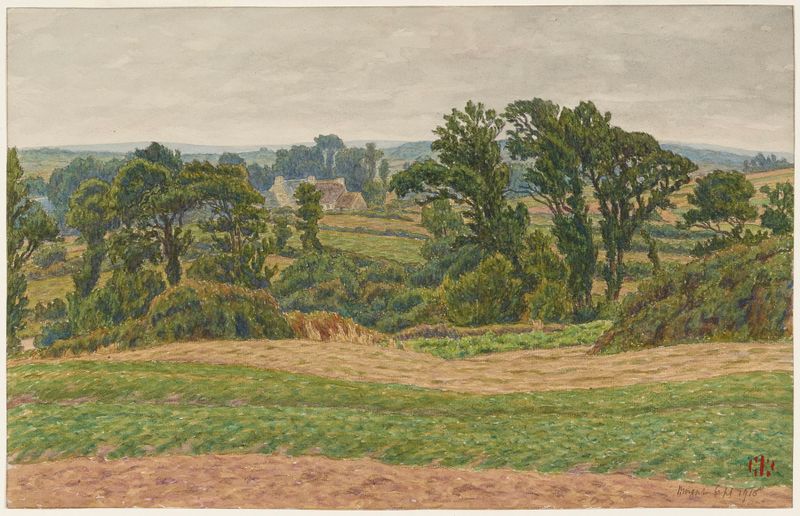
What if silence could speak through light? In Temps gris à Mougins, the interplay of soft hues and gentle shadows whispers of fragility, inviting the viewer to pause and reflect. Look to the center of the canvas, where a muted skyline meets a delicate wash of gray. The gentle blending of blues and whites evokes a tranquil atmosphere, while hints of warmer tones introduce a sliver of warmth in the otherwise cool palette. Notice how the brushstrokes flow into one another, creating a sense of movement that contrasts with the stillness of the scene.
Here, light filters through the clouds, creating an ethereal glow that seems to breathe life into a world caught between moments. In the details lies a profound emotional resonance. The layered textures represent not only the natural landscape but also the complexity of human experience. The looming gray tones may symbolize melancholy, yet they also evoke an intimate serenity, celebrating the beauty in transience.
This tension between despair and hope invites contemplation on life's fragility, urging viewers to consider how fleeting beauty can be. Henri Rivière painted Temps gris à Mougins in 1934 during a period of significant change in his life. After immersing himself in the artistic community of Paris, he turned toward the countryside, seeking solace and reflection. This era marked a transition in his work, as he began to embrace a more subdued palette and expressionistic style, mirroring the emotional landscape of a world grappling with the aftermath of war and uncertainty.