Discover insights about this artwork
Tereus Confronted With The Head Of His Son Itylus — History & Facts
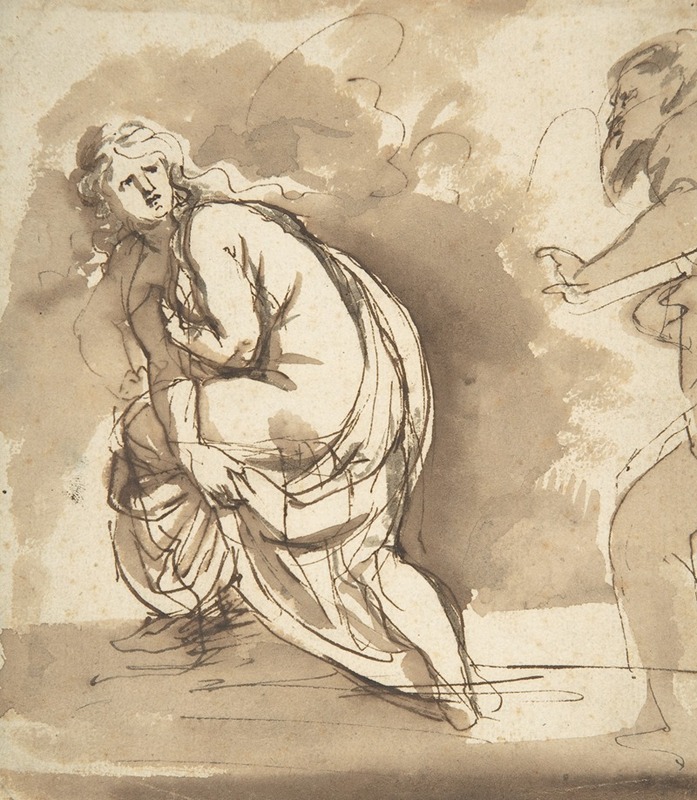
In Tereus Confronted With The Head Of His Son Itylus, Peter Paul Rubens presents a dramatic scene filled with intense emotions. The painting features Tereus, a figure from Greek mythology, in a moment of horror as he holds the severed head of his son, Itylus. The colors are rich and vibrant, with deep reds and dark shadows that enhance the emotional weight of the moment.
The figures are rendered with dynamic movement, capturing the tension and tragedy of the narrative. Rubens employs oil on canvas to create this powerful work, which is characteristic of the Baroque style. The dimensions are approximately 150 x 200 cm, allowing for a grand portrayal of the figures and their expressions. The use of chiaroscuro is evident, as light and shadow play across the characters, highlighting their emotional states.
The composition draws the viewer's eye to the central confrontation, emphasizing the drama of the scene. Peter Paul Rubens was a prominent Baroque artist known for his vibrant colors and dynamic compositions. This painting, created in the 1630s, reflects the artist's interest in mythology and human emotion. An interesting fact about this work is that it illustrates a story from Ovid's
More Artworks by Peter Paul Rubens
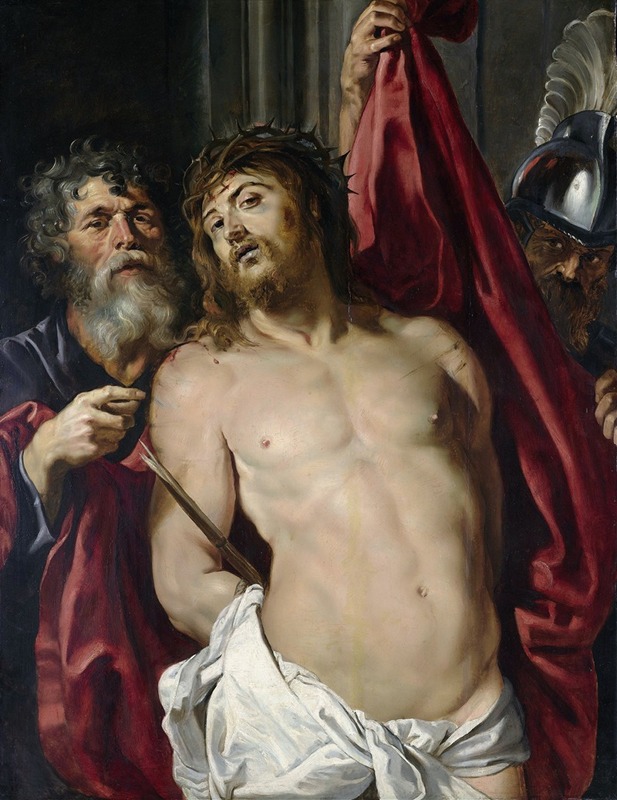
Ecce homo
Peter Paul Rubens
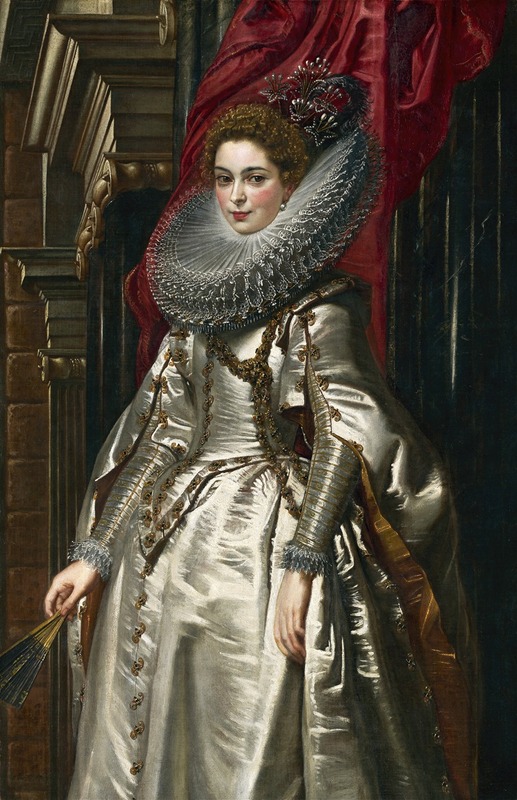
Marchesa Brigida Spinola Doria
Peter Paul Rubens
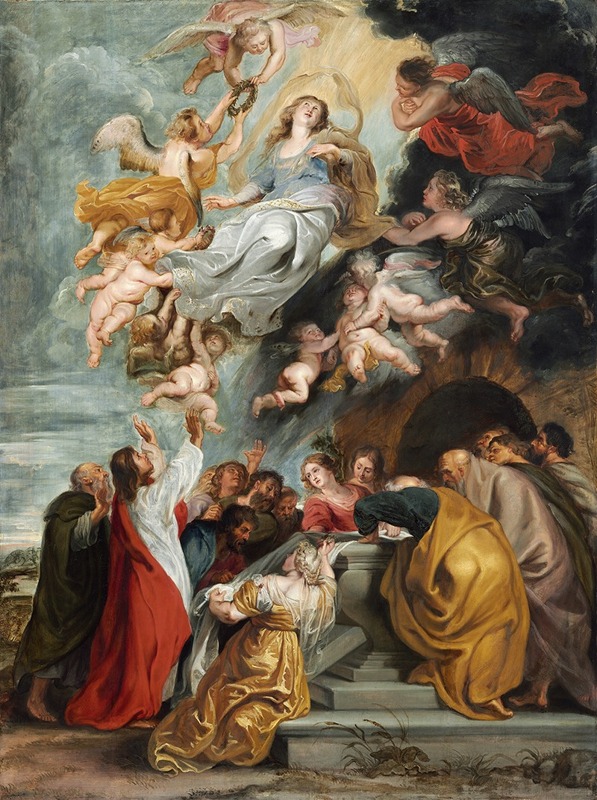
The Assumption of the Virgin
Peter Paul Rubens

Saint Teresa of Ávila Interceding for Souls in Purgatory
Peter Paul Rubens
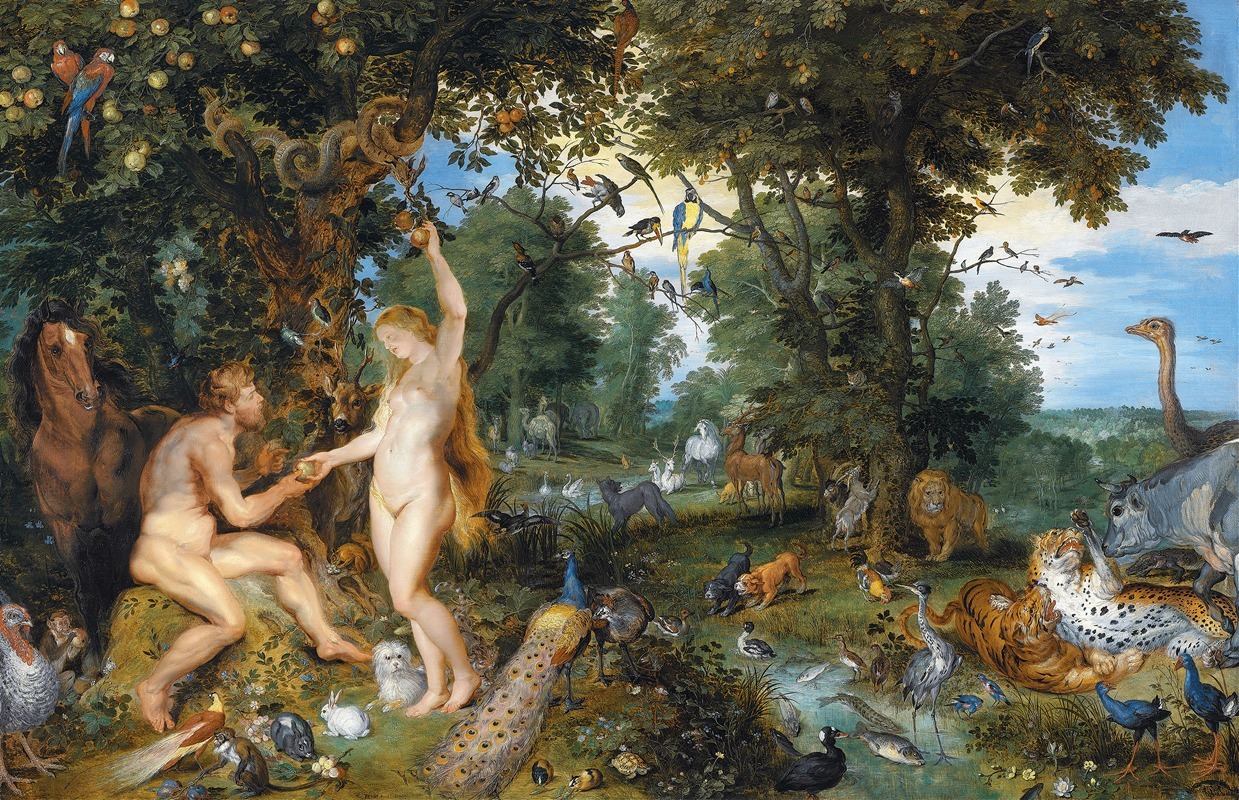
The Garden of Eden with the Fall of Man
Peter Paul Rubens
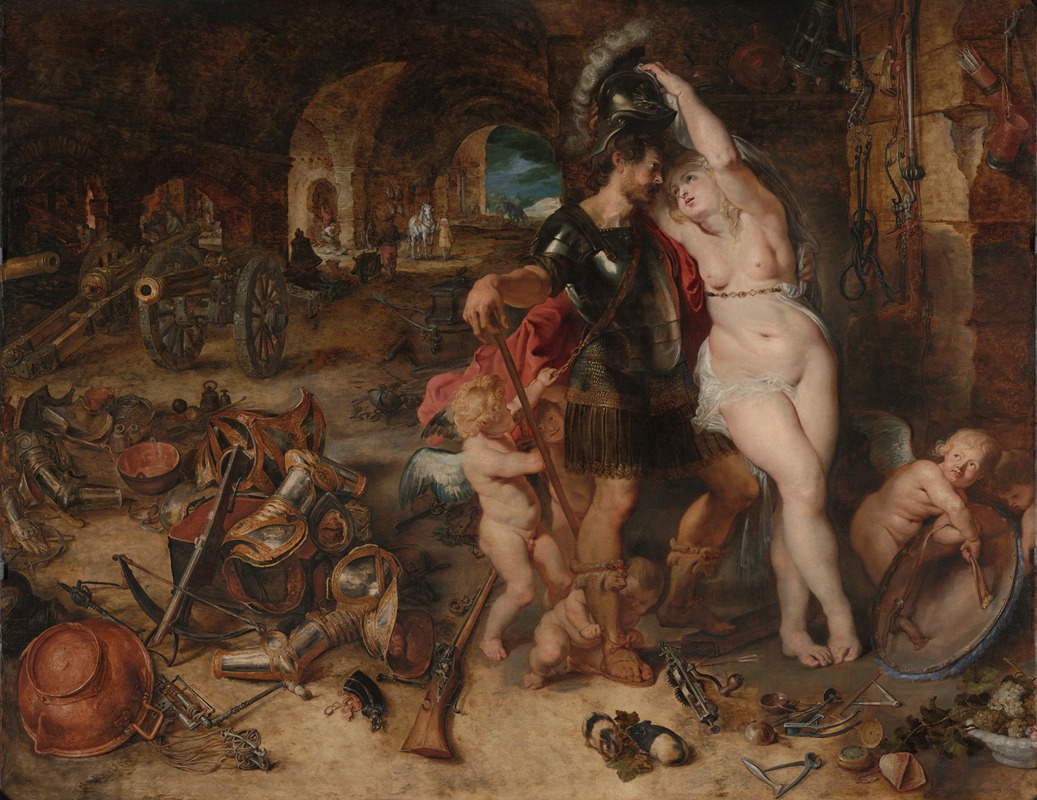
The Return From War,Mars Disarmed By Venus
Peter Paul Rubens
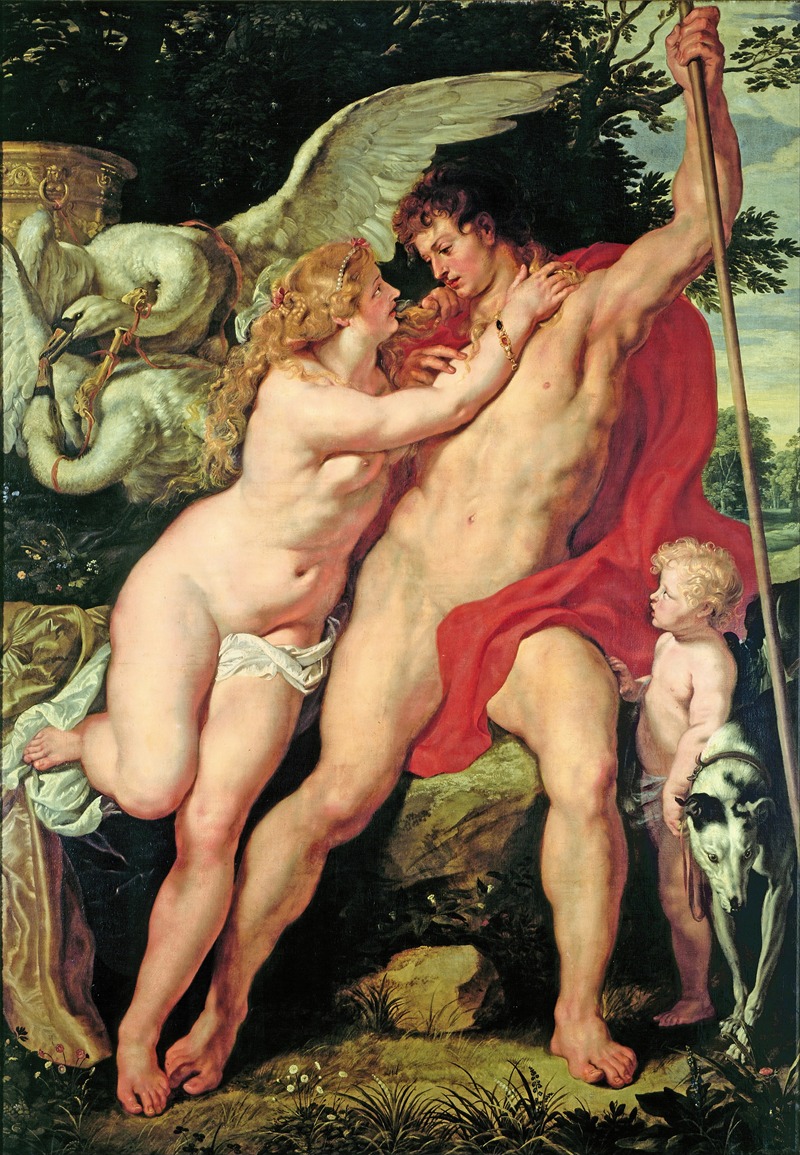
Venus and Adonis
Peter Paul Rubens
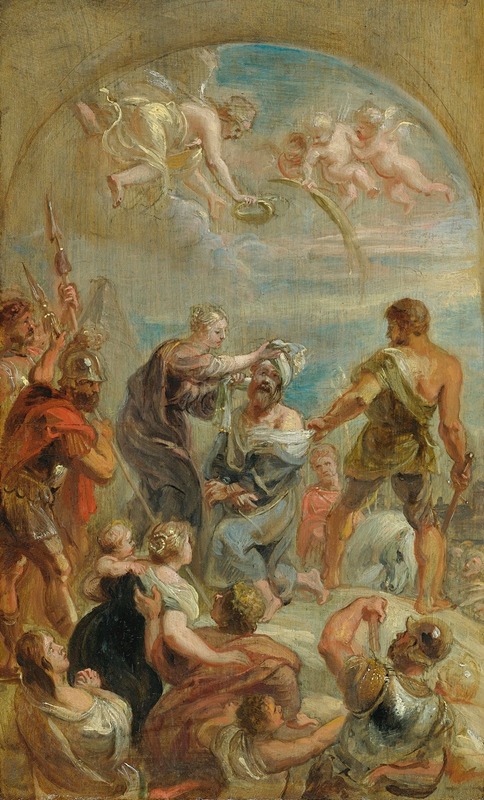
The Martyrdom Of Saint Paul
Peter Paul Rubens
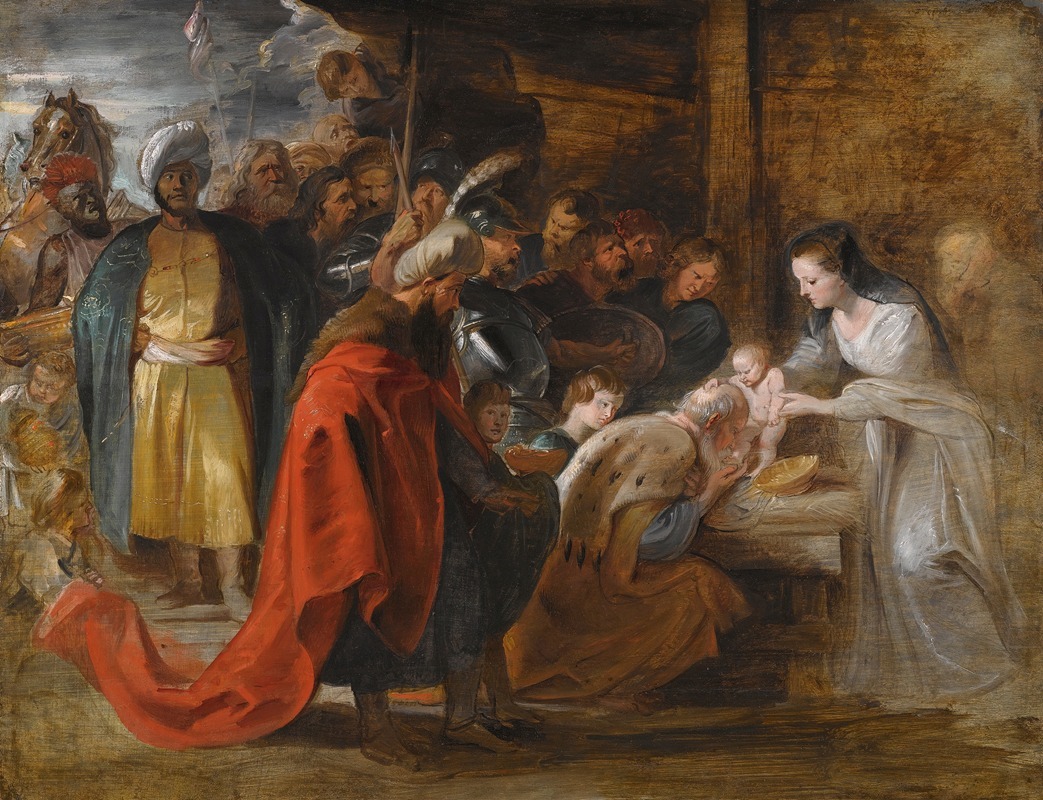
The Adoration Of The Magi
Peter Paul Rubens
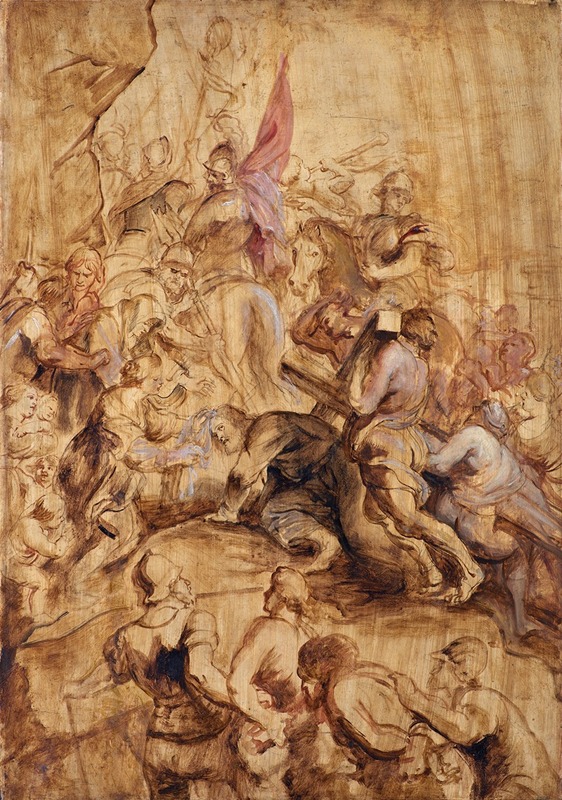
The Ascent to Calvary. The Bearing of the Cross
Peter Paul Rubens