
Tête et buste de femme — History & Facts
In Tête et buste de femme, Amedeo Modigliani presents a stylized female figure with elongated features and a serene expression. The color palette is warm, dominated by earthy tones and soft pastels. The background is minimal, allowing the figure to stand out prominently.
The overall composition conveys a sense of calm and introspection. The painting is characterized by Modigliani's signature style, which features elongated forms and a focus on the human figure. The brushwork is smooth and fluid, creating a sense of harmony throughout the piece. The use of color is intentional, with a limited palette that emphasizes the figure's contours.
This work exemplifies the modernist approach to portraiture, moving away from traditional realism. Amedeo Modigliani was known for his unique approach to portraiture, often depicting his subjects with exaggerated features. Tête et buste de femme is a prime example of his work from the early 1910s, a period when he was refining his style. Interestingly, Modigliani faced significant challenges during his career, including financial struggles and health issues, yet he produced a remarkable body of work that continues to influence artists today.
More Artworks by Amedeo Modigliani
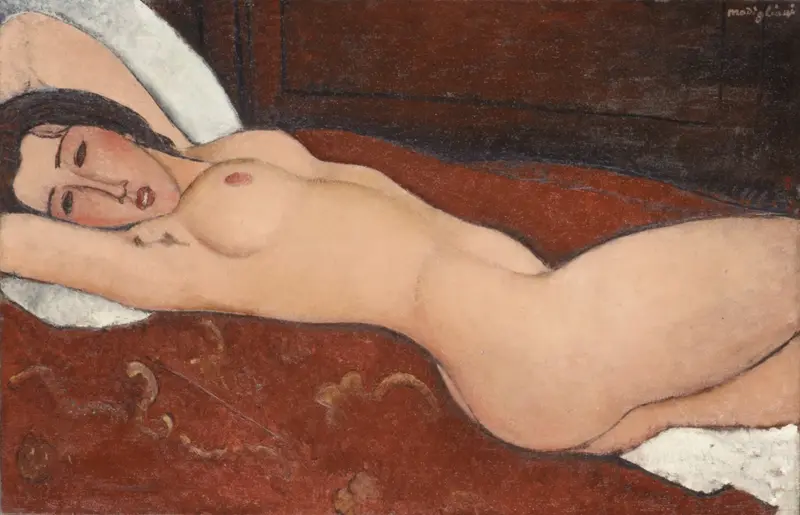
Reclining Nude
Amedeo Modigliani

Portrait Of Jeanne Hébuterne
Amedeo Modigliani

Jeanne Hébuterne
Amedeo Modigliani
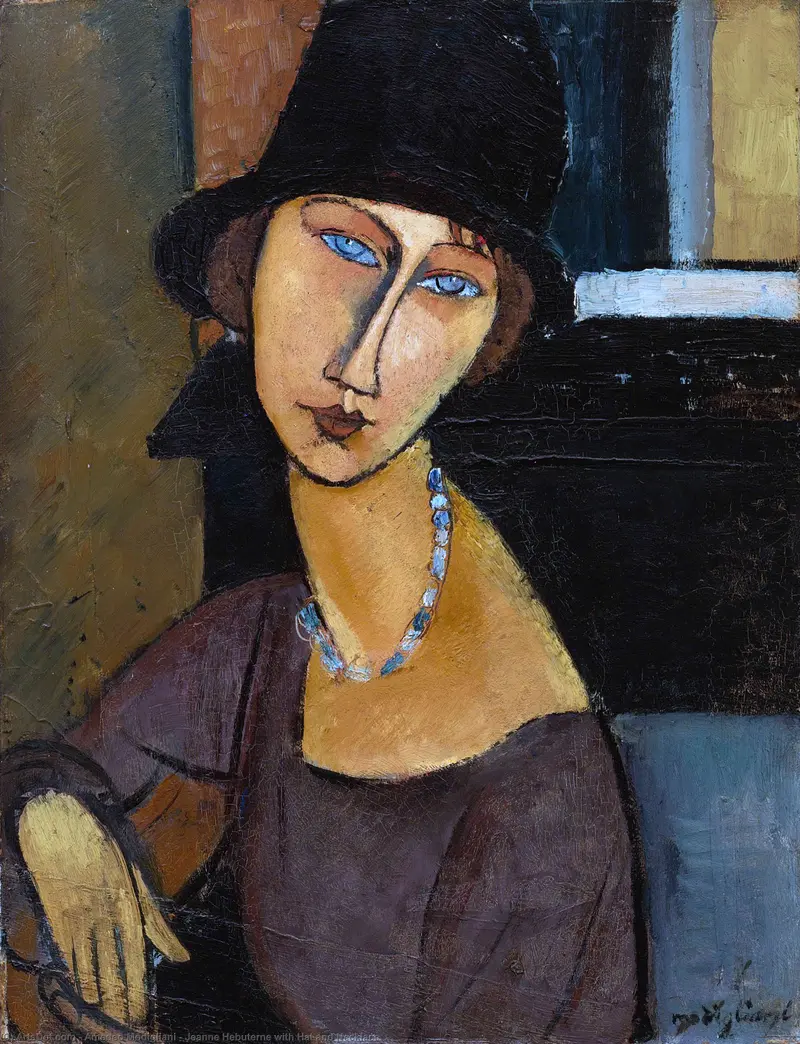
Jeanne Hébuterne with Hat and Necklace
Amedeo Modigliani
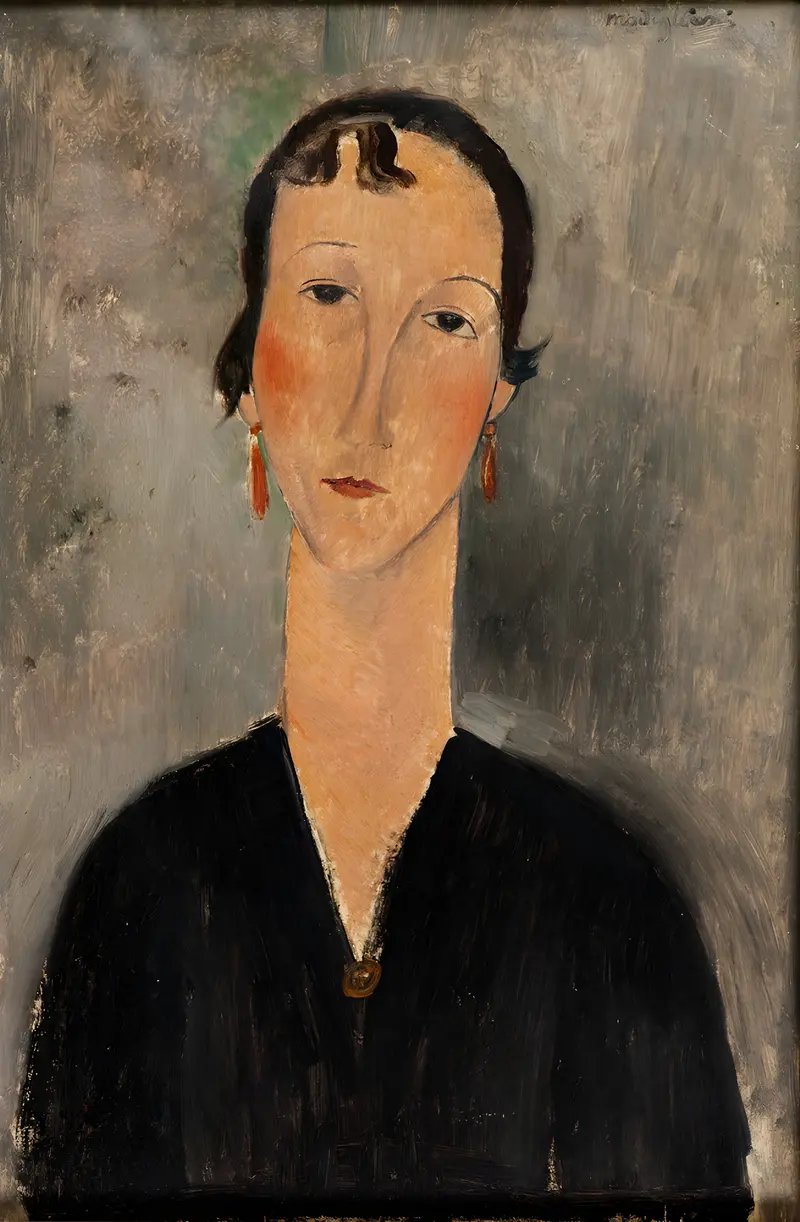
Femme aux boucles d'oreilles
Amedeo Modigliani
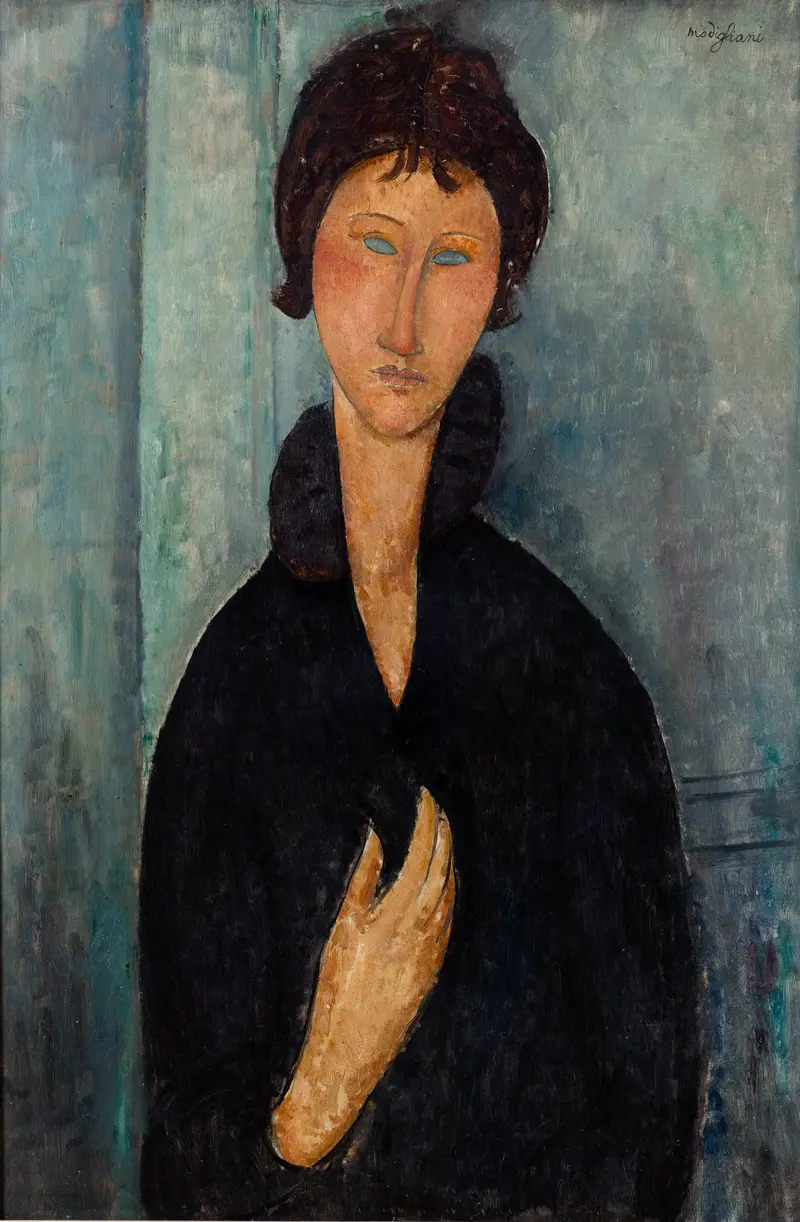
Femme aux yeux bleus
Amedeo Modigliani
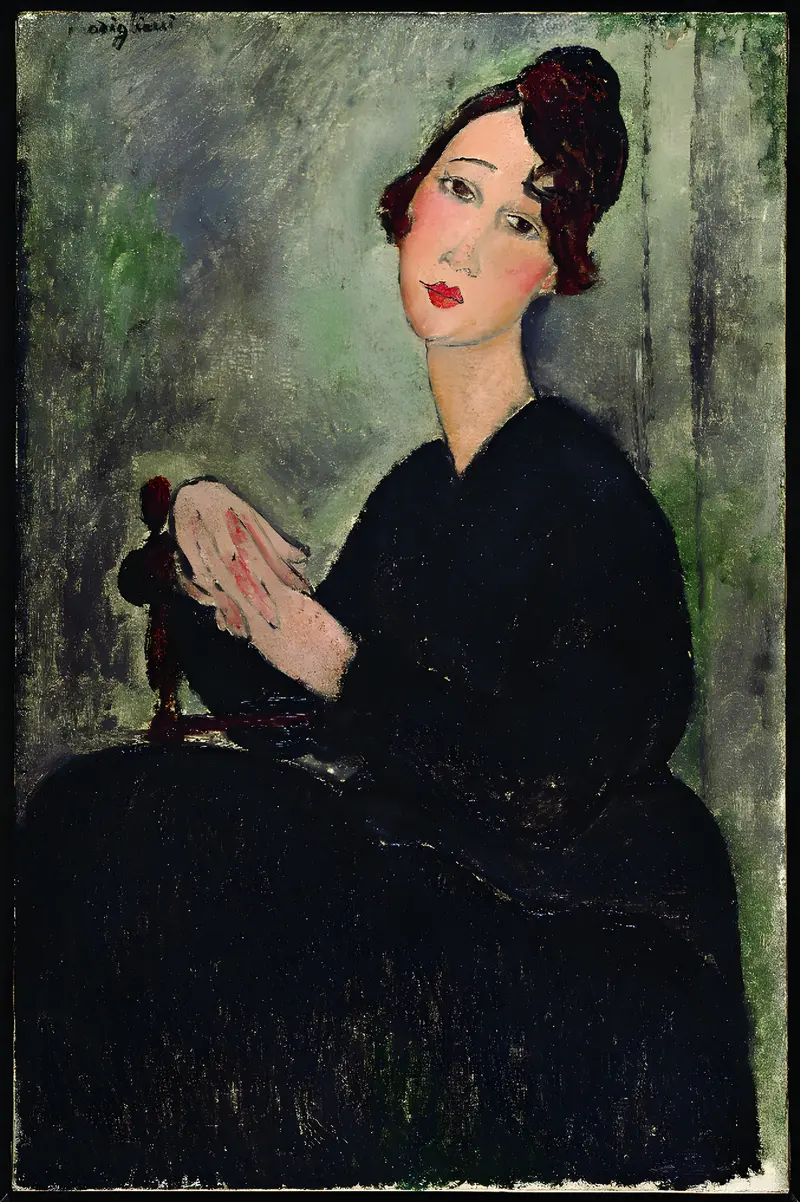
Portrait of Dedie
Amedeo Modigliani
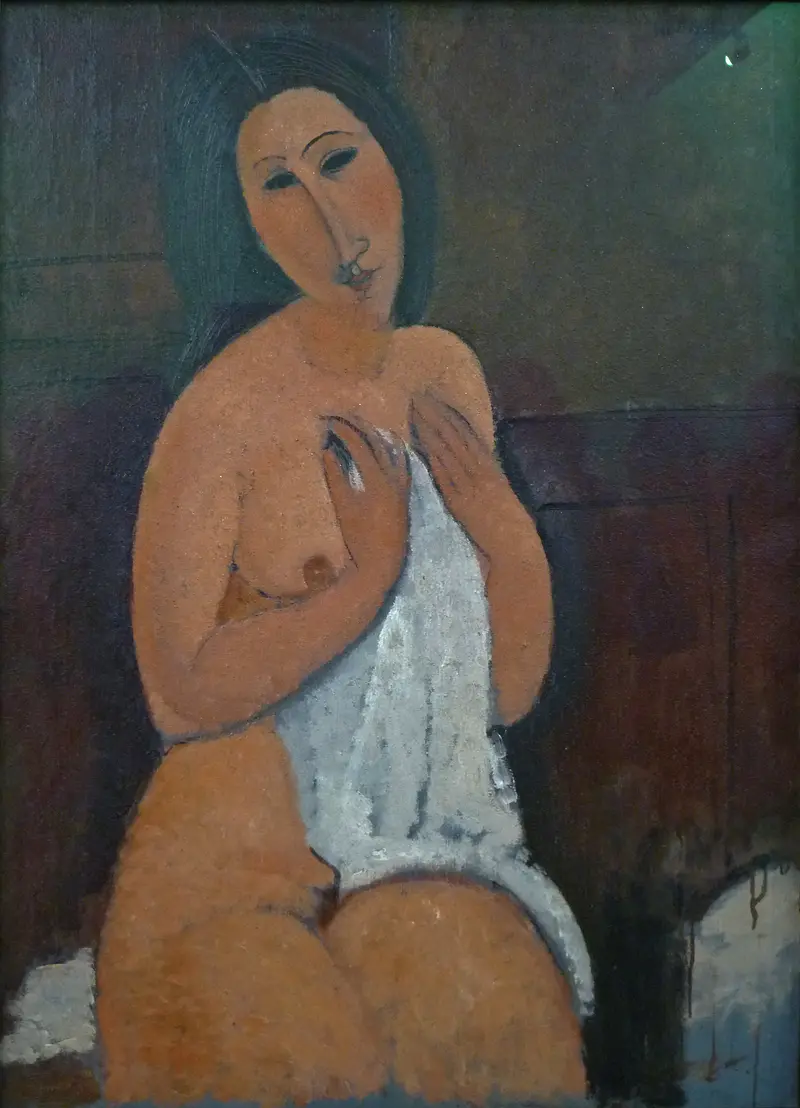
Seated nude with shirt
Amedeo Modigliani
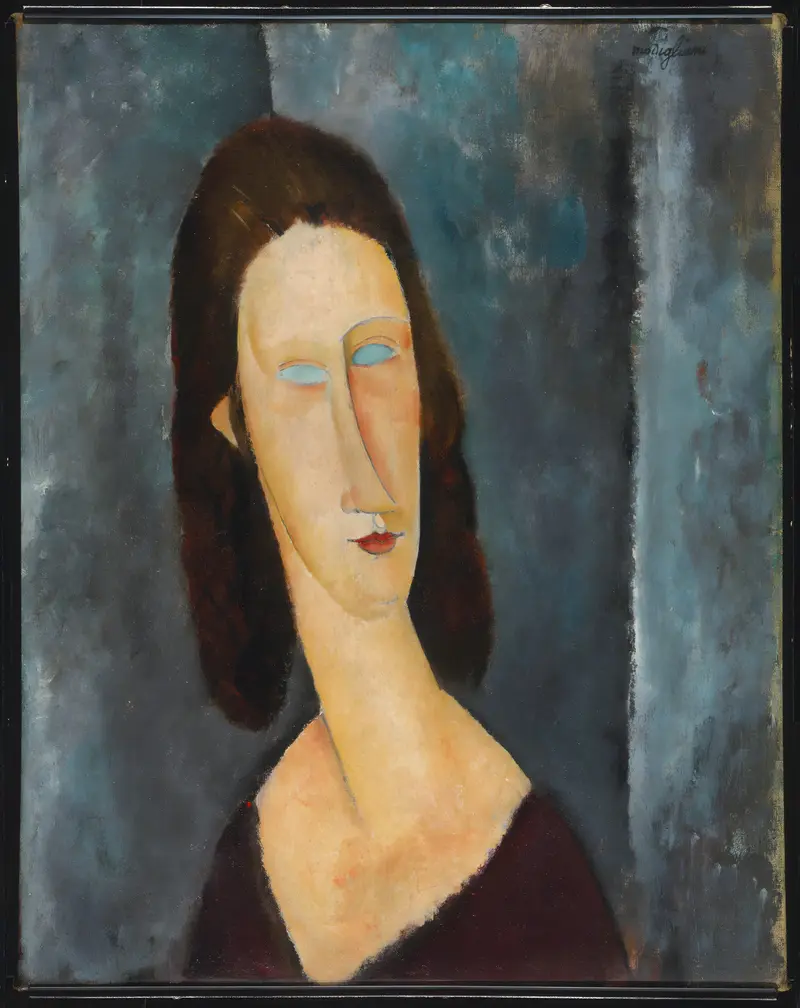
Blue Eyes (Portrait of Madame Jeanne Hébuterne)
Amedeo Modigliani
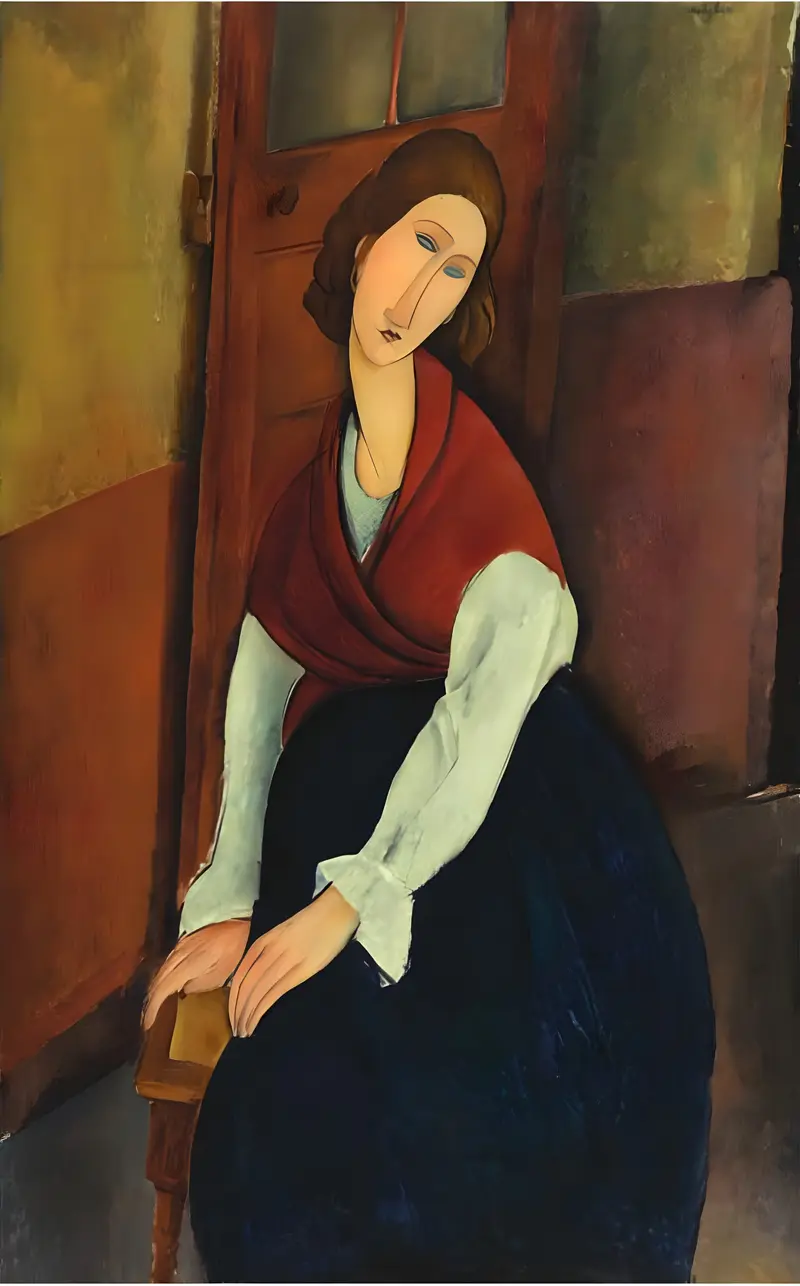
Jeanne Hebuterne in Red Shawl
Amedeo Modigliani





