The Actor Willem Bartholsz Ruyter as King Ahasuerus on his Throne — History & Facts
A single, heavy shadow dominates the throne, and from it emerges the unmistakable presence of a king—his turbaned head and richly patterned robe just visible through the haze of ink and wash. The actor’s gaze is lost in thought, his form both monumental and fleeting, as if Rembrandt has caught him mid-transformation between man and monarch. The sweep of the curtain behind him frames the figure, making the throne feel at once grand and isolated, while the light that falls across his chest and hand draws attention to the gesture of authority and the weight of the role he inhabits. This drawing belongs to a world where theater and painting often mingled, especially in seventeenth-century Amsterdam, where actors were celebrities and biblical stories were performed as much as painted.
Rembrandt’s swift, nearly abstract lines capture the energy of performance rather than the details of costume or setting, inviting the viewer to imagine the rest. Such studies were prized not only as preparatory sketches but as independent works, admired for their immediacy and insight into the artist’s hand. History has kept few traces of the actor Willem Bartholsz Ruyter himself, but in this drawing, the collaboration between artist and performer is preserved—a silent drama that still asks us to look closer.
More Artworks by Rembrandt van Rijn
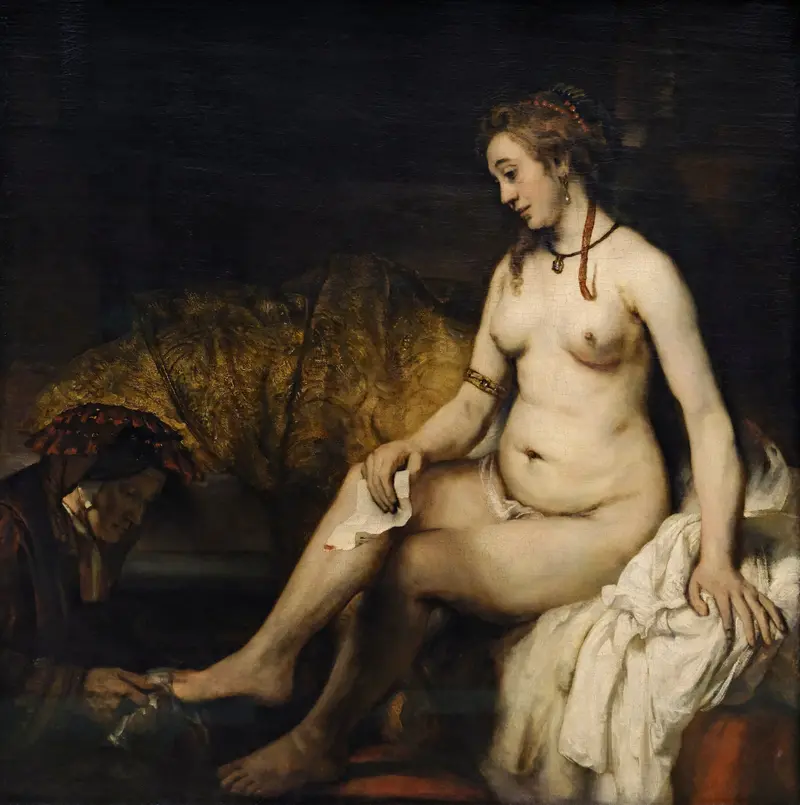
Bathsheba at Her Bath
Rembrandt van Rijn
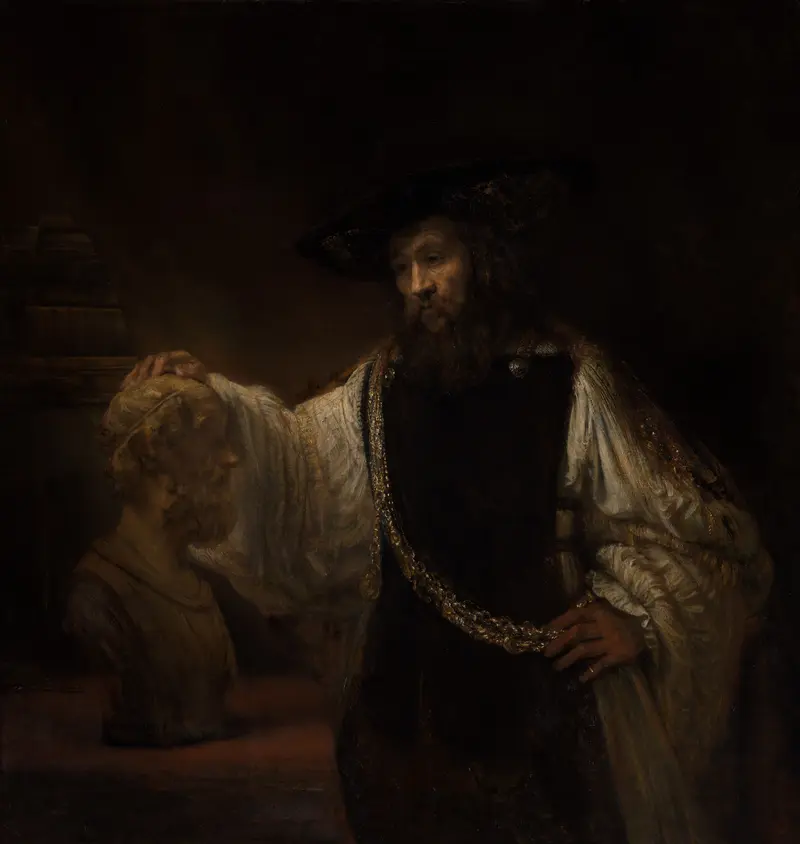
Aristotle with a Bust of Homer
Rembrandt van Rijn
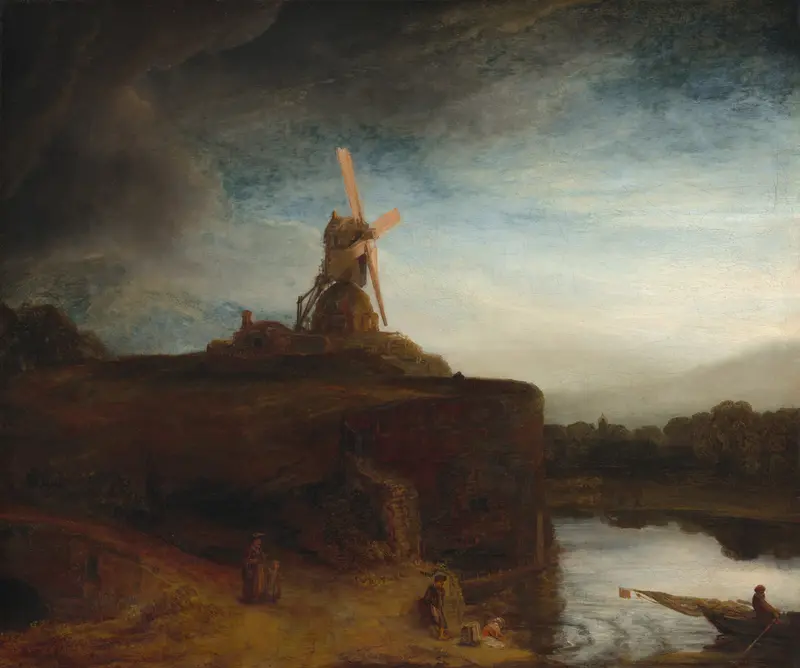
The Mill
Rembrandt van Rijn
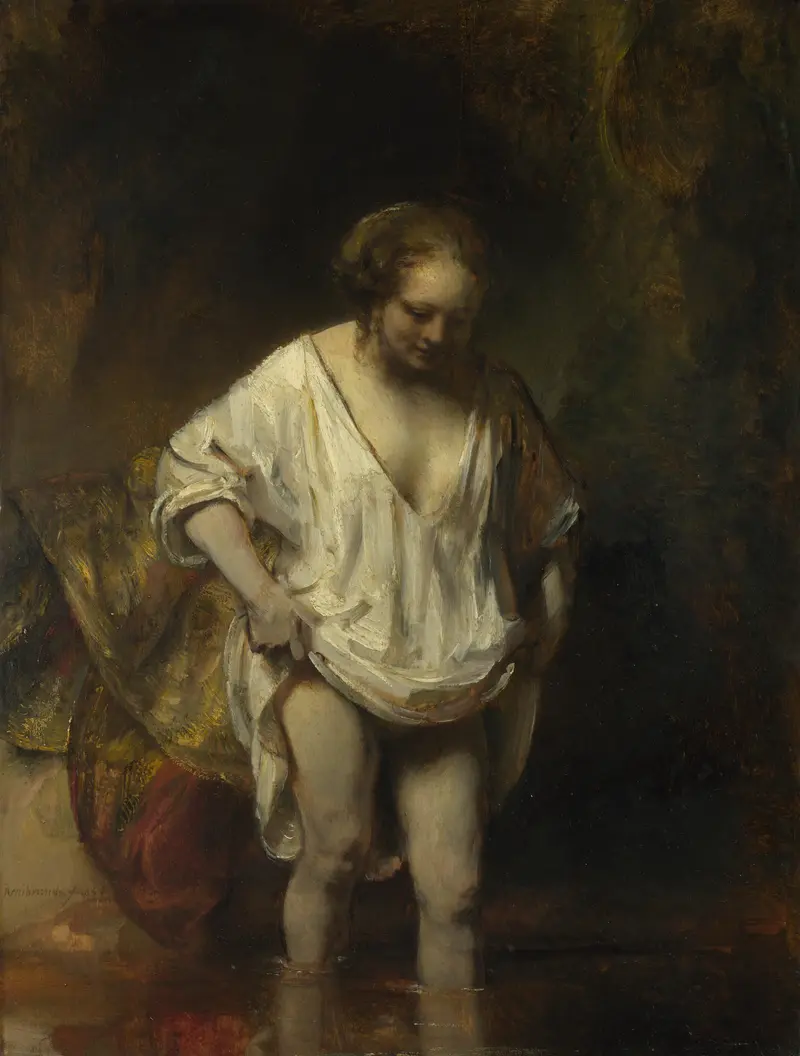
A Woman Bathing in a Stream
Rembrandt van Rijn
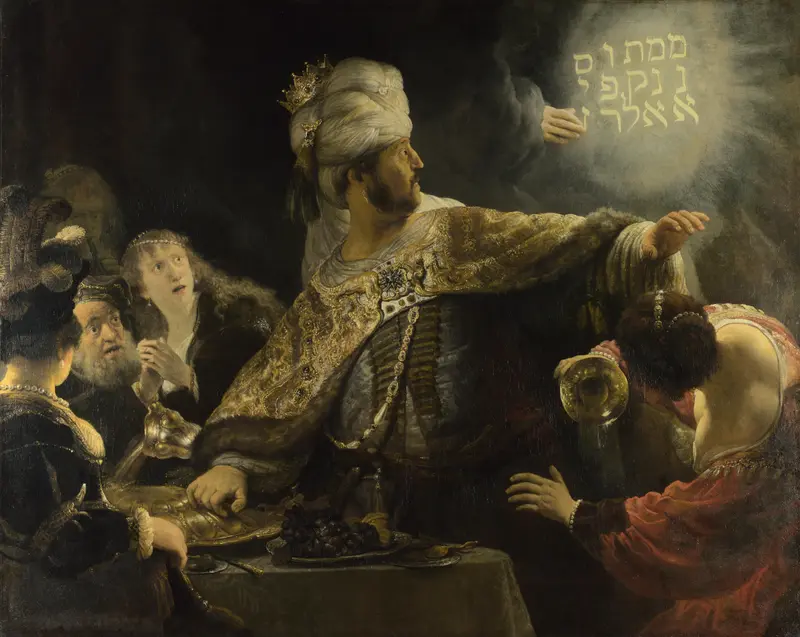
Belshazzar’s Feast
Rembrandt van Rijn
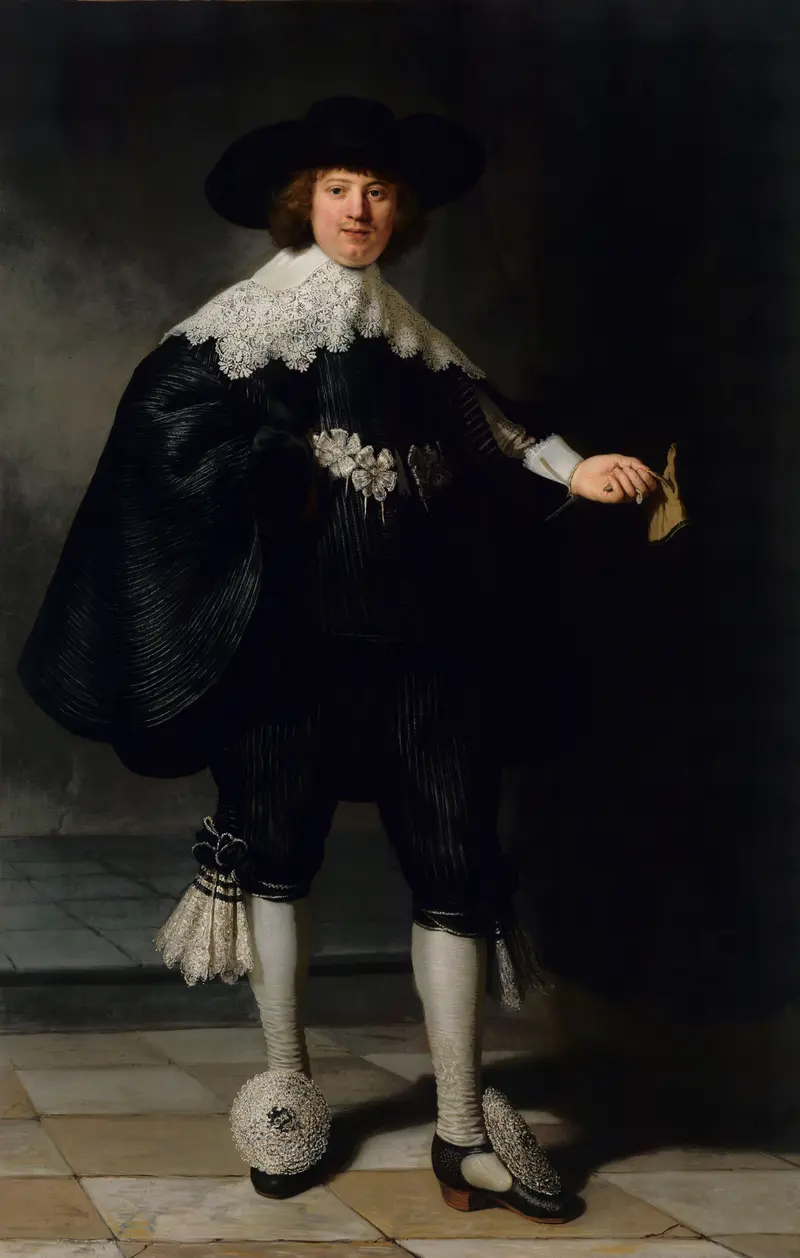
Portrait of Marten Soolmans
Rembrandt van Rijn
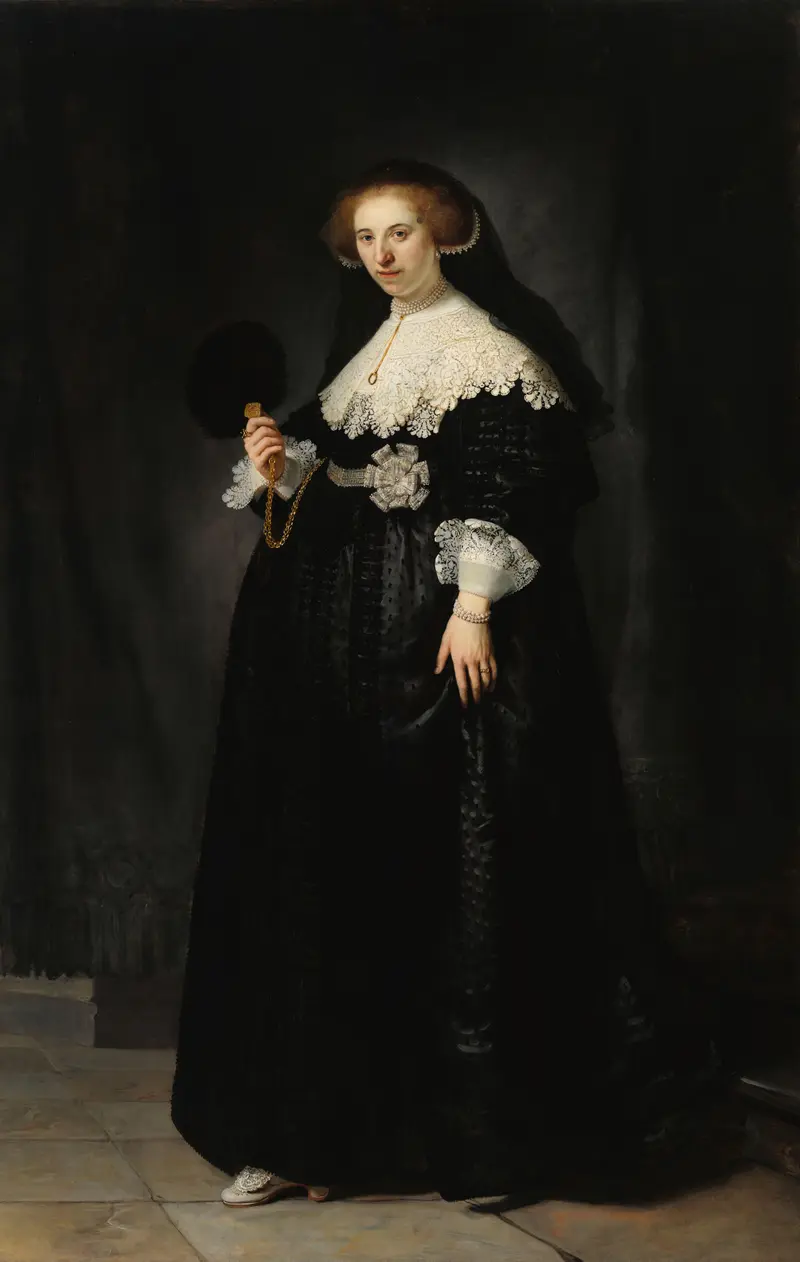
Portrait of Oopjen Coppit
Rembrandt van Rijn

The Prodigal Son in the Tavern
Rembrandt van Rijn
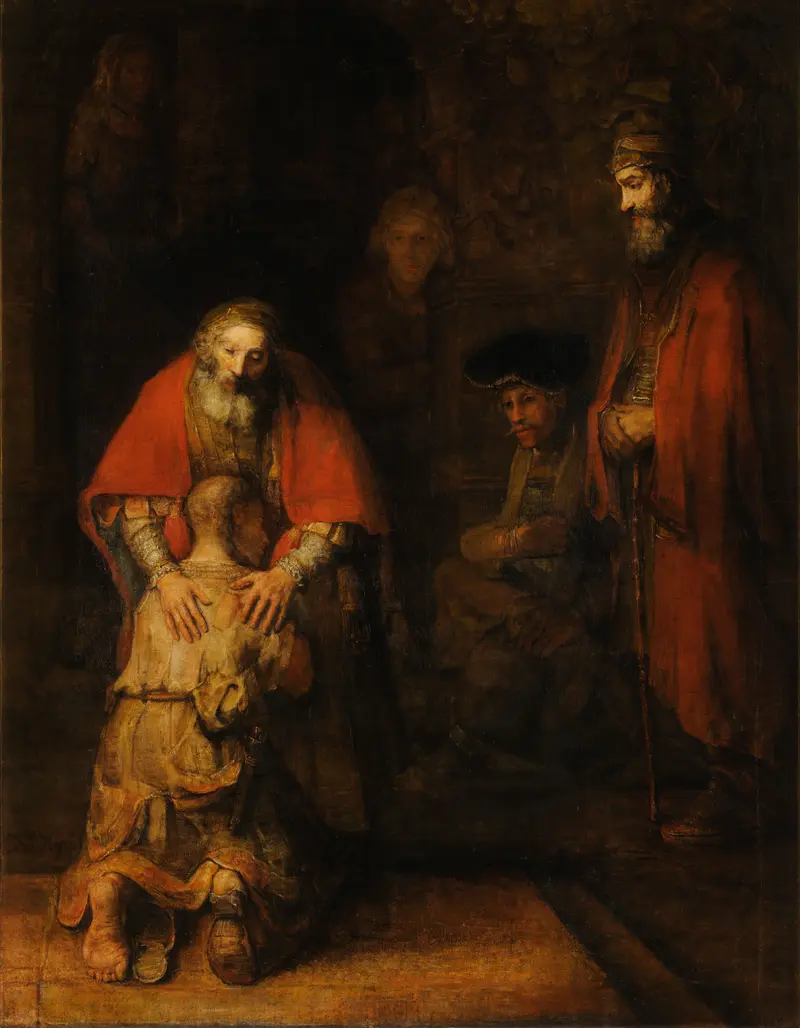
The Return of the Prodigal Son
Rembrandt van Rijn
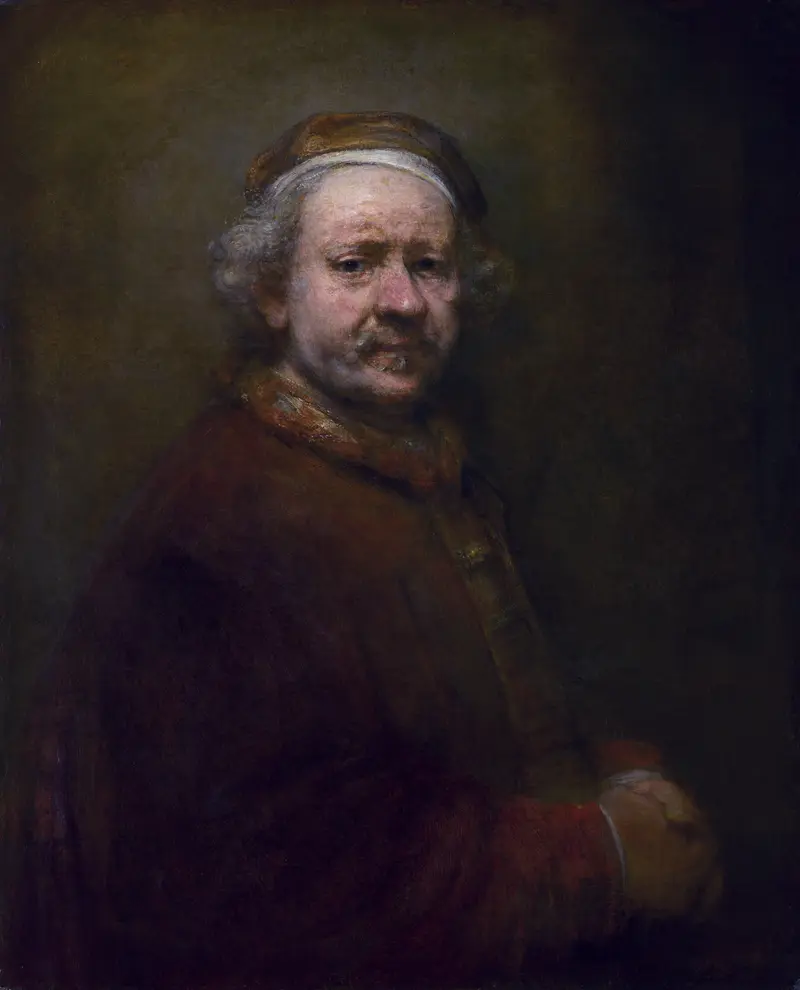
Self-Portrait at the Age of 63
Rembrandt van Rijn