
The Admiral — History & Facts
Did the painter know this moment would outlive them? Within a frame, a silent tension thrums, encapsulating the complexities of trust and betrayal upon the expansive waters. Look to the left, where a meticulously rendered ship stands proud, its sails taut against the wind. The naval craft, representing authority and ambition, contrasts starkly against the calm, shimmering waves that reflect an almost ethereal light. Notice the muted, earthy tones of the vessel juxtaposed with the vibrant blues of the sea and sky, creating a sense of both stability and impermanence.
The artist’s deft brushwork captures the play of light, lending a palpable weight to the clouds, hinting at an impending storm that threatens the tranquility of the scene. Beneath the serene surface lies a whisper of betrayal. The ship’s imposing presence could suggest the potential for conflict, inviting viewers to ponder the delicate balance of power and loyalty among those who traverse these waters. The stillness of the environment contrasts with the ominous possibility that lurks just beyond the horizon, suggesting that trust, once established, is as fragile as the waves that lap at the hull.
Each intricately painted detail speaks to the emotional weight carried by those who navigate such treacherous waters, evoking a sense of foreboding. Jan van de Cappelle produced The Admiral during the 17th century, a period marked by the rise of maritime dominance and the complexities of international relations. Working in Amsterdam, he was influenced by the flourishing Dutch Golden Age, a time of rich exploration and artistic innovation. This context imbued his paintings with both realism and a deeper commentary on the intricate interplay of human ambition and the natural world.
More Artworks by Jan van de Cappelle
Browse all →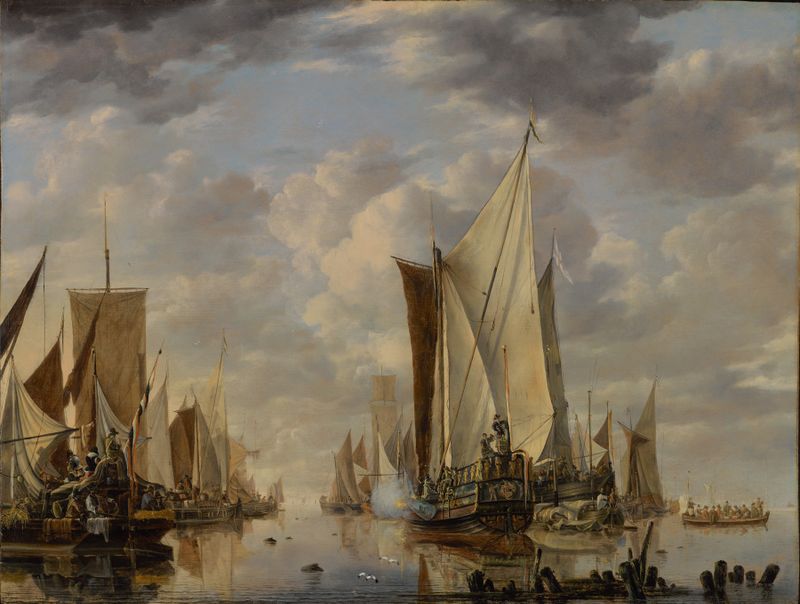
Shipping in a Calm at Flushing with a States General Yacht Firing a Salute
Jan van de Cappelle

Ships in a Calm
Jan van de Cappelle

The Home Fleet Saluting the State Barge
Jan van de Cappelle
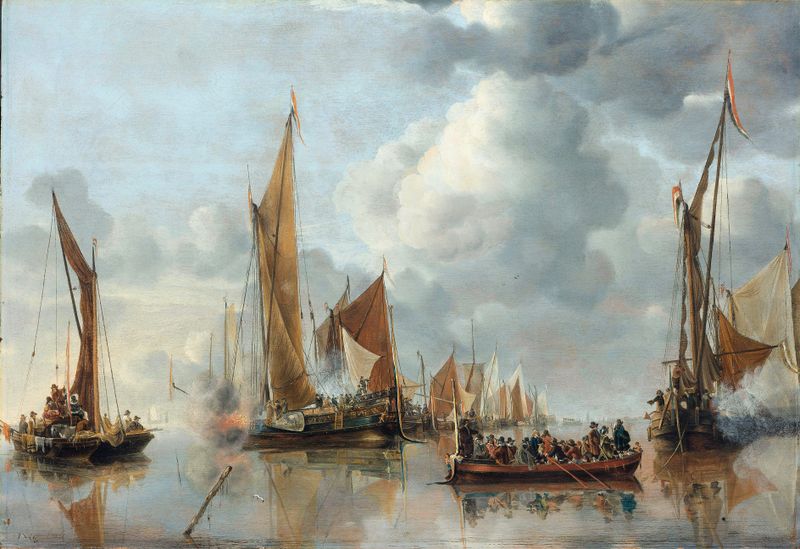
The Home Fleet Saluting the State Barge
Jan van de Cappelle
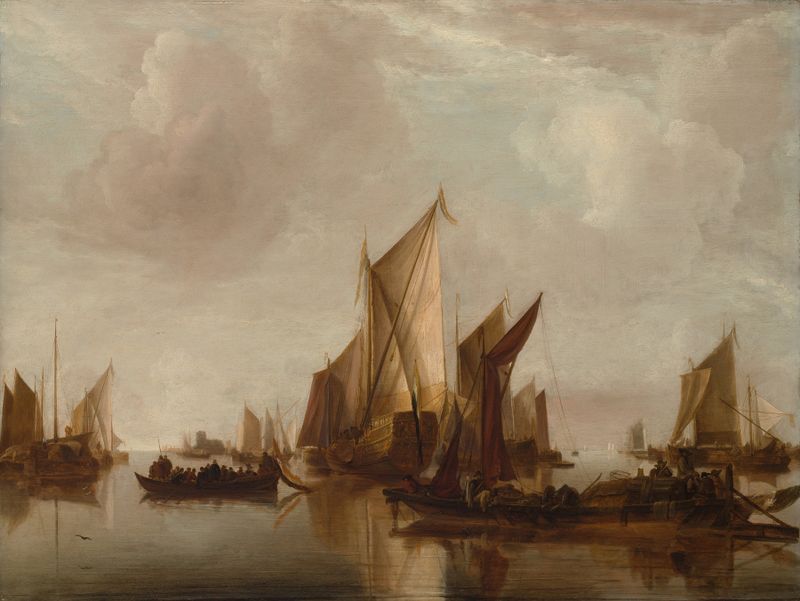
A State Yacht and Other Craft in Calm Water
Jan van de Cappelle
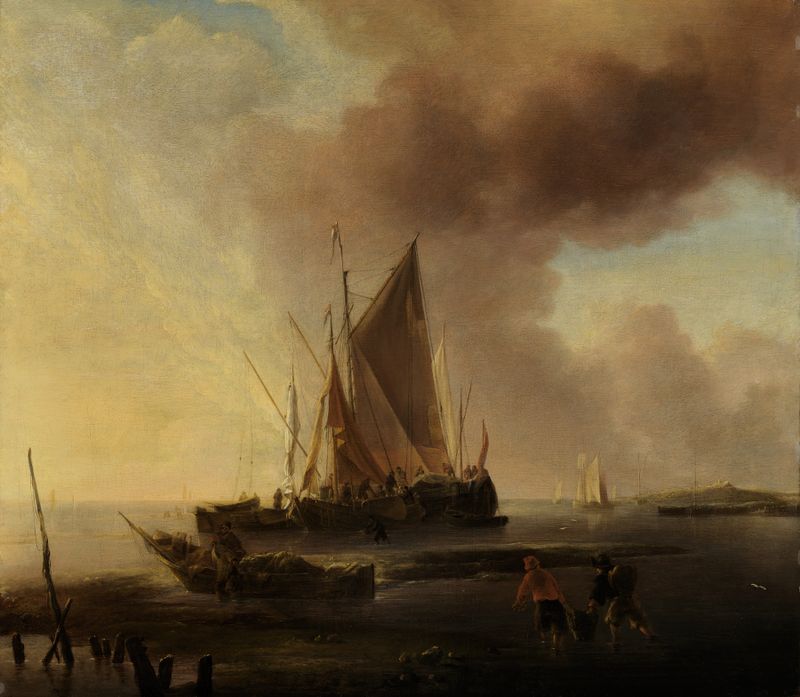
Fischerboote am Strand
Jan van de Cappelle
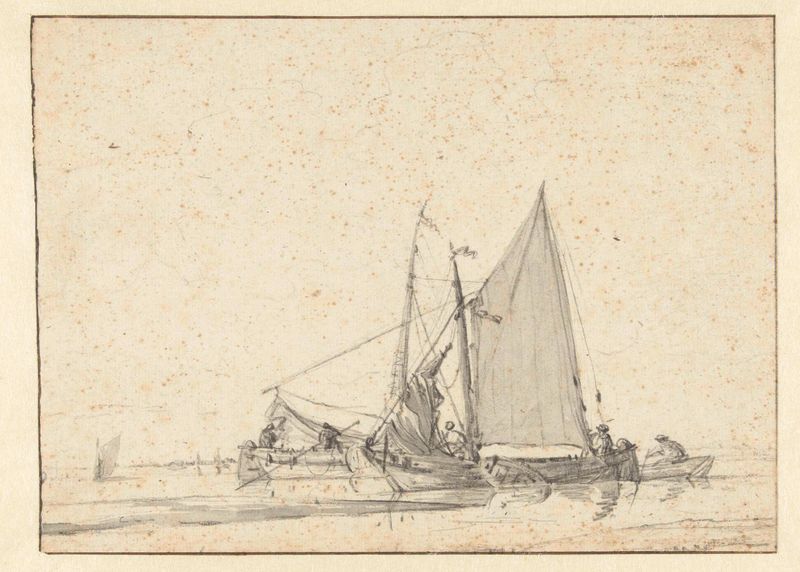
Twee schepen in stil water
Jan van de Cappelle
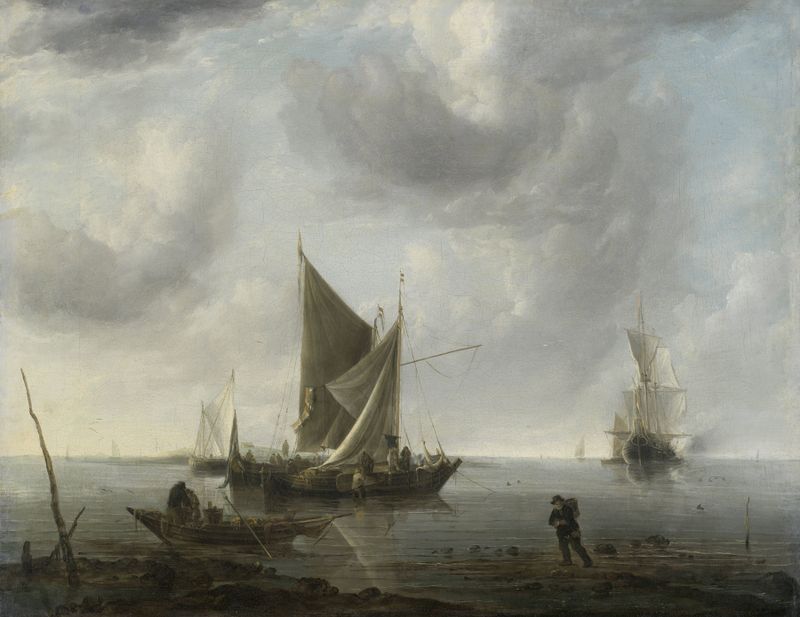
Ships at Anchor on a Quiet Sea
Jan van de Cappelle
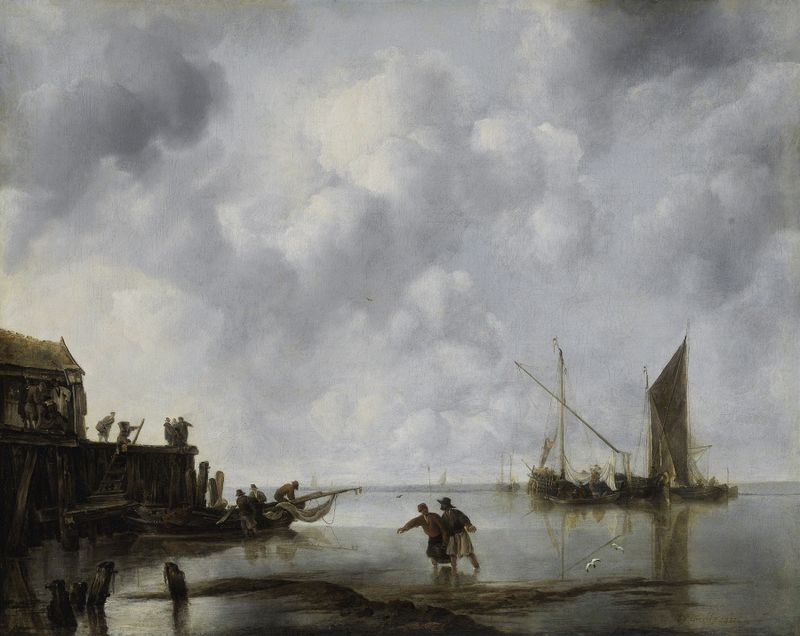
Fishing Boats in a Calm
Jan van de Cappelle

Winter Landscape With A Man Fixing A Sled At The Edge Of A Frozen River
Jan van de Cappelle





