
The Alameda of Mexico, taken from a balloon. — History & Facts
Is this a mirror — or a memory? Beneath the expansive sky, the lush greenery and vibrant hues seem to blur the line between reality and the longing that fills the heart with nostalgia. Look to the center where a ribbon of trees unfurls, guiding your gaze through the landscape. The artist has employed a delicate palette of greens and browns, creating a serene yet vivid representation of the Alameda, with its winding paths and dappled sunlight. The sweeping curves of the park contrast with the sharp, angular lines of the buildings in the background, effectively drawing the viewer into a dialogue between nature and urban life.
Notice how the gentle brushstrokes evoke a sense of movement, as if the scene itself is alive, whispering secrets carried by the breeze. Digging deeper, one finds hints of obsession in the meticulous detail of the foliage, suggesting a yearning to capture a fleeting moment. The juxtaposition of vibrant life against the stillness of the urban backdrop speaks to the tension between growth and stagnation, a reminder of impermanence. Each element feels like a fragment of a memory, resonating with emotional weight that transcends mere visual observation, inviting the viewer to reflect on their own connections to the landscape. In 1869, while working in Mexico City, the artist was navigating a burgeoning interest in aerial perspectives and the exploration of natural beauty amidst urbanization.
This period marked a fascination with innovation in both art and technology, where ballooning offered new vantage points, mirroring the underlying desire to rise above and capture life's fleeting moments. Amidst a rapidly changing world, this artwork encapsulates a profound appreciation for the connection between nature and memory.
More Artworks by C. Castro
Browse all →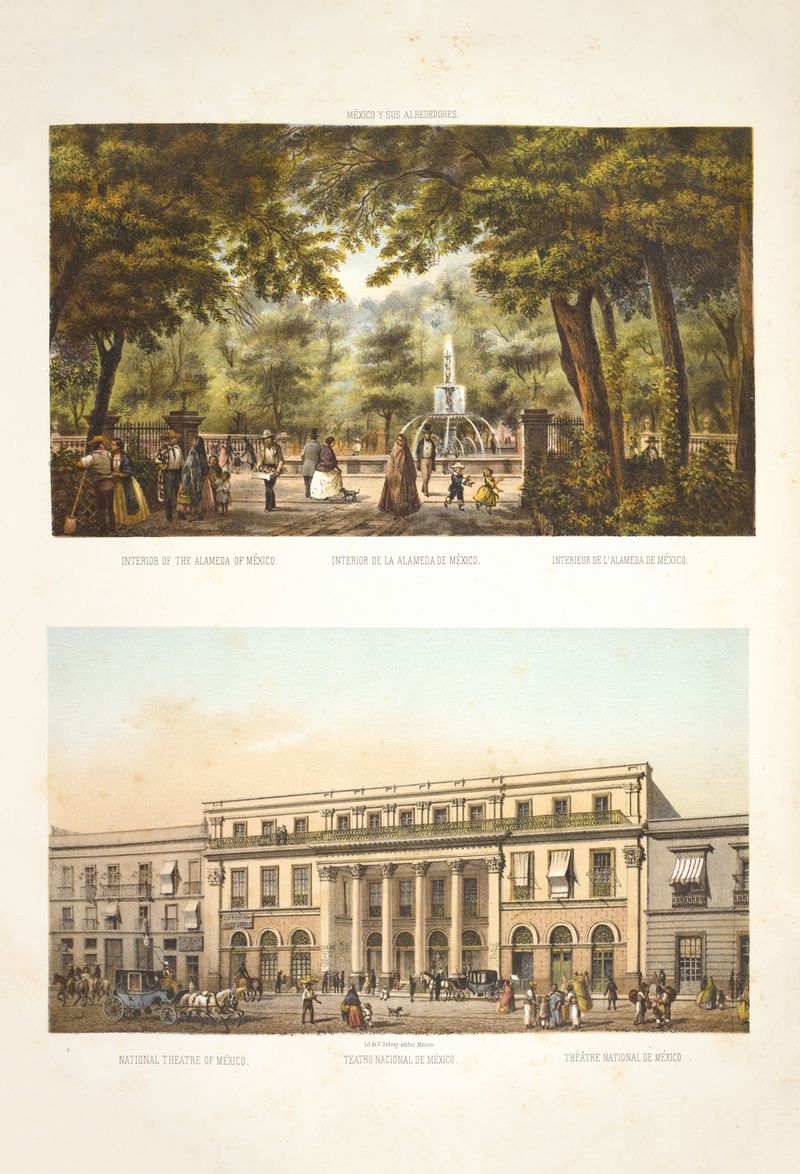
Interior of the Alameda of Mexico ; National Theatre of Mexico.
C. Castro
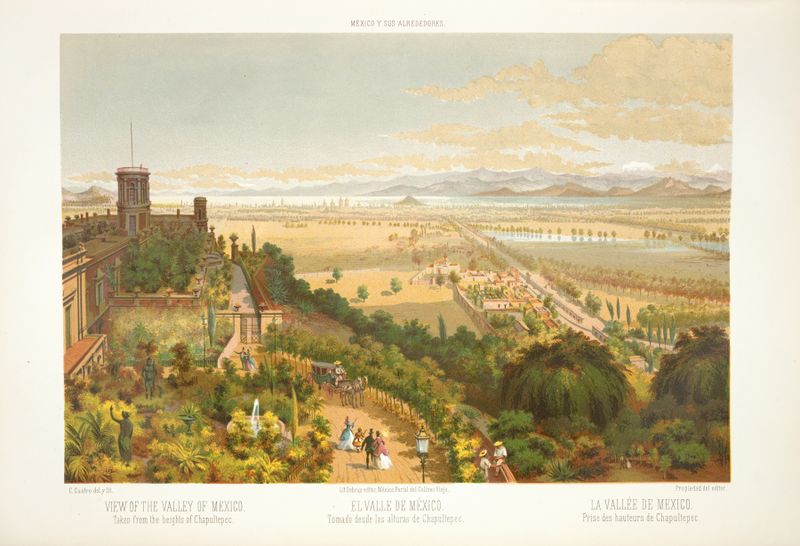
View of the Valley of Mexico, taken from the heights of Chapultepec.
C. Castro
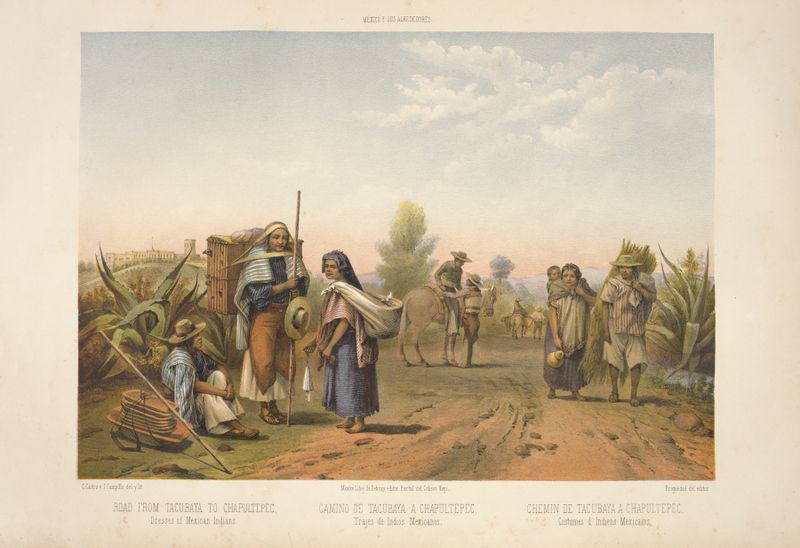
Road from Tacubaya to Chapultepec, dresses of Mexican Indians.
C. Castro
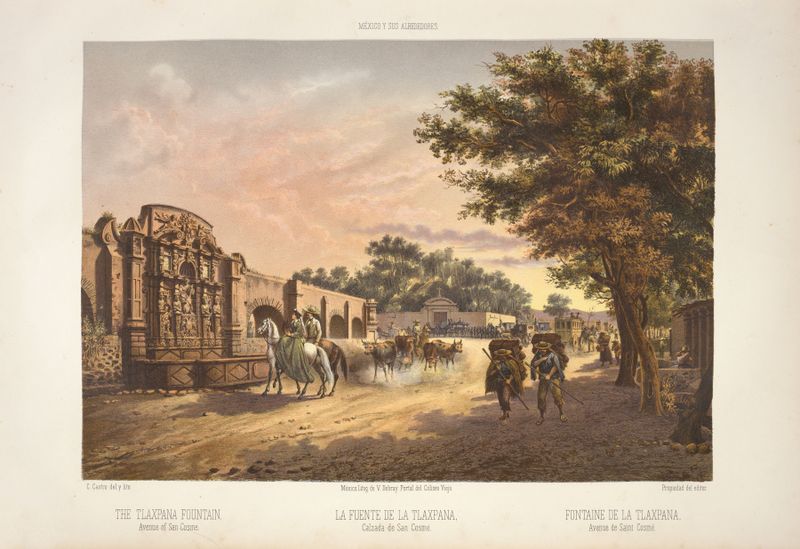
The Tlaxpana fountain, Avenue of San Cosme.
C. Castro
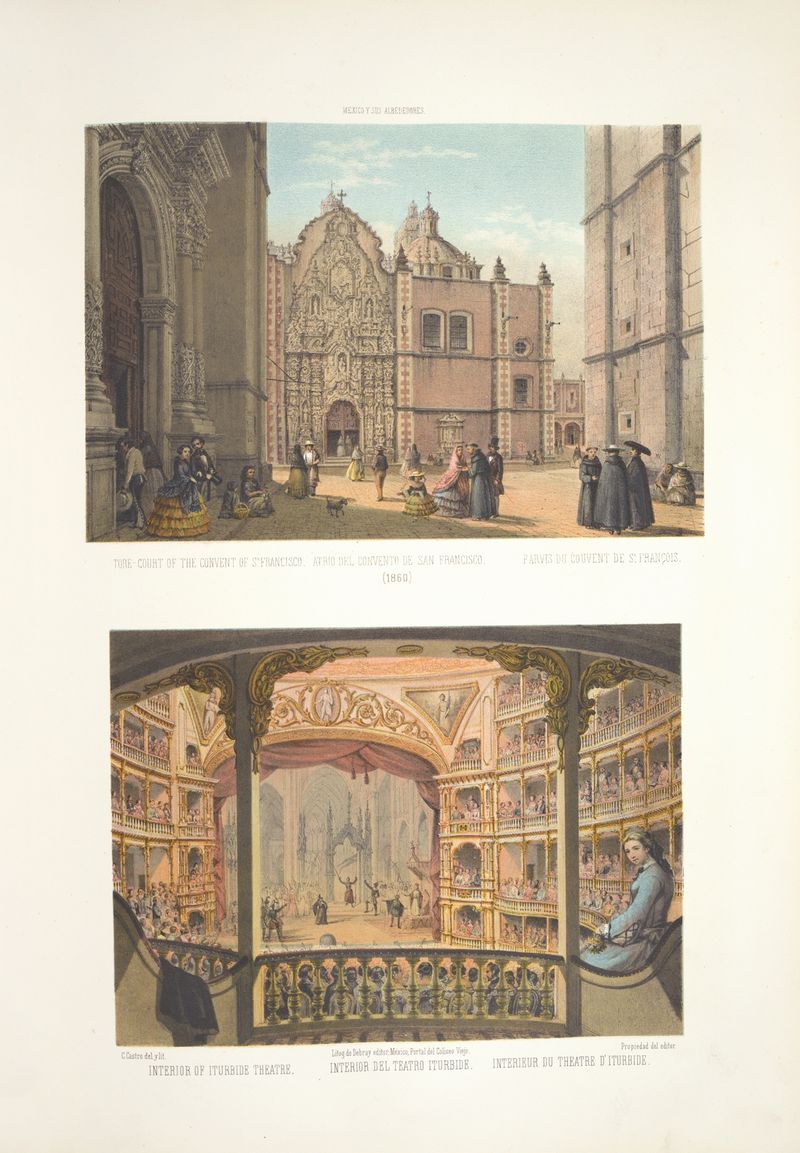
Tore-court of the convent of St. Francisco ; Interior del Teatro Iturbide
C. Castro
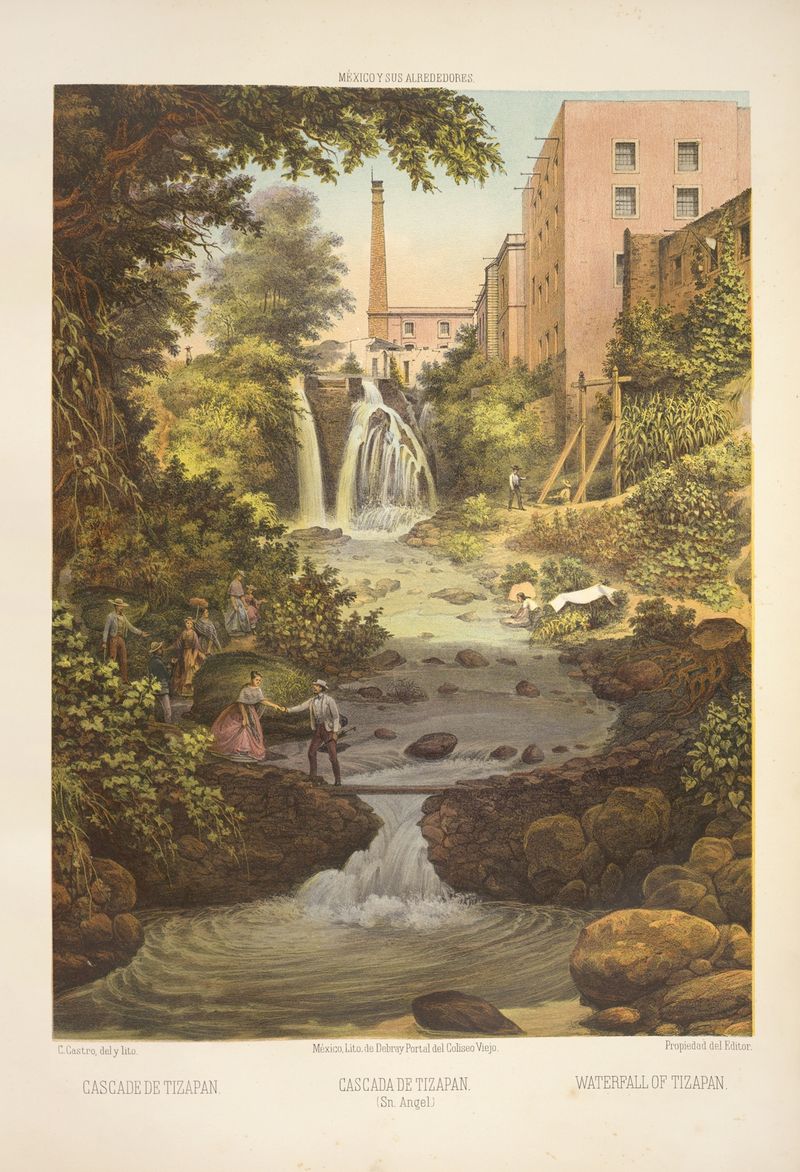
Waterfall of Tizapan
C. Castro
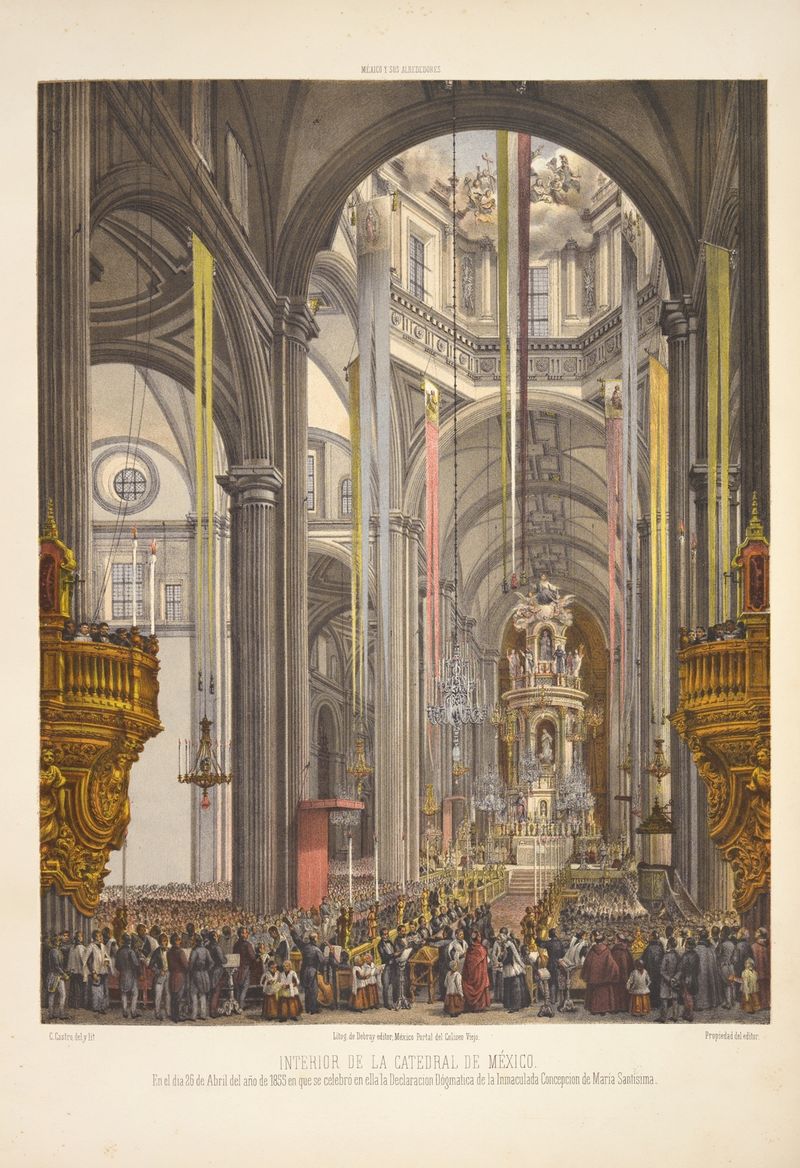
Interior de la Catedral de México. En el dia 26 de Abril del año de 1855 en que se celebró en ella la Declaracion Dógmatica de la Inmaculada Concepcion de María Santisima.
C. Castro
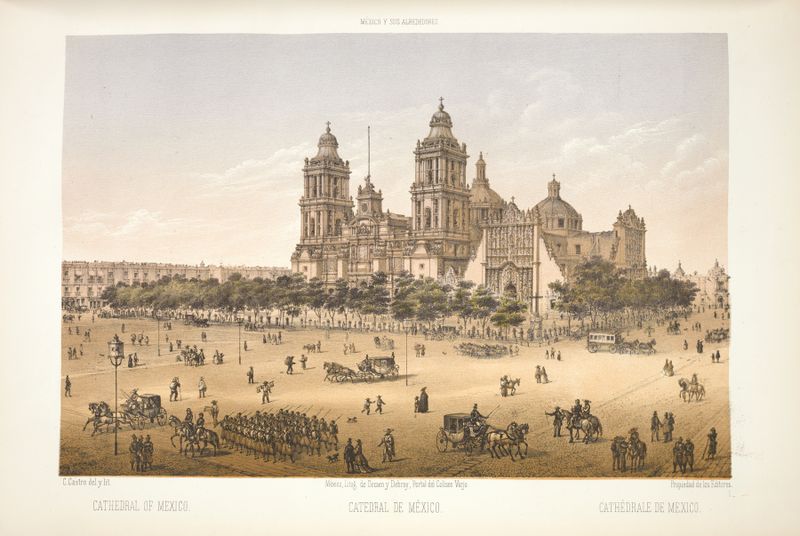
Cathedral of Mexico.
C. Castro
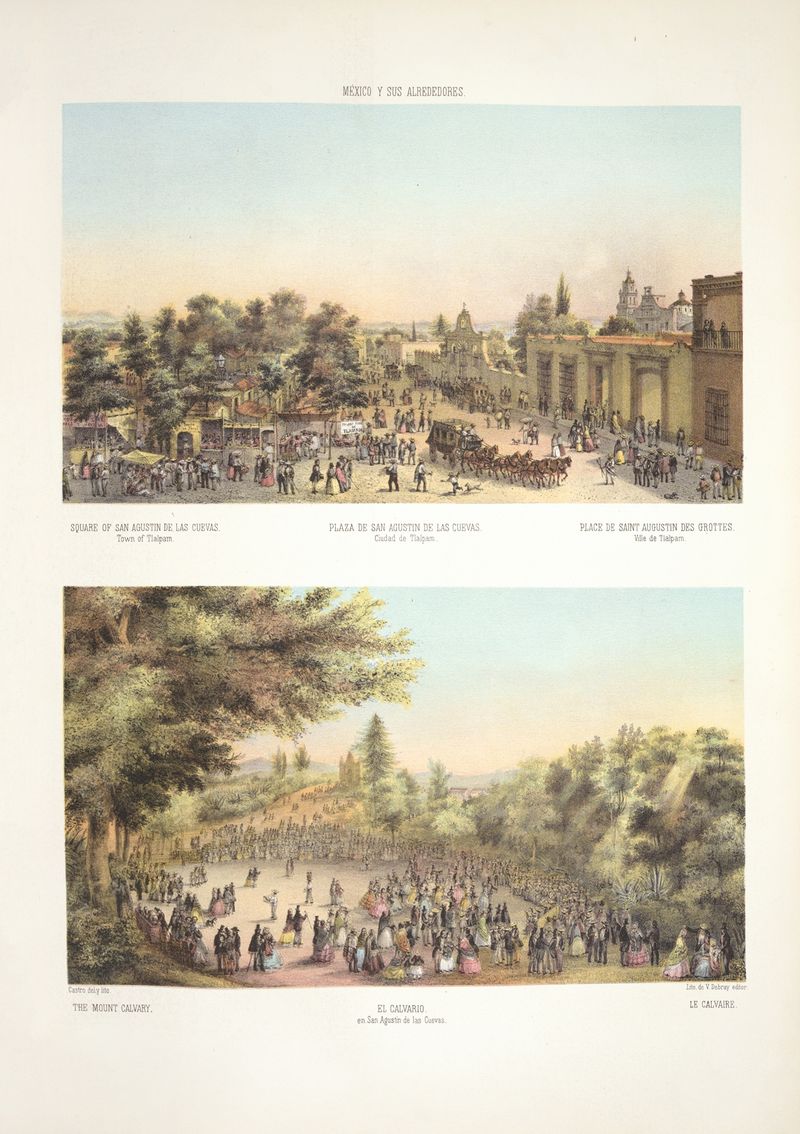
Square of San Agustin de las Cuevas, town of Tlalpam ; The Mount Calvary.
C. Castro
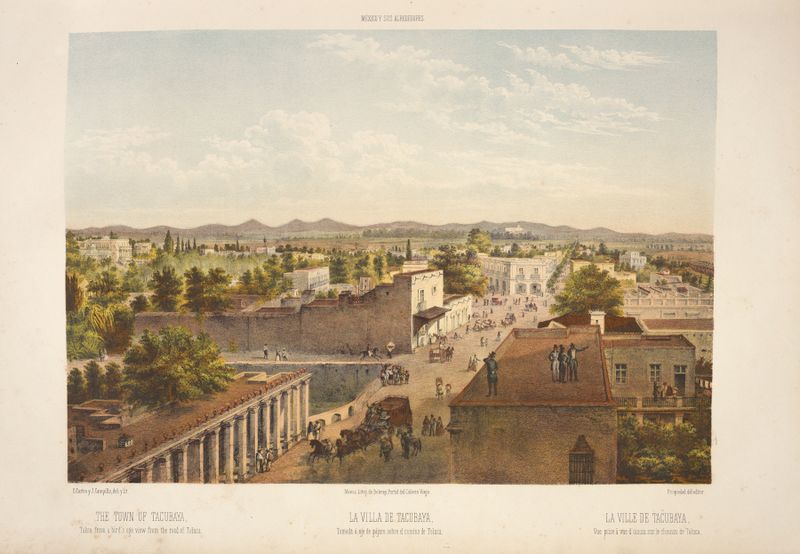
The town of Tacubaya, taken from a bird’s-eye view from the road of Toluca.
C. Castro





