Interior of the Alameda of Mexico ; National Theatre of Mexico. — History & Facts
In the quiet corridors of the heart, art reveals profound truths that often linger just beyond our grasp, waiting for revelation. Focus your gaze on the balanced harmony of elements within the artwork. The lush greenery spills from the foreground, enveloping the viewer in a sanctuary of life. Look to the left at the elegantly adorned figures, their garments swirling with vibrant hues, a testament to the artist's mastery of color and fabric.
Notice how the light dances across their faces, capturing fleeting expressions that speak of both joy and contemplation, inviting you to share in their moment. Delve deeper into the layers of meaning woven throughout the piece. The juxtaposition of the serene landscape against the bustling activity hints at a deeper narrative: the coexistence of beauty and chaos in everyday life. The rounded forms of the trees, suggestive of nature’s embrace, contrast sharply with the rigid architecture of the National Theatre, symbolizing the tension between the organic and the constructed, the heartfelt and the performative.
Each detail, from the gentle brushwork to the rhythmic composition, unveils an emotional tapestry that resonates with the viewer long after they step away. In 1869, Castro painted this piece during a time of cultural renaissance in Mexico, as the nation sought to define its identity post-independence. The artist was deeply engaged with the vibrant artistic circles of Mexico City, where European influences mingled with indigenous themes, reflecting a nation in transformation. This work stands as a testament to that period, capturing both the spirit of renewal and the longing for connection with the past.
More Artworks by C. Castro
Browse all →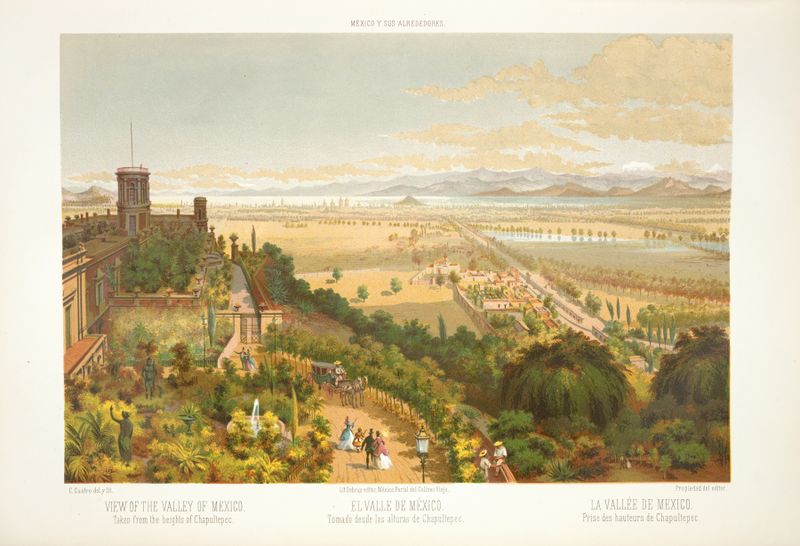
View of the Valley of Mexico, taken from the heights of Chapultepec.
C. Castro
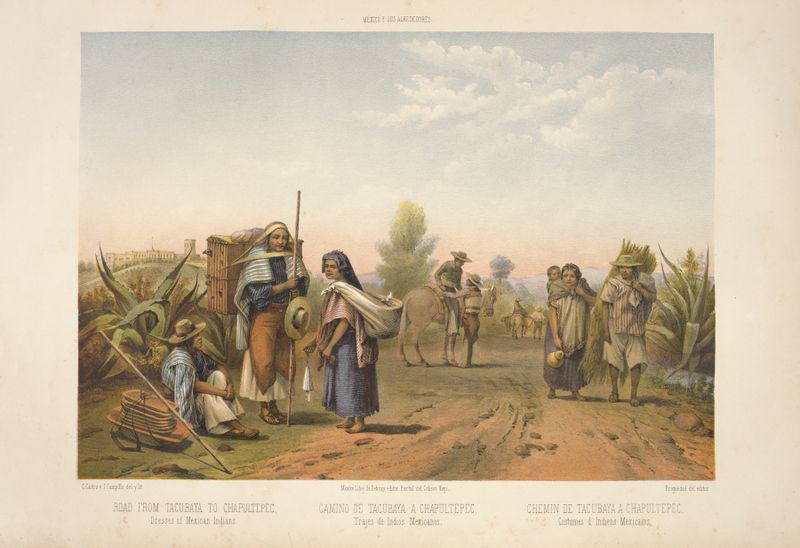
Road from Tacubaya to Chapultepec, dresses of Mexican Indians.
C. Castro
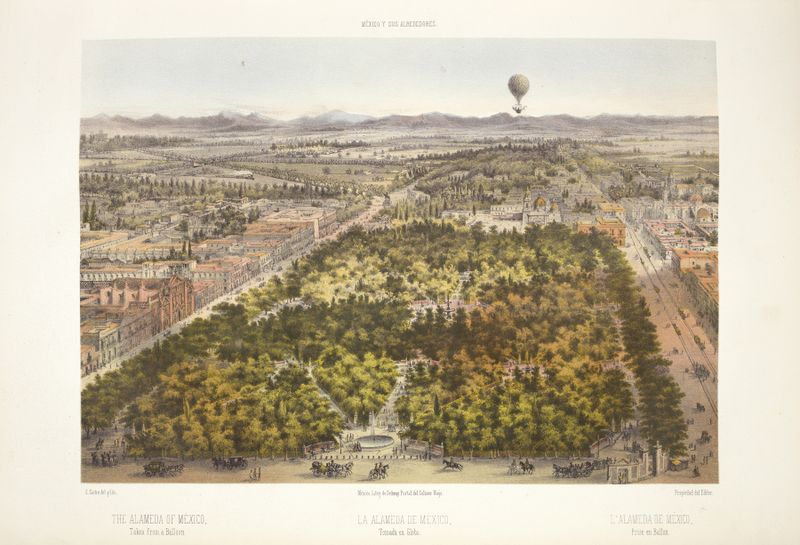
The Alameda of Mexico, taken from a balloon.
C. Castro
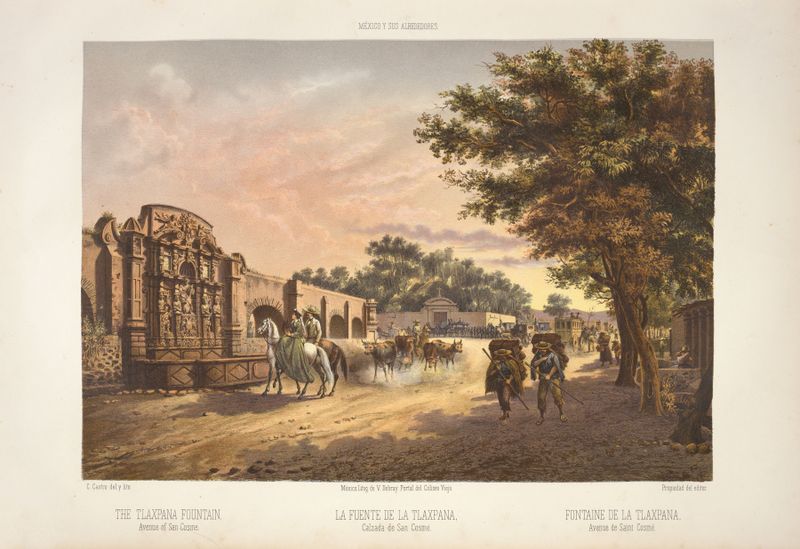
The Tlaxpana fountain, Avenue of San Cosme.
C. Castro
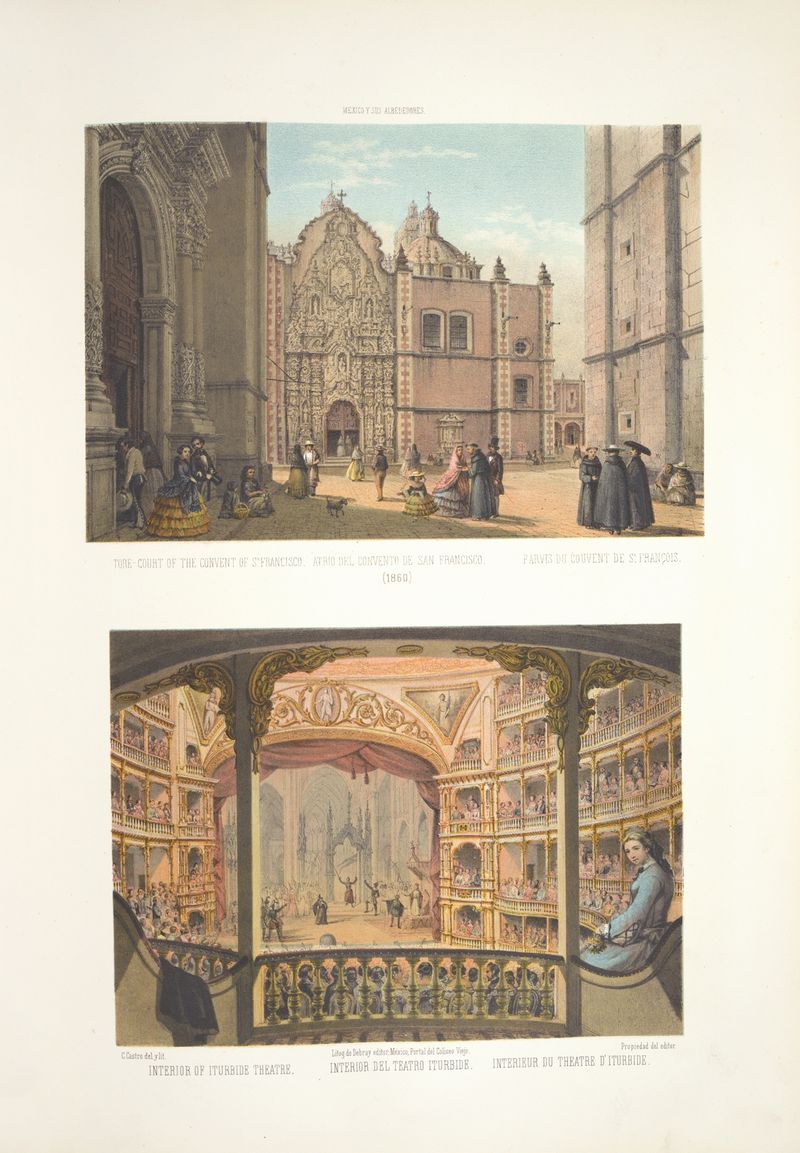
Tore-court of the convent of St. Francisco ; Interior del Teatro Iturbide
C. Castro
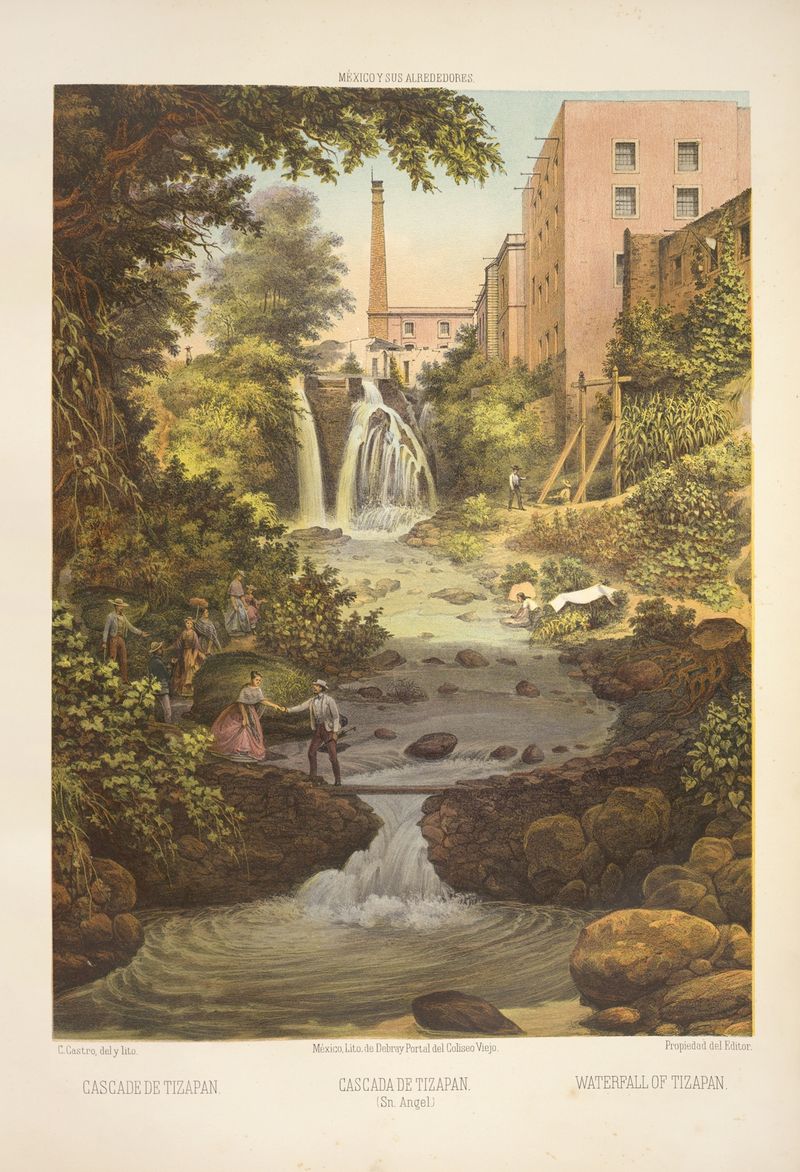
Waterfall of Tizapan
C. Castro
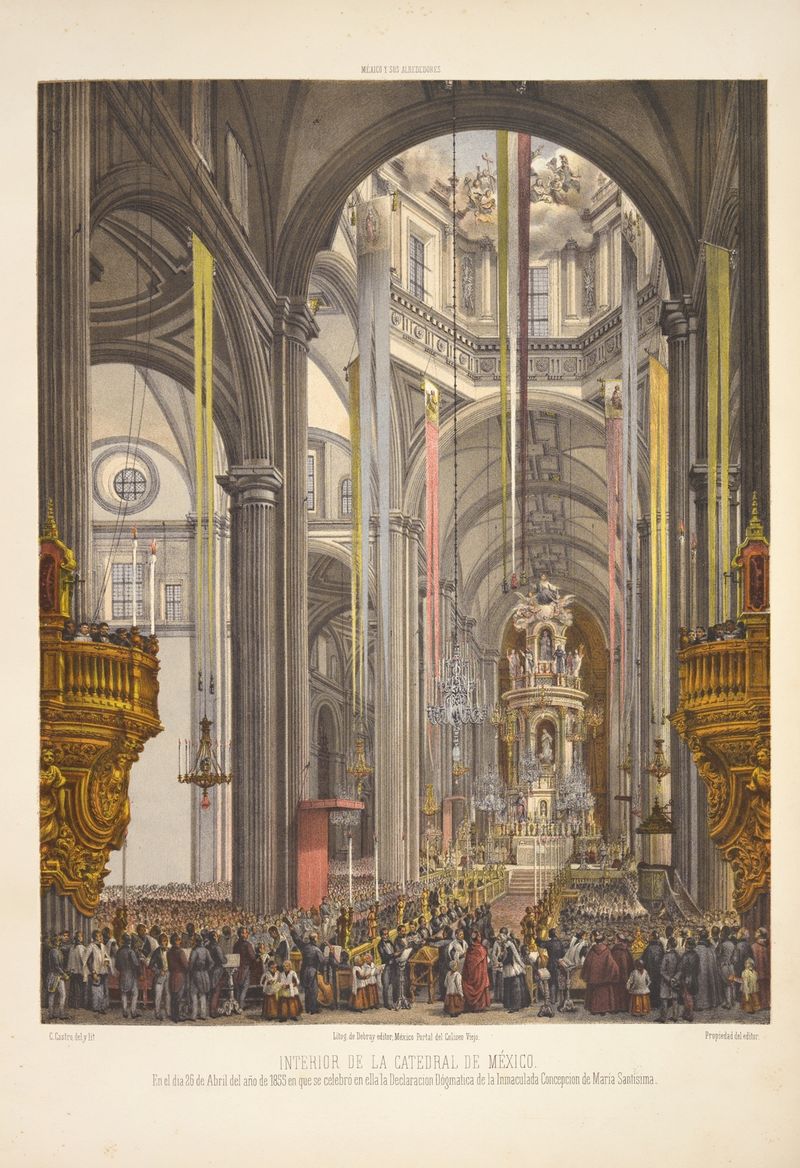
Interior de la Catedral de México. En el dia 26 de Abril del año de 1855 en que se celebró en ella la Declaracion Dógmatica de la Inmaculada Concepcion de María Santisima.
C. Castro
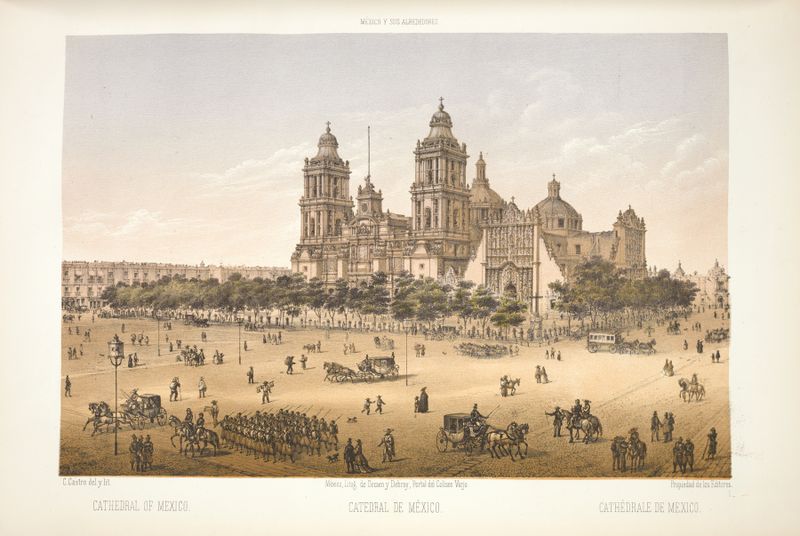
Cathedral of Mexico.
C. Castro
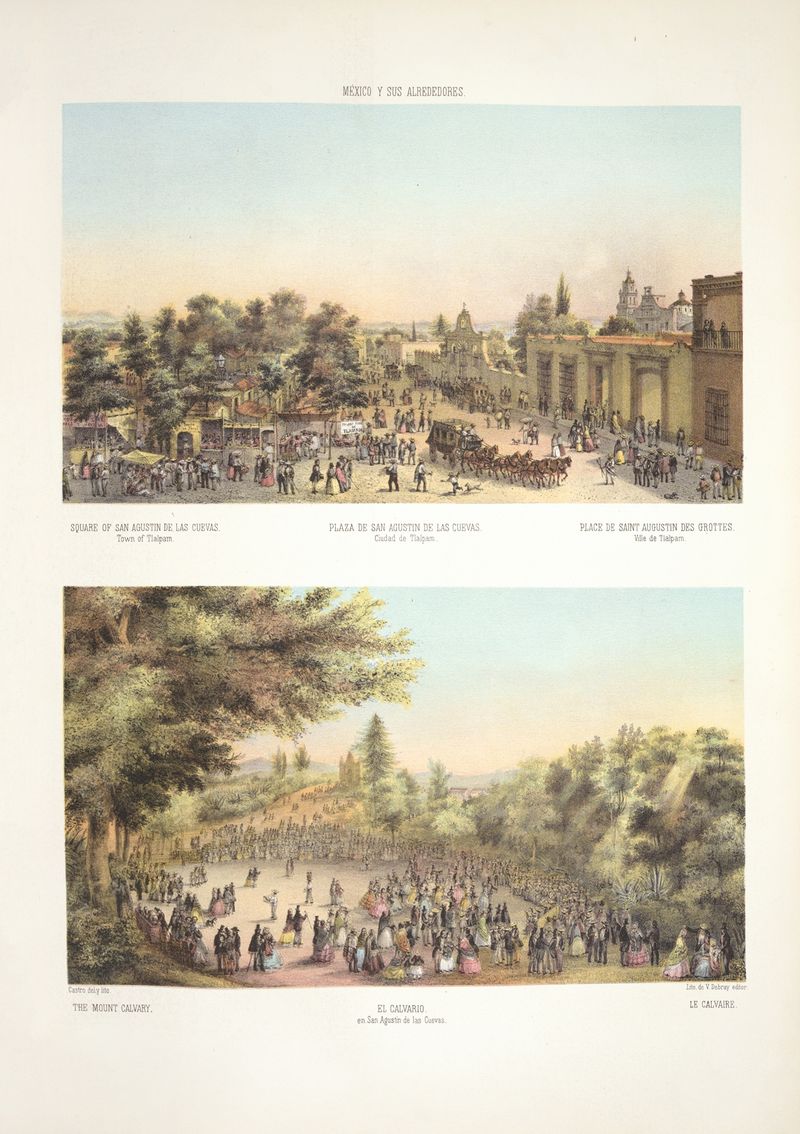
Square of San Agustin de las Cuevas, town of Tlalpam ; The Mount Calvary.
C. Castro
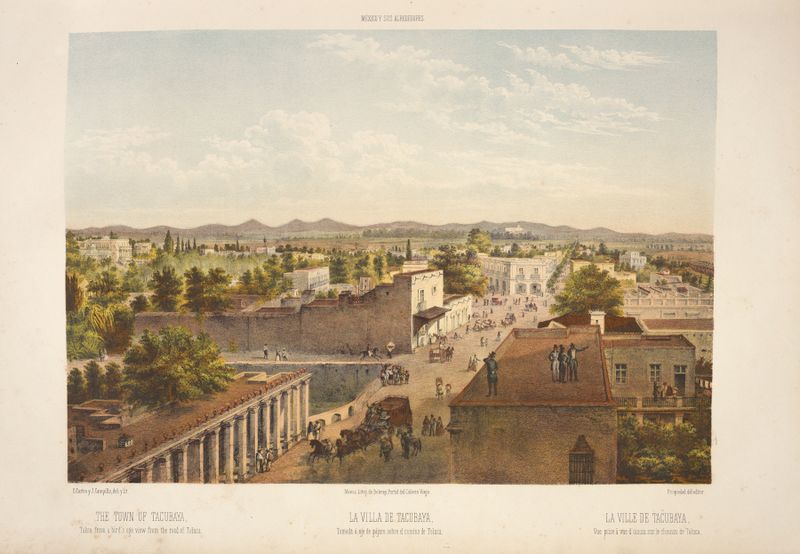
The town of Tacubaya, taken from a bird’s-eye view from the road of Toluca.
C. Castro