
Waterfall of Tizapan — History & Facts
Who listens when art speaks of silence? In Waterfall of Tizapan, the canvas becomes a vessel of obsession, a dialogue between nature’s exuberance and the quietude of the human experience. Begin your exploration by gazing at the cascading waterfall that dominates the left side of the composition. Notice how the water glimmers under a play of light, with shades of blue and white that dance in harmony. The lush greenery envelops the scene, with strokes of deep green contrasting against the luminous flow, drawing your eye toward the heart of the painting.
In the distance, the soft horizon beckons, inviting a contemplation of the landscape’s serene wilderness, where chaos and tranquility coexist. Delve deeper, and you’ll discover subtle layers of meaning woven into the work. The relentless rush of water symbolizes the passage of time, while the surrounding foliage hints at the inevitable decay and renewal of life. This tension between the vibrant waterfall and the stillness of the forest whispers of a world caught between obsession and surrender, as if the artist is urging us to listen to the silent stories that nature tells.
The interplay of vibrant colors adds emotional depth, suggesting a longing for connection or perhaps a search for solace. In 1869, C. Castro painted this work during a period marked by an increasing fascination with the natural world in art. Living in Mexico, he was influenced by the Romantic movement, which emphasized emotion and individual experience.
This piece reflects his exploration of the Mexican landscape, capturing the essence of a country rich in beauty and complexity just as the art world began to embrace new techniques and themes.
More Artworks by C. Castro
Browse all →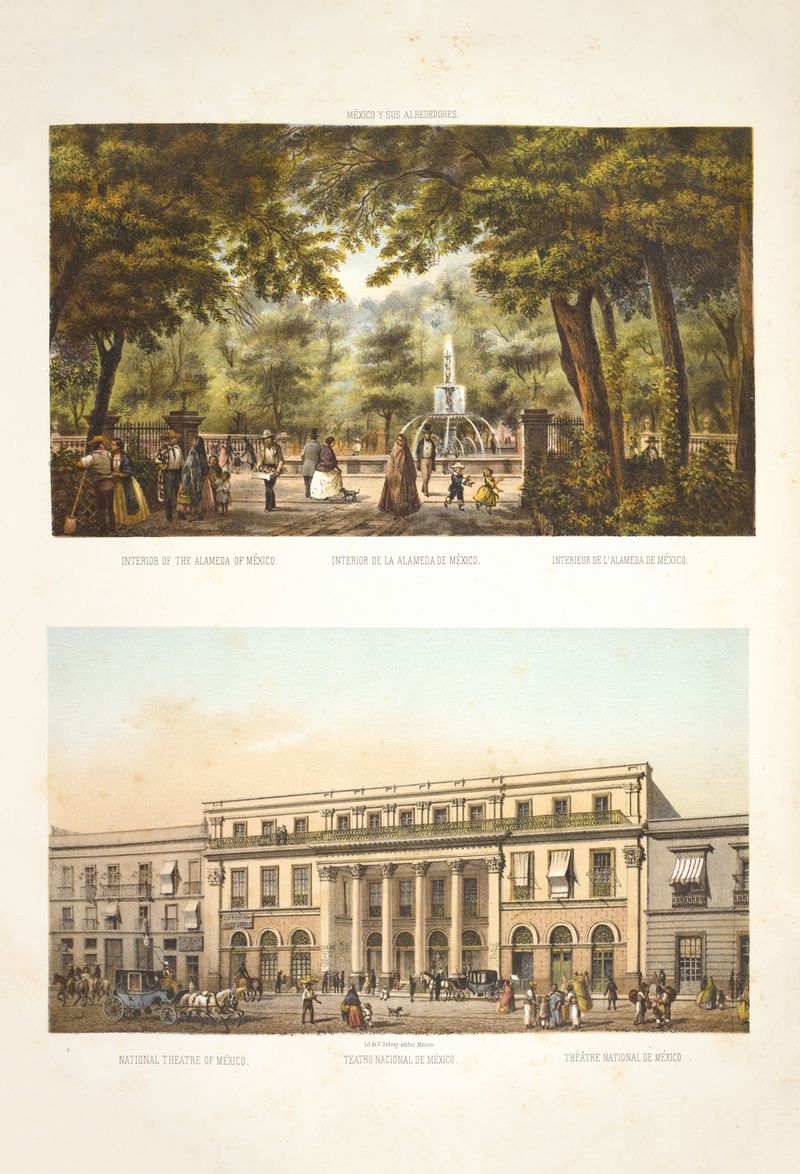
Interior of the Alameda of Mexico ; National Theatre of Mexico.
C. Castro
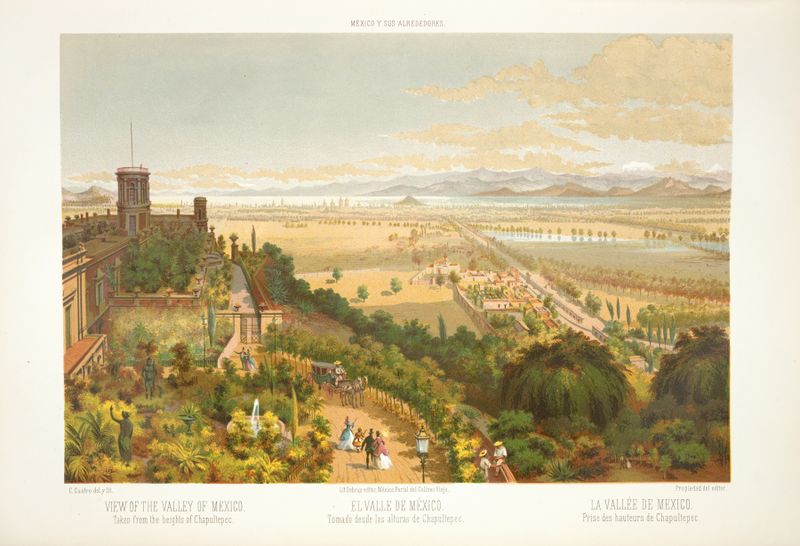
View of the Valley of Mexico, taken from the heights of Chapultepec.
C. Castro
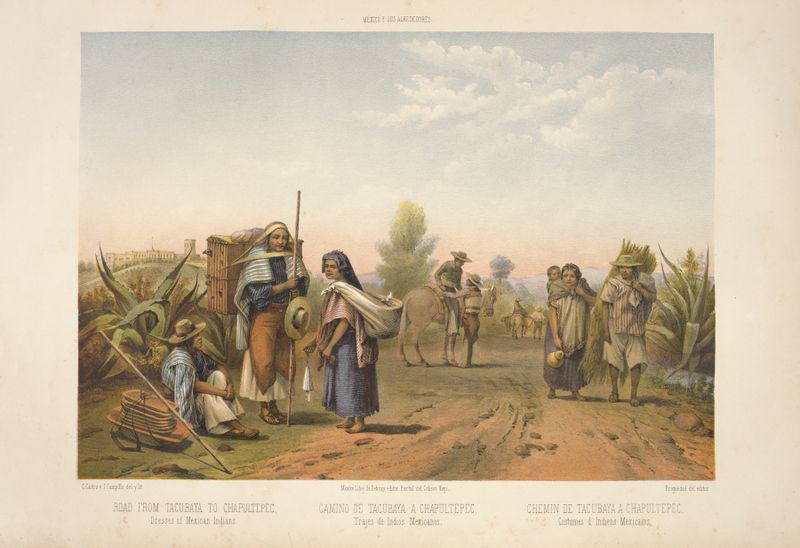
Road from Tacubaya to Chapultepec, dresses of Mexican Indians.
C. Castro
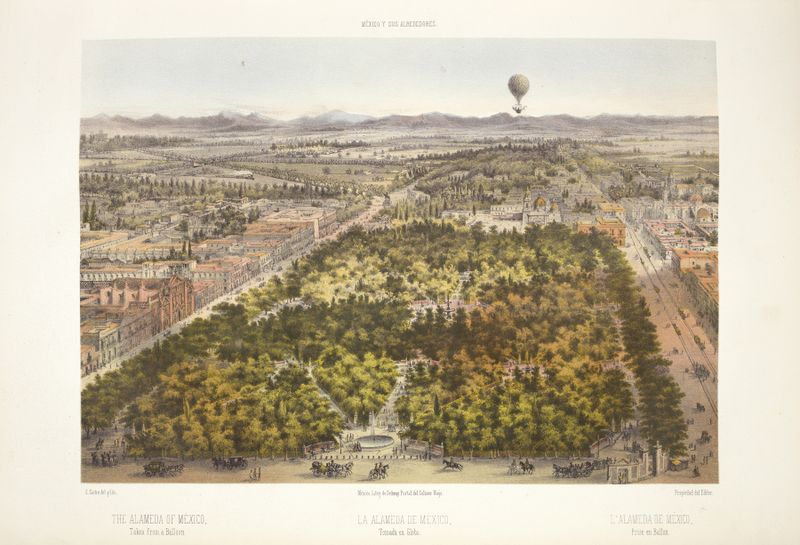
The Alameda of Mexico, taken from a balloon.
C. Castro
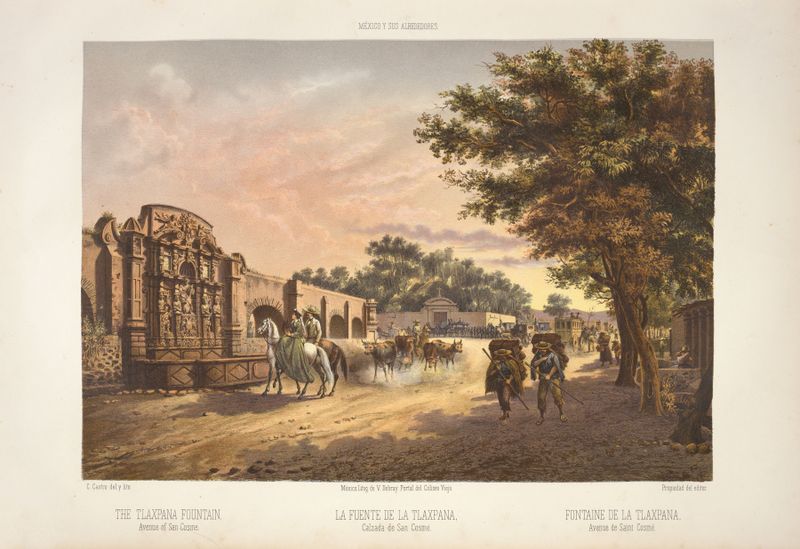
The Tlaxpana fountain, Avenue of San Cosme.
C. Castro
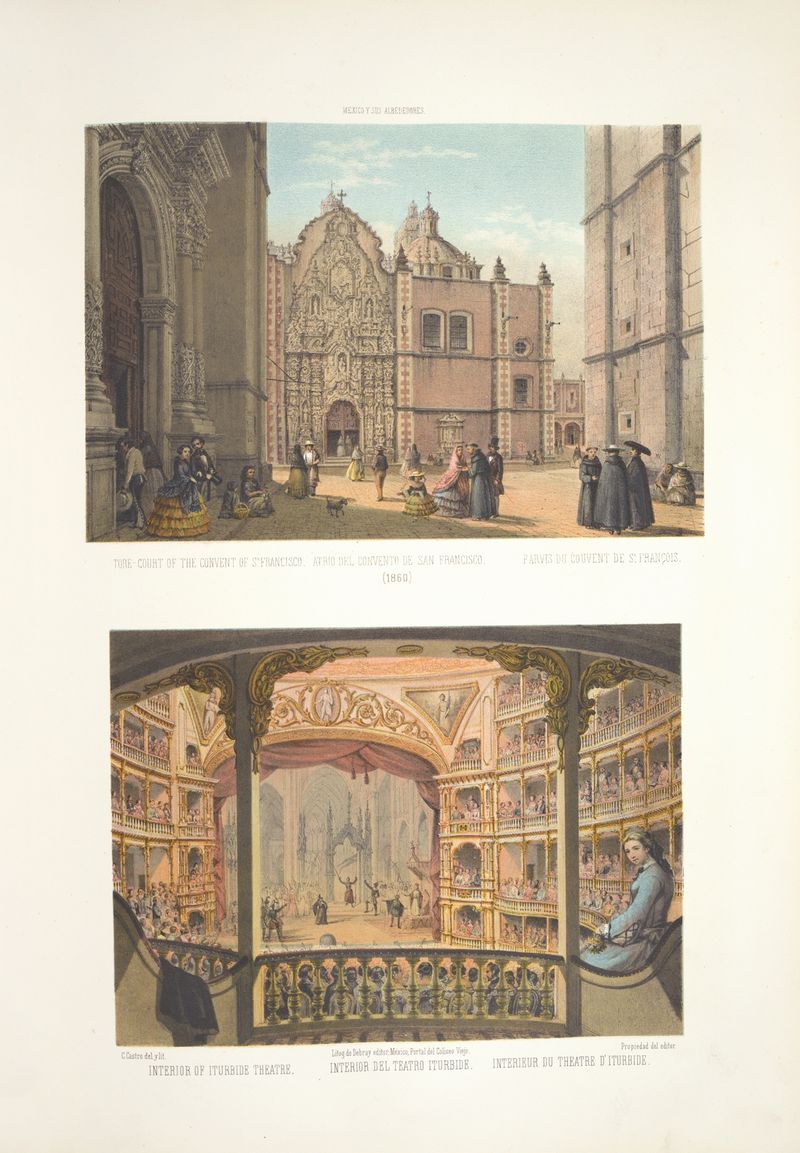
Tore-court of the convent of St. Francisco ; Interior del Teatro Iturbide
C. Castro
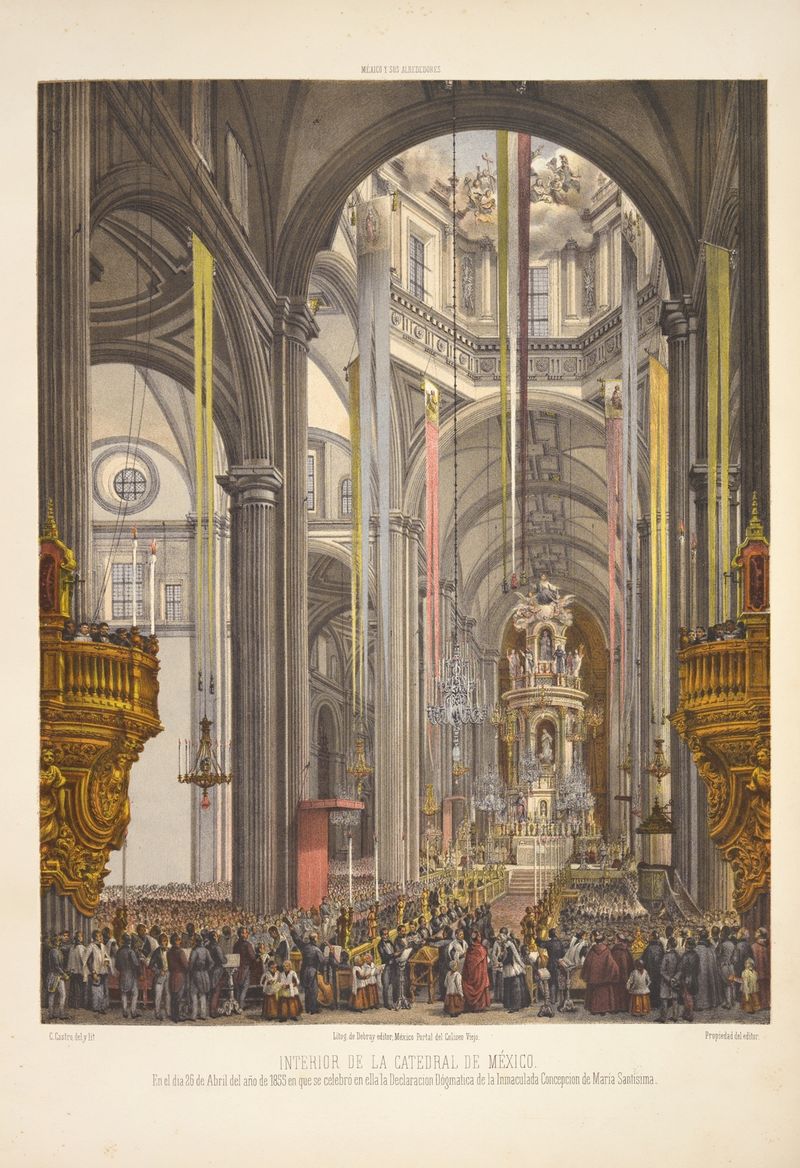
Interior de la Catedral de México. En el dia 26 de Abril del año de 1855 en que se celebró en ella la Declaracion Dógmatica de la Inmaculada Concepcion de María Santisima.
C. Castro
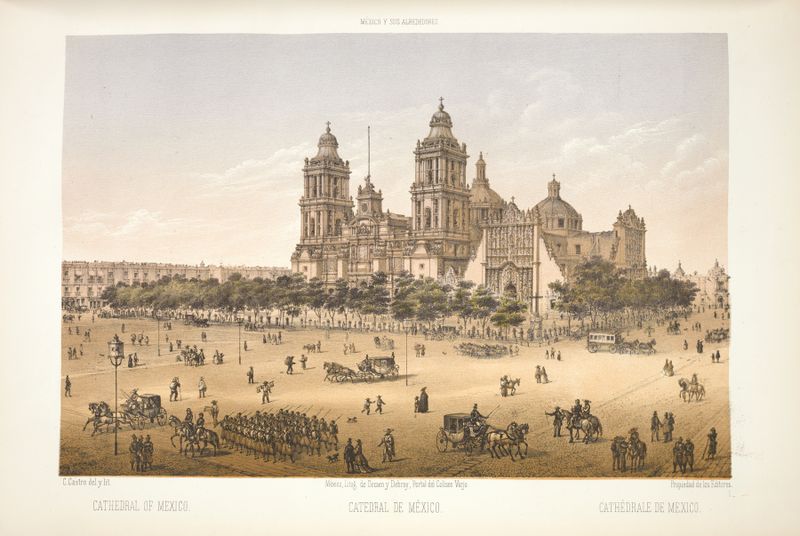
Cathedral of Mexico.
C. Castro
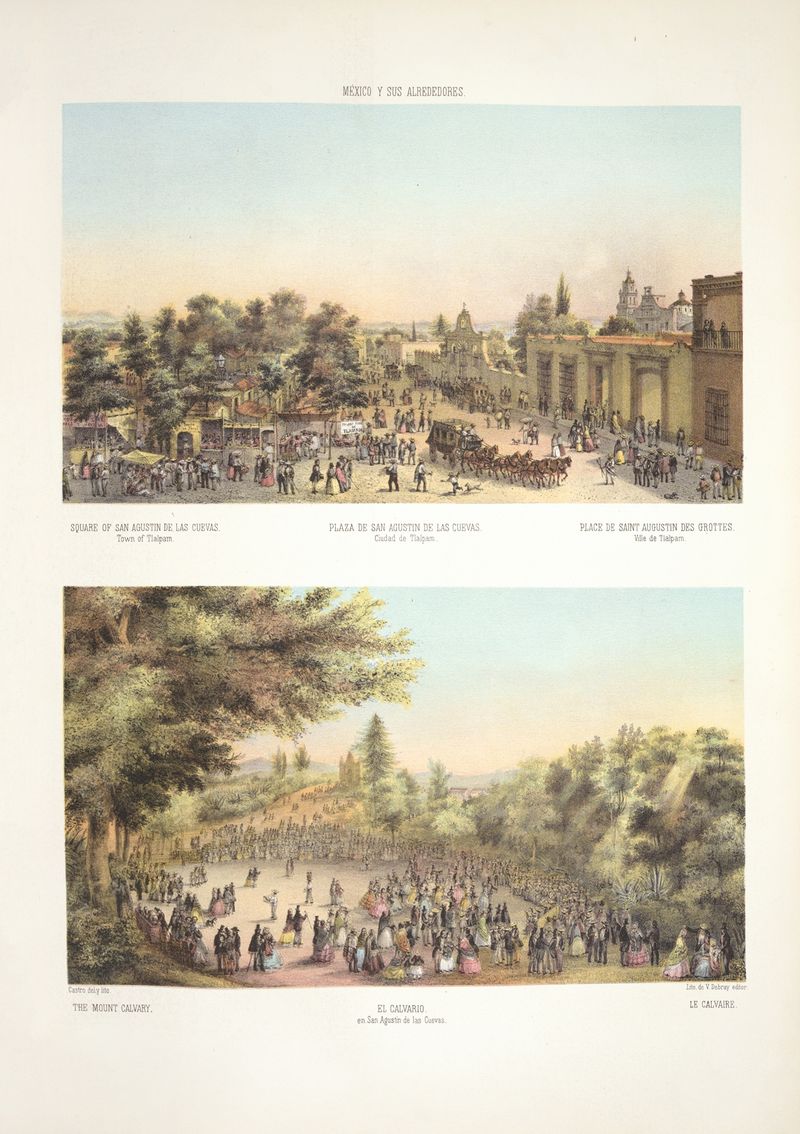
Square of San Agustin de las Cuevas, town of Tlalpam ; The Mount Calvary.
C. Castro
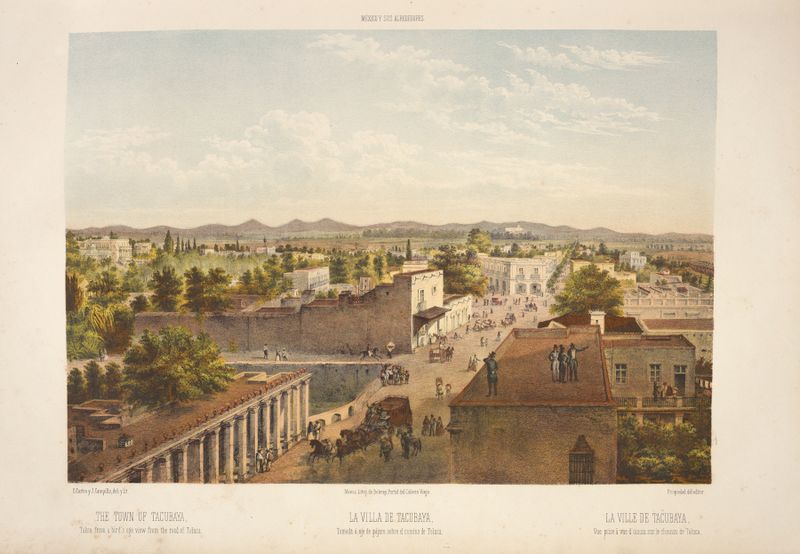
The town of Tacubaya, taken from a bird’s-eye view from the road of Toluca.
C. Castro





