
The Tlaxpana fountain, Avenue of San Cosme. — History & Facts
What if silence could speak through light? In the stillness of The Tlaxpana fountain, Avenue of San Cosme, beauty rises from gentle ripples, as if the very essence of tranquility has manifested. Look to the center, where the fountain, with its intricate carvings, draws the eye immediately. The delicate play of sunlight dances across the water’s surface, creating glimmers that reflect the surrounding greenery. Notice how the soft palette of blues and greens contrasts with the warm earth tones of the pathways, inviting one to explore the serenity of the scene.
The artist’s meticulous brushwork captures not just the structure but the very atmosphere of the space, making it feel alive. In this composition, there is a profound stillness that belies the bustling city outside its frame. The juxtaposition of the fountain's vibrant life against the muted background suggests a sanctuary amidst chaos. Perhaps it speaks to the importance of beauty as a retreat from everyday strife or the fleeting nature of peaceful moments captured within the passage of time.
Each drop that falls, now immortalized, hints at the transience of joy and the need for solace in an increasingly frantic world. C. Castro painted this work in 1869, during a period when Mexico was undergoing tremendous social and political change. Living in a time of modernization, Castro sought to emphasize beauty in everyday life, capturing the essence of places that provided respite from the upheaval around him.
His art reflects a desire to preserve moments of peace, making this work a poignant reminder of the era's complexities.
More Artworks by C. Castro
Browse all →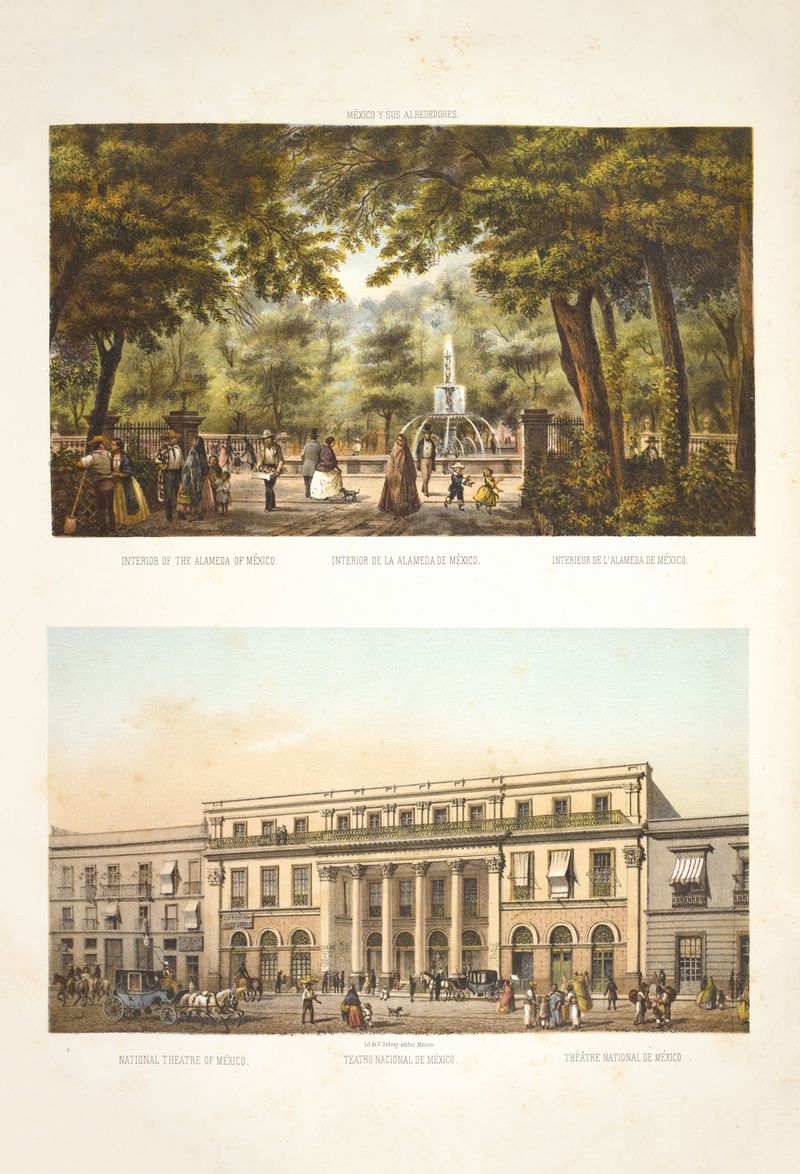
Interior of the Alameda of Mexico ; National Theatre of Mexico.
C. Castro
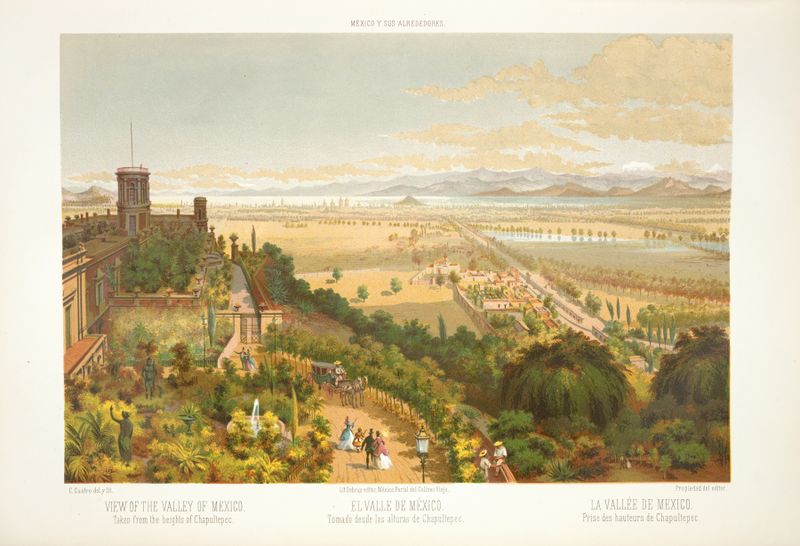
View of the Valley of Mexico, taken from the heights of Chapultepec.
C. Castro
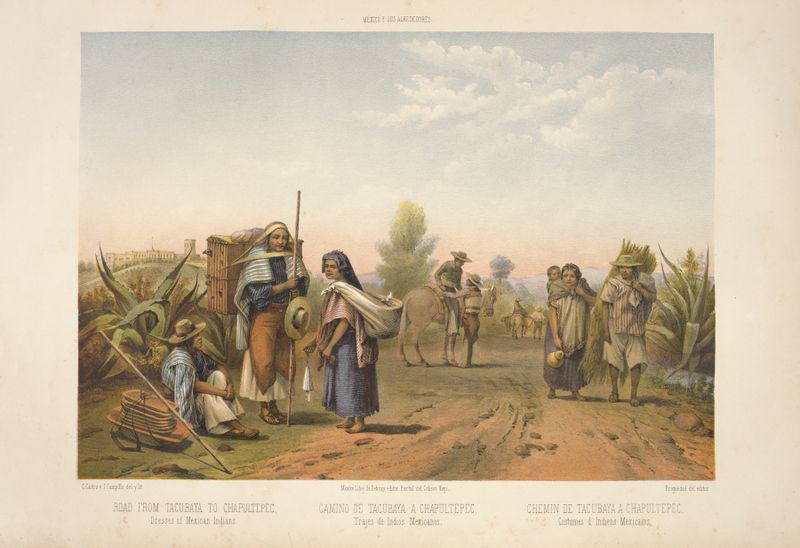
Road from Tacubaya to Chapultepec, dresses of Mexican Indians.
C. Castro
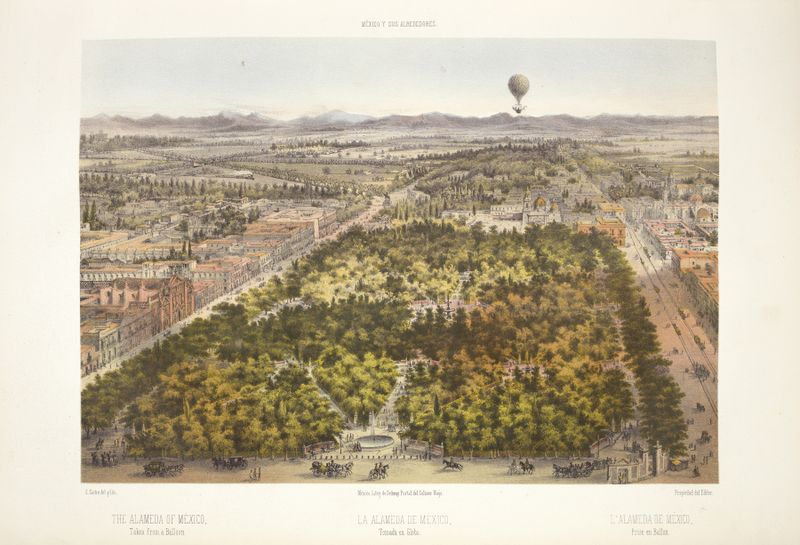
The Alameda of Mexico, taken from a balloon.
C. Castro
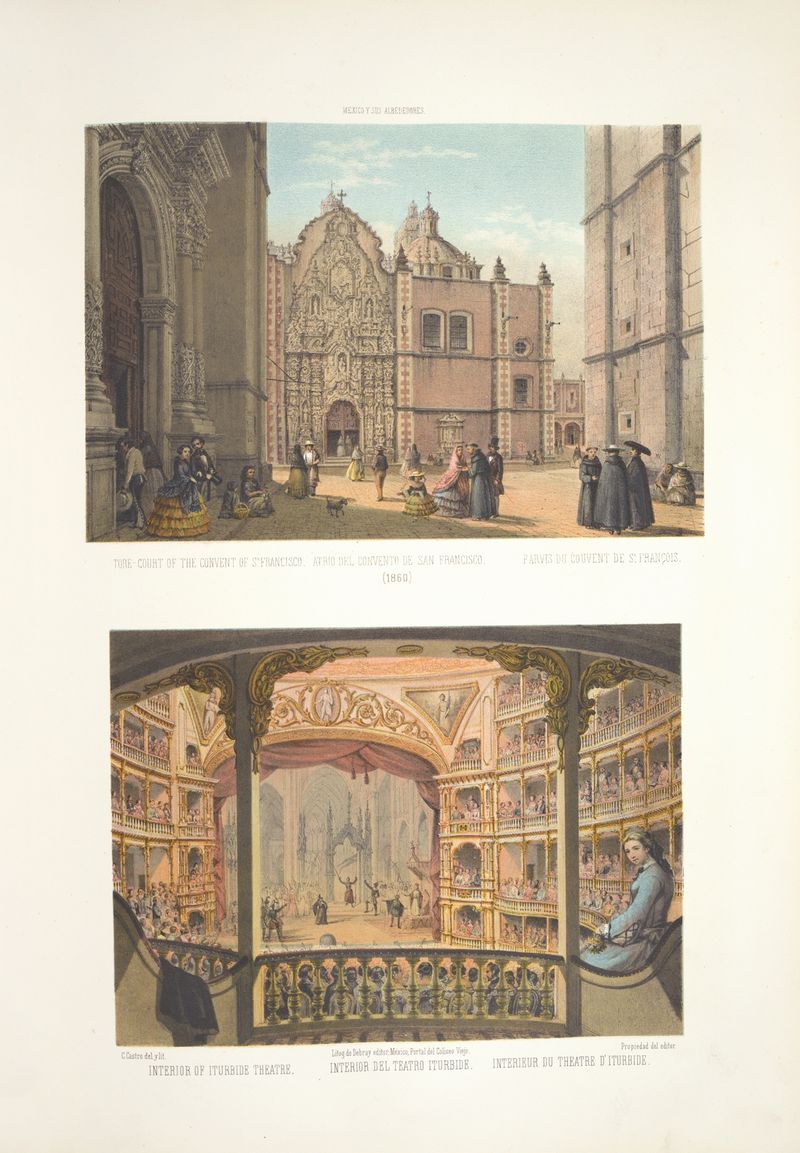
Tore-court of the convent of St. Francisco ; Interior del Teatro Iturbide
C. Castro
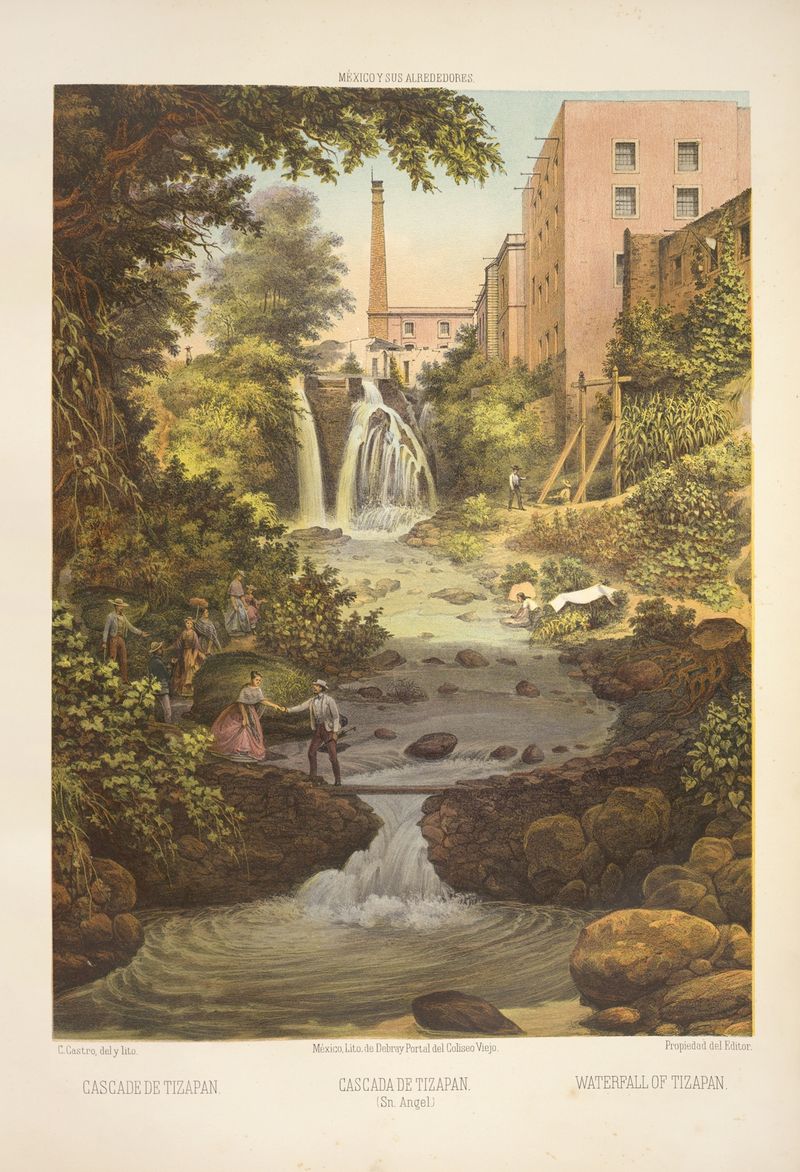
Waterfall of Tizapan
C. Castro
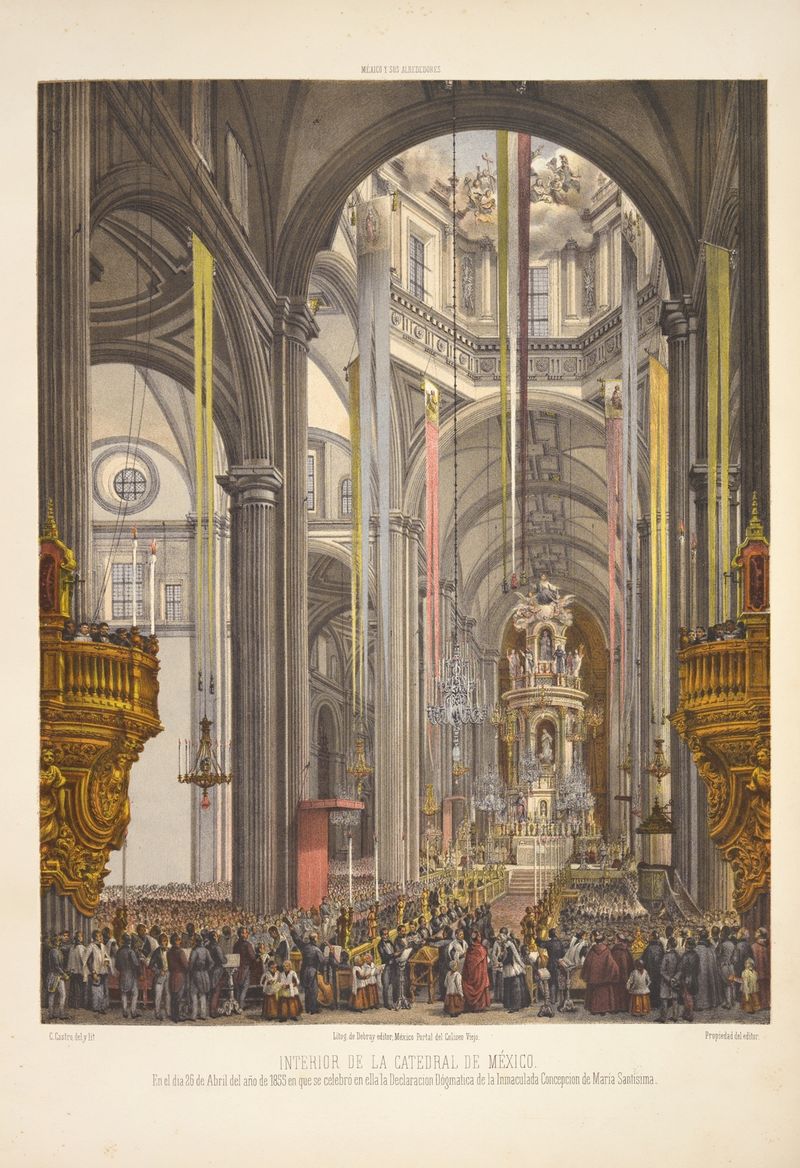
Interior de la Catedral de México. En el dia 26 de Abril del año de 1855 en que se celebró en ella la Declaracion Dógmatica de la Inmaculada Concepcion de María Santisima.
C. Castro
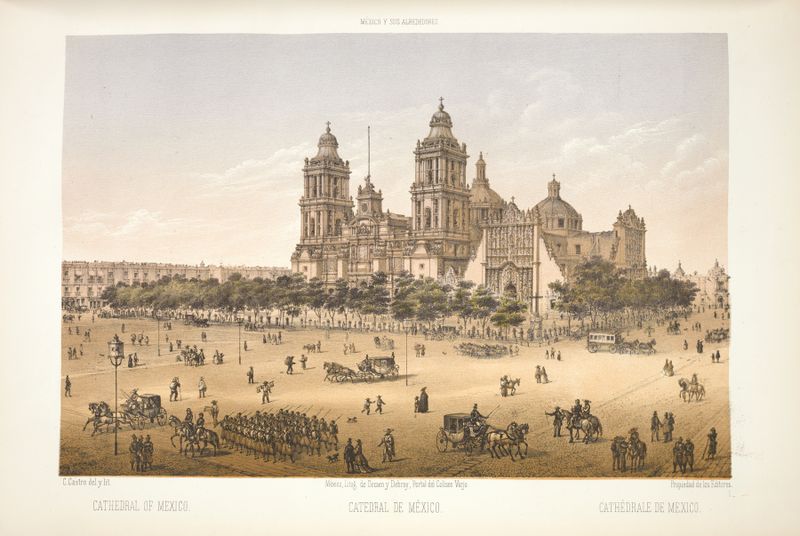
Cathedral of Mexico.
C. Castro
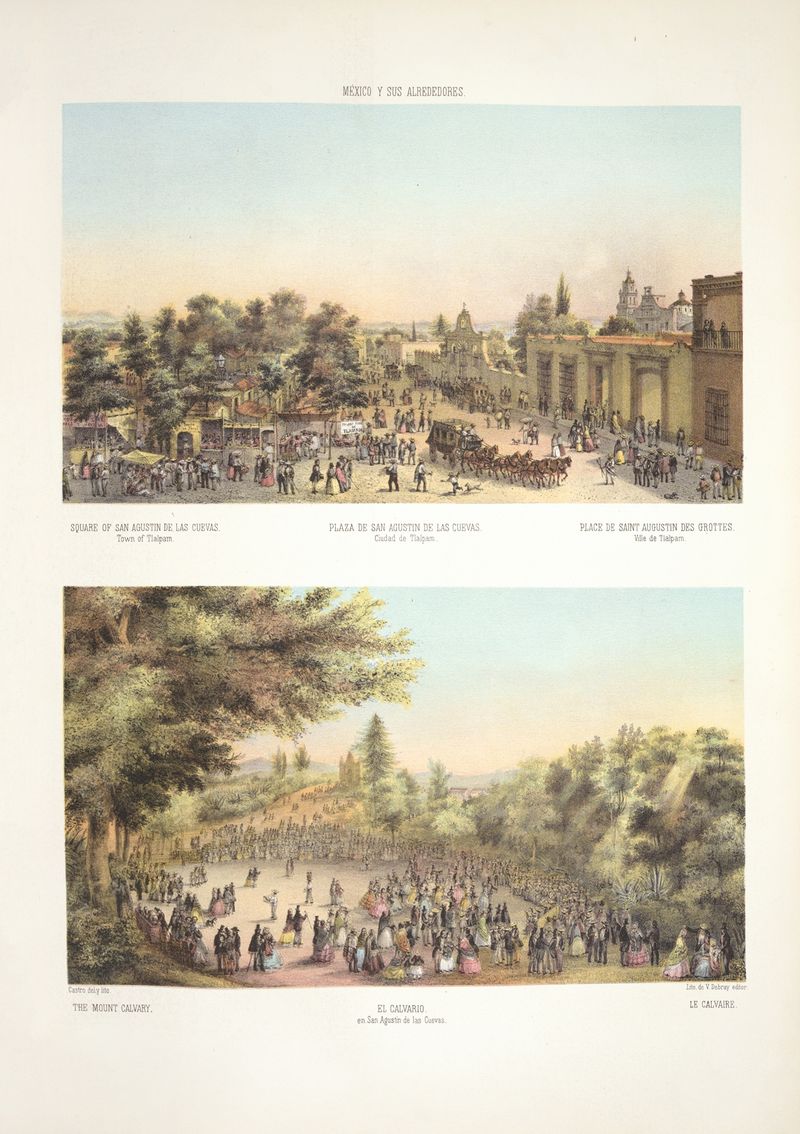
Square of San Agustin de las Cuevas, town of Tlalpam ; The Mount Calvary.
C. Castro
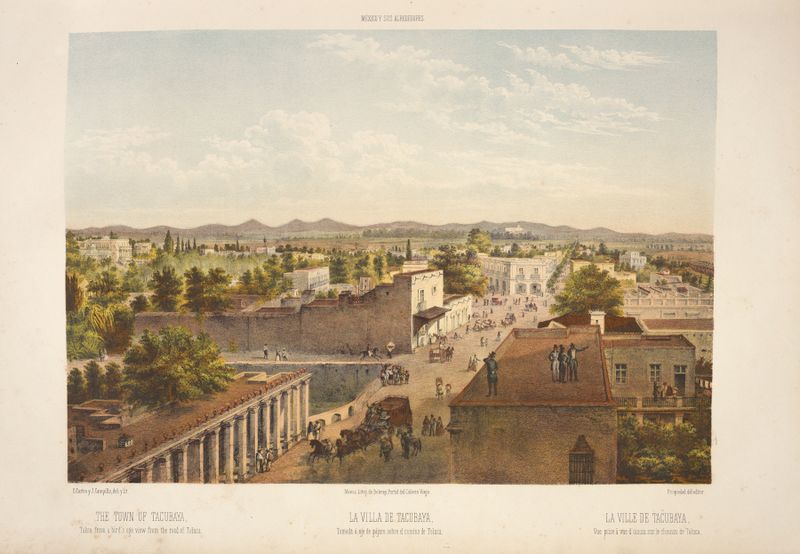
The town of Tacubaya, taken from a bird’s-eye view from the road of Toluca.
C. Castro
More Architecture Art
Browse all →
The statue of Liberty
Frédéric Auguste Bartholdi

View of Houses in Delft, Known as ‘The Little Street’
Johannes Vermeer

View of Houses in Delft, Known as ‘The Little Street’
Johannes Vermeer

The Cathedral in Rouen. The portal, Grey Weather
Claude Monet

The yellow house
Vincent van Gogh

The Church in Auvers-sur-Oise, View from the Chevet
Vincent van Gogh