Interior de la Catedral de México. En el dia 26 de Abril del año de 1855 en que se celebró en ella la Declaracion Dógmatica de la Inmaculada Concepcion de María Santisima. — History & Facts
Can paint confess what words never could? In the stillness of Interior de la Catedral de México, the viewer is drawn into a sacred space that whispers of loss and devotion. Look to the light filtering through the grand stained glass windows, casting an ethereal glow upon the stone altar. The interplay of shadows and illumination guides your gaze upward, where soaring arches cradle the heavenly atmosphere. Notice the intricacy of the architectural details; the delicate carvings and ornate columns stand as silent witnesses to centuries of faith and mourning.
The palette, rich in deep hues and soft pastels, evokes a sense of both majesty and melancholy. Every corner of the cathedral holds emotional weight. The empty pews, void of worshippers, suggest a yearning for presence and perhaps a reflection on the absence often felt in such sacred spaces. The juxtaposition of the grandeur of the structure against the solitude within encapsulates a poignant tension between exaltation and grief.
Each brushstroke reverberates with the echoes of prayers whispered in solitude, inviting contemplation on what was lost amid the reverence. C. Castro painted this scene in 1869, capturing the cathedral's essence and its significance at a time when Mexico was grappling with social and political upheaval. The declaration of the Dogma of the Immaculate Conception had been a recent event that resonated deeply within the cultural landscape.
Castro’s work reflects not only a moment in religious history but also a profound introspection during a period of turbulence, marking a bridge between faith and the collective memory of loss.
More Artworks by C. Castro
Browse all →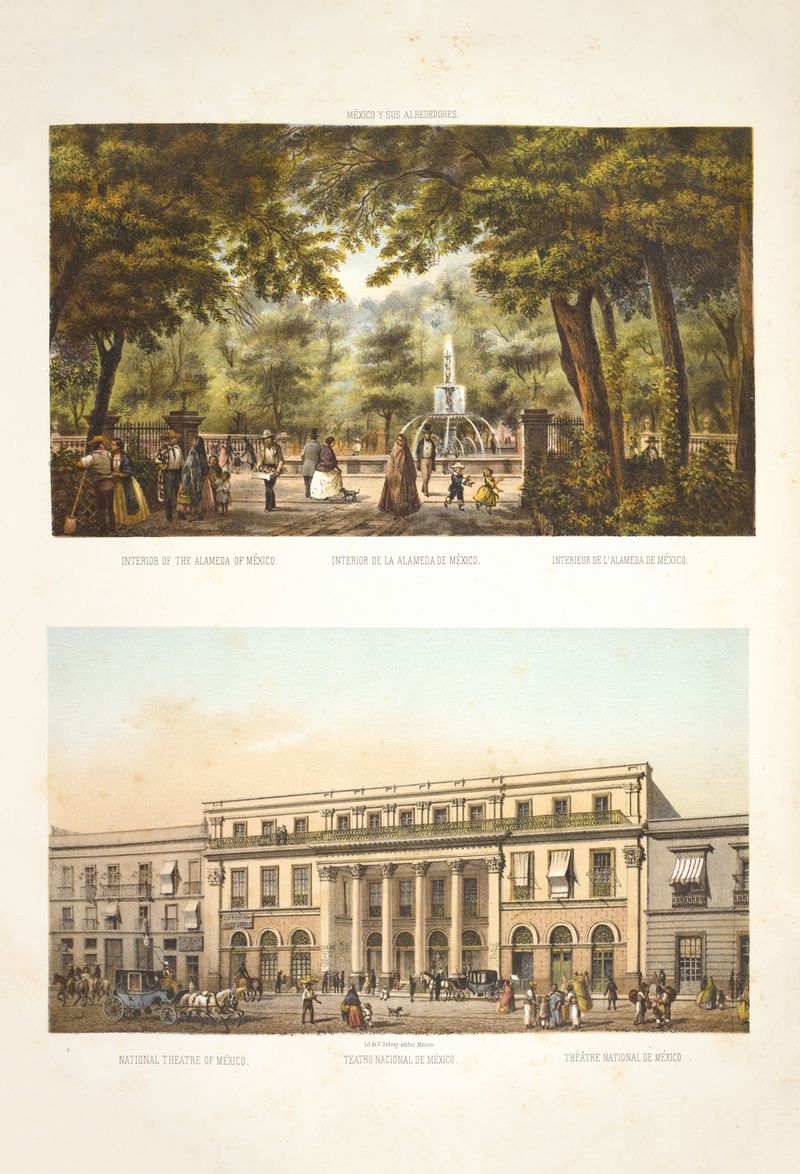
Interior of the Alameda of Mexico ; National Theatre of Mexico.
C. Castro
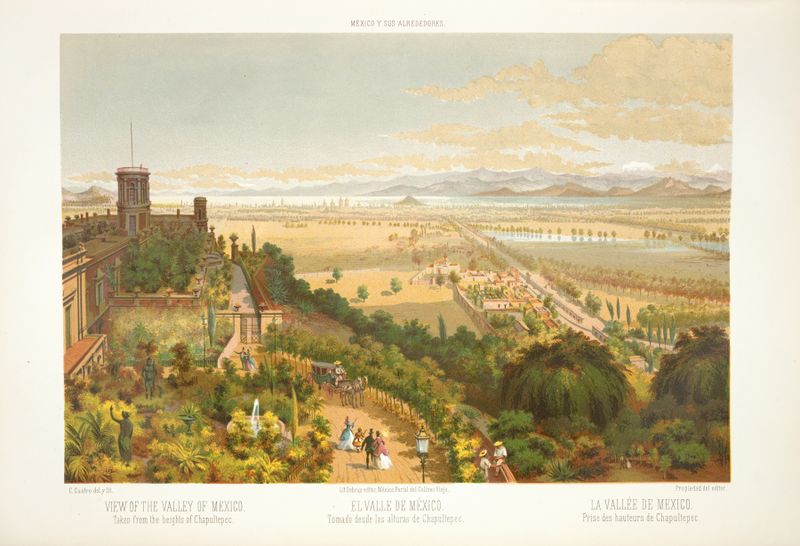
View of the Valley of Mexico, taken from the heights of Chapultepec.
C. Castro
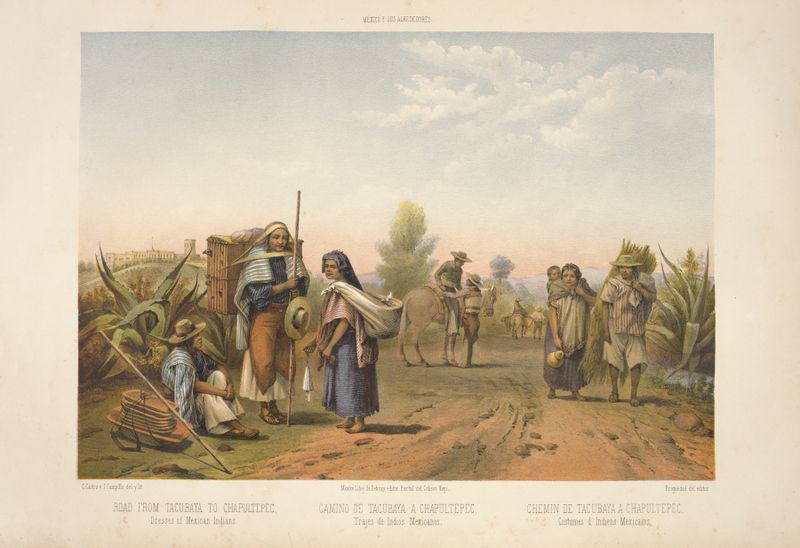
Road from Tacubaya to Chapultepec, dresses of Mexican Indians.
C. Castro
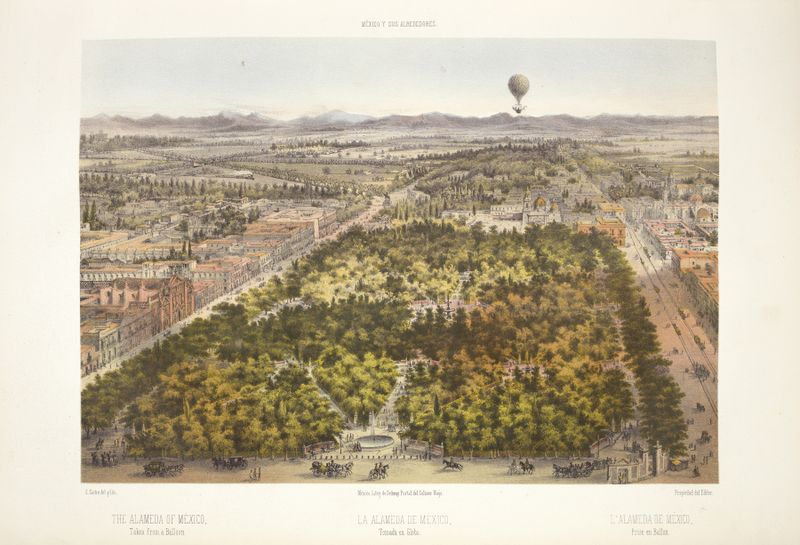
The Alameda of Mexico, taken from a balloon.
C. Castro
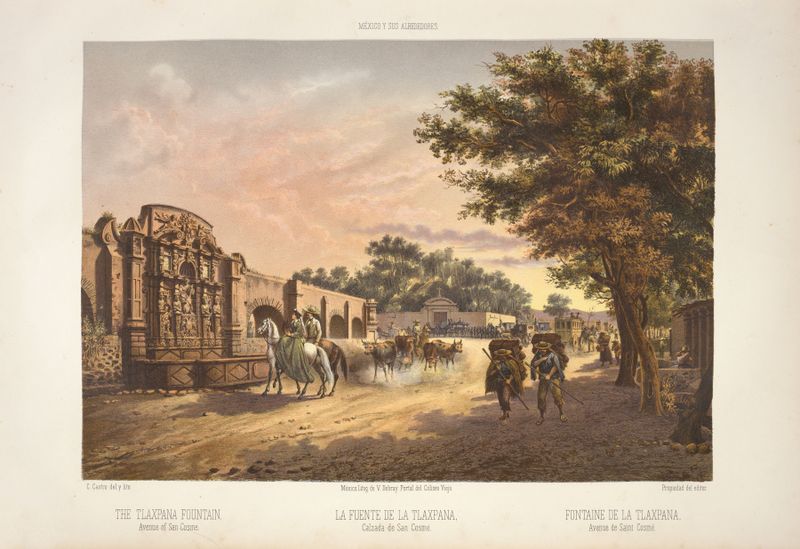
The Tlaxpana fountain, Avenue of San Cosme.
C. Castro
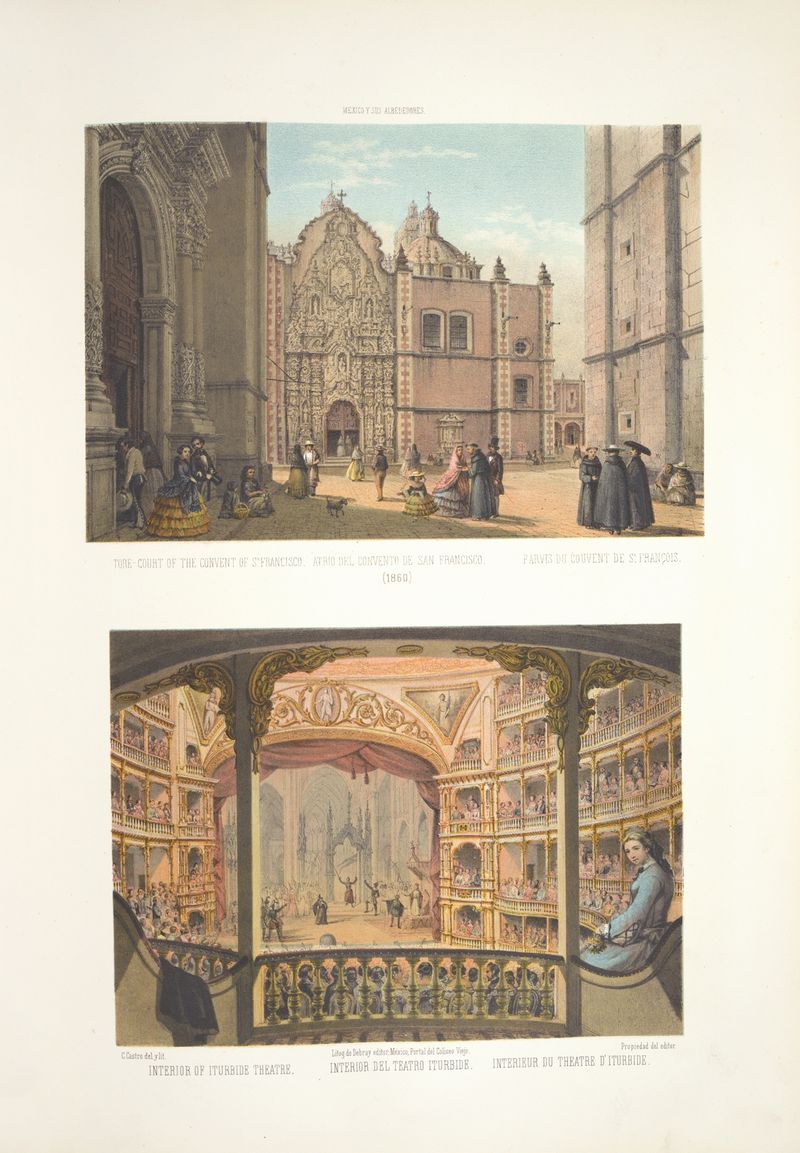
Tore-court of the convent of St. Francisco ; Interior del Teatro Iturbide
C. Castro
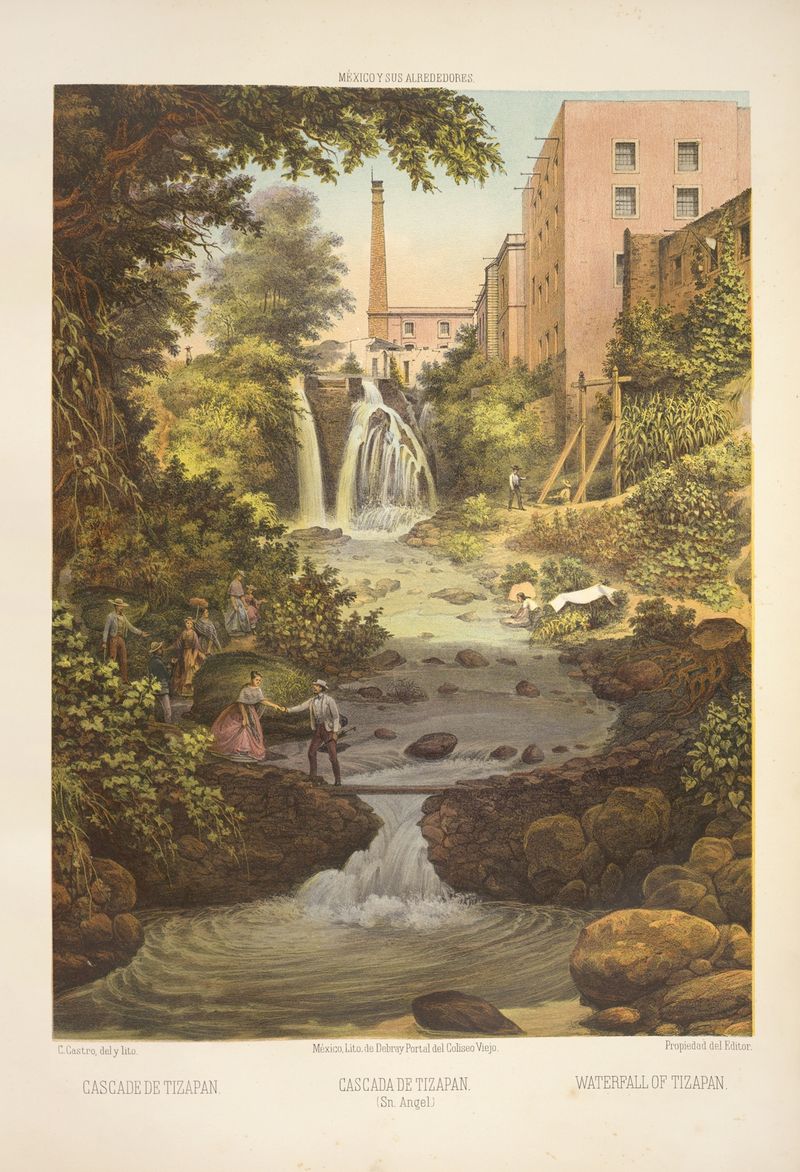
Waterfall of Tizapan
C. Castro
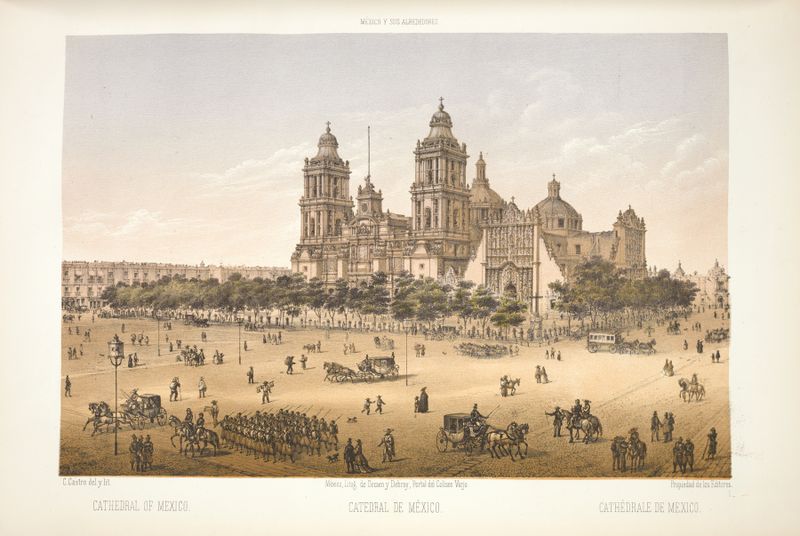
Cathedral of Mexico.
C. Castro
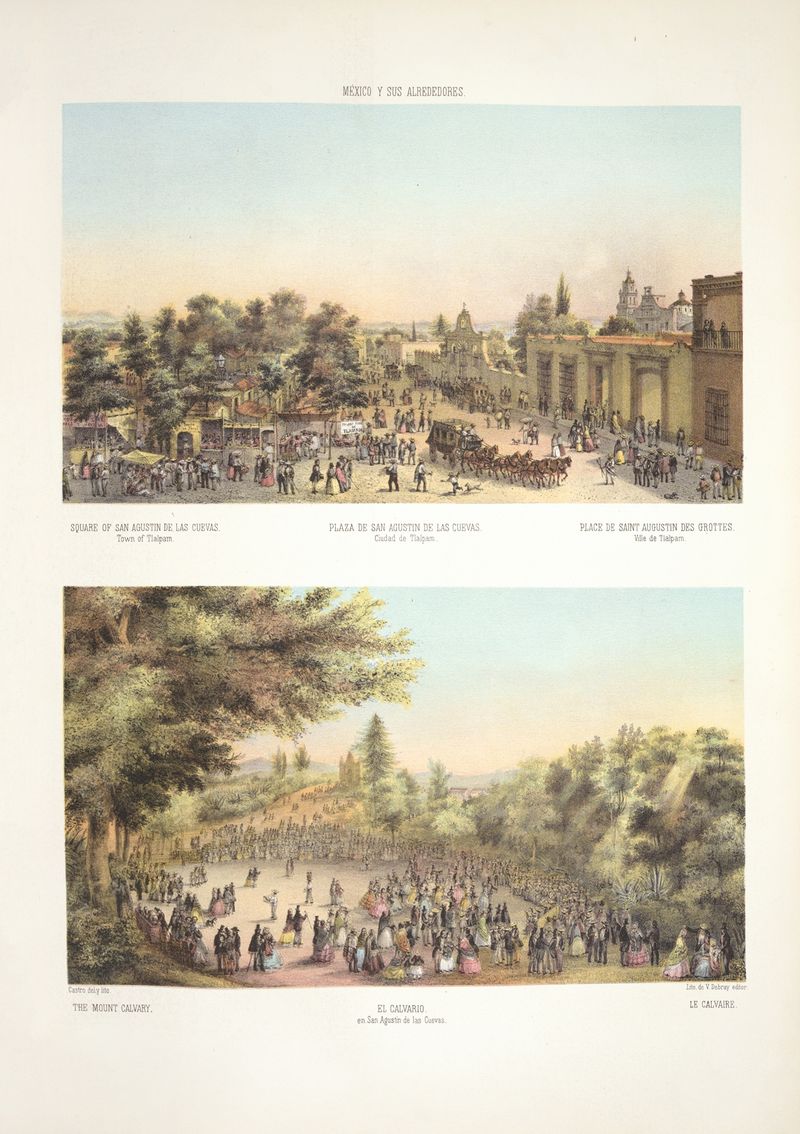
Square of San Agustin de las Cuevas, town of Tlalpam ; The Mount Calvary.
C. Castro
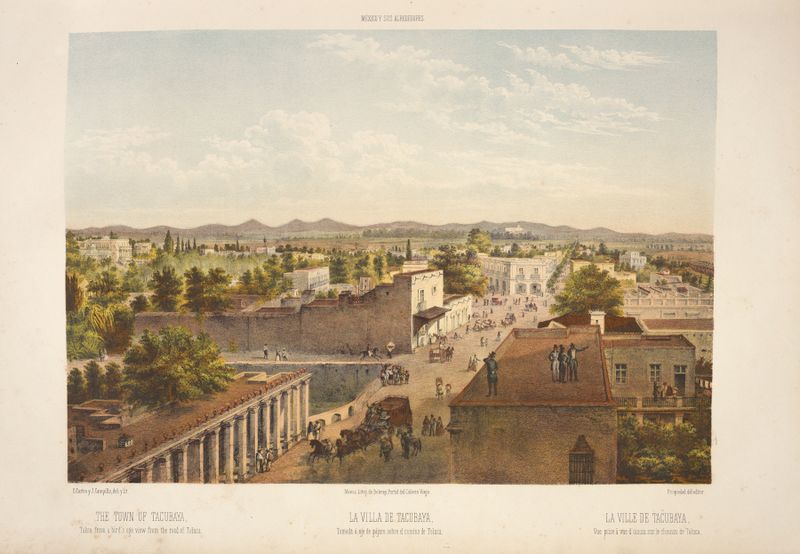
The town of Tacubaya, taken from a bird’s-eye view from the road of Toluca.
C. Castro