
View of the Valley of Mexico, taken from the heights of Chapultepec. — History & Facts
The lush landscape before us brims with an intoxicating allure, masked by an undercurrent of longing. Focus on the sweeping expanse where emerald hills cradle the valley, drawing the eye toward the horizon. The blue sky is punctuated by wisps of white clouds, and sunlight bathes the scene in a golden glow, highlighting the intricate details of the foliage and the shimmering surface of the water below. Notice how the artist captures the undulating terrain with delicate brushstrokes, inviting the viewer into a serene yet layered reality.
The composition is masterful, leading the gaze from the foreground to the distant peaks, creating a sense of depth and perspective that evokes both tranquility and yearning. Despite the beauty, there is a palpable tension between the idyllic landscape and the historical context it represents. The valley, a symbol of flourishing life and prosperity, simultaneously serves as a reminder of the turbulent past and the struggles for identity that plagued the region. The juxtaposition of vibrant colors against the shadows hints at the conflicts and desires that linger beneath the surface, suggesting that this paradise is not without cost.
Each element resonates with an emotional weight, inviting contemplation of what lies beneath the charming facade. In 1869, C. Castro created this work during a time of significant political change in Mexico. Following the tumult of the Reform War and the French intervention, the country was navigating its national identity amidst aspirations of modernization.
Castro's painting reflects both the breathtaking beauty of the Mexican landscape and the deep-seated desires for stability and unity that permeated the artistic discourse of his time.
More Artworks by C. Castro
Browse all →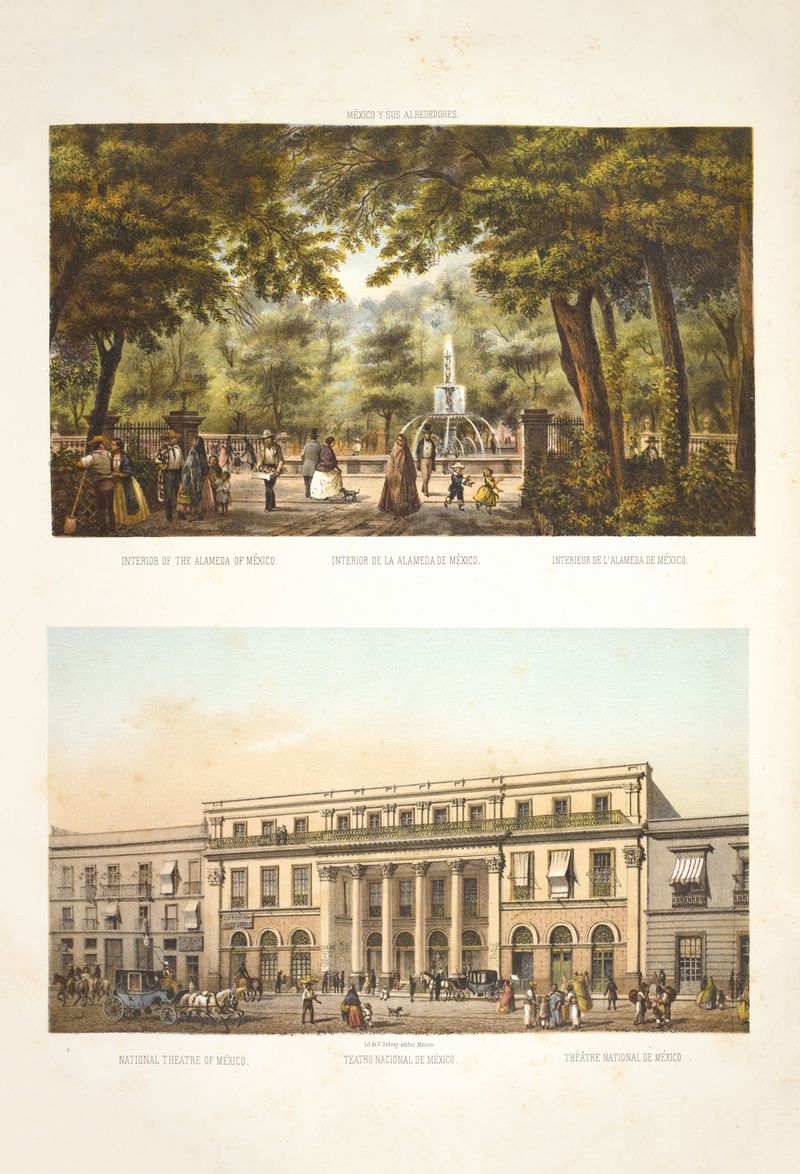
Interior of the Alameda of Mexico ; National Theatre of Mexico.
C. Castro
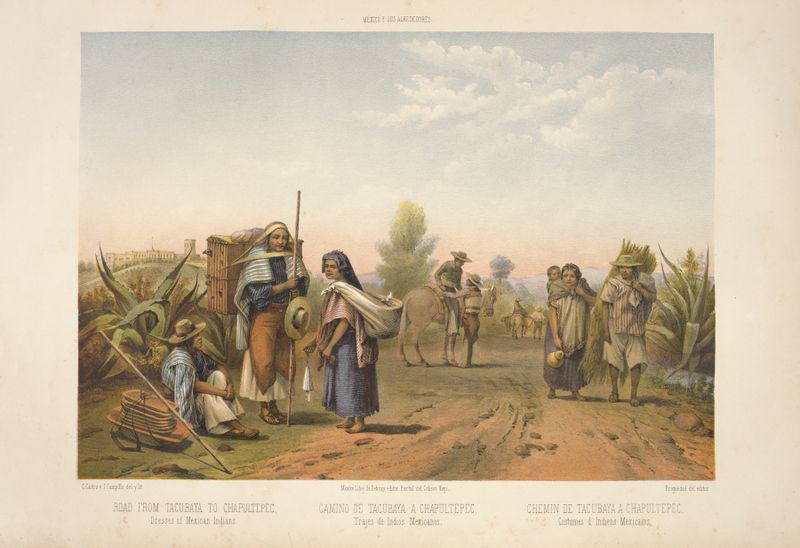
Road from Tacubaya to Chapultepec, dresses of Mexican Indians.
C. Castro
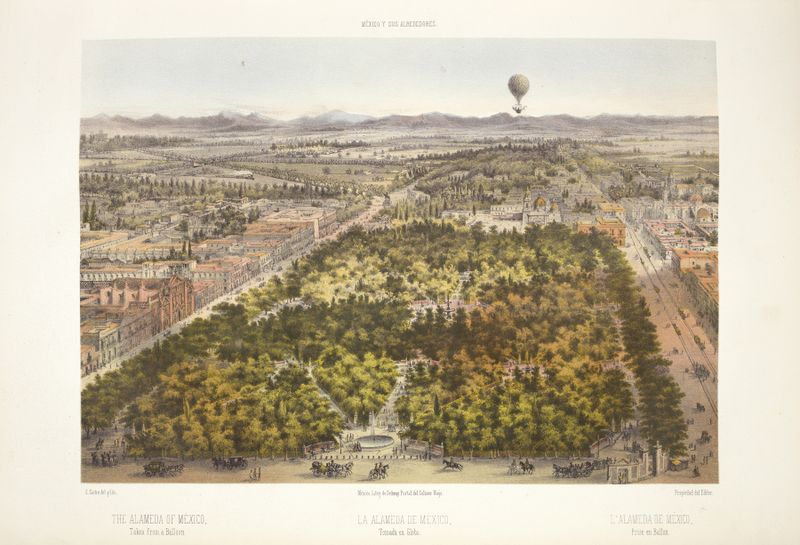
The Alameda of Mexico, taken from a balloon.
C. Castro
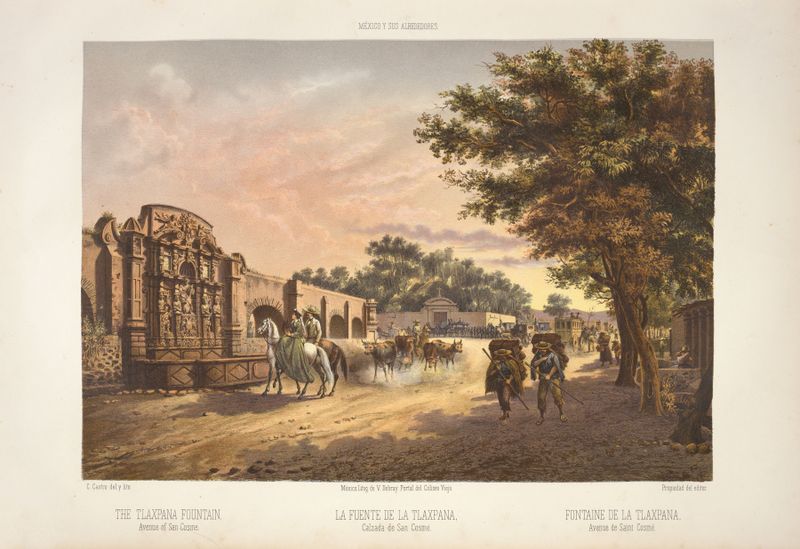
The Tlaxpana fountain, Avenue of San Cosme.
C. Castro
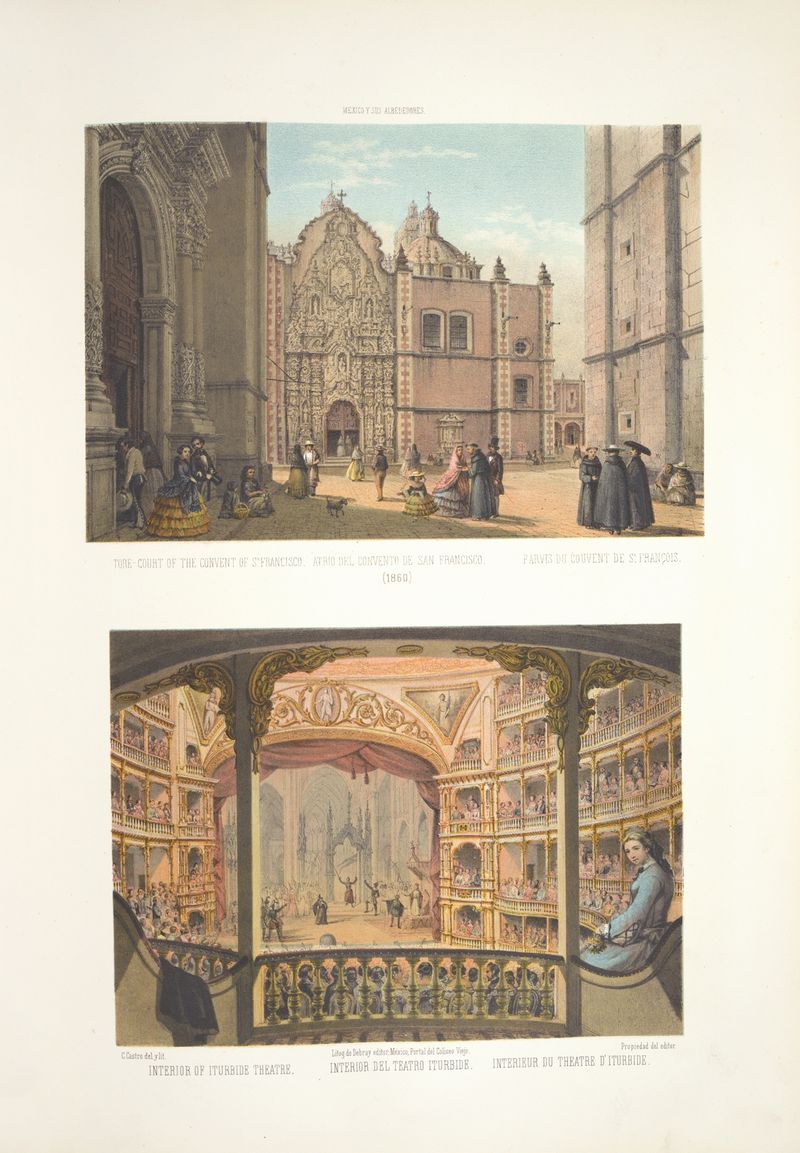
Tore-court of the convent of St. Francisco ; Interior del Teatro Iturbide
C. Castro
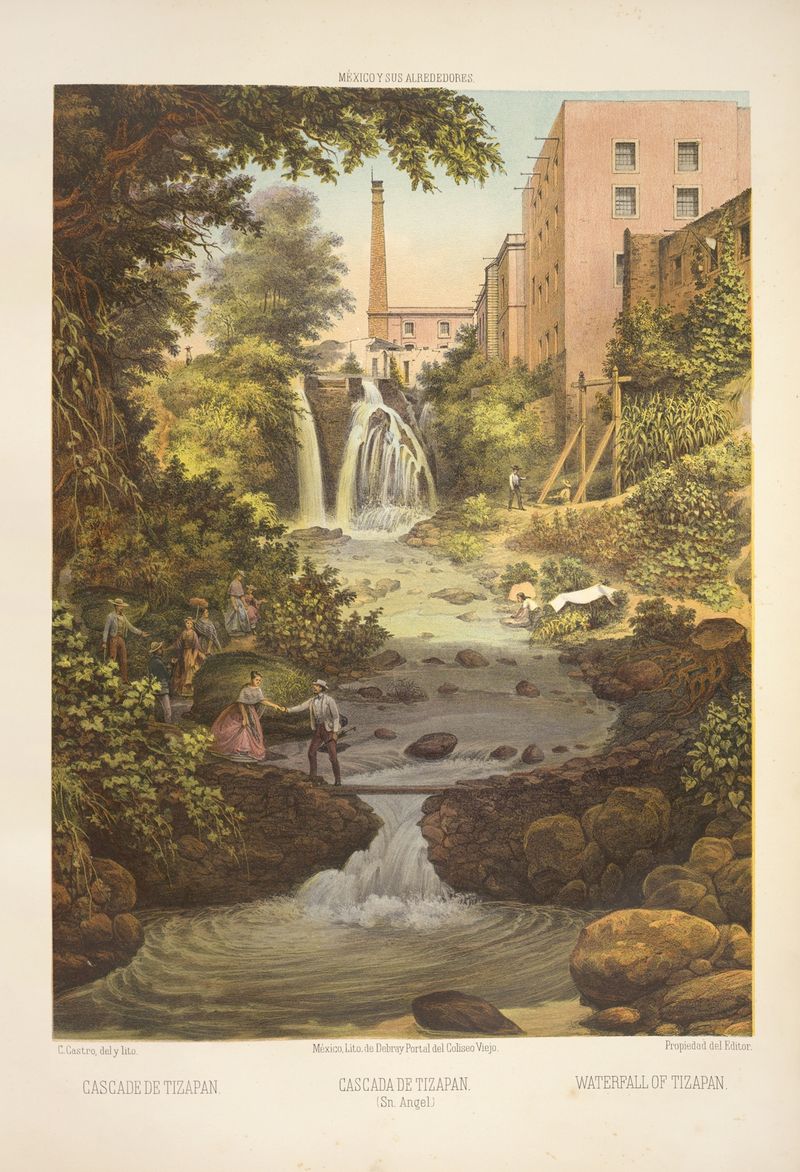
Waterfall of Tizapan
C. Castro
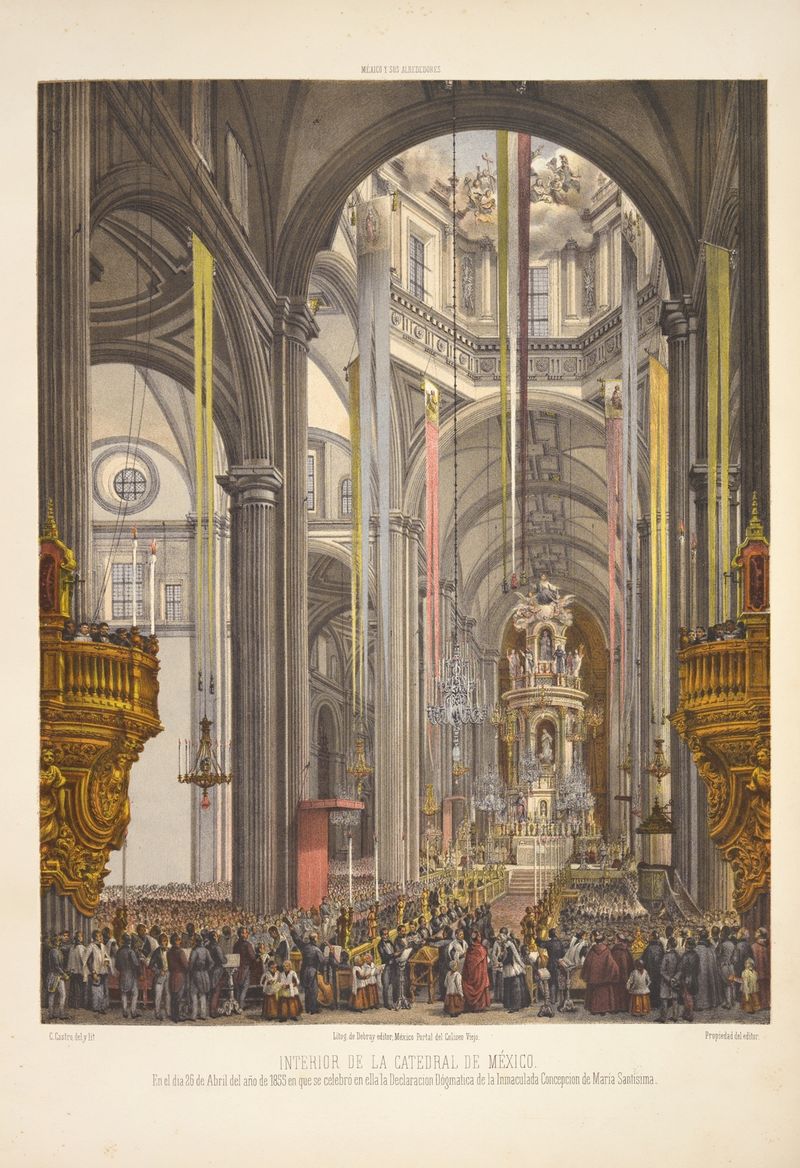
Interior de la Catedral de México. En el dia 26 de Abril del año de 1855 en que se celebró en ella la Declaracion Dógmatica de la Inmaculada Concepcion de María Santisima.
C. Castro
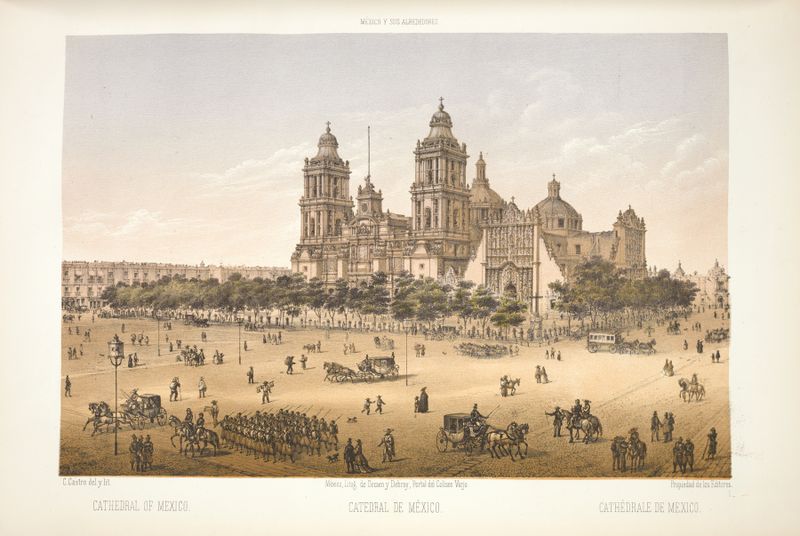
Cathedral of Mexico.
C. Castro
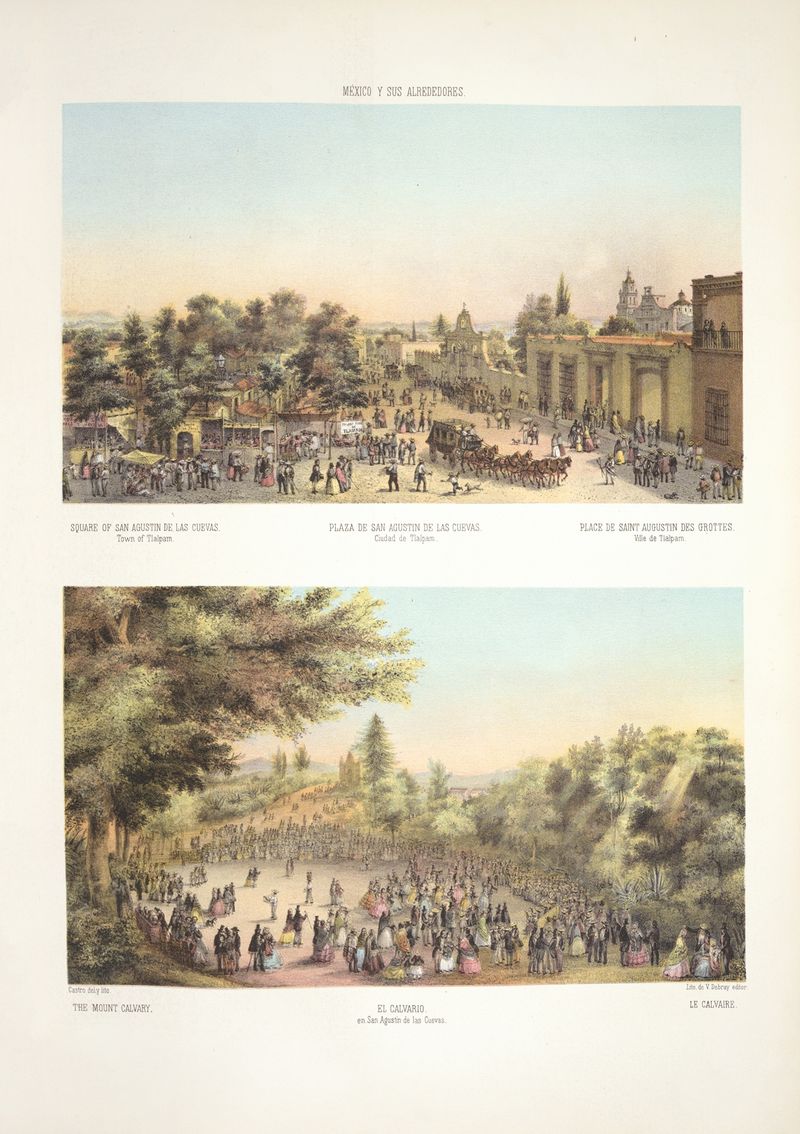
Square of San Agustin de las Cuevas, town of Tlalpam ; The Mount Calvary.
C. Castro
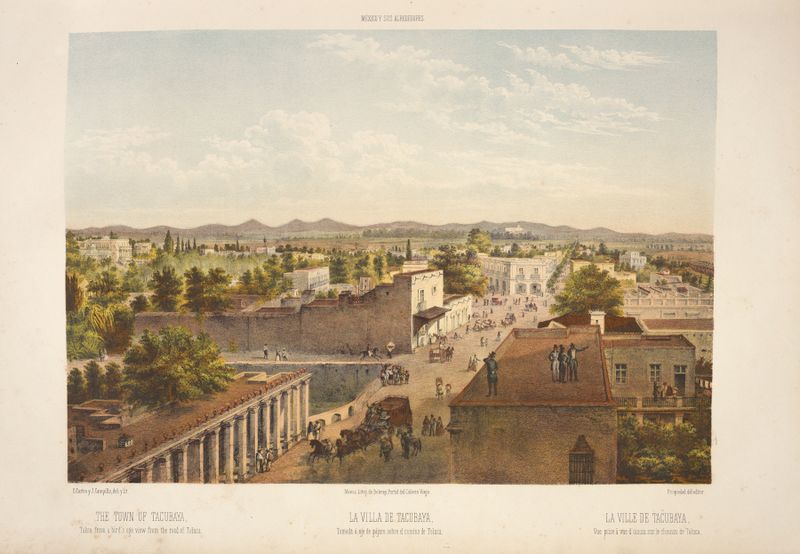
The town of Tacubaya, taken from a bird’s-eye view from the road of Toluca.
C. Castro





