
The Angel of the Annunciation — History & Facts
In The Angel of the Annunciation, Guercino presents a vibrant scene filled with rich colors. The angel, adorned in flowing robes, is depicted in a moment of divine communication. Soft light illuminates the figure, creating a contrast against the darker background.
The setting is serene, emphasizing the significance of the moment. The painting is executed in oil on canvas, showcasing Guercino's skillful use of light and shadow. The composition draws the viewer's eye to the angel, whose expressive face conveys a sense of urgency and grace. The intricate details of the fabric and the angel's wings highlight the artist's attention to realism.
This work exemplifies the Baroque style with its dramatic use of color and form. Guercino, an Italian Baroque painter, was known for his emotional depth and dramatic compositions. This painting, created in the 1640s, reflects the artist's mastery of light and shadow. Interestingly, The Angel of the Annunciation was commissioned for a church, emphasizing its religious significance.
Today, it resides in the Museo di Capodimonte, where it continues to inspire viewers.
More Artworks by Guercino

The Entombment
Guercino
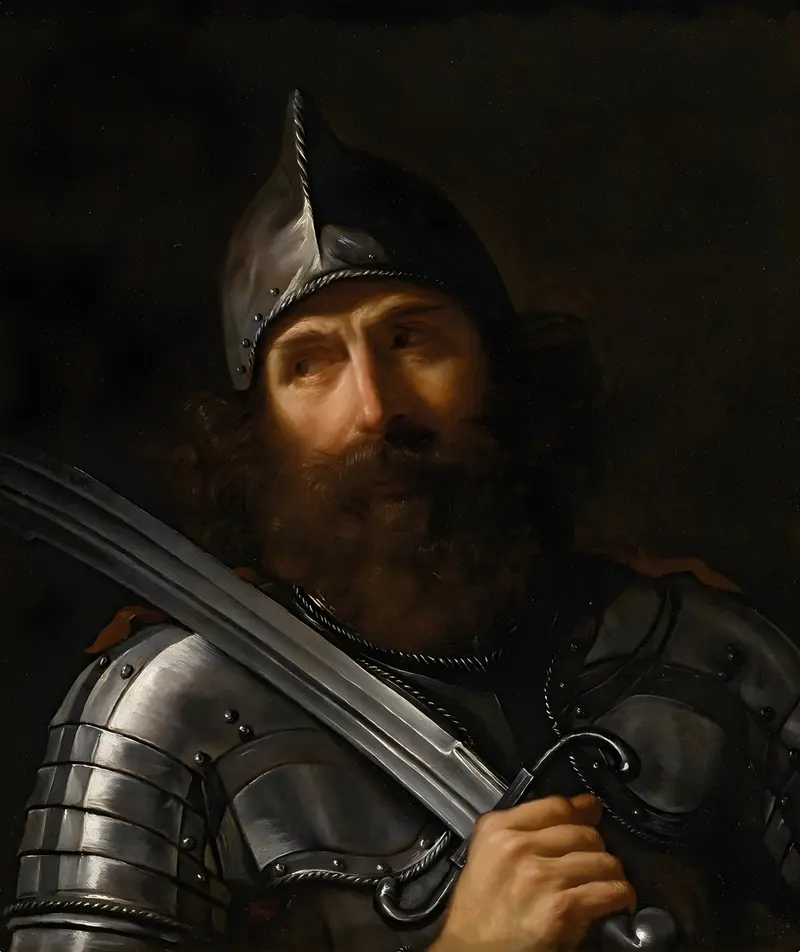
Mars
Guercino
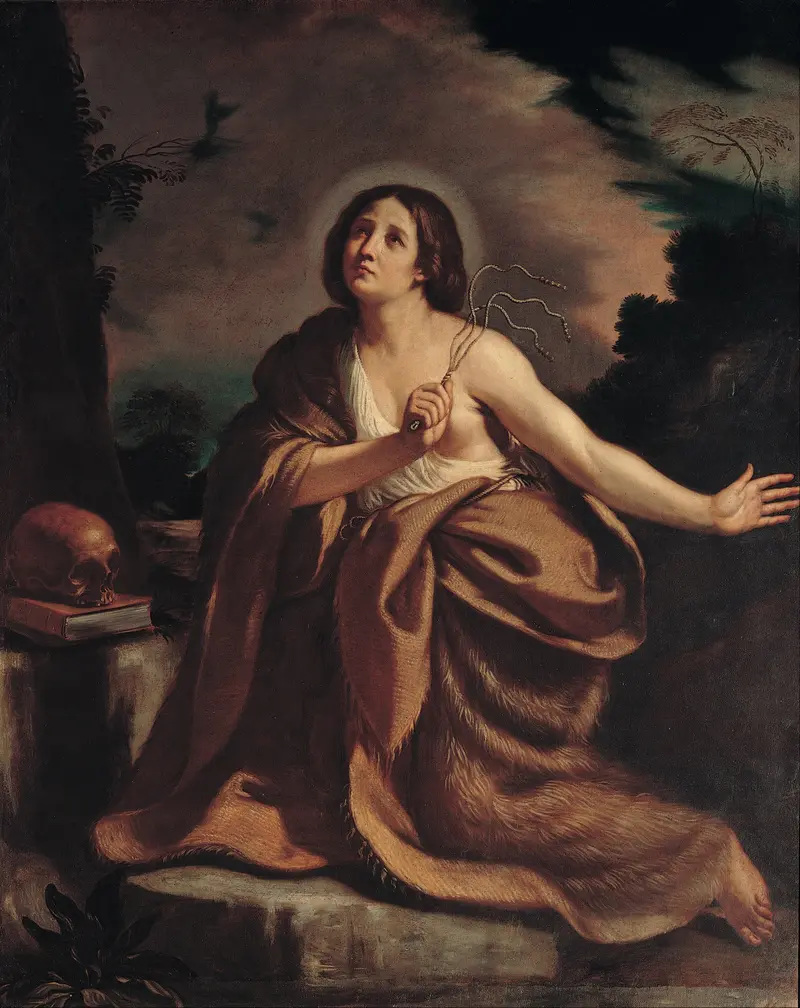
Penitent Magdalene
Guercino
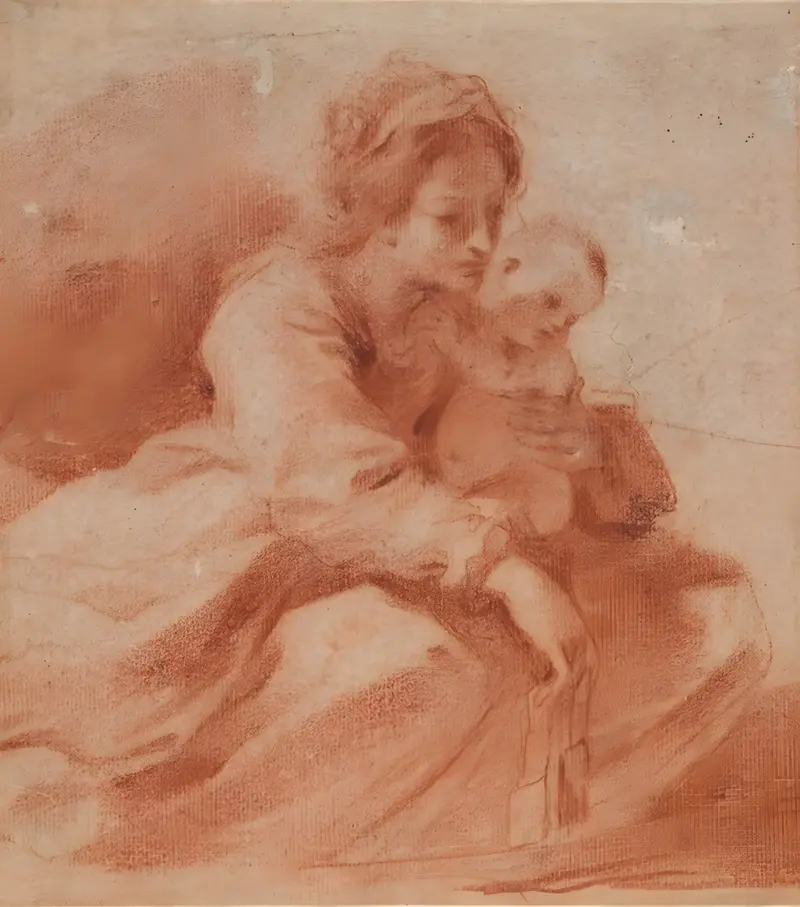
The Virgin and Child (for the Madonna del Carmine Presenting a Scapular to a Carmelite, in Cento’s Pinacoteca Civica, c.1615)
Guercino
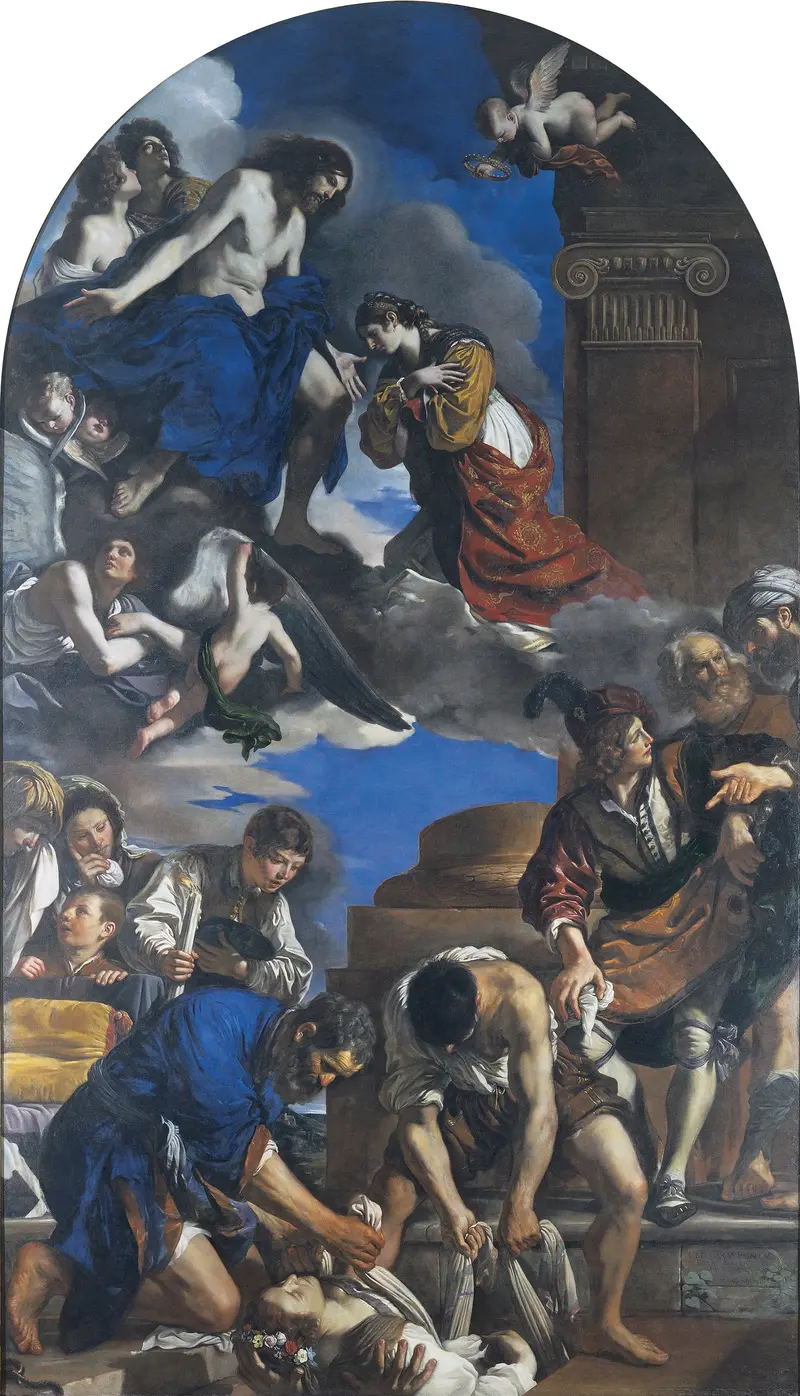
Burial of Saint Petronilla
Guercino
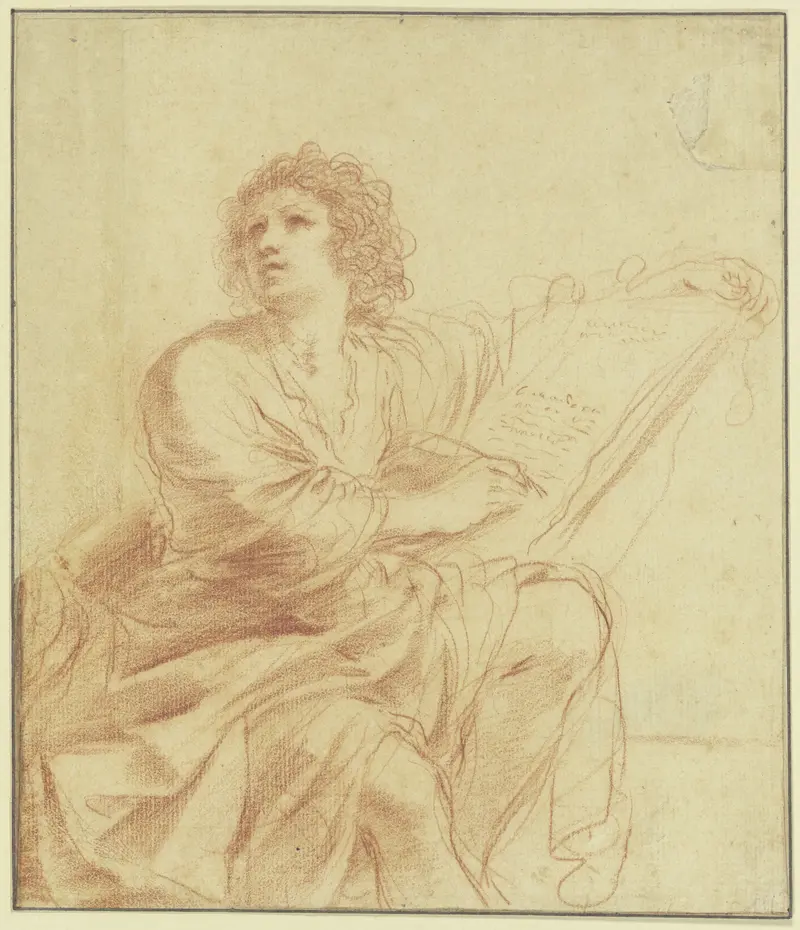
Johannes der Evangelist, sitzend und schreibend
Guercino
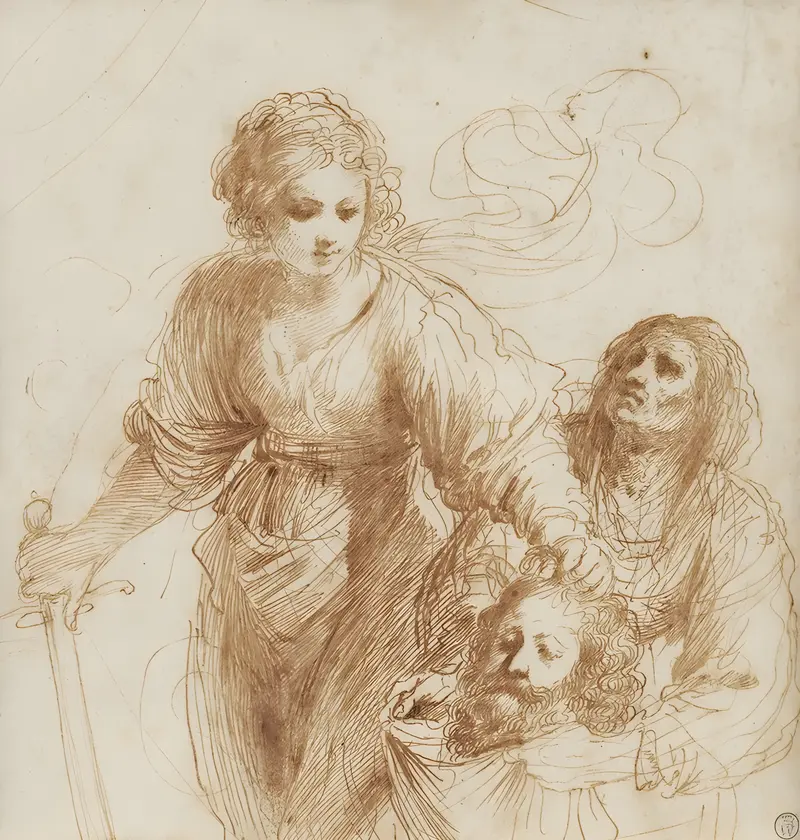
Judith with the Head of Holofernes
Guercino
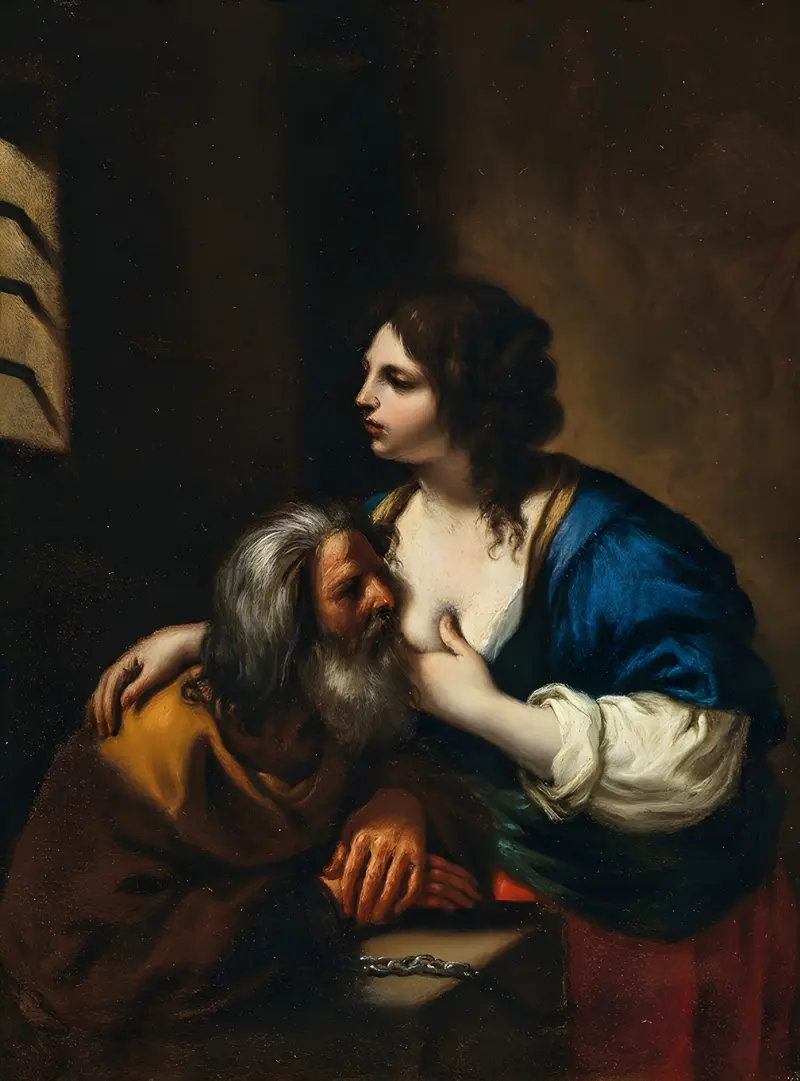
Caritas Romana
Guercino
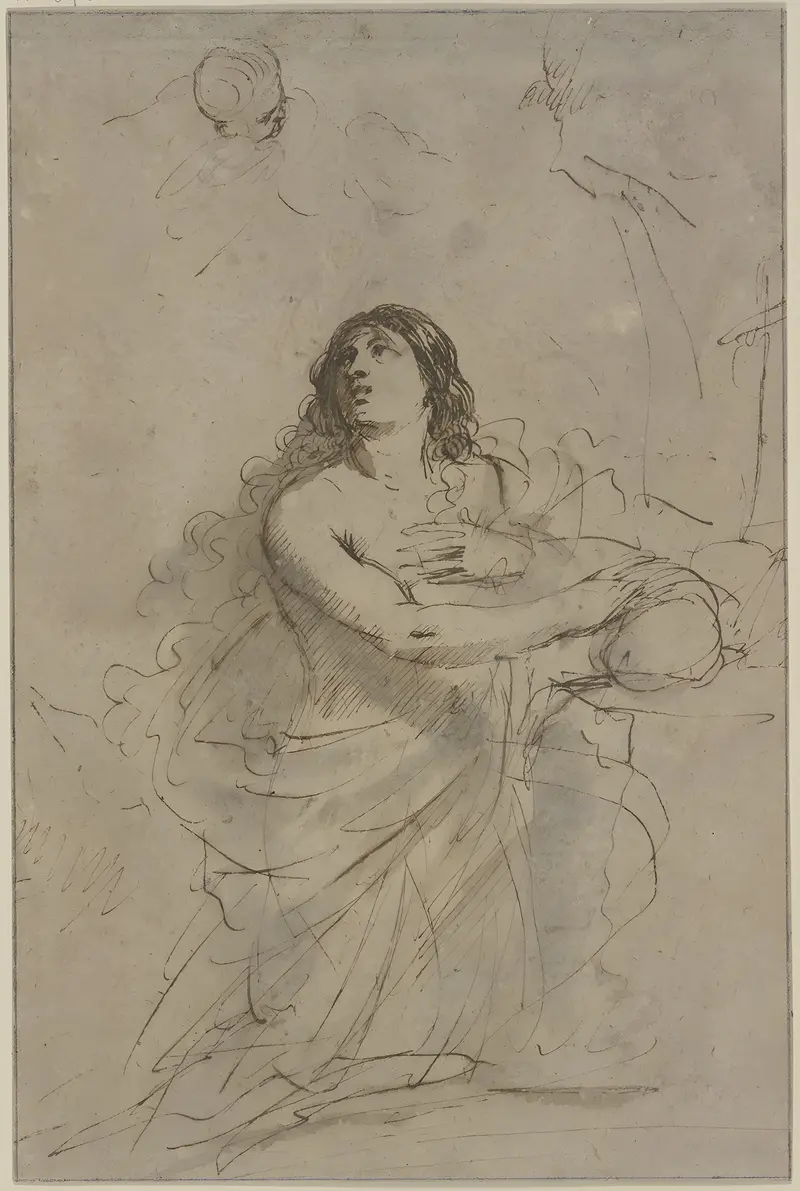
Atoning Magdalene
Guercino
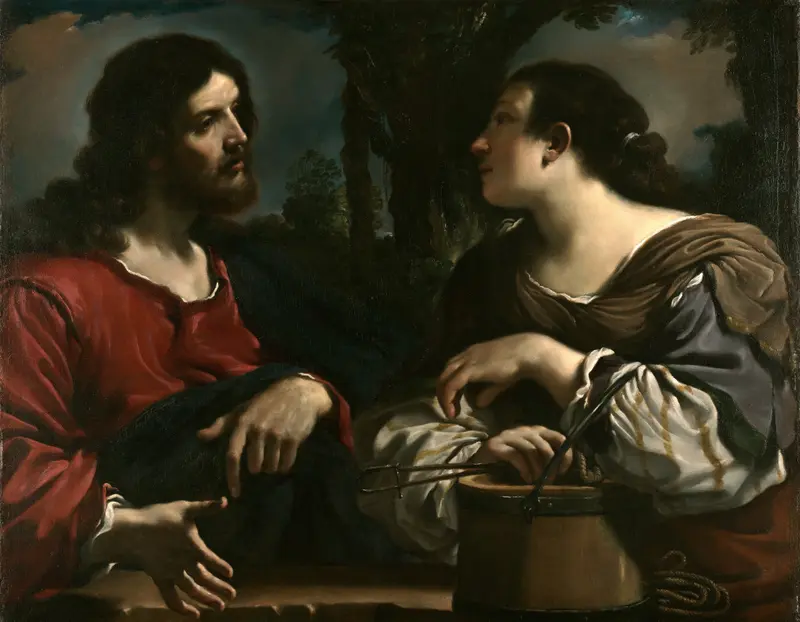
Christ And The Woman Of Samaria
Guercino





