
The Argenteuil Bridge — History & Facts
Two white sailing boats rest quietly on the shimmering surface of the Seine, their slender masts reflected in the water below. The boats are moored in the foreground, angled slightly apart, with their hulls and rigging picked out in pale, creamy tones and soft ochres. Behind them, the riverbank stretches across the middle of the scene, lined with dense, broad-leaved trees whose foliage forms a deep green backdrop.
To the left, a house with a tiled roof stands partly hidden among the trees, its windows and doorway just visible through the branches. Near the centre, a small, pale building with a red-trimmed roof marks the entrance to the bridge, its reflection rippling in the water. The railway bridge itself spans the right half of the composition, its five stone arches casting cool shadows and mirrored shapes onto the river.
Above, the sky is filled with soft, broken clouds, painted in loose, luminous strokes of blue, white, and grey. Sunlight falls from the left, catching the tops of the trees and the bridge’s parapet, and creating a patchwork of light and shadow across the scene. The brushwork is lively and visible throughout, especially in the water, where dabs and flicks of paint suggest the play of light and movement on the river’s surface.
The composition is carefully balanced, with the verticals of the boat masts echoing the upright forms of the trees and the bridge supports. Every element is rendered with a freshness and immediacy that captures a fleeting moment by the riverside. Claude Monet painted this view of the railway bridge at Argenteuil in 1874. The subject is the Argenteuil bridge, a modern structure spanning the Seine, with the town’s riverside and its leafy banks forming the setting.
Sources: Musée d'Orsay, record RF 1937 41 · Wikidata Q1212084
More Artworks by Claude Monet
Grainstack (Sunset)
Claude Monet
Bathers at La Grenouillère
Claude Monet
Women in the Garden
Claude Monet
The Artist's Garden at Giverny
Claude Monet
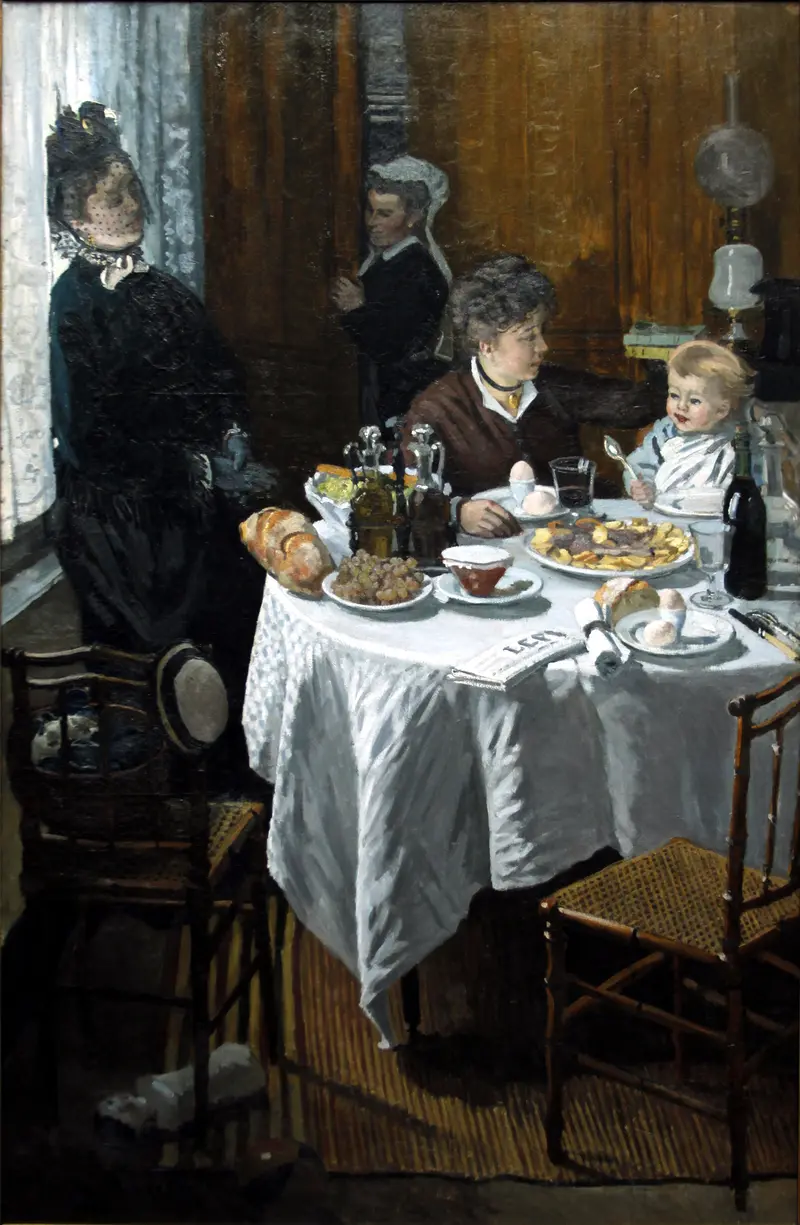
The Luncheon
Claude Monet
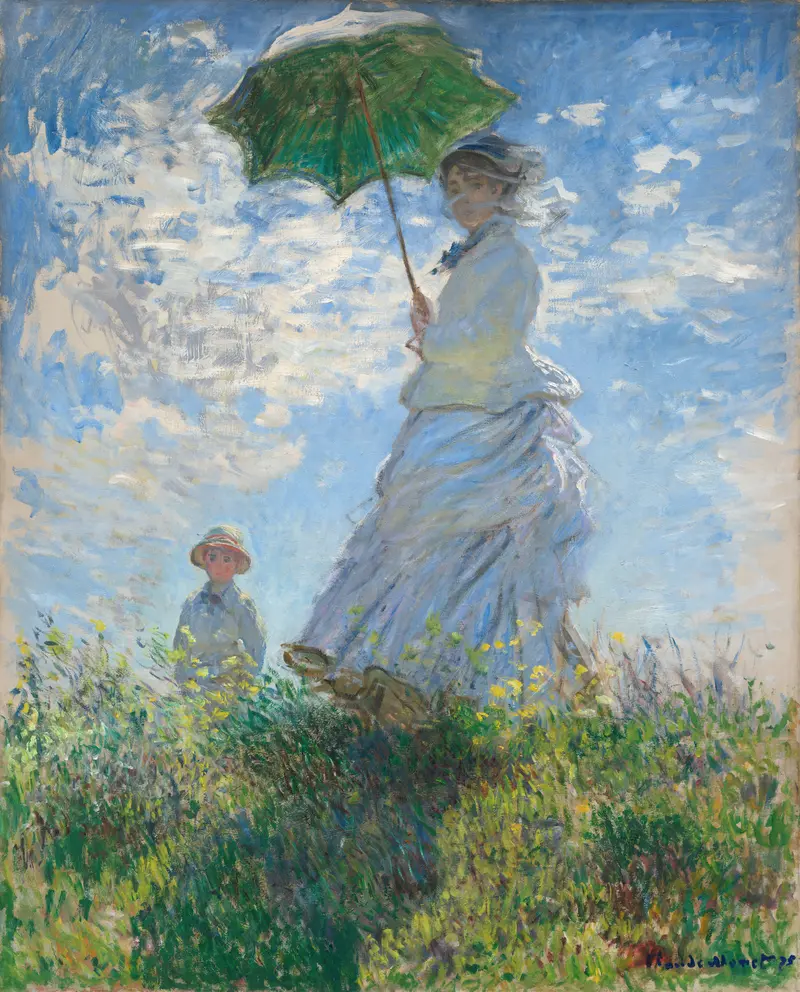
Woman with a Parasol – Madame Monet and Her Son
Claude Monet
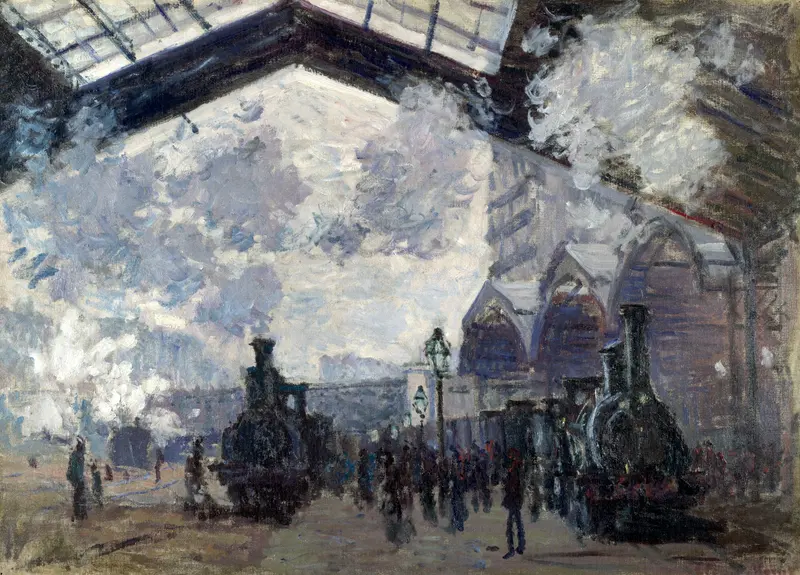
The Gare Saint-Lazare
Claude Monet
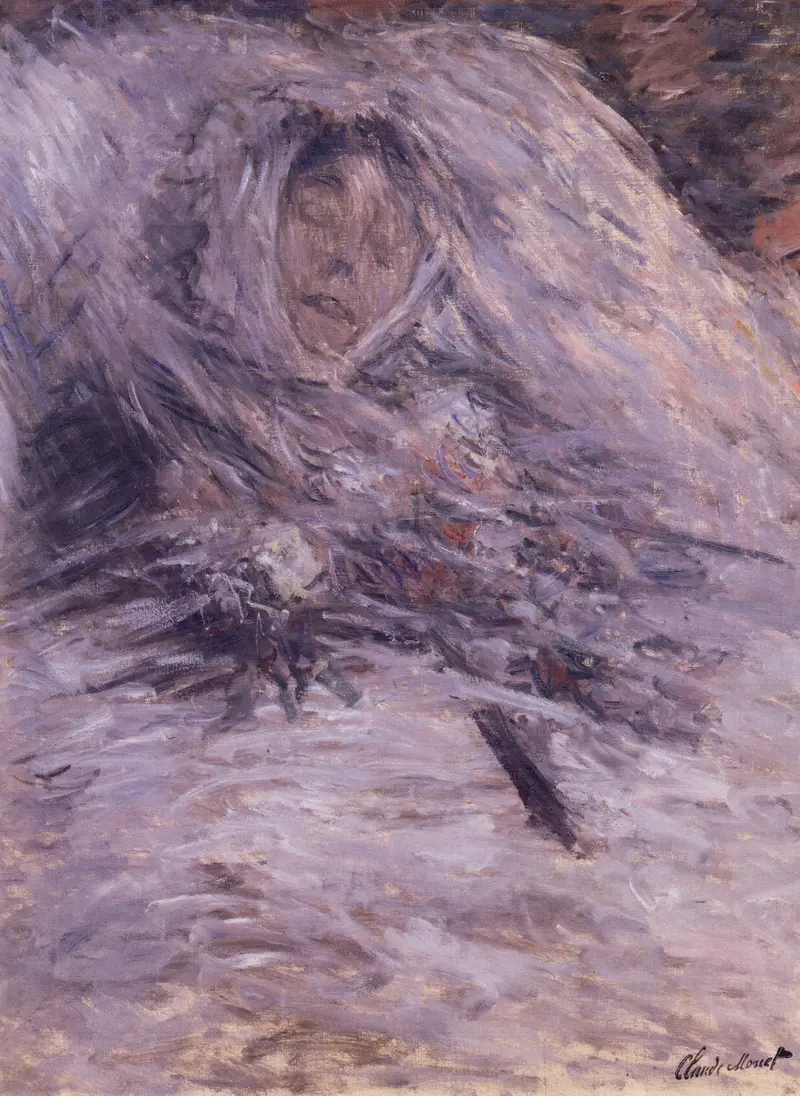
Camille Monet on Her Deathbed
Claude Monet
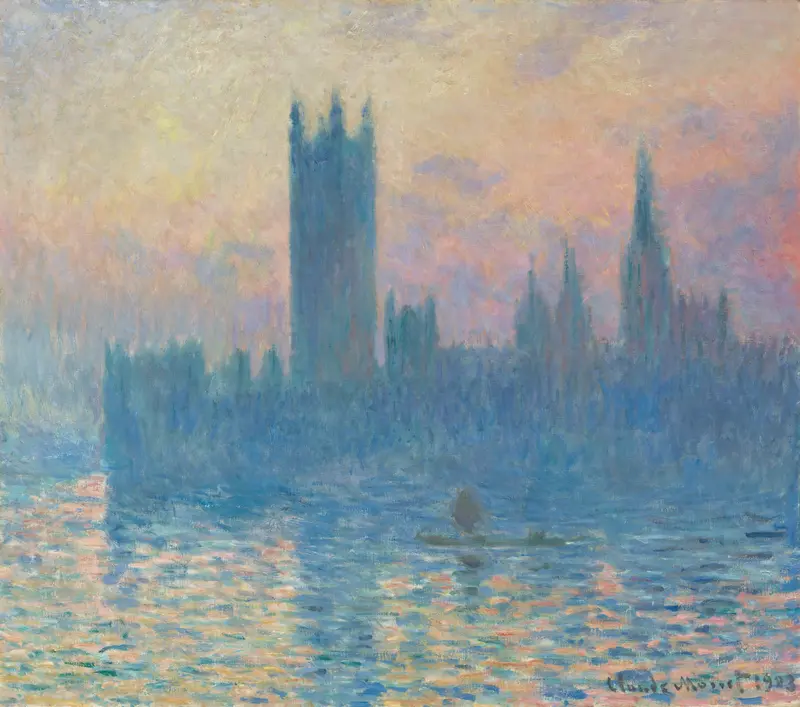
The Houses of Parliament, Sunset
Claude Monet
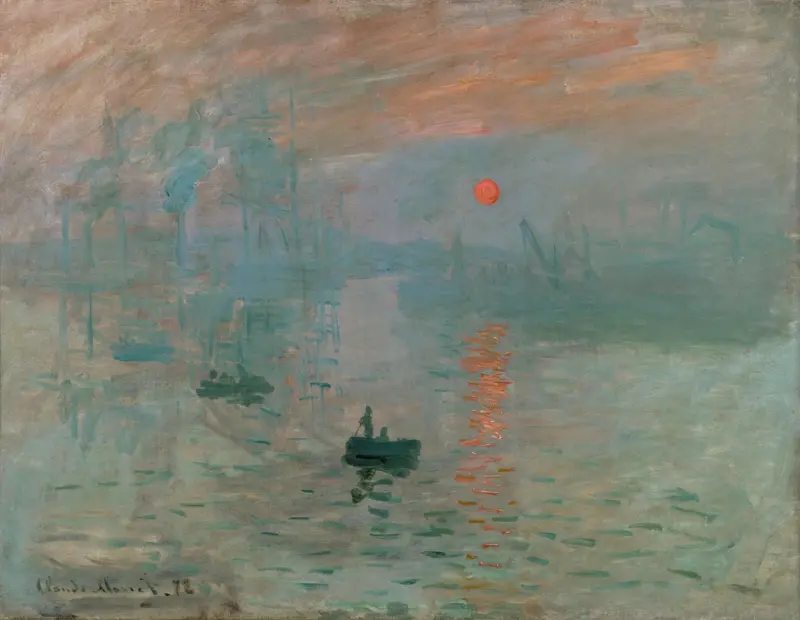
Impression, Sunrise
Claude Monet
More Landscape Art

The Starry Night
Vincent van Gogh

View of Delft
Johannes Vermeer

Water Lilies
Claude Monet

The Grand Canal, Venice, looking north-west from the Ca' Corner to the Ca' Contarini degli Scrigni, with the campanile of Santa Maria della Carità
Canaletto

Windsor Castle
Canaletto

The Grand Canal looking North-East from the Palazzo Dolfin-Manin to the Rialto Bridge
Canaletto