
The arrival of the Russian embassy in Amsterdam, 29 August — History & Facts
What first catches the eye is the sense of spectacle: a flotilla of richly adorned yachts glides across the Binnen Amstel, their prows pointed toward a floating pavilion crowned with allegorical figures. The painter, Abraham Storck, draws the viewer into the heart of a grand public event, where every detail—billowing flags, gilded ornament, the careful choreography of boats—signals ceremony and power. The light, gentle but insistent, falls on the floating construction at center, making it the axis around which the pageant turns.
To the left, the imposing Kloveniersdoelen and the medieval tower Swygt Utrecht anchor the scene in Amsterdam’s storied architecture, while the crowd lining the quay reminds us that this is as much a spectacle for the city as for its guests. This is a painting born of a world where the arrival of a foreign embassy was an occasion for civic theater, a chance for Amsterdam to display its wealth, order, and openness to the wider world. In the late seventeenth century, such scenes were not just commemorations but declarations—visual records of alliances, negotiations, and the city’s place in a shifting Europe. Paintings like this, produced between 1697 and 1708, were often commissioned by city officials or wealthy citizens eager to memorialize moments of political significance.
Though little is recorded about the specific journey of this work, its presence in the Rijksmuseum collection today invites us to linger over the details—the allegorical figures, the mirrored waters, the gathering clouds—and imagine the sound of oars, the murmur of the crowd, and the sense of possibility that filled the air that day.
More Artworks by Abraham Storck

The Muscovite legation visiting Amsterdam, 29 August 1697
Abraham Storck
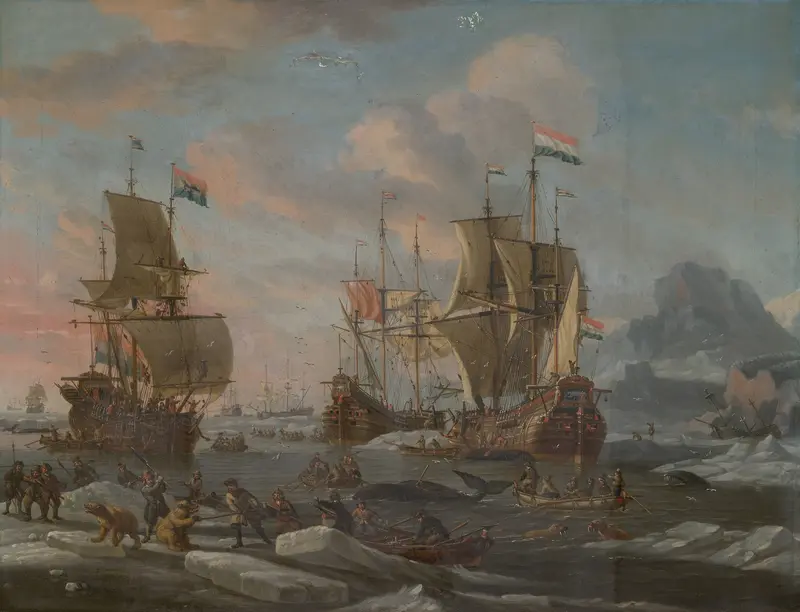
The Dutch Whaling Fleet
Abraham Storck
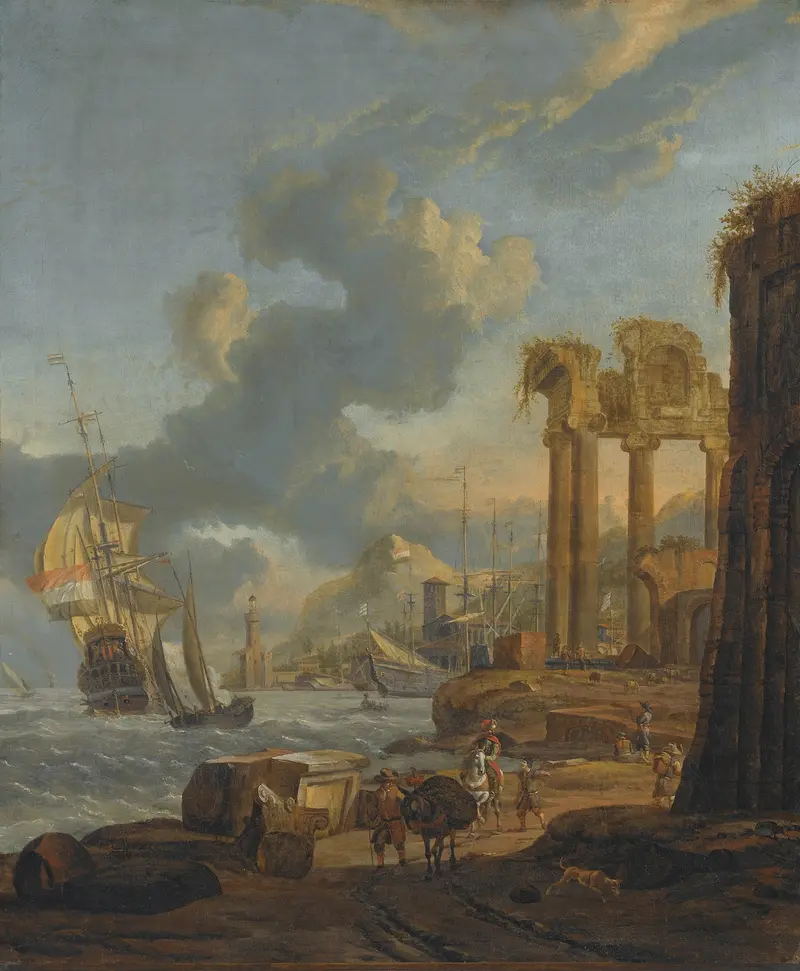
A Mediterranean Harbour Scene With Travellers On The Shore, A Dutch Man-Of-War On The Left
Abraham Storck
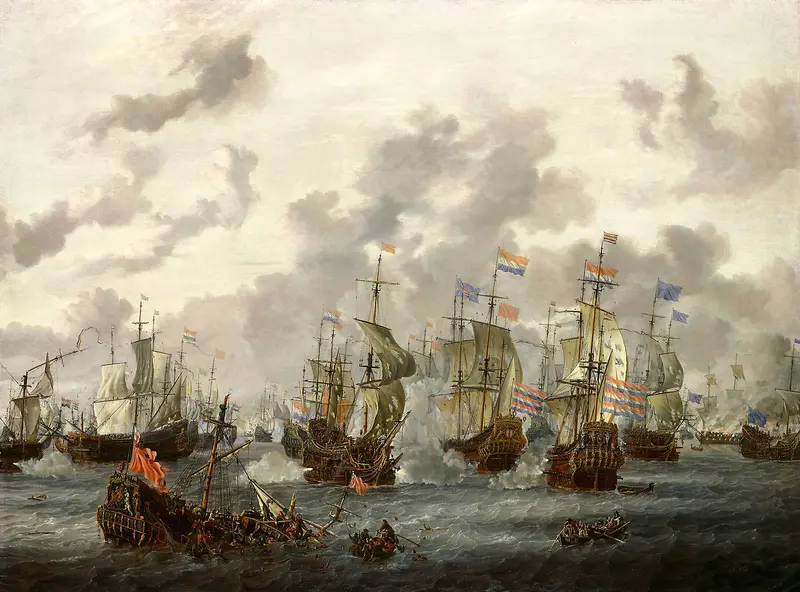
The Four Days’ Battle
Abraham Storck
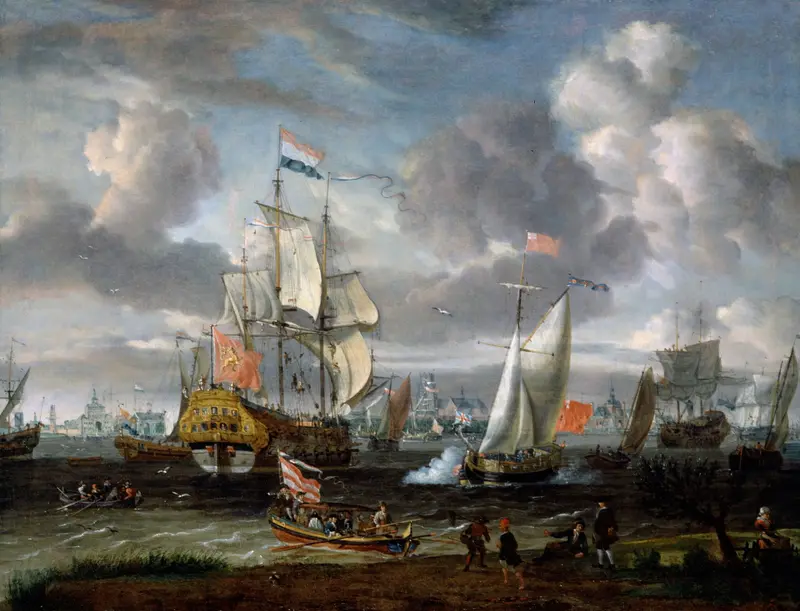
An English Yacht saluting a Dutch Man-of-War in the port of Rotterdam
Abraham Storck
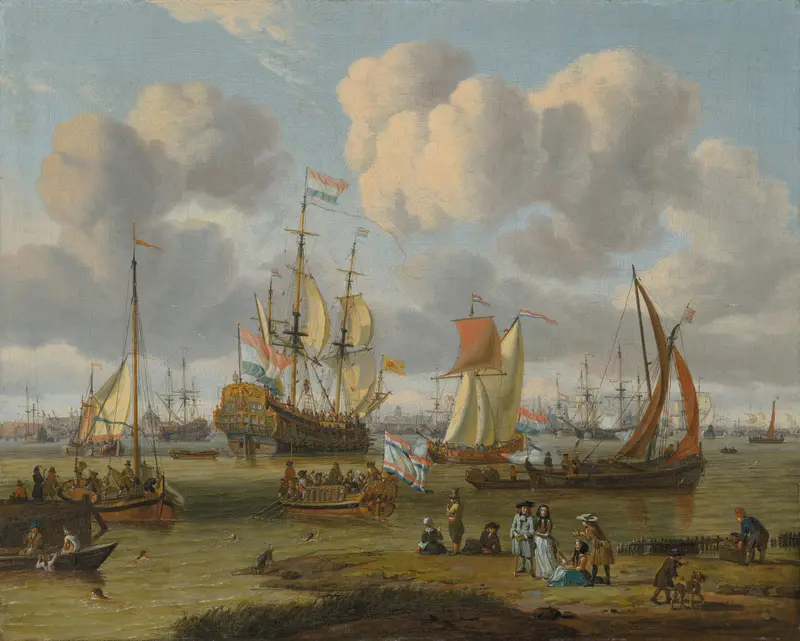
Shipping off Amsterdam with figures on a quay
Abraham Storck
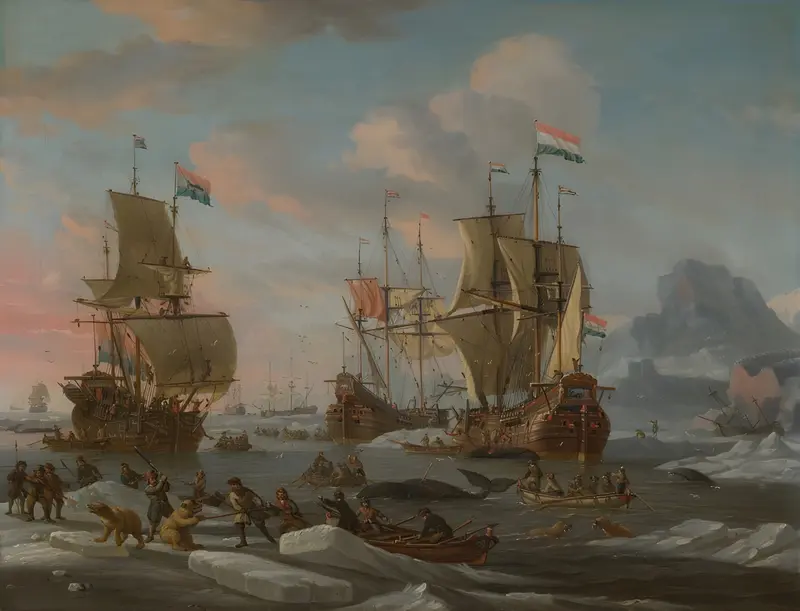
The Dutch Whaling Fleet
Abraham Storck
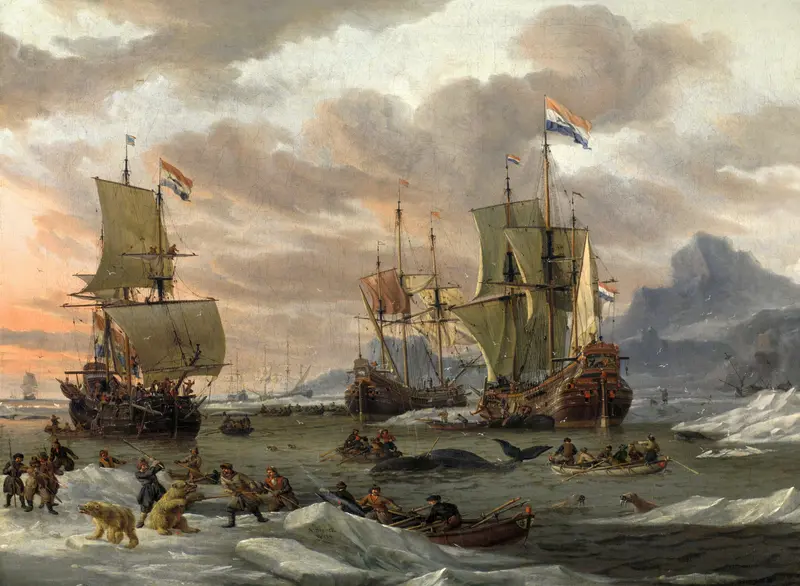
Whaling Grounds in the Arctic Ocean
Abraham Storck
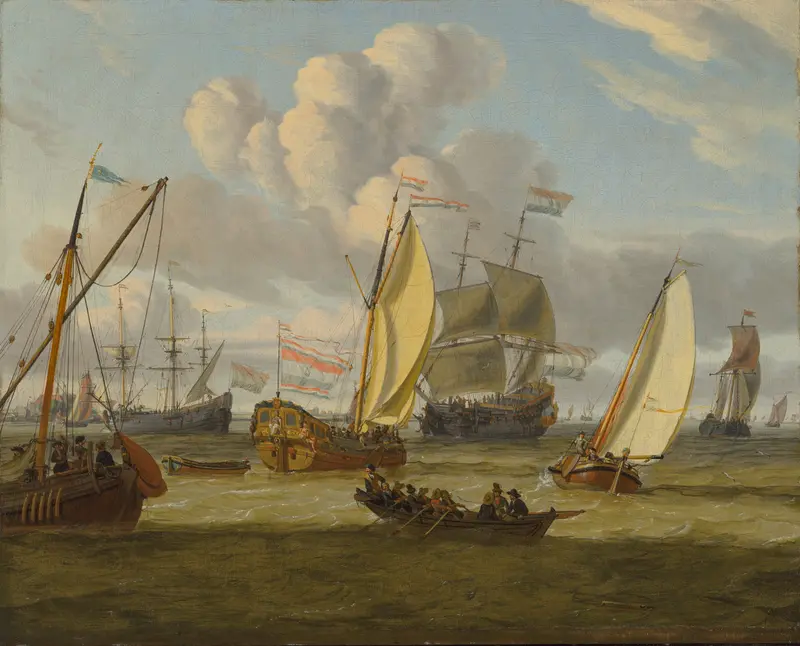
Shipping in an estuary
Abraham Storck
Grand navire de la couronne du Danemark près d’un littoral
Abraham Storck





