
The Art Gallery of Josephus Augustinus Brentano — History & Facts
What draws the eye first in The Art Gallery of Josephus Augustinus Brentano is not a single masterpiece, but the choreography of curiosity and connoisseurship that fills the room. Here, the act of collecting itself becomes a spectacle: paintings are not merely hung, they are handled, discussed, and admired by a lively gathering of men, women, and children. The light streams in from tall windows, illuminating the sheen of gilded frames and the eager faces of guests clustered around a fresh shipment of Italian canvases.
Every gesture is charged with meaning—one man kneels to unwrap a painting, another points with a cane, while a small child gazes up, already learning the rituals of taste. Even the family dog, poised at the edge, seems drawn into the collective anticipation. This is a world in which art collecting was both a private passion and a public performance, especially in the prosperous Amsterdam of the late eighteenth century. The walls, crowded with mythological and biblical scenes, reflect the era’s hunger for Italian art and the prestige attached to owning it.
Such gatherings were not uncommon among the city’s elite: collectors like Brentano would invite friends, artists, and fellow aficionados to view new acquisitions, turning their homes into informal salons. Painted between 1790 and 1799, Adriaan de Lelie’s work captures this moment of cultural exchange, where the boundaries between patron, artist, and audience blur. The painting invites us to linger, to imagine ourselves among the guests, and to wonder what stories lie behind each frame within the frame.
More Artworks by Adriaan de Lelie
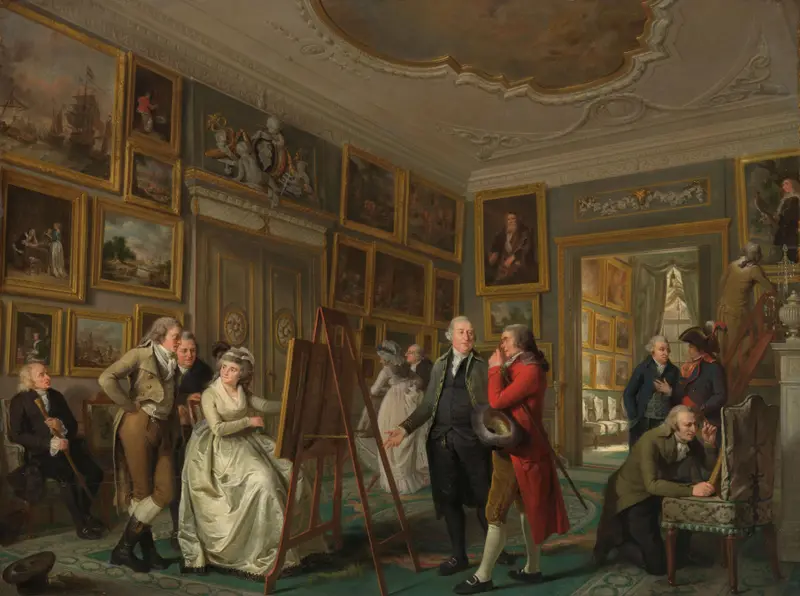
The Art Gallery of Jan Gildemeester Jansz
Adriaan de Lelie
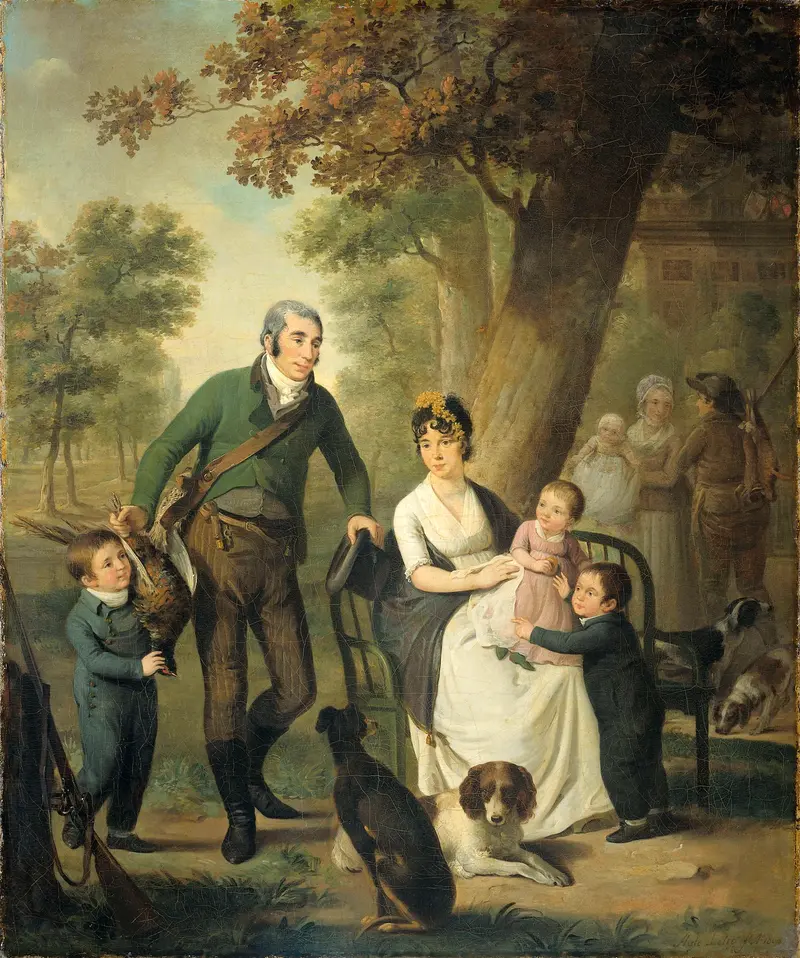
Jonkheer Gysbert Carel Rutger Reinier van Brienen van Ramerus(1771-1821), with his Wife and four of their Children
Adriaan de Lelie
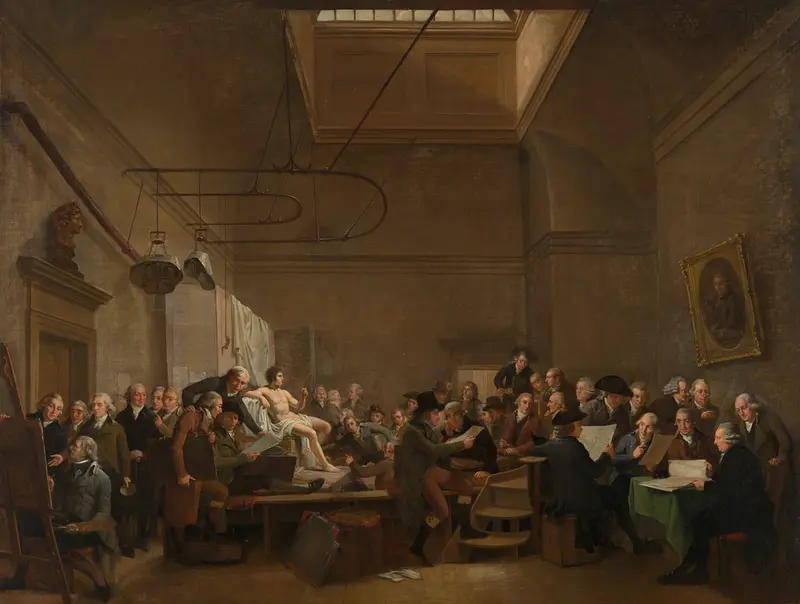
The Drawing Gallery of the Felix Meritis Society
Adriaan de Lelie
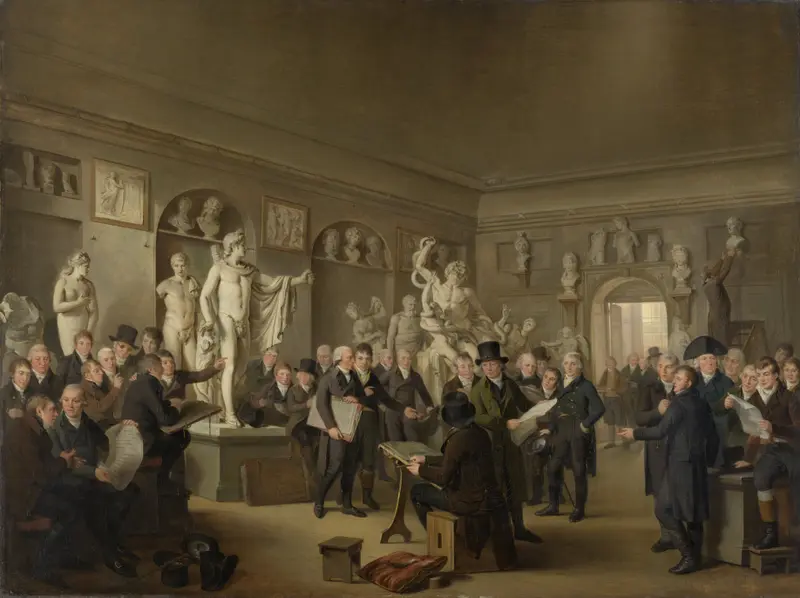
The Sculpture Gallery of the Felix Meritis Society
Adriaan de Lelie
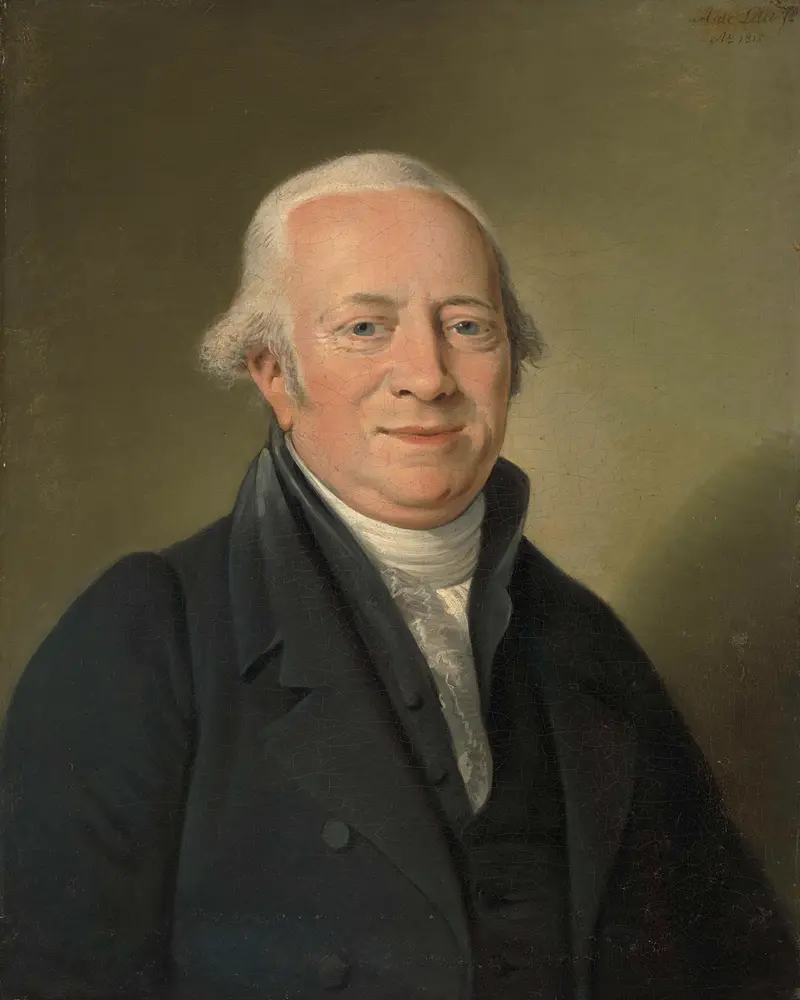
Cornelis Sebille Roos (1754-1820), Amsterdam Art Dealer and Keeper of the Nationale Konst-Gallery in Huis ten Bosch, The Hague
Adriaan de Lelie
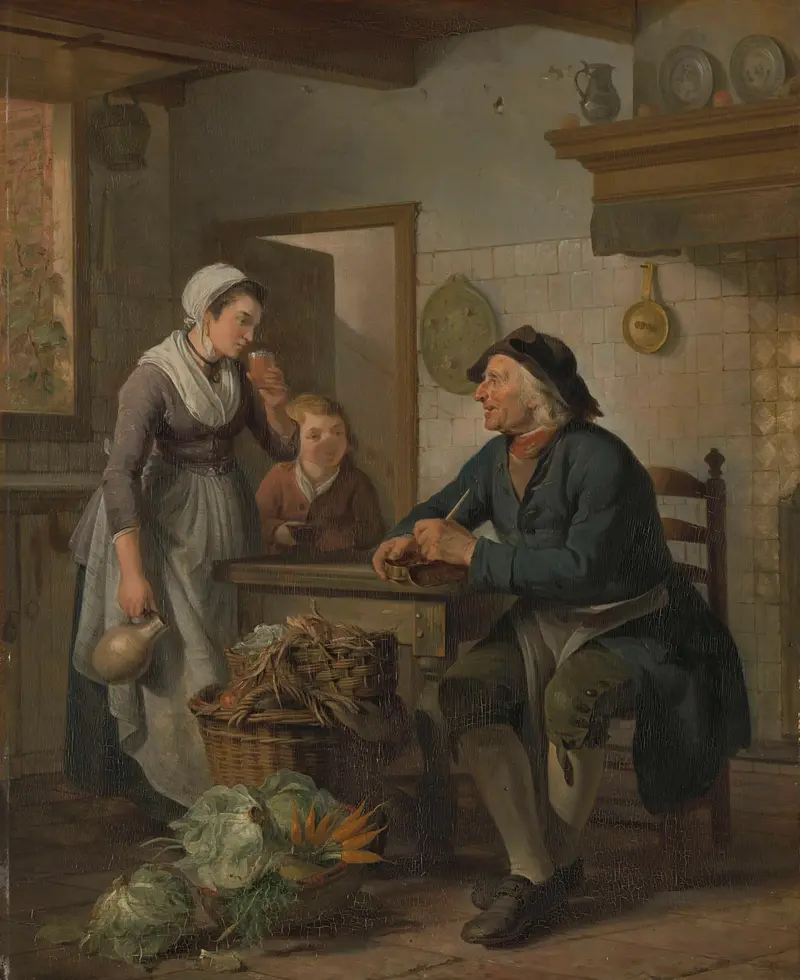
Morning Visit
Adriaan de Lelie
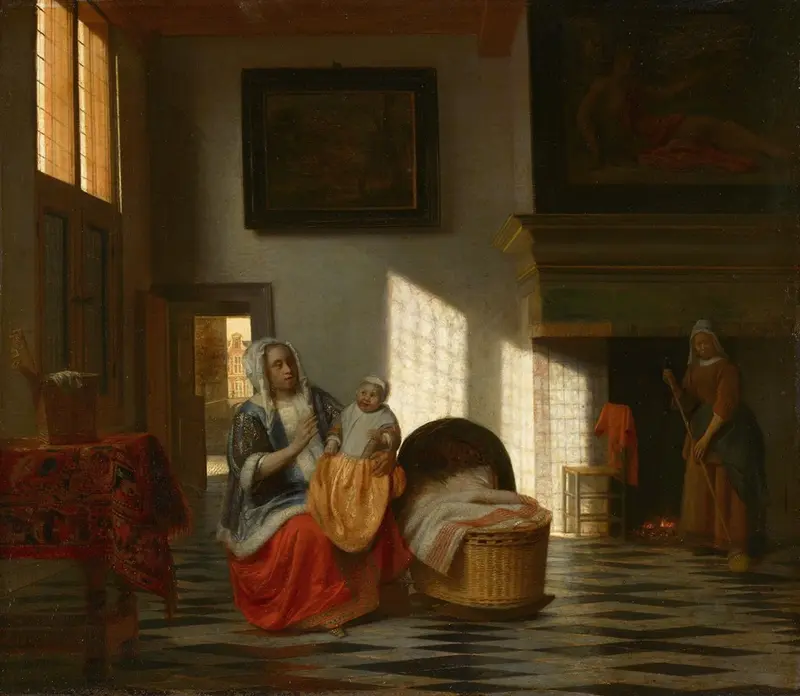
Mother and Two Children with Still Life
Adriaan de Lelie
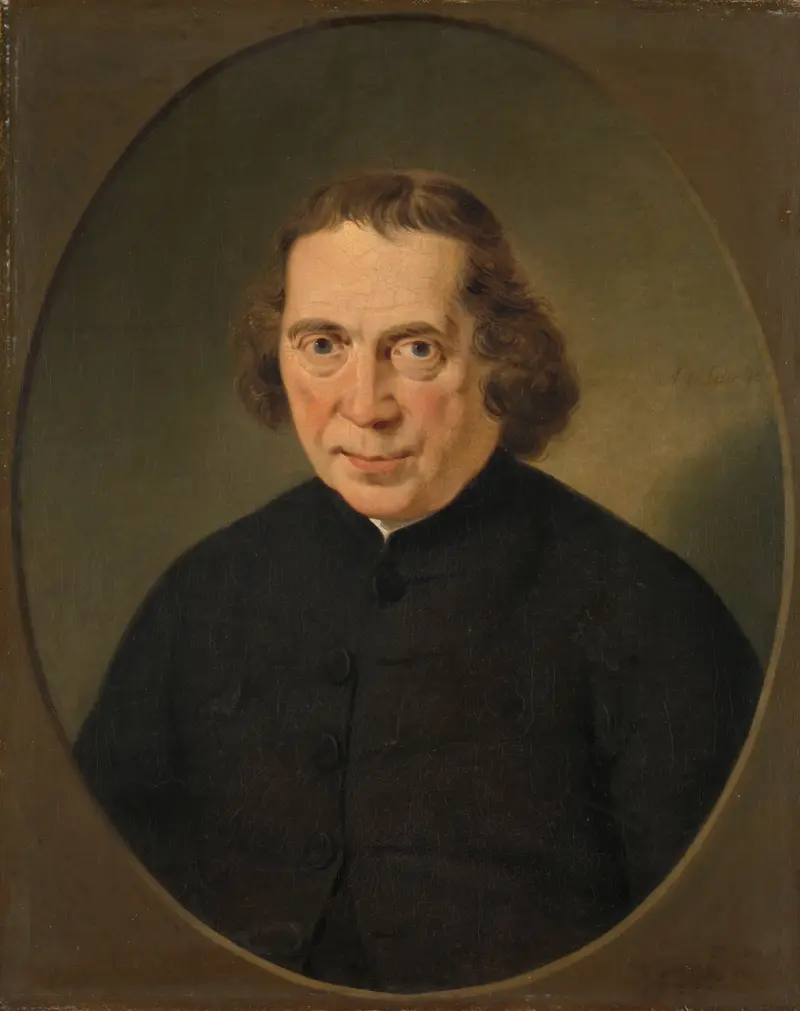
Portrait of Jan Nieuwenhuyzen
Adriaan de Lelie
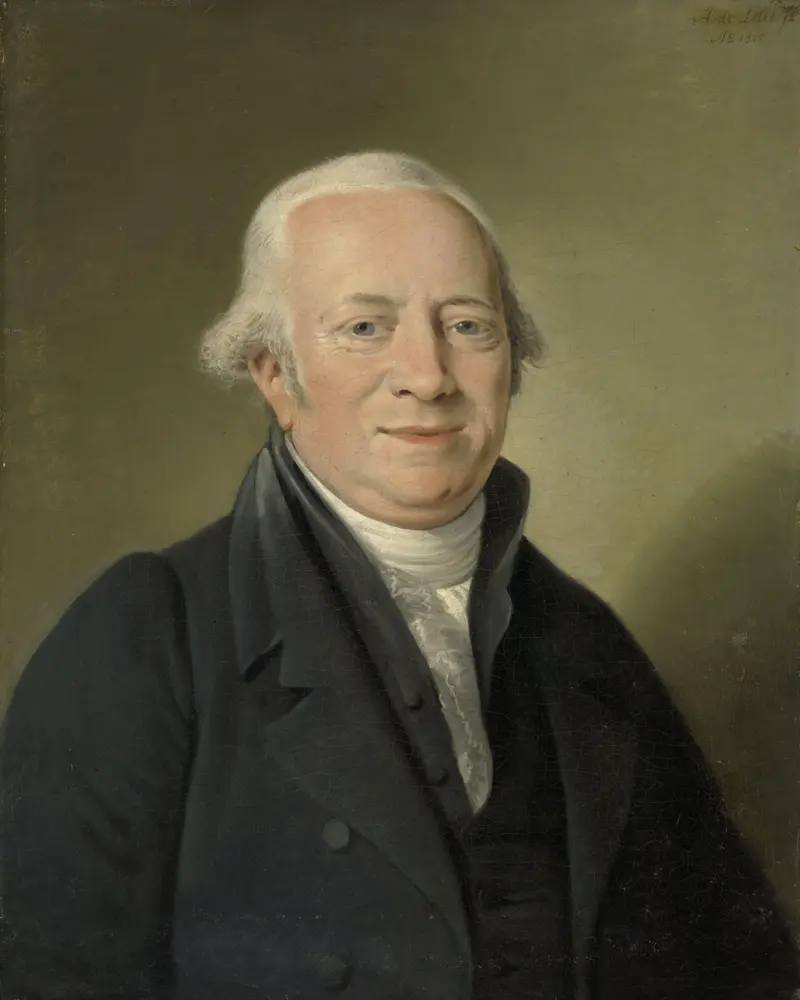
Portrait of Cornelis Sebille Roos, Art Dealer in Amsterdam and Inspector of the National Konst-Gallery and the Huis ten Bosch in The Hague
Adriaan de Lelie
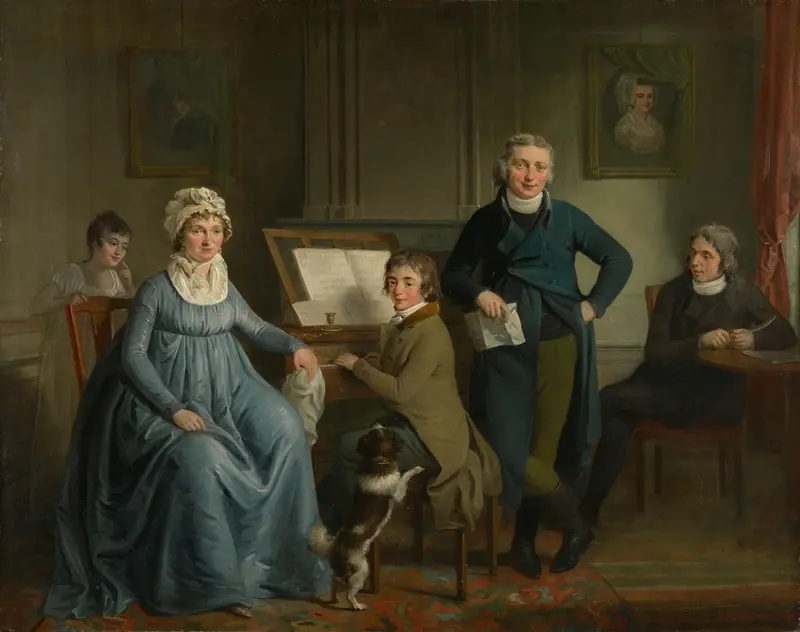
Musical family
Adriaan de Lelie
More Genre Scene Art

Banquet of the Officers of the St George Civic Guard
Frans Hals

Rembrandt and Saskia in the Scene of the Prodigal Son
Rembrandt van Rijn

Bal du moulin de la Galette
Pierre-Auguste Renoir

Quadrille at the Moulin Rouge
Henri de Toulouse-Lautrec

A Burial at Ornans
Gustave Courbet

When Will You Marry?
Paul Gauguin