
The Augustus Bridge in Dresden — History & Facts
Two figures lean quietly over a railing, their backs to us, as if inviting the viewer to join in their silent contemplation of the broad Augustus Bridge stretching across the river. The eye is drawn first to the luminous arches of the bridge, each one catching a glimmer of light that breaks through the heavy, rolling sky. The broad sweep of clouds and the streaks of brightness above the horizon create a sense of vastness, while the distant hills and clustered trees anchor the scene in a specific, remembered place.
The figures, rendered almost as silhouettes, become stand-ins for anyone pausing to take in the view—there is a hush to their gesture, a sense of shared solitude. Painted in the 1820s, this work belongs to the world of Caspar David Friedrich, a time when German artists were turning their gaze both outward to nature and inward to the self. Landscapes like this—quiet, meditative, and charged with atmosphere—were not merely topographical records, but invitations to reflection, often commissioned by collectors eager to possess a piece of the era’s new fascination with mood and memory. The Augustus Bridge, a landmark of Dresden, stands here not as a feat of engineering but as a threshold between the city and the open country, the known and the unknown.
History has kept few traces of this particular painting, preserved in a 1931 volume dedicated to lost Romantic masterpieces, but the image still asks us to pause and look again, as if we too are leaning into the evening air.
More Artworks by Caspar David Friedrich
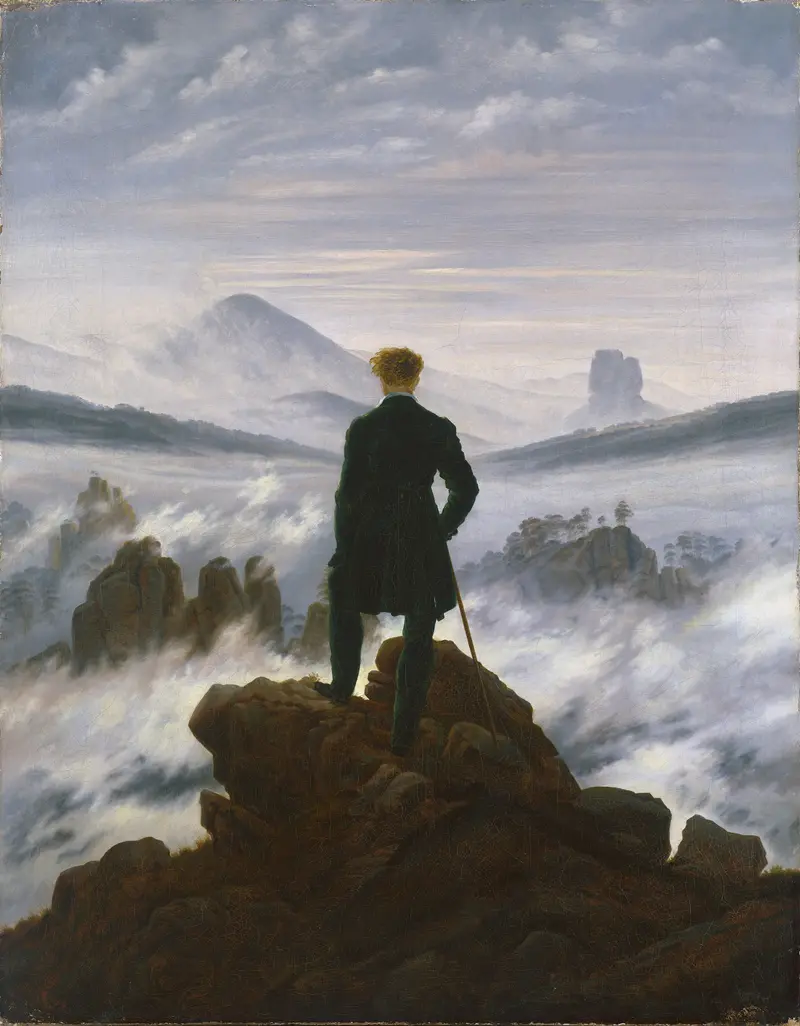
Wanderer above the Sea of Fog
Caspar David Friedrich

The Sea of Ice
Caspar David Friedrich
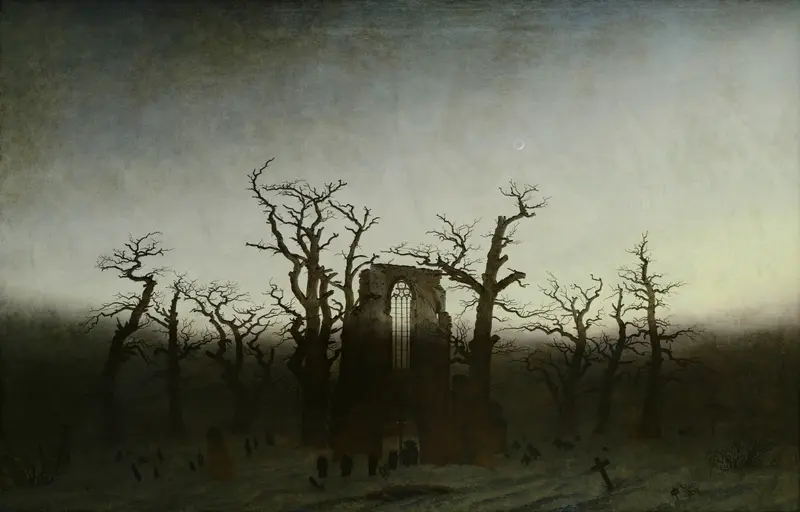
The Abbey in the Oakwood
Caspar David Friedrich
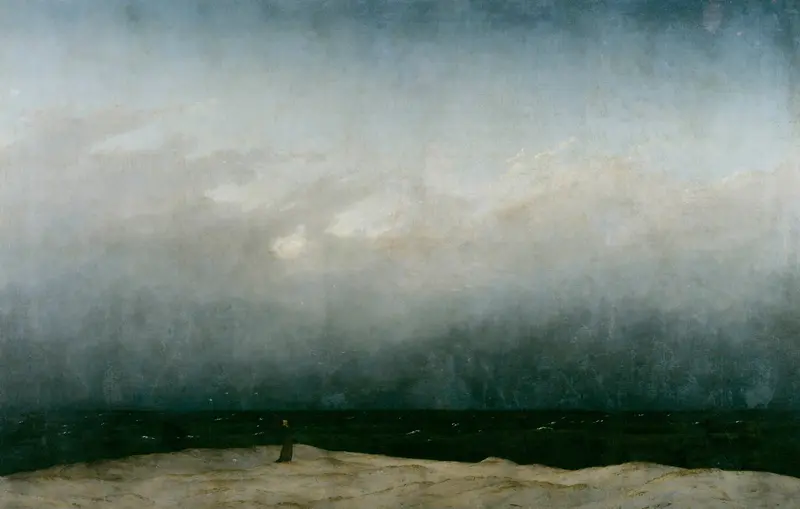
The Monk by the Sea
Caspar David Friedrich
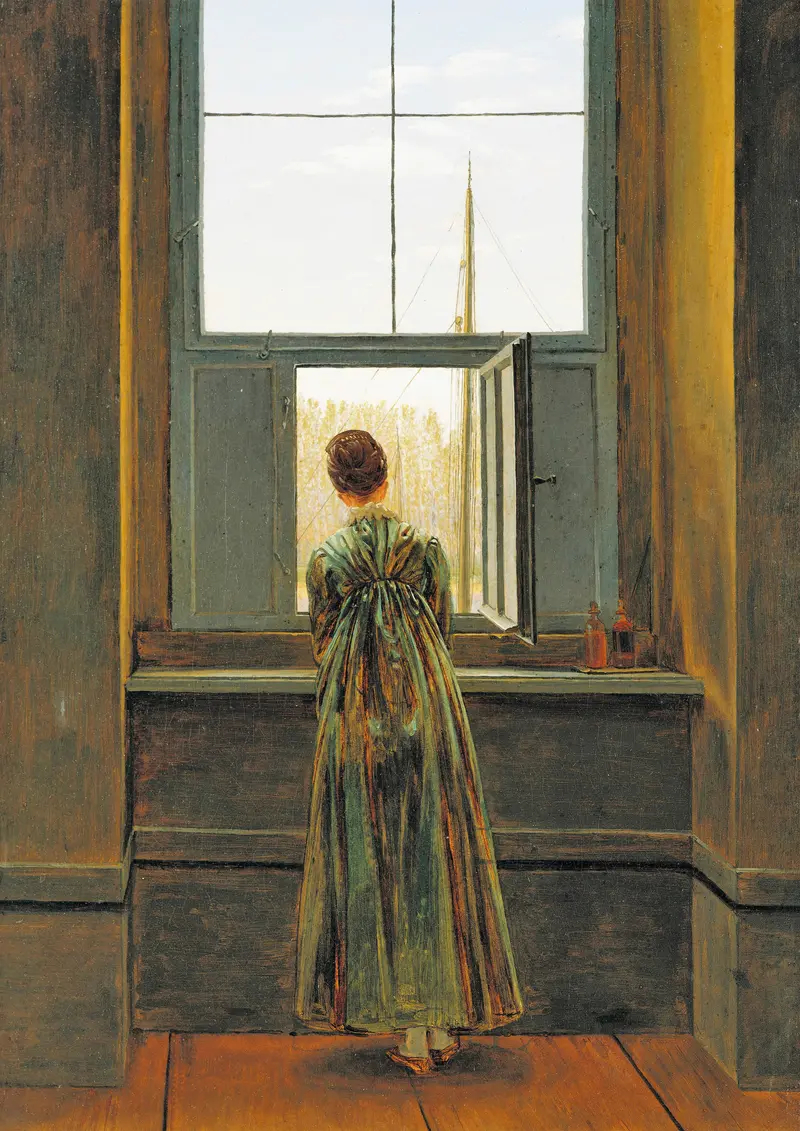
Woman at a Window
Caspar David Friedrich
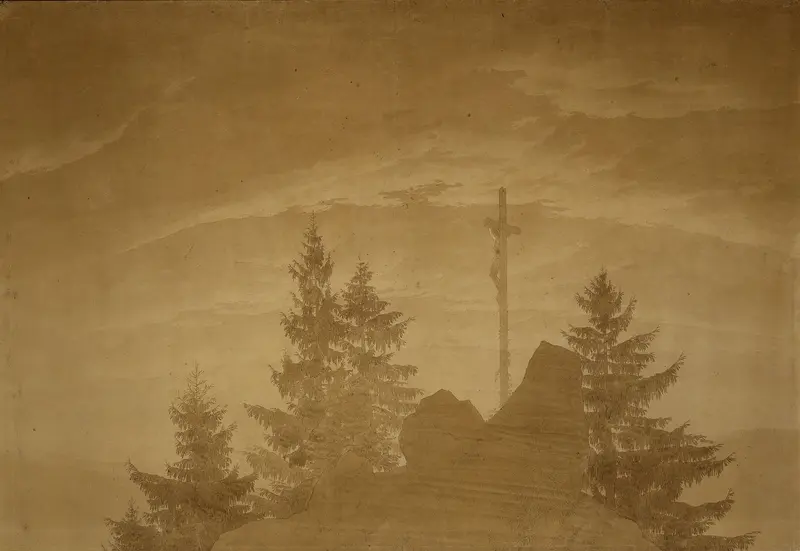
Cross in the Mountains
Caspar David Friedrich
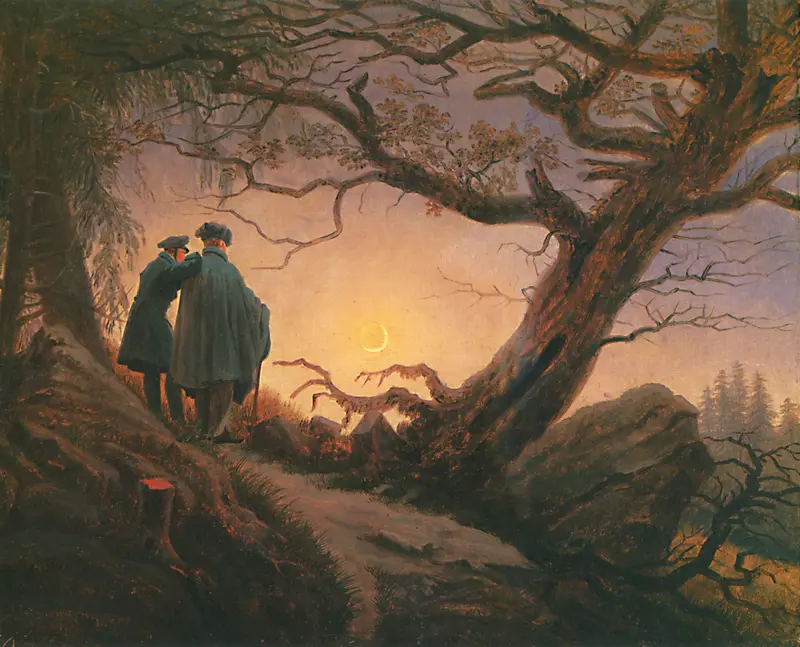
Two Men Contemplating the Moon
Caspar David Friedrich
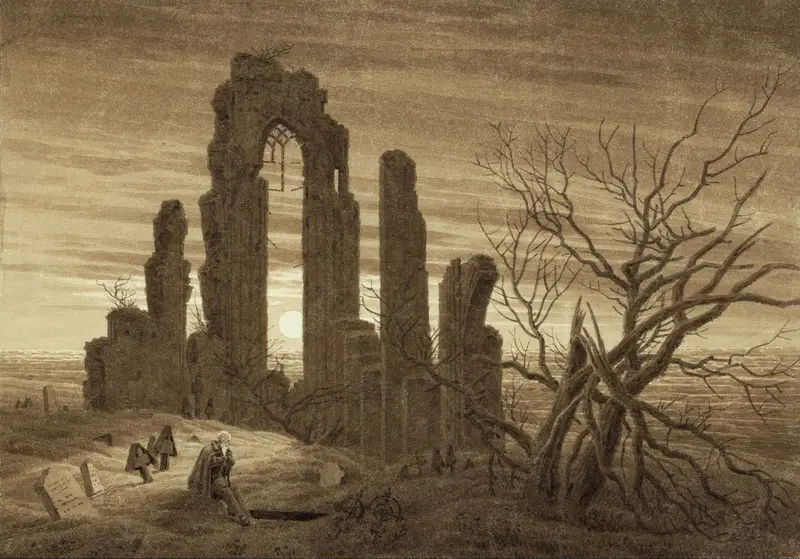
Winter – Night – Old Age and Death (from the times of day and ages of man cycle of 1803)
Caspar David Friedrich
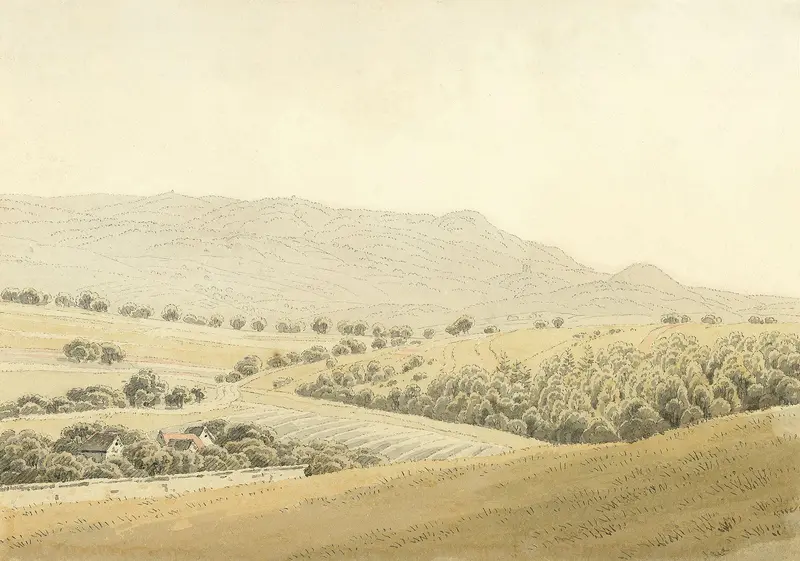
Mittelgebirgslandschaft
Caspar David Friedrich

Landschaft mit gebirgsee, morgen
Caspar David Friedrich
More Landscape Art

The Starry Night
Vincent van Gogh

View of Delft
Johannes Vermeer

Water Lilies
Claude Monet

The Grand Canal, Venice, looking north-west from the Ca' Corner to the Ca' Contarini degli Scrigni, with the campanile of Santa Maria della Carità
Canaletto

Windsor Castle
Canaletto

The Grand Canal looking North-East from the Palazzo Dolfin-Manin to the Rialto Bridge
Canaletto