
The Banks of the Oise — History & Facts
Could a single brushstroke hold eternity? In The Banks of the Oise, nostalgia emerges as a quiet yet powerful undercurrent, inviting us to linger in a moment suspended between memory and reality. Focus on the vibrant hues that breathe life into the canvas. The lush greens of the trees draw your eye toward the serene waters, their surface shimmering with hints of blue and gold. Notice how the painter’s confident strokes create a harmonious balance between light and shadow, evoking a sense of tranquility and introspection.
The gentle curves and soft blending of colors suggest a gentle breeze, inviting you to step closer and immerse yourself in the scene. Delve deeper into the emotional landscape captured here. The juxtaposition of the flowing river and the solid, rooted trees symbolizes the tension between permanence and transience. Each detail, from the rippling water to the whispering leaves, echoes a longing for simpler times, while the absence of human figures stirs feelings of solitude and reflection.
It’s as if the artist is urging us to confront our own memories, the fleeting nature of life, and the enduring beauty found in moments of stillness. Henri Rousseau painted The Banks of the Oise around 1907, during a period of personal and artistic exploration. Living in Paris amid an evolving art scene, he was largely self-taught and often dismissed by critics. However, this painting reflects his characteristic style, blending imaginative landscapes with vivid color palettes, all while capturing an essence of dreams and reminiscence that would eventually influence future generations of artists.
More Artworks by Henri Rousseau
Browse all →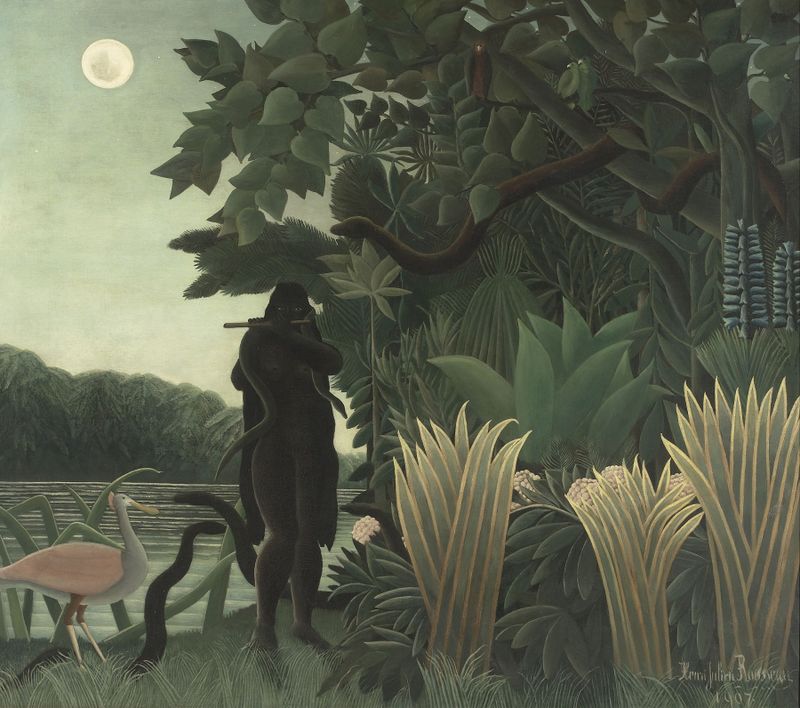
The Snake Charmer
Henri Rousseau
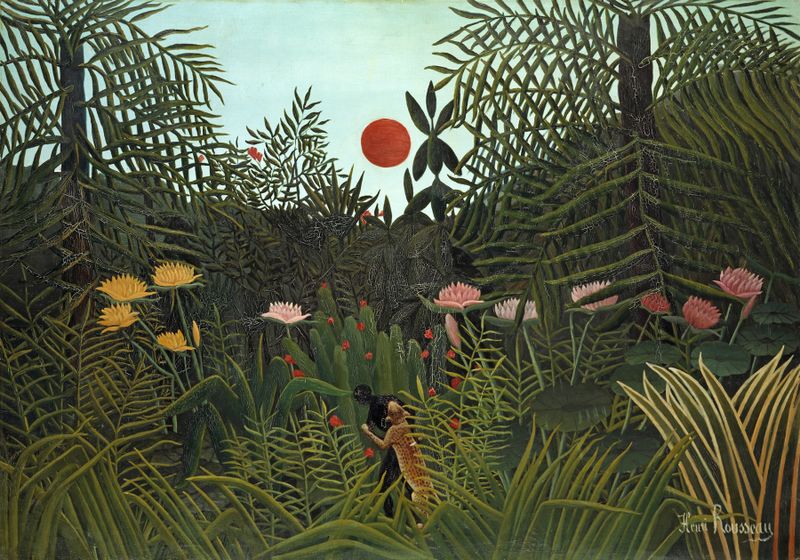
Jungle with Setting Sun
Henri Rousseau
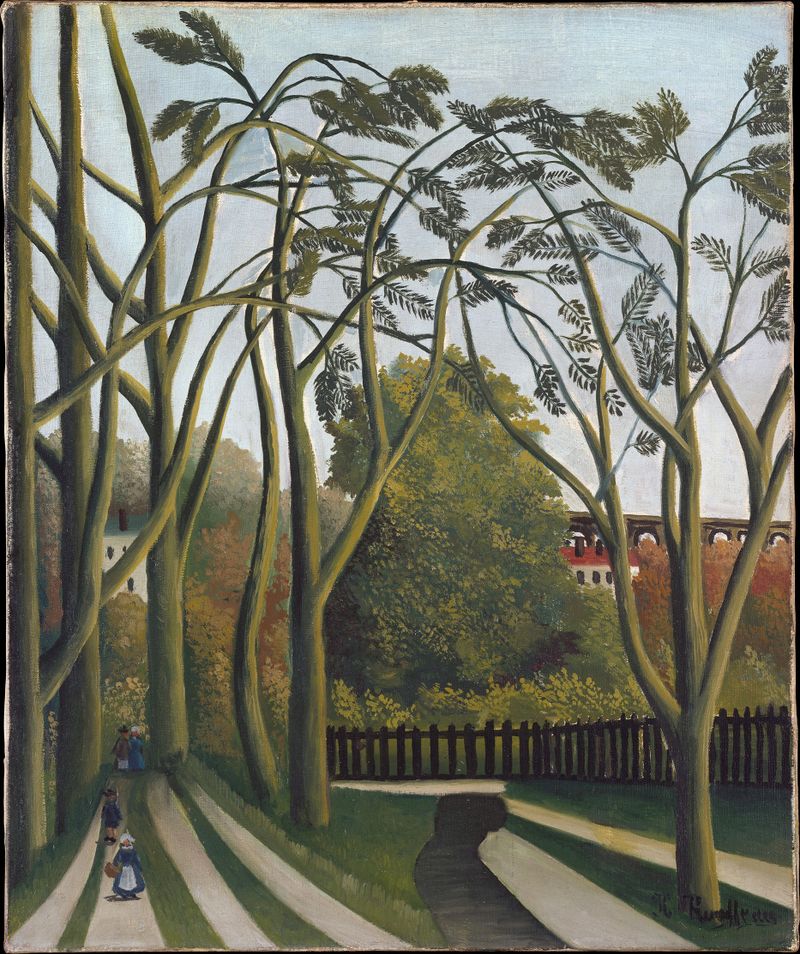
The Banks of the Bièvre near Bicêtre
Henri Rousseau
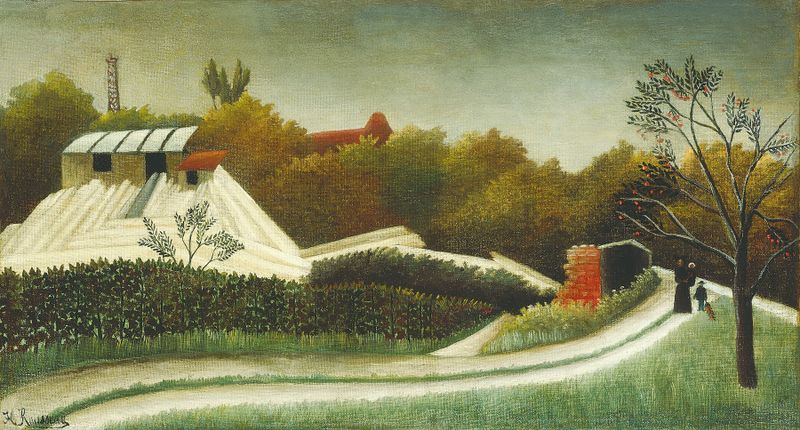
Sawmill, Outskirts of Paris
Henri Rousseau
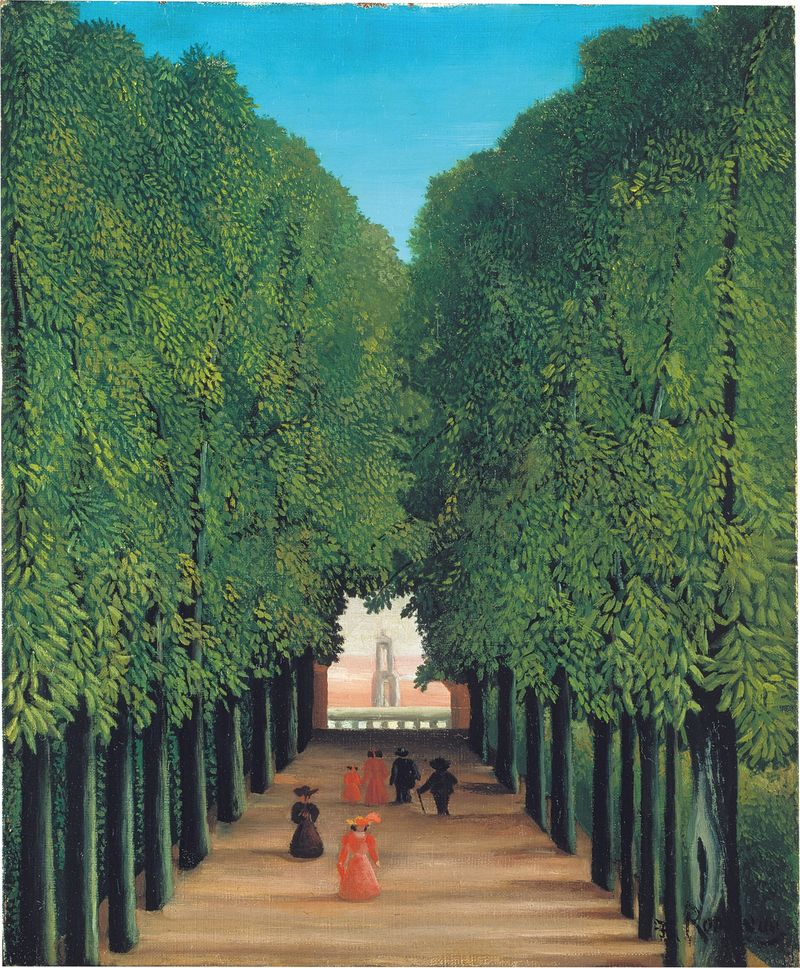
The Avenue in Saint-Cloud Park
Henri Rousseau

Sawmill, Outskirts of Paris
Henri Rousseau
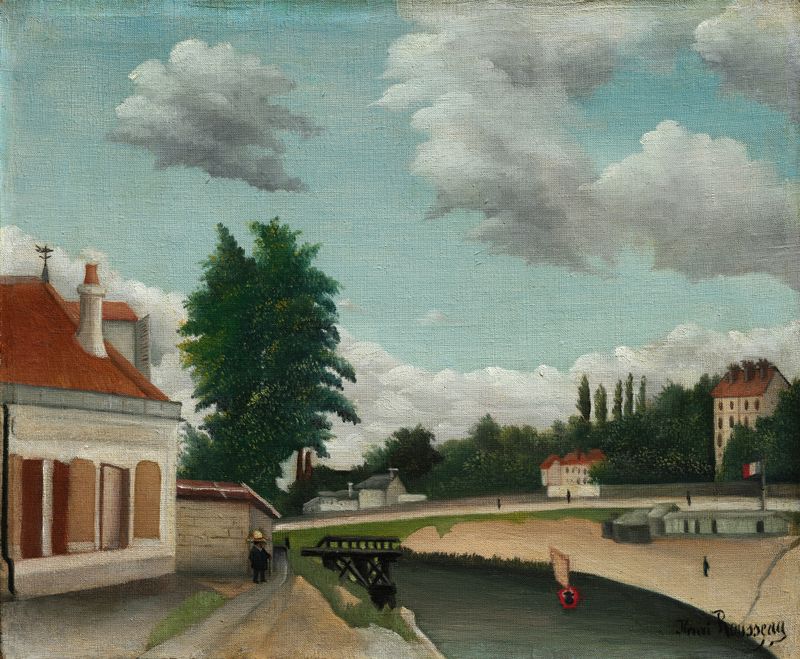
Outskirts of Paris
Henri Rousseau
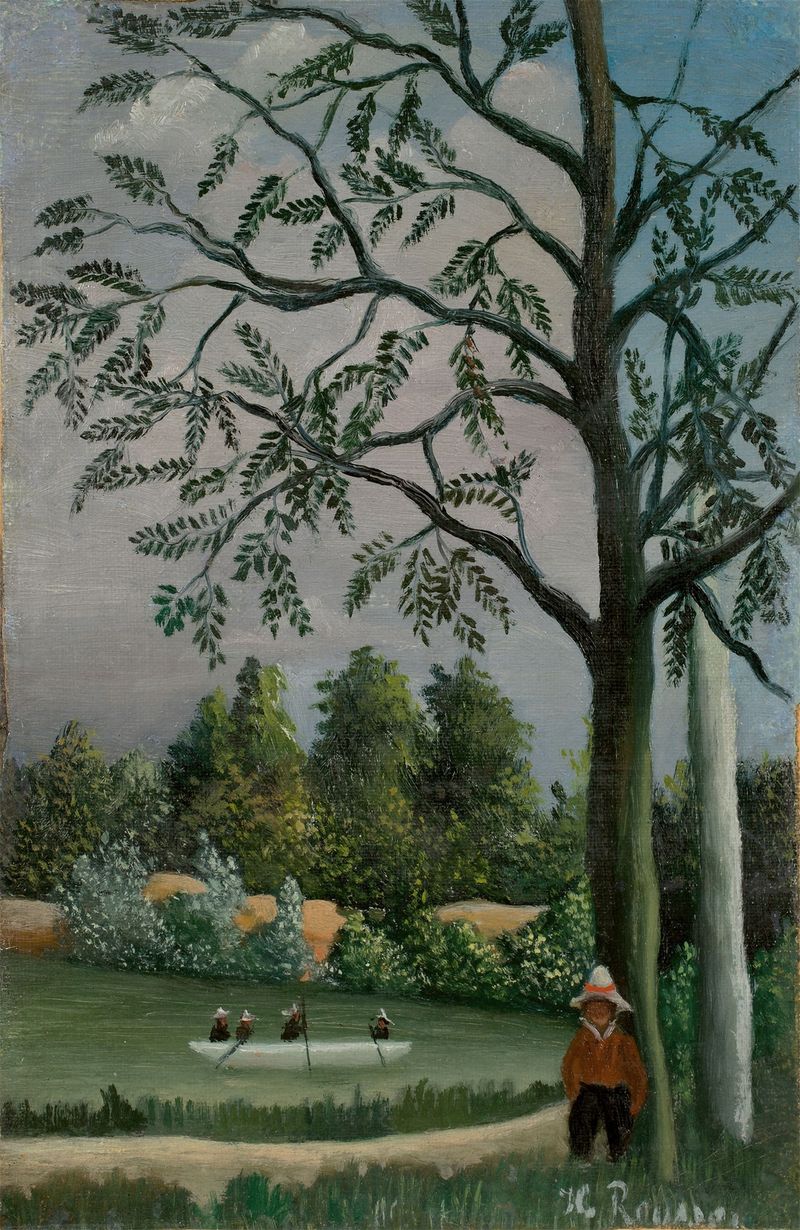
Paysage avec des pêcheurs
Henri Rousseau
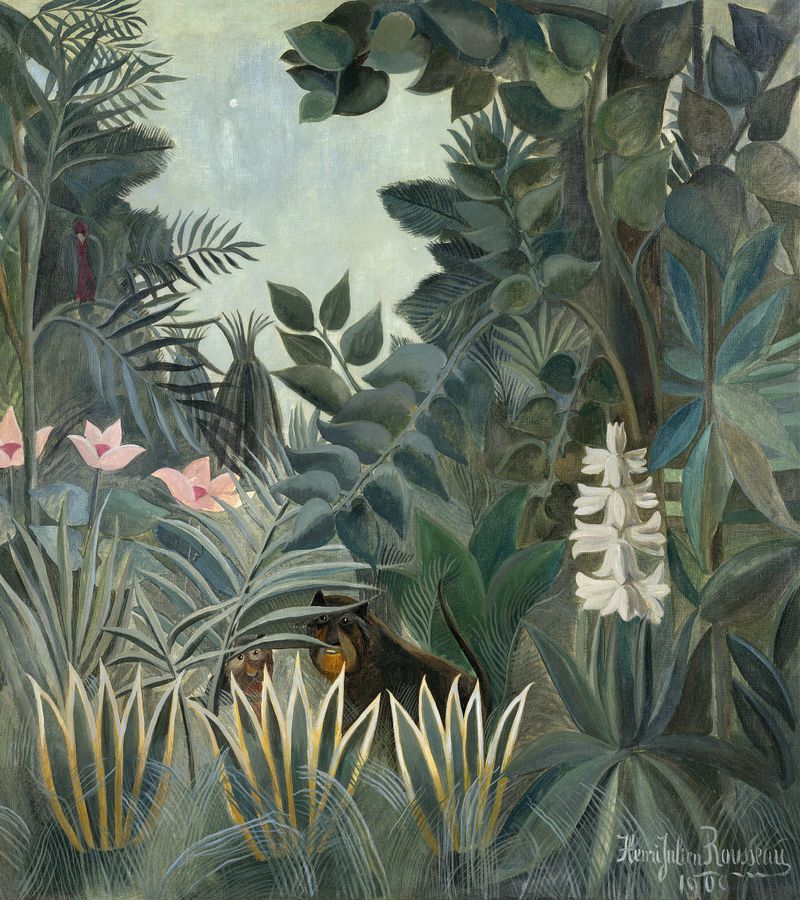
The Equatorial Jungle
Henri Rousseau
Tropical Forest with Monkeys
Henri Rousseau





