
The Barn — History & Facts
What if silence could speak through light? In The Barn, the stillness of the countryside whispers stories of labor and time, imbuing the scene with a sense of movement that transcends mere visibility. Focus on the sun-drenched wooden planks of the barn, where warm hues of ochre and gold blend seamlessly, evoking the glow of a late afternoon. Notice how the shadows elongate, creating a rhythm that suggests the quiet hustle of life hidden within its walls. The brushwork is both precise and loose, capturing the textured grain of the timber and the gentle sway of the surrounding grasses, inviting you to linger on each detail. The juxtaposition between light and shadow reveals deeper tensions; the barn, a symbol of shelter and toil, stands resilient against the passage of time.
The hints of verdant foliage in the background evoke a sense of life, while the solitary barn conveys solitude, suggesting a narrative of those who have come and gone. Each stroke seems to echo the echoes of footsteps, the whispered conversations lost to the wind, reminding us of movement even in stillness. Ernest Haskell painted The Barn in 1923, during a period of personal reflection and artistic evolution. Having spent time in New England, Haskell was deeply influenced by the American landscape and its simplicity.
This era, marked by a growing interest in regionalism, inspired him to capture the beauty of rural life, bridging the gap between realism and an emotional connection to nature.
More Artworks by Ernest Haskell
Browse all →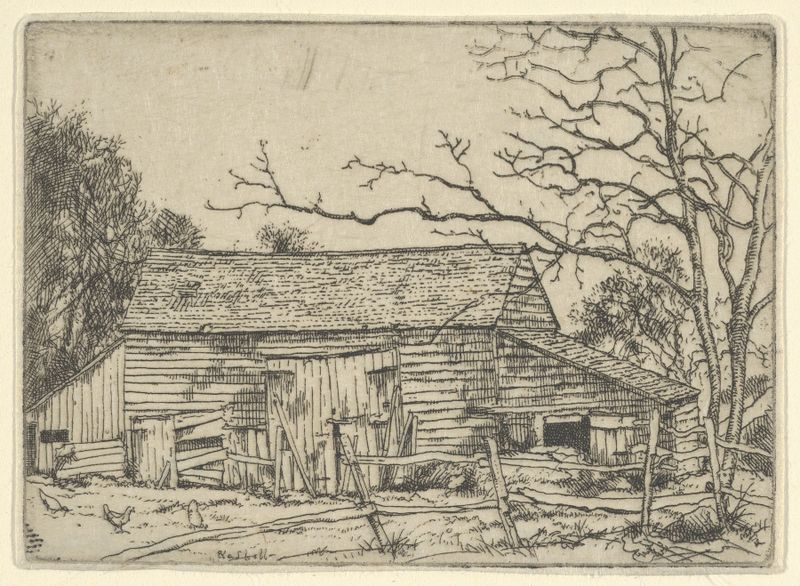
The Barn–Staten Island, N.Y.
Ernest Haskell

Four Live Oaks
Ernest Haskell
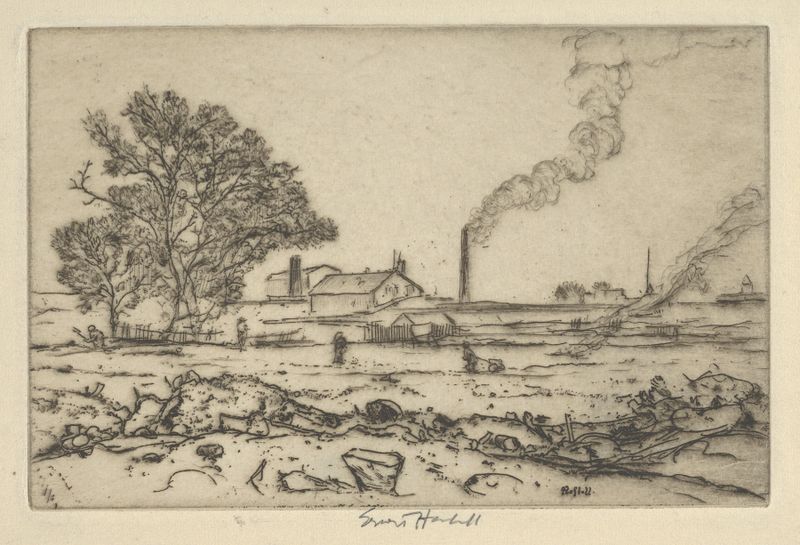
Outskirts of Boston
Ernest Haskell
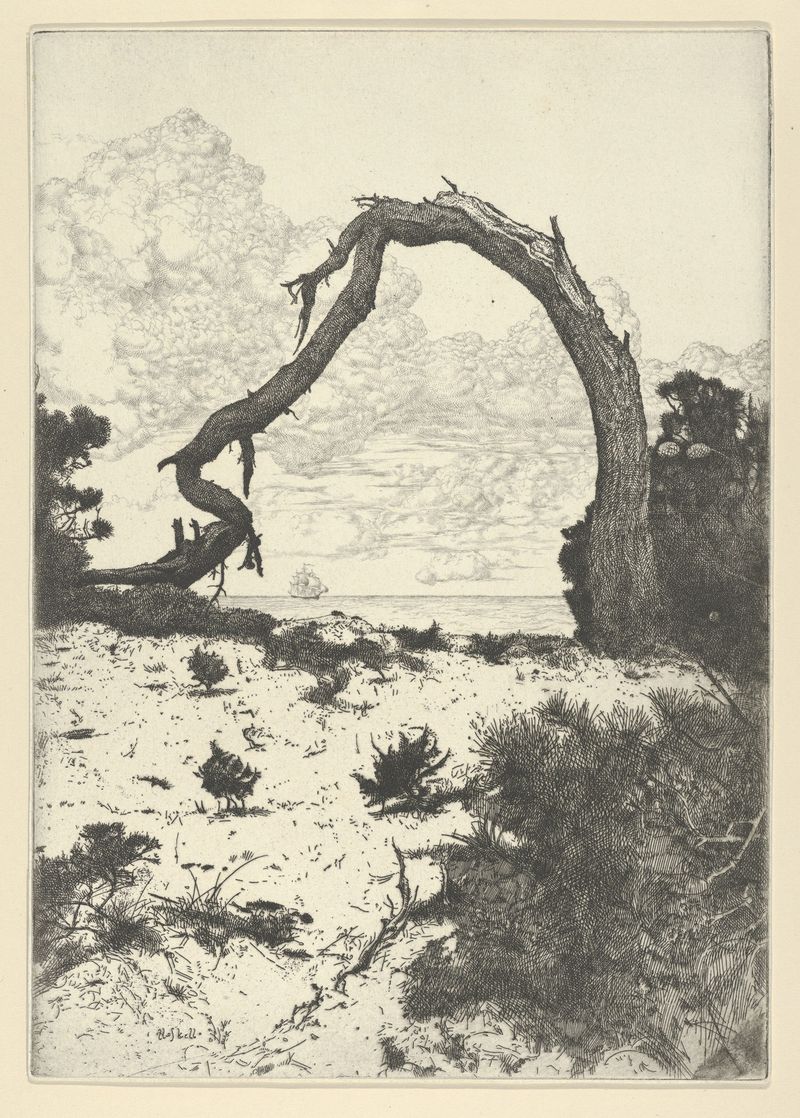
Pine Arch
Ernest Haskell

General Sherman
Ernest Haskell
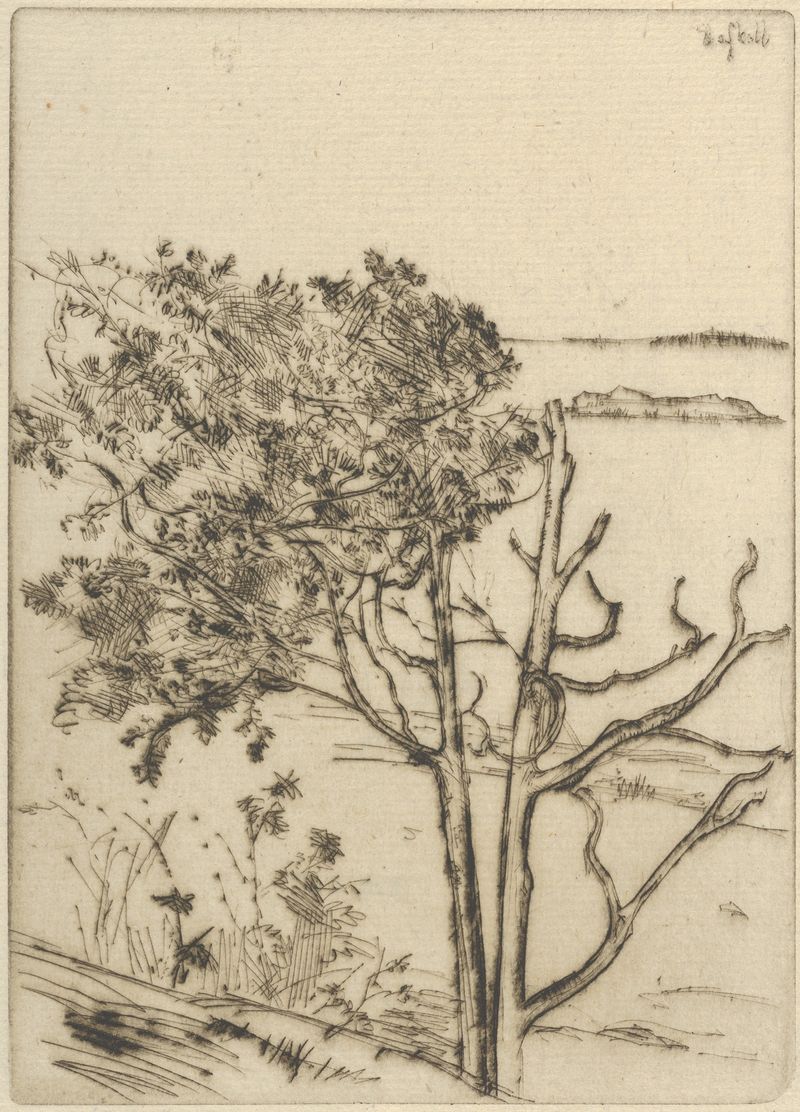
Ragged Tree – Maine
Ernest Haskell

Tide Mill
Ernest Haskell

Ship Building
Ernest Haskell
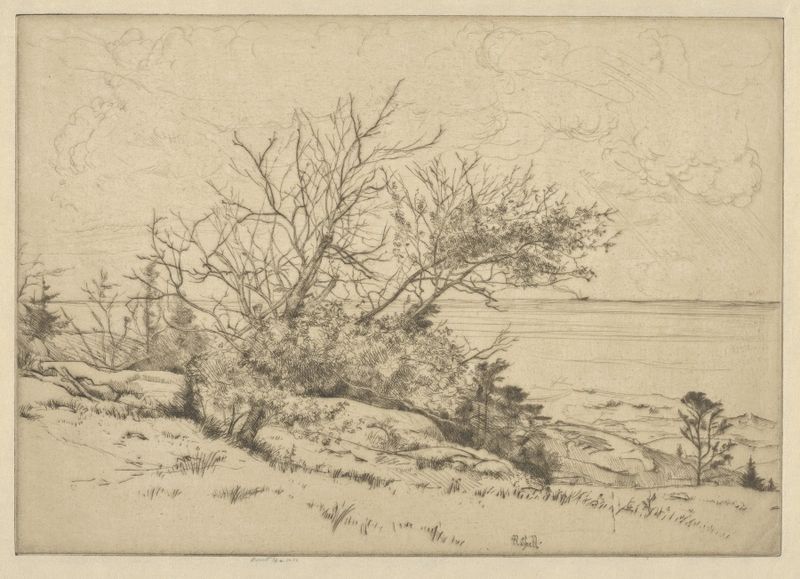
To the Southward – Ragged Island, Me.
Ernest Haskell
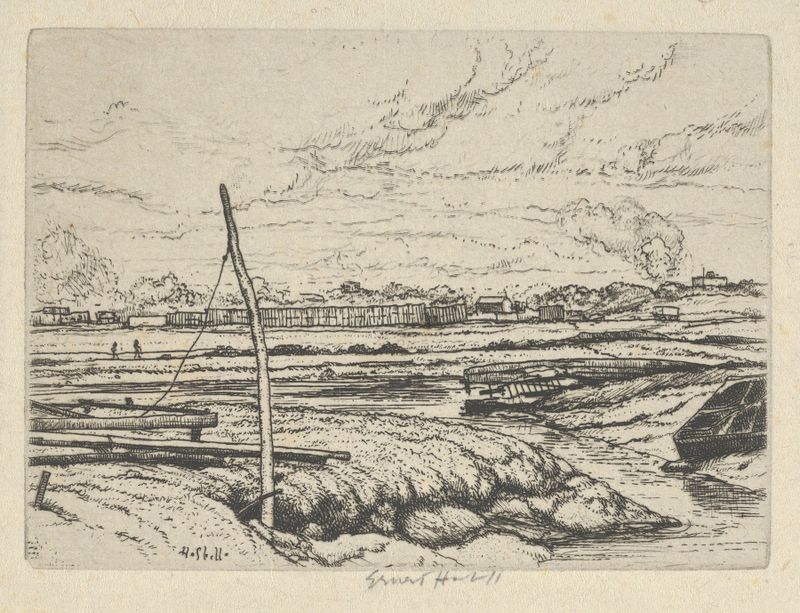
Long Island Marshes
Ernest Haskell





