The Bath of Diana — History & Facts
What if beauty was never meant to be finished? In The Bath of Diana, the ephemeral quality of life is captured in a moment suspended between the divine and the fleeting. Focus on the serene figures of the nymphs surrounding the goddess. Notice how the soft, dappled light filters through the trees, illuminating their skin with a gentle glow. The lush greens of the foliage contrast with the delicate pastels of the figures, creating a harmonious composition that invites the eye to wander yet holds it in a tranquil embrace.
The fluid brushstrokes evoke an ethereal atmosphere, while the careful placement of Diana exudes both regal presence and vulnerability. Beneath the surface of this idyllic scene lies a tension between sensuality and innocence. The nymphs, caught in a moment of reverie, embody the bliss of youth and beauty, yet their proximity to the goddess suggests a deeper connection to mortality. The calm waters reflect not just the forms above but also the inevitable passage of time, hinting at the transient nature of existence.
Each droplet and ripple serves as a reminder that beauty, while captivating, is ultimately fleeting. In the mid-1850s, Corot was deeply immersed in the Romantic movement, exploring themes of nature and mythology. He painted The Bath of Diana during a period of personal reflection and artistic evolution, as he sought to blend realism with an idealized vision of beauty. This work marked a significant moment in his career, reflecting a shift towards a more lyrical interpretation of the world, amidst the broader context of 19th-century art, where the exploration of emotion and the sublime were at the forefront.
More Artworks by Jean-Baptiste-Camille Corot
Browse all →
View of Genoa
Jean-Baptiste-Camille Corot
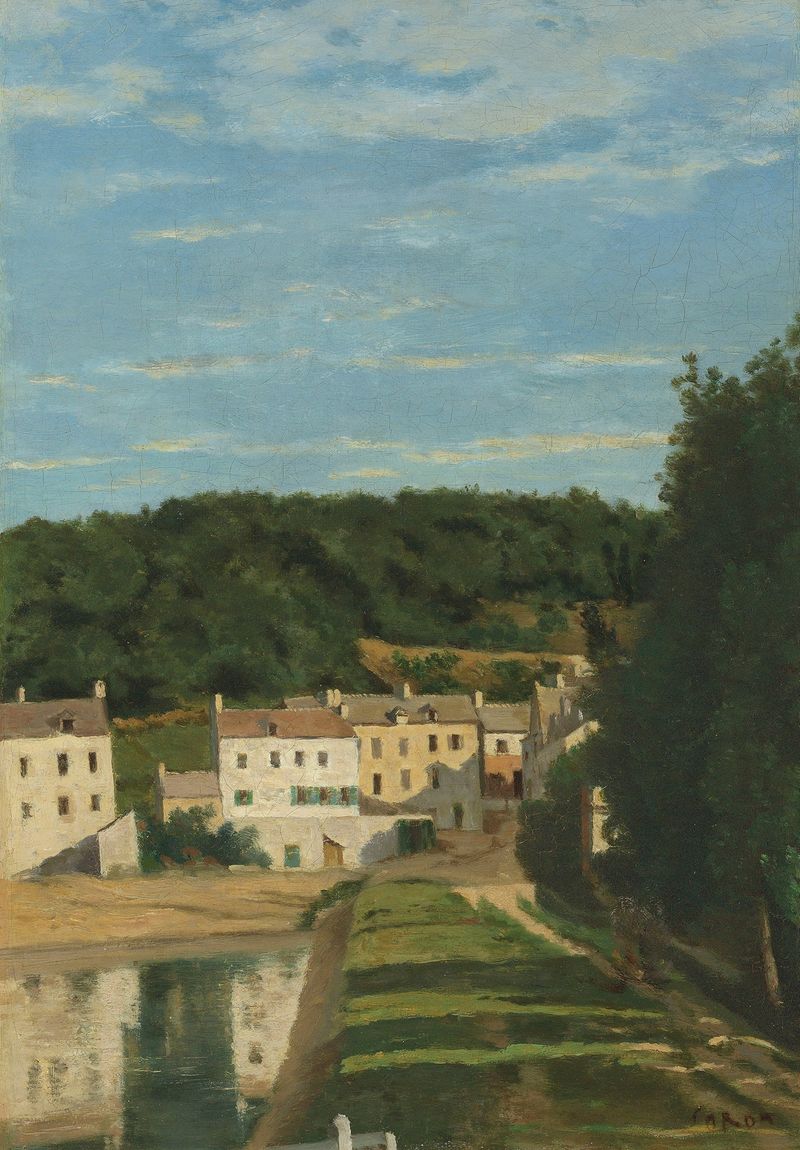
Les Maisons Cabassud À Ville D’avray
Jean-Baptiste-Camille Corot

La solitude. Souvenir de Vigen (Limousin)
Jean-Baptiste-Camille Corot
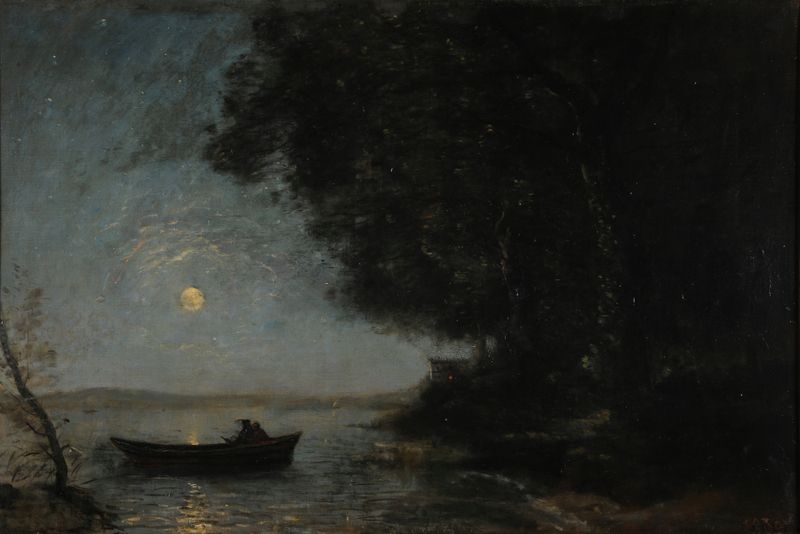
Le lac ; effet de nuit
Jean-Baptiste-Camille Corot
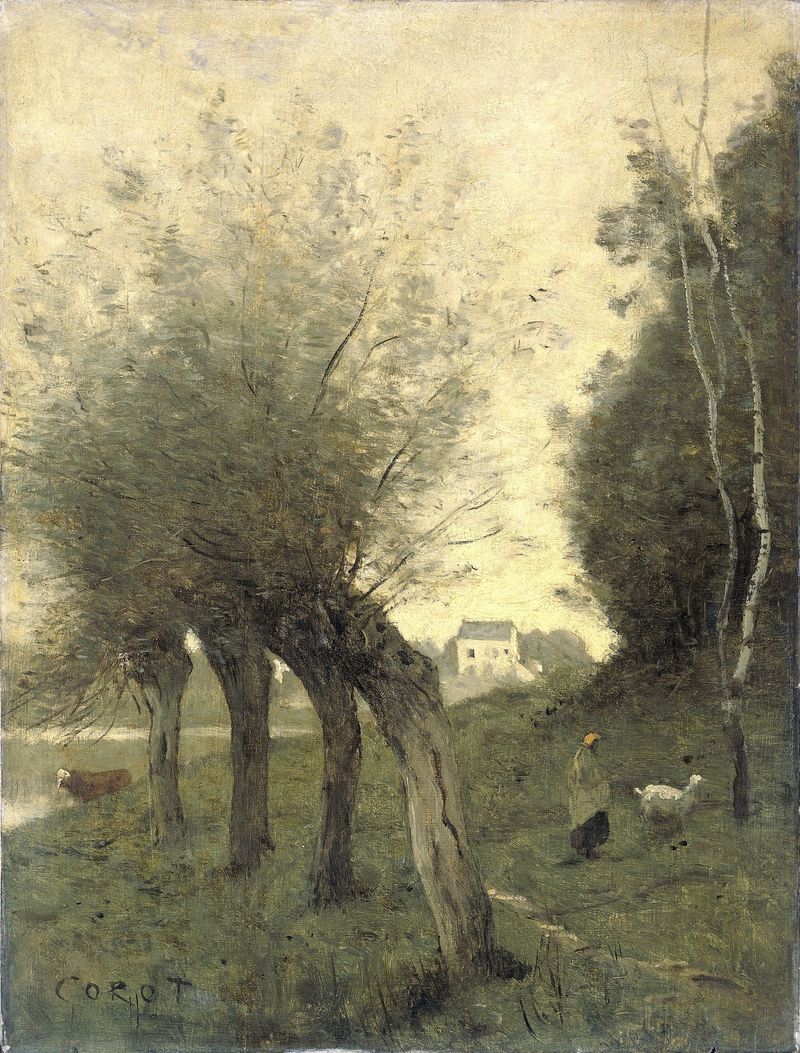
Landscape with Pollard Willows
Jean-Baptiste-Camille Corot
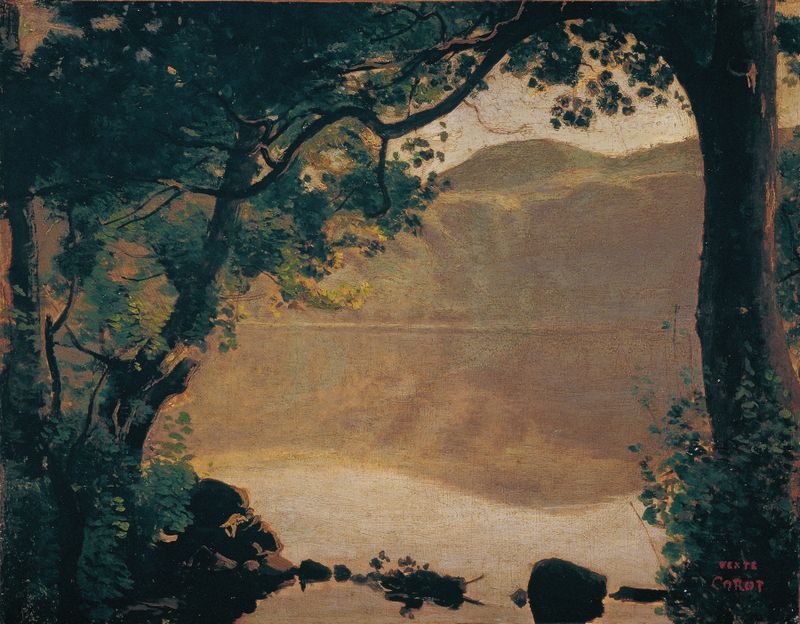
Der Nemisee
Jean-Baptiste-Camille Corot
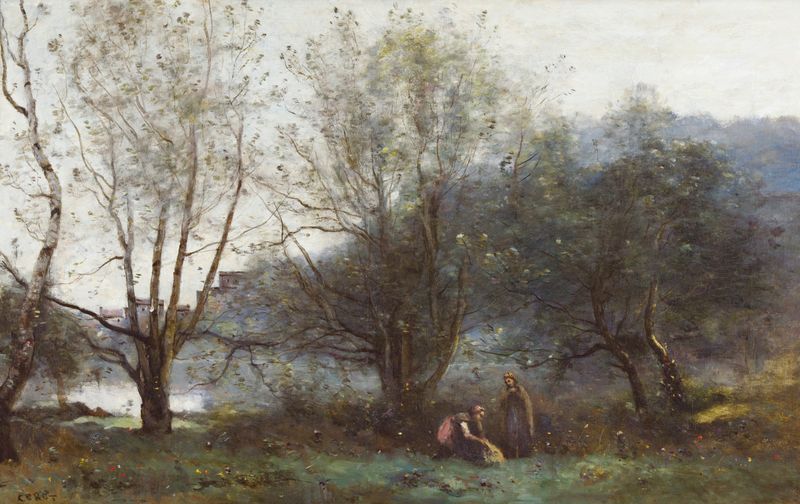
Les Étangs De Ville D’avray
Jean-Baptiste-Camille Corot
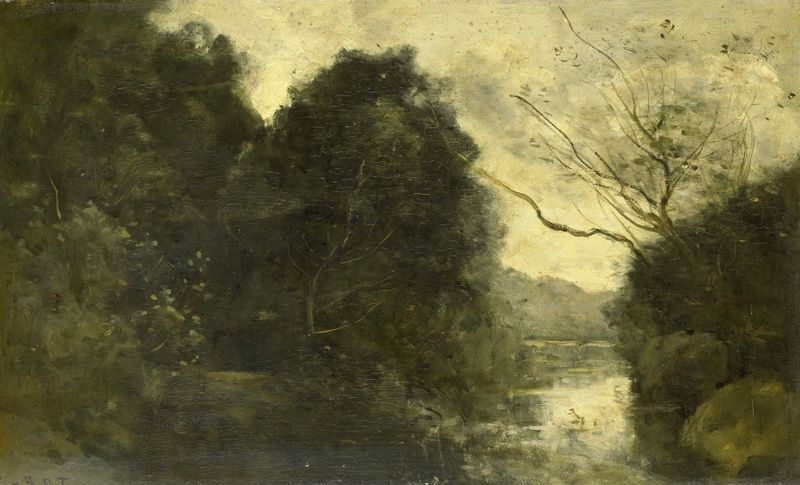
Pond in the Woods
Jean-Baptiste-Camille Corot
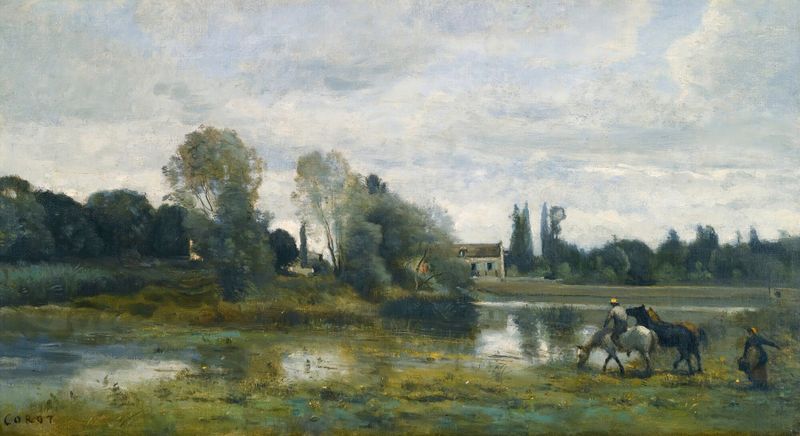
Ville D’avray; L’abreuvoir Des Chevaux
Jean-Baptiste-Camille Corot
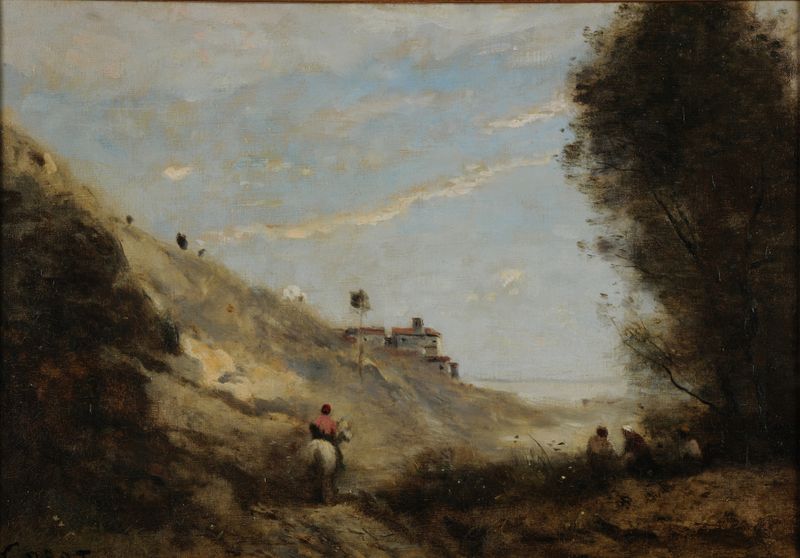
Le vallon au cavalier
Jean-Baptiste-Camille Corot