
The Beach, Nassau — History & Facts
In the quiet embrace of summer, the shoreline stretches endlessly, a vast expanse inviting yet haunting, leaving one to ponder the emptiness that cradles its beauty. Look to the horizon where the cerulean waves kiss the delicate sand, merging in soft hues of blue and beige. The subtle gradations of color create a tranquil yet melancholic atmosphere, as if the sea is holding its breath. Notice how the sunlight glimmers, casting erratic reflections that dance across the water's surface, while shadows linger ominously on the shore, hinting at both warmth and isolation.
The composition draws your eye outward, inviting contemplation of what lies beyond the frame. Amidst the apparent serenity, complex emotions emerge—there's a sense of longing intertwined with solitude. The gentle curves of the beach juxtapose the starkness of the empty space, suggesting an unfulfilled desire for connection or belonging. The figure at the water’s edge appears diminutive, highlighting the vastness of nature and the isolating weight of existence.
This tension between beauty and emptiness evokes a bittersweet reflection on the human experience, where joy often masks deeper sorrows. In 1914, Julian Alden Weir painted this piece during a significant period of transition in his life. Living in Connecticut, he was deeply influenced by the Impressionist movement, yet was also searching for his unique voice. The world was on the precipice of great upheaval with the onset of World War I, which further shaped artistic expressions of that time, leading to a profound exploration of beauty and emotional depth, as seen in this poignant work.
More Artworks by Julian Alden Weir
Browse all →
My Back Yard no. 1
Julian Alden Weir
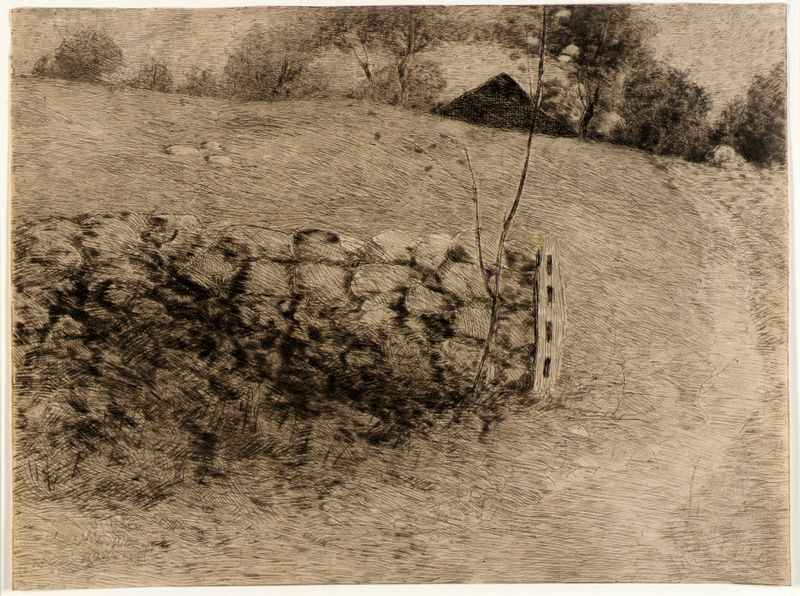
The Barn Lot
Julian Alden Weir

The Webb Farm
Julian Alden Weir
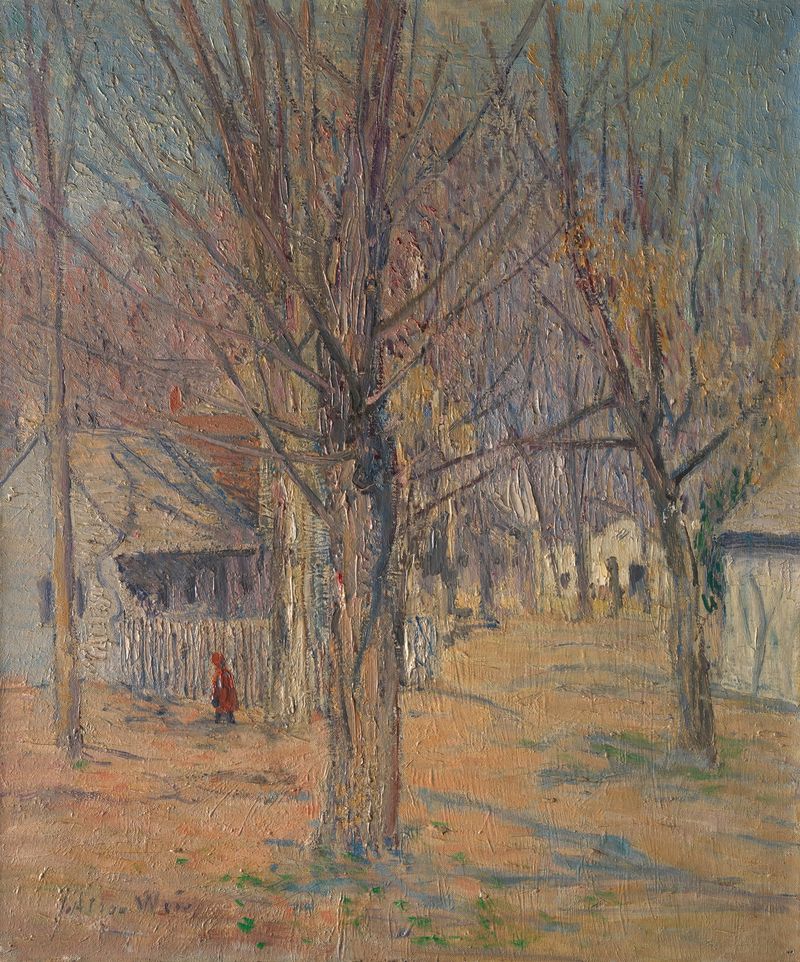
Connecticut Village (Going to School)
Julian Alden Weir

The Stone Bridge
Julian Alden Weir

The Webb Farm 2
Julian Alden Weir
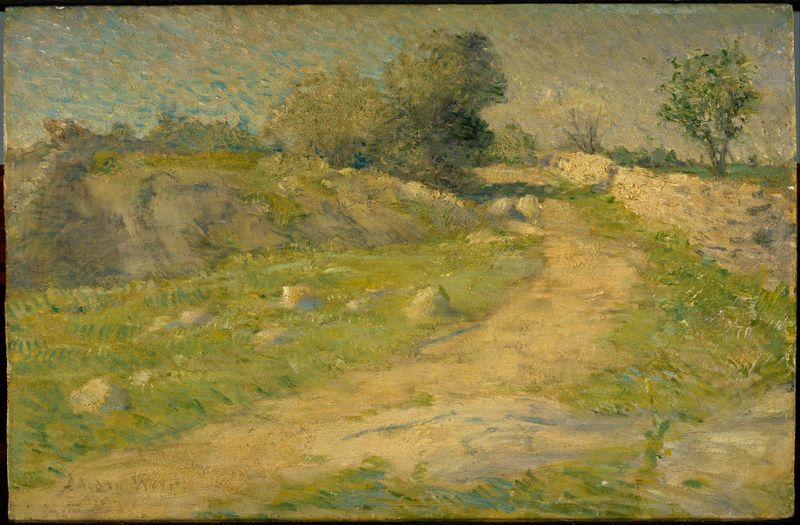
The Lane
Julian Alden Weir
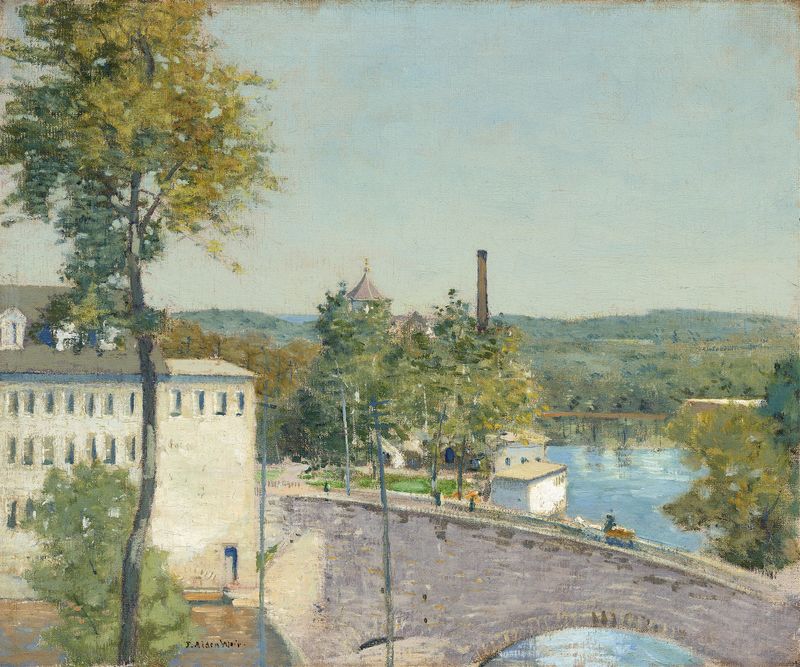
U.S. Thread Company Mills,Willimantic,Connecticut
Julian Alden Weir

Neighboring Farm
Julian Alden Weir

Coon Alley
Julian Alden Weir





