
The Beach, Étretat — History & Facts
Here, serenity unfolds like a gentle whisper, inviting viewers to pause and breathe within its tranquil embrace. Look to the lower right where soft waves caress the sandy shore, their rhythmic dance captured with delicate strokes of blue and white, blending into the horizon. Notice how the light falls upon the cliffs of Étretat, illuminating their rugged forms, while the muted palette of greens and browns creates a harmonious backdrop. The subtle brushwork evokes a sense of calm, encouraging your eye to wander across the canvas and appreciate the simplicity of nature’s beauty. Hidden within the interplay of light and shadow are the contrasts of solitude and connection, stillness and movement.
The solitary figure walking along the shore symbolizes introspection amidst the vastness of the landscape, while the gentle waves suggest the passage of time. This balance creates a serene tension, urging viewers to reflect on their own place within the world, where chaos can transform into moments of grace. Corot painted this piece in 1872 during a period of artistic exploration and personal growth. He was deeply engaged in the Barbizon School movement, which emphasized natural landscapes and plein air painting.
As he embraced the tranquility of Étretat, he sought to express the emotional resonance of the scene, capturing not only a moment in time but also a universal sense of peace within nature.
More Artworks by Jean-Baptiste-Camille Corot
Browse all →
View of Genoa
Jean-Baptiste-Camille Corot
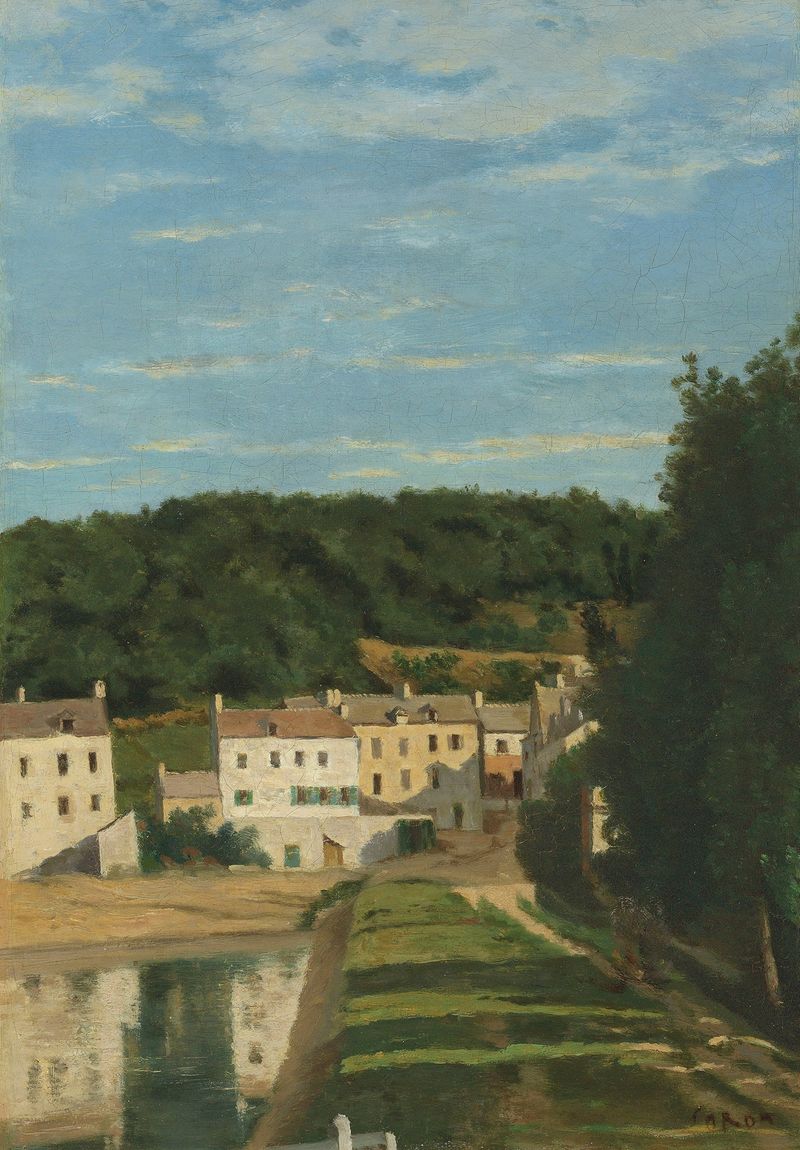
Les Maisons Cabassud À Ville D’avray
Jean-Baptiste-Camille Corot

La solitude. Souvenir de Vigen (Limousin)
Jean-Baptiste-Camille Corot
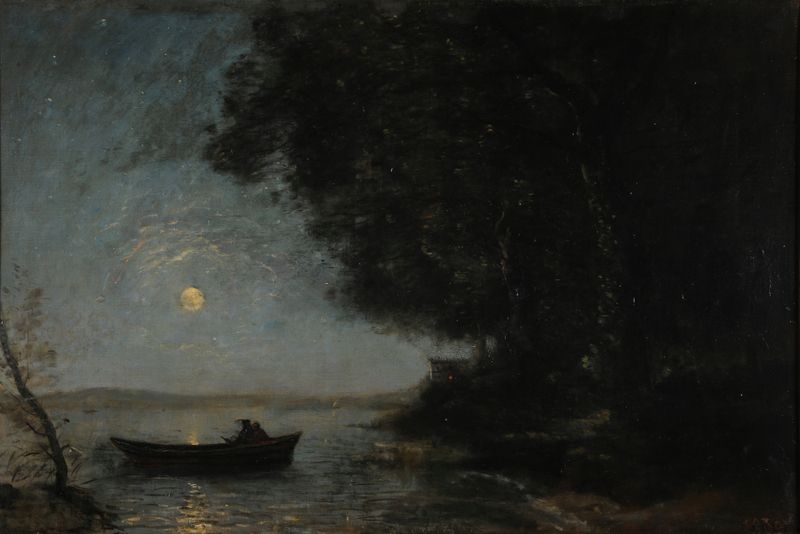
Le lac ; effet de nuit
Jean-Baptiste-Camille Corot
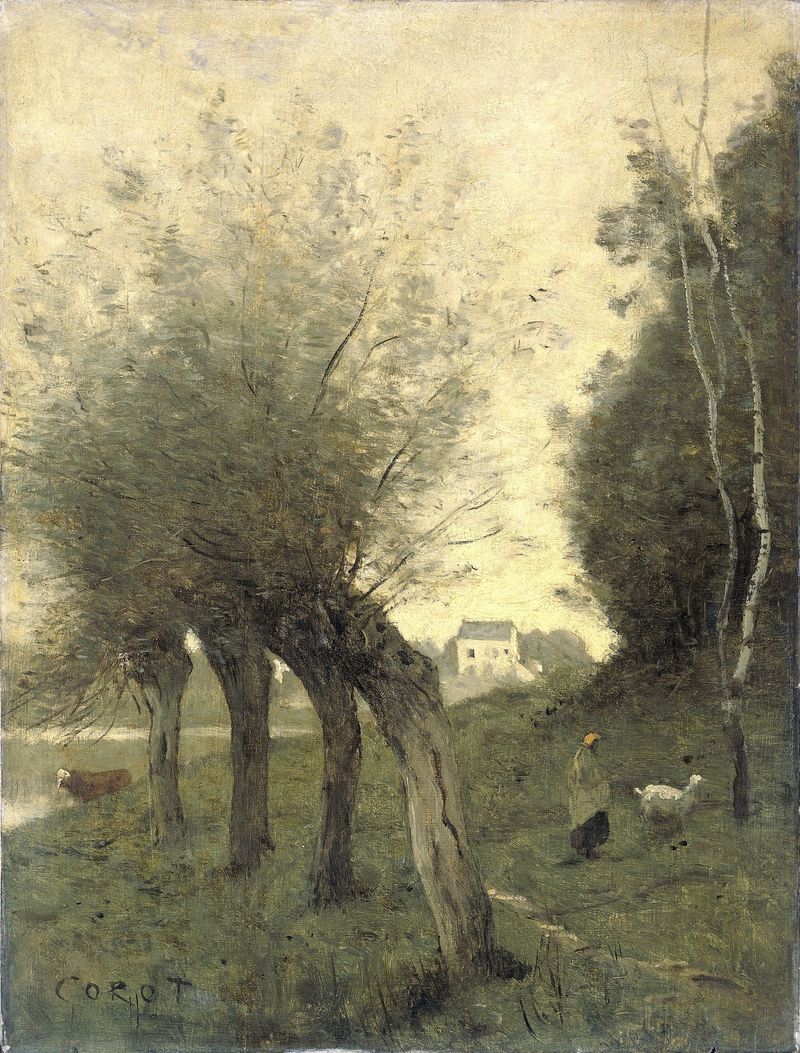
Landscape with Pollard Willows
Jean-Baptiste-Camille Corot
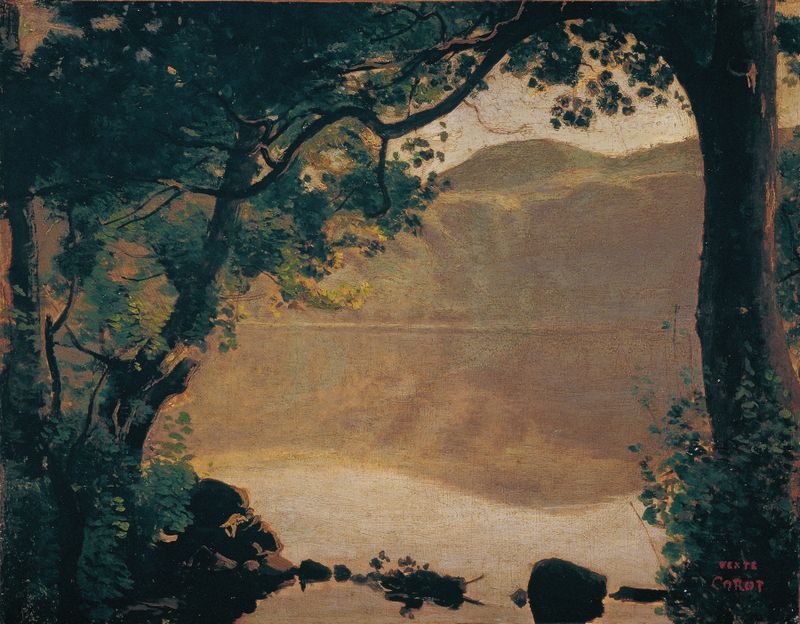
Der Nemisee
Jean-Baptiste-Camille Corot
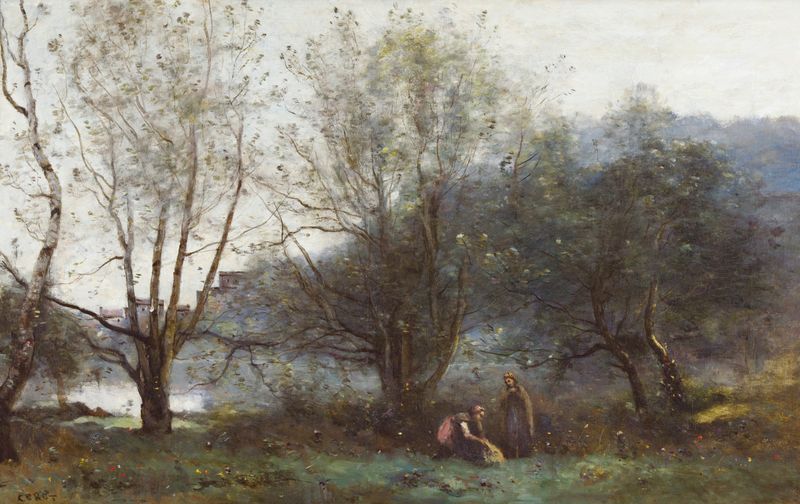
Les Étangs De Ville D’avray
Jean-Baptiste-Camille Corot
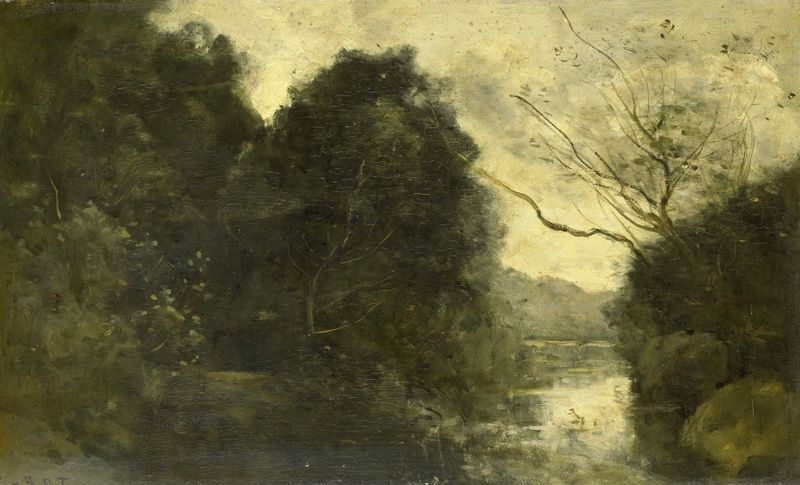
Pond in the Woods
Jean-Baptiste-Camille Corot
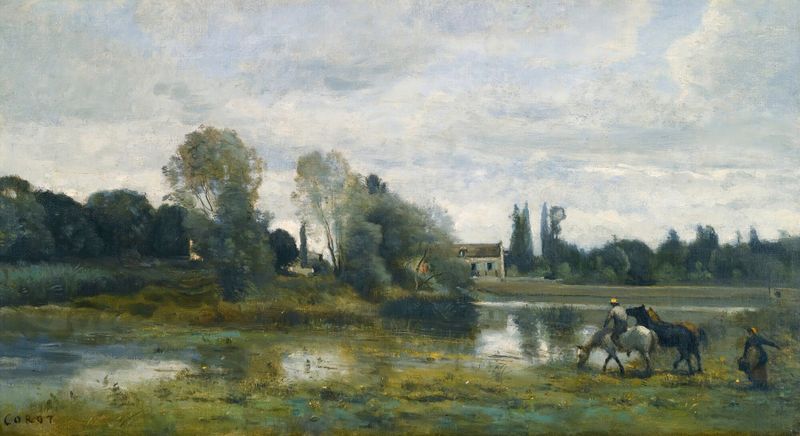
Ville D’avray; L’abreuvoir Des Chevaux
Jean-Baptiste-Camille Corot
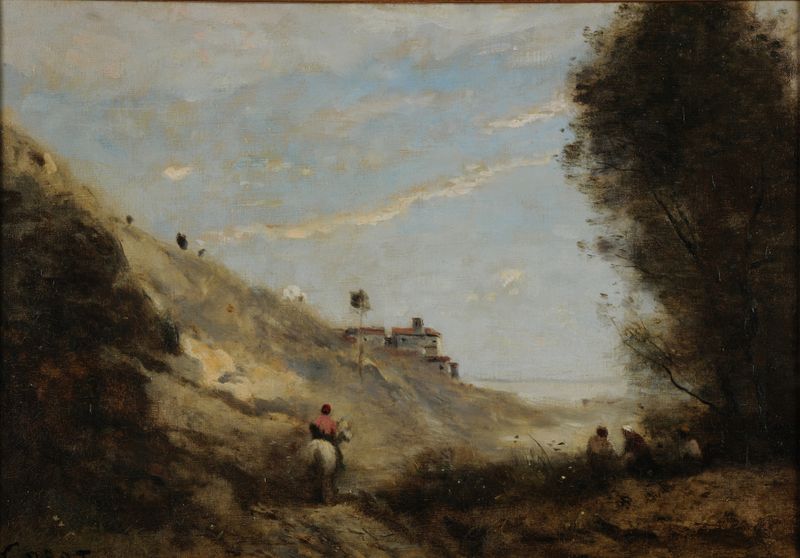
Le vallon au cavalier
Jean-Baptiste-Camille Corot





