
The Bernardines — History & Facts
In the stillness of a moment, we confront the poignant weight of memory and loss. Look to the left at the gentle contours of the cloaked figures, their solemn expressions captured in hues of deep umber and muted blues. The light, though soft, reveals the intricate textures of their robes, rendering a rich tapestry of fabric that draws you into a world of introspection. Notice how the shadows blend with the background, creating an enveloping depth that heightens the sense of isolation among the figures. Within this composition, a striking contrast emerges between the warmth of the figures and the coldness of their surroundings.
The melancholy is palpable, suggesting a deeper narrative of longing and contemplation. Each face, uniquely expressive yet united in somber silence, evokes an emotional resonance that transcends time, inviting the viewer to reflect on their own experiences of solitude and connection. During the years 1918 to 1919, the artist found himself grappling with a world transformed by war and its aftermath, living in Poland at a time of political upheaval. This period marked a transition not only in his life but also in the broader realm of art, where traditional forms were increasingly challenged by modernity.
The creation of this work symbolizes a moment of reflection amidst chaos, embodying both personal and collective sorrow.
More Artworks by Leon Wyczółkowski
Browse all →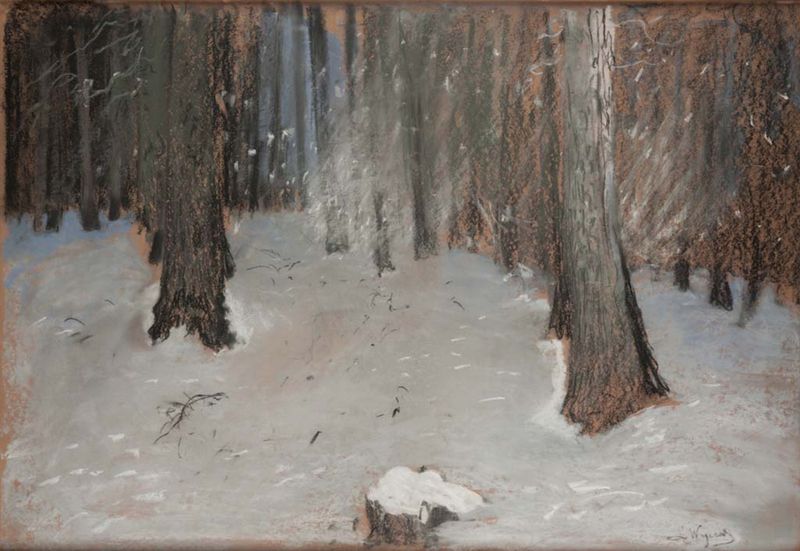
Las zimą
Leon Wyczółkowski
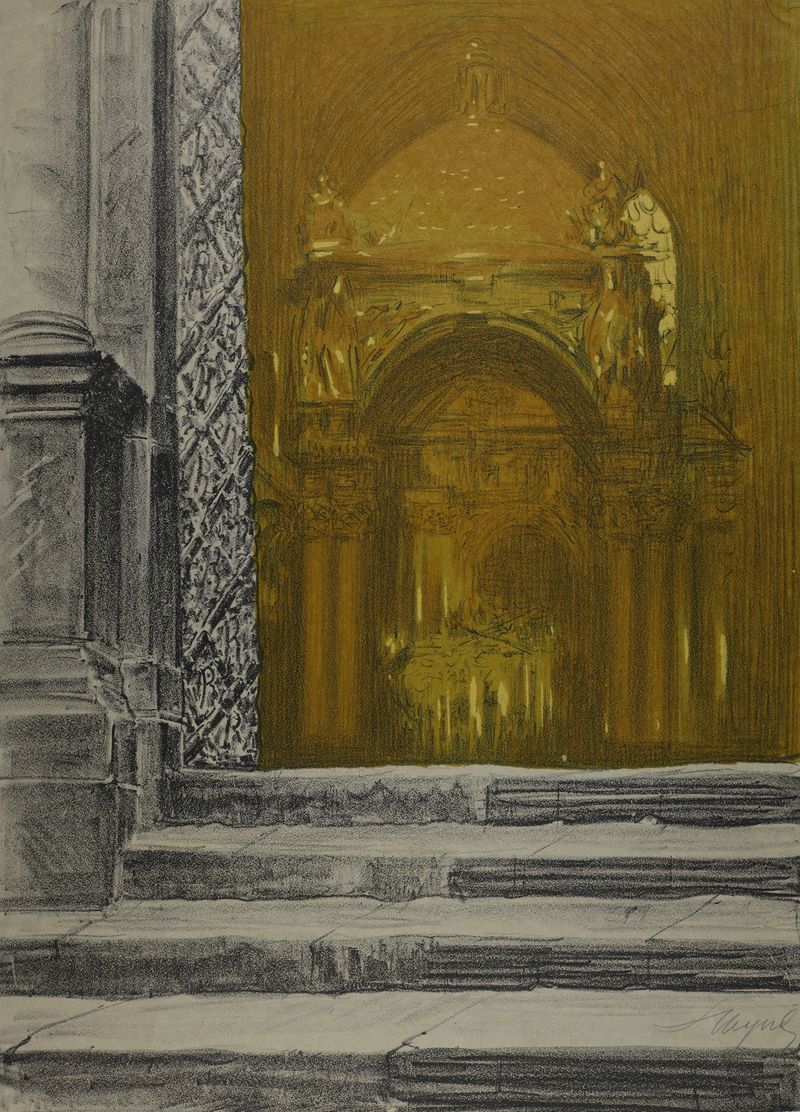
Saint Stanislaus
Leon Wyczółkowski
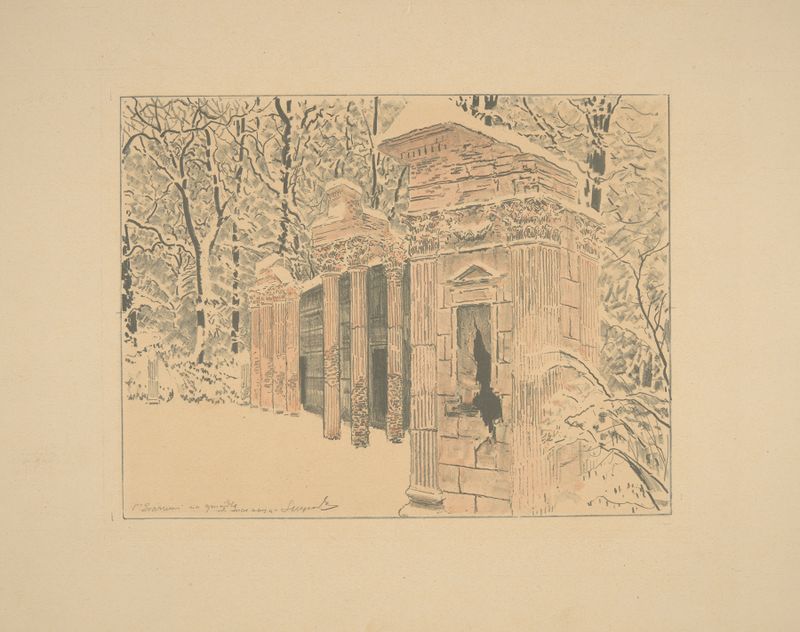
Amfiteatr w Łazienkach pod śniegiem (strona prawa)
Leon Wyczółkowski
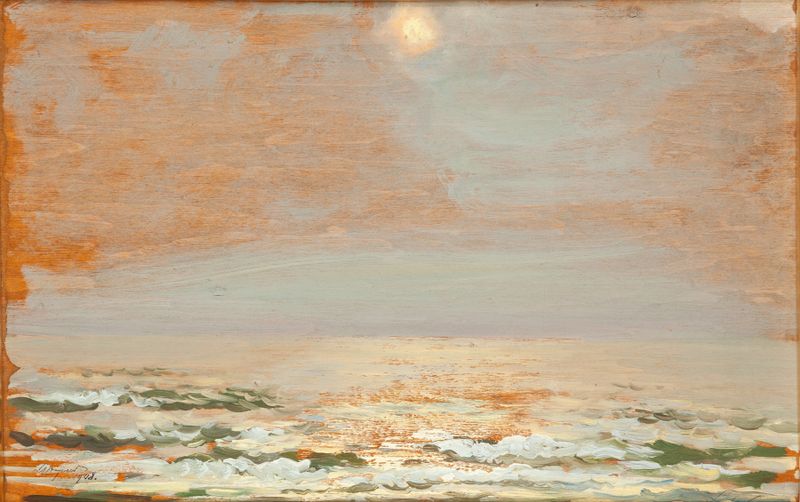
Sea at Połąga IV
Leon Wyczółkowski
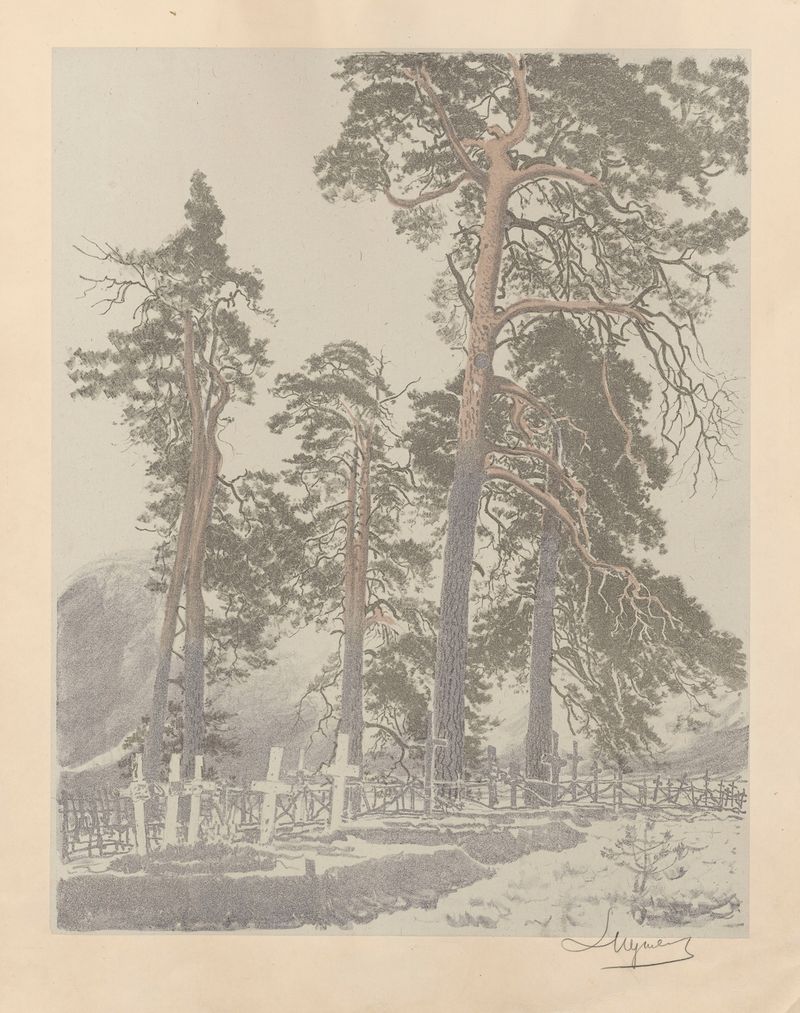
Cemetery in Vowchick
Leon Wyczółkowski
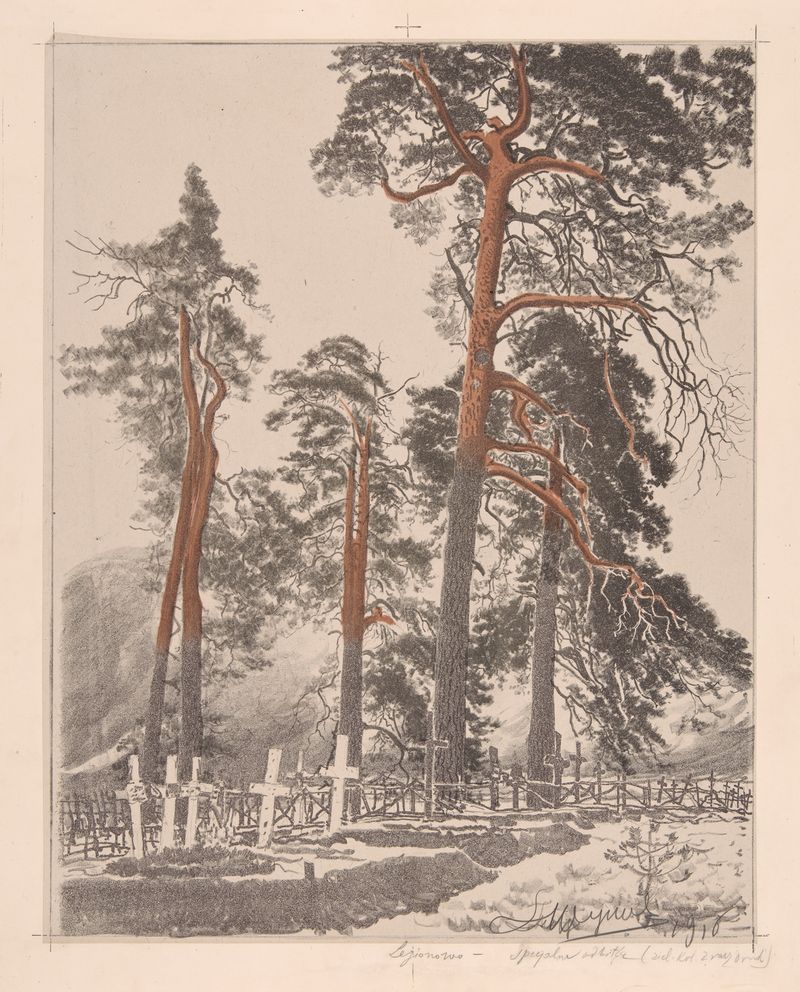
The Wołczecko cemetery
Leon Wyczółkowski
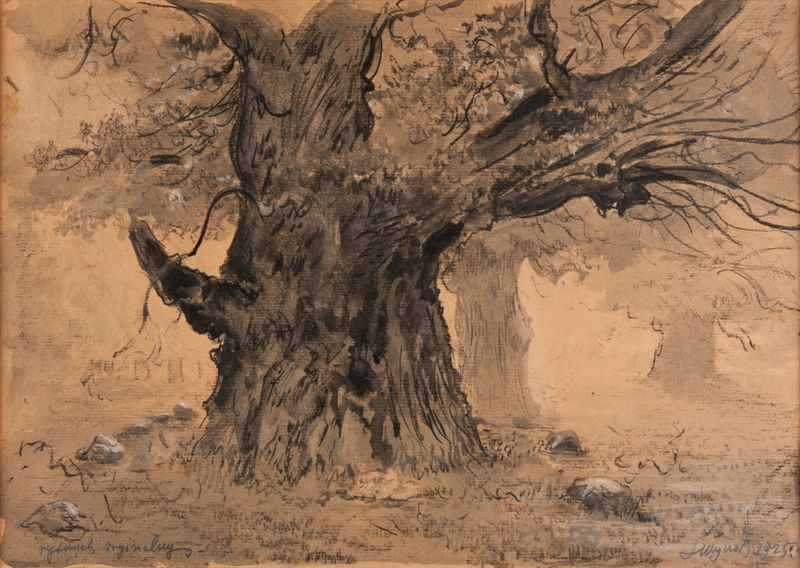
Rogalin Oaks
Leon Wyczółkowski
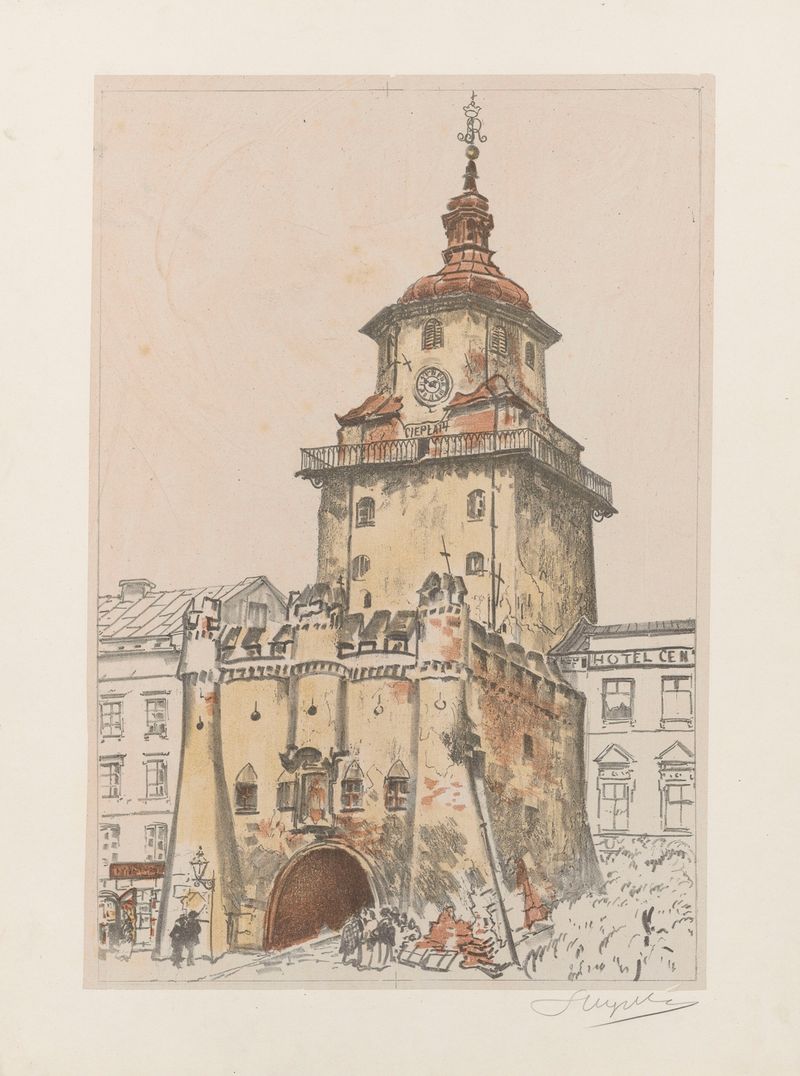
The Krakow Gate in Lublin, in summer
Leon Wyczółkowski
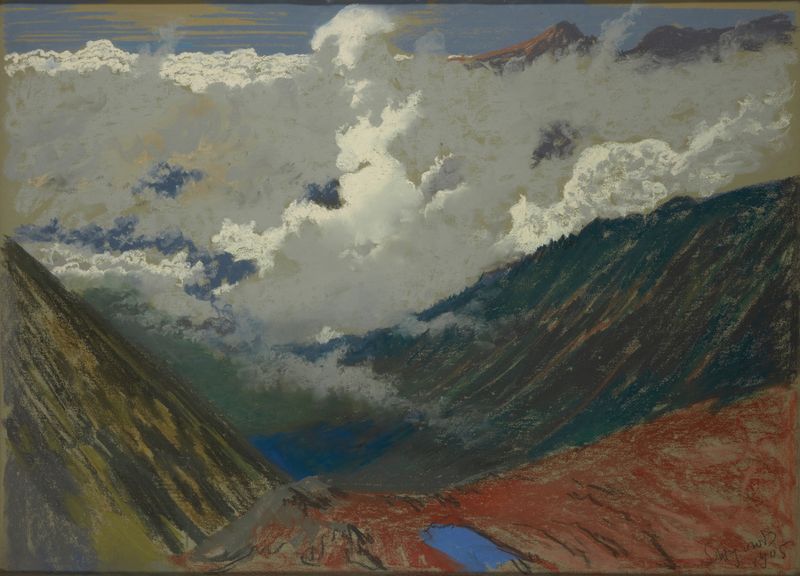
U Wrót Chałubińskiego
Leon Wyczółkowski
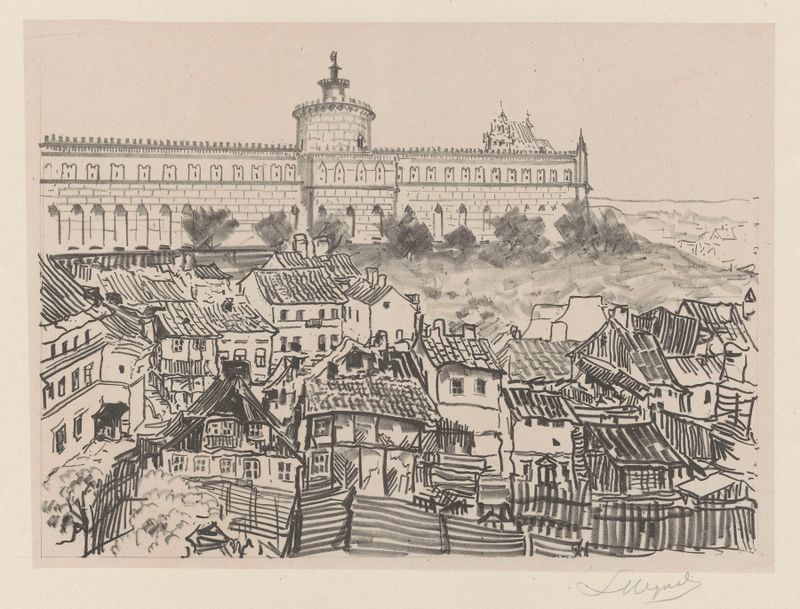
Castle and the Jewish quarter
Leon Wyczółkowski





