
The big enclosure — History & Facts
What first catches the eye in The big enclosure is the sheer expanse of sky, stretching wide and luminous above a landscape just beginning to slip into shadow. The horizon sits low, granting the heavens an almost overwhelming presence, their gentle gradations of yellow and blue guiding the viewer’s gaze upward and outward. Pools of water, scattered across the foreground, mirror the last light of day, while a solitary sail, barely visible among the trees, hints at human presence without disturbing the calm.
The trees themselves stand as dark sentinels, their clustered forms both sheltering and mysterious, drawing a subtle boundary between the open marsh and the distant hills. Every element seems placed to invite contemplation, the quiet drama of dusk unfolding in silence. Painted in 1832, this landscape belongs to the world of early nineteenth-century Romanticism, when artists like Caspar David Friedrich sought to capture not just the look of nature, but its emotional charge. Such works were rarely simple souvenirs of a place; they were invitations to reflect, often commissioned by patrons who wished to surround themselves with scenes that stirred thought and feeling.
In this period, the landscape became a stage for inner experience, and Friedrich’s restrained palette and measured composition set him apart from the more theatrical visions of his contemporaries. History has kept few traces of the specific origins or journey of The big enclosure, now preserved in the digital collection of Google Arts & Culture, but its quiet surface still rewards a long, attentive gaze.
More Artworks by Caspar David Friedrich
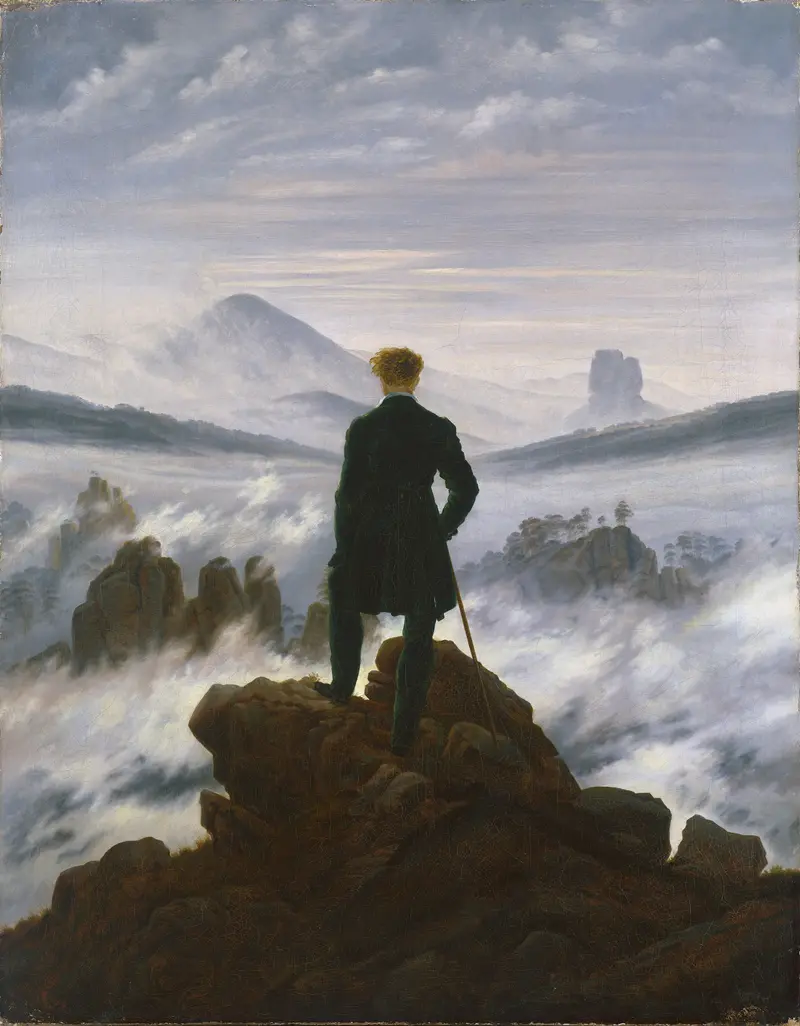
Wanderer above the Sea of Fog
Caspar David Friedrich

The Sea of Ice
Caspar David Friedrich
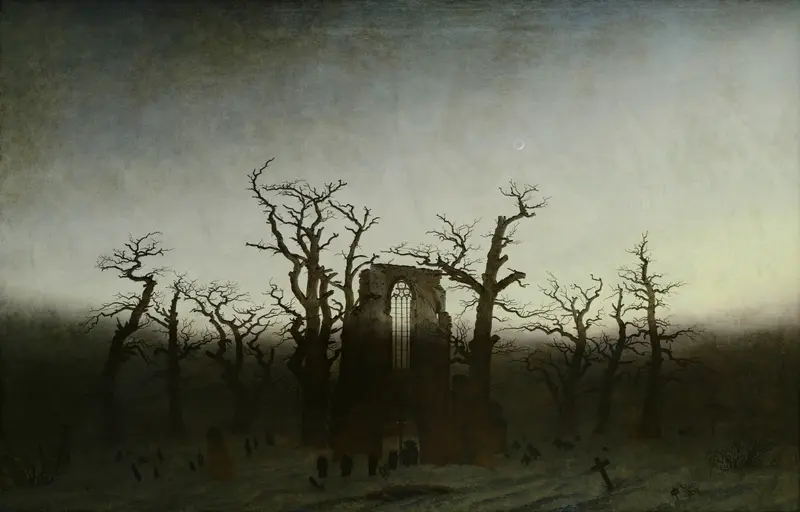
The Abbey in the Oakwood
Caspar David Friedrich
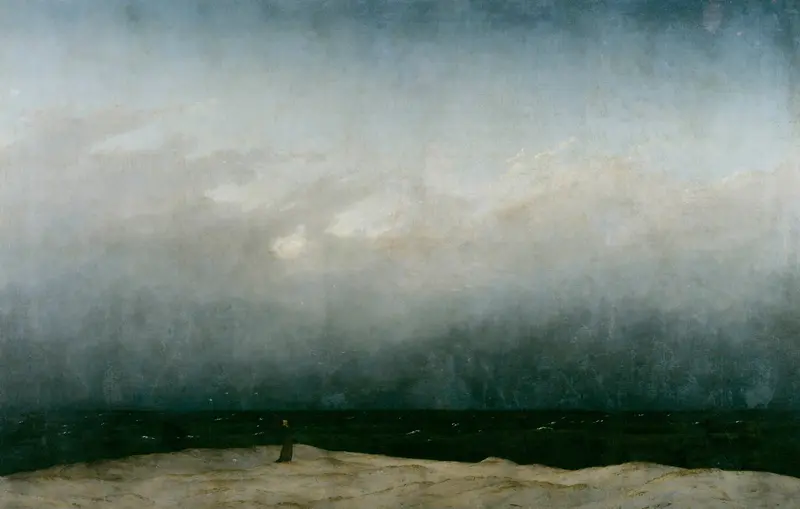
The Monk by the Sea
Caspar David Friedrich
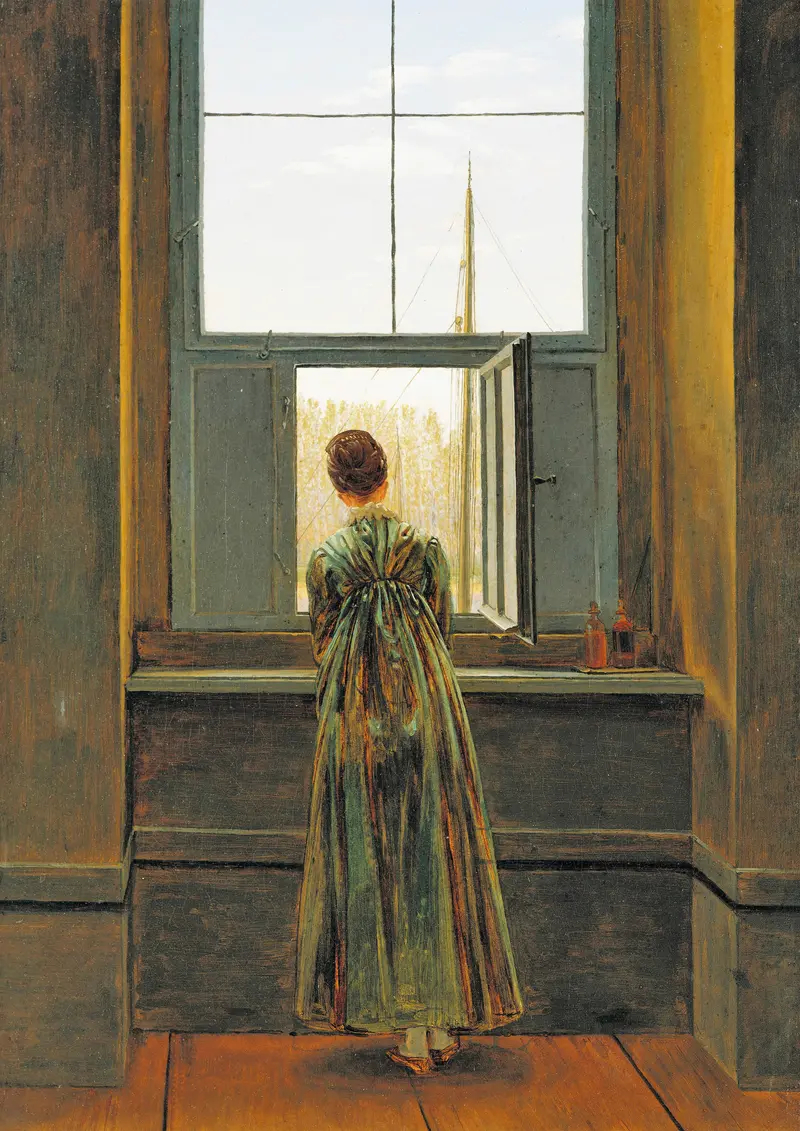
Woman at a Window
Caspar David Friedrich
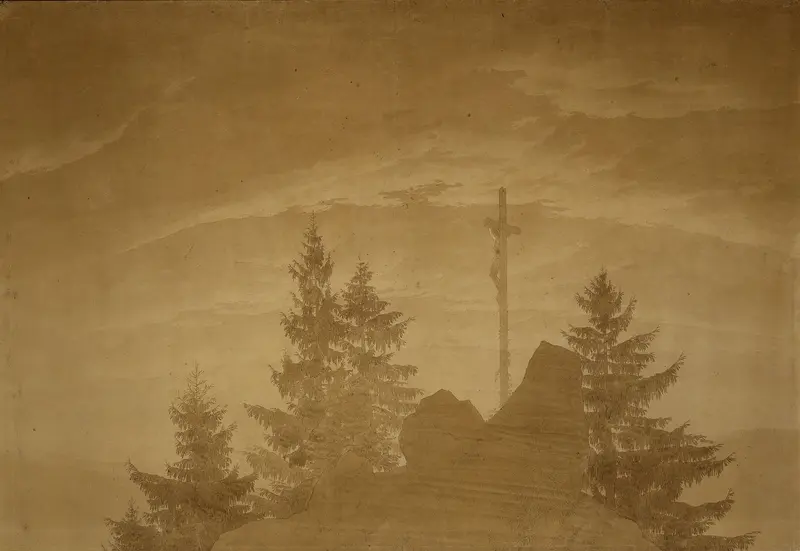
Cross in the Mountains
Caspar David Friedrich
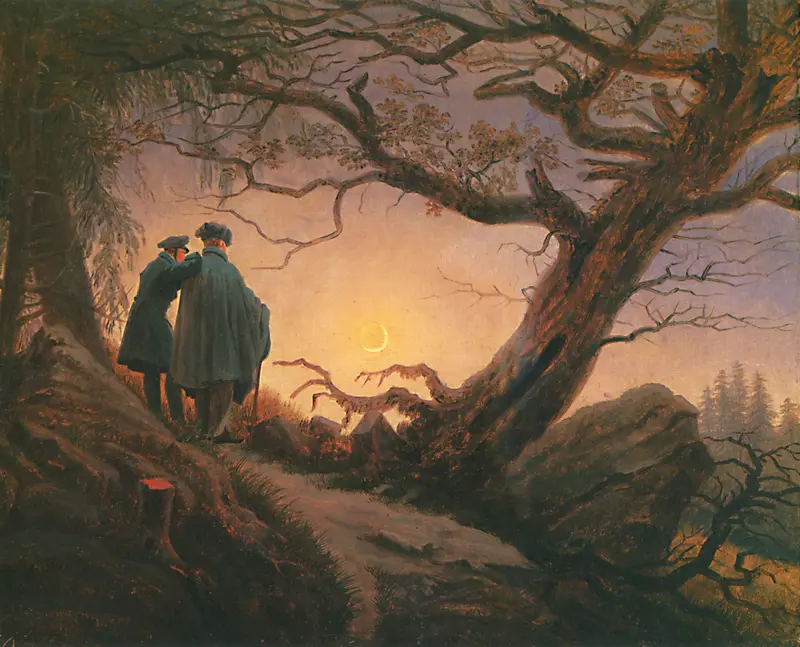
Two Men Contemplating the Moon
Caspar David Friedrich
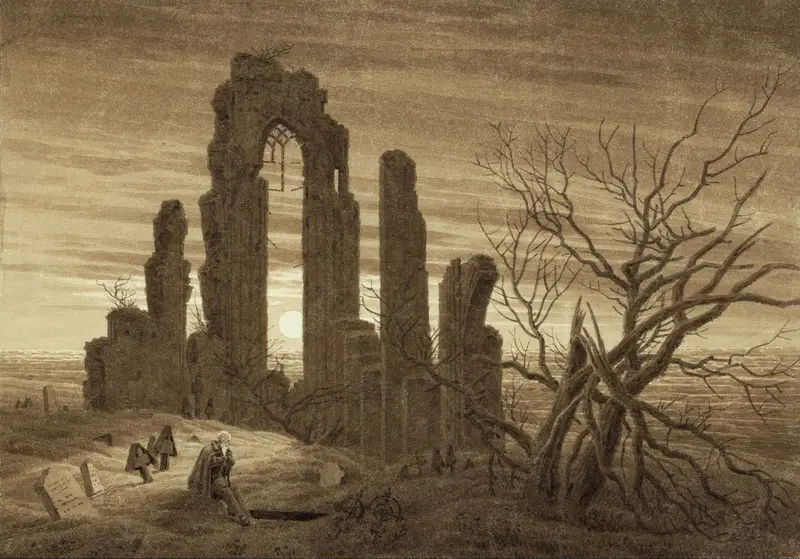
Winter – Night – Old Age and Death (from the times of day and ages of man cycle of 1803)
Caspar David Friedrich
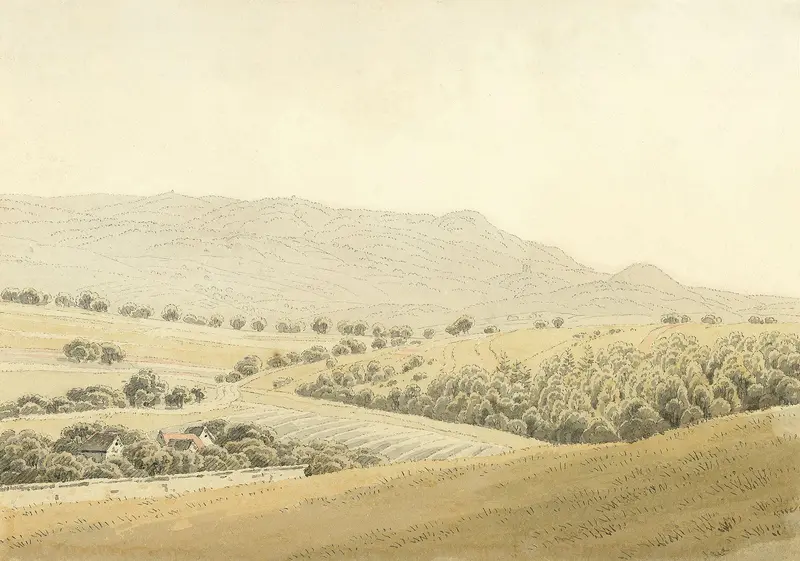
Mittelgebirgslandschaft
Caspar David Friedrich

Landschaft mit gebirgsee, morgen
Caspar David Friedrich
More Landscape Art

The Starry Night
Vincent van Gogh

View of Delft
Johannes Vermeer

Water Lilies
Claude Monet

The Grand Canal, Venice, looking north-west from the Ca' Corner to the Ca' Contarini degli Scrigni, with the campanile of Santa Maria della Carità
Canaletto

Windsor Castle
Canaletto

The Grand Canal looking North-East from the Palazzo Dolfin-Manin to the Rialto Bridge
Canaletto