
The Black Dress — History & Facts
When The Black Dress appeared in Paris in 1910, it caused a quiet stir among the avant-garde, who recognized in its elongated figure and mask-like face the signature of a young Amedeo Modigliani still searching for his voice. The painting's title is a simple description, yet it has become a cipher for a period of transformation in Modigliani's life, when he was moving away from sculpture, wrestling with illness, and forging his unique pictorial language. Unlike his later, more famous nudes, this early portrait is a rare example from a year when Modigliani produced relatively few paintings, making each one a precious document of his evolving style.
The identity of the sitter remains uncertain, adding to the intrigue: some have speculated she was a friend or lover, but no definitive evidence has surfaced. The woman in The Black Dress sits upright, her hands folded in her lap, eyes rendered as blank ovals that seem to look both inward and beyond the viewer. The dark, unadorned dress sets off the pale, elongated face and neck—a motif that would become Modigliani’s hallmark. The background is spare, drawing attention to the sitter’s stillness and the subtle tension in her pose.
The mask-like features recall Modigliani’s fascination with African sculpture, which he studied in Paris museums, and stand in contrast to the psychological realism of contemporaries like Henri Matisse in works such as The Green Stripe. Here, emotion is distilled to its essence, the sitter’s identity both present and withheld. The early provenance of The Black Dress is not fully documented, typical of Modigliani’s works from this period, which often changed hands in the studios and salons of Montparnasse. It is likely that the painting was acquired by a private collector soon after its creation, as Modigliani’s reputation grew posthumously following his death in 1920.
Today, the painting is recognized as a key example of his pre-war portraiture, bridging his early sculptural experiments and the iconic portraits and nudes of his later years. Its medium remains uncertain—some sources suggest oil, others tempera—reflecting the experimental spirit of Modigliani’s first years in Paris. Now housed in an online collection, The Black Dress stands as a quiet testament to the artist’s search for form and identity.
More Artworks by Amedeo Modigliani
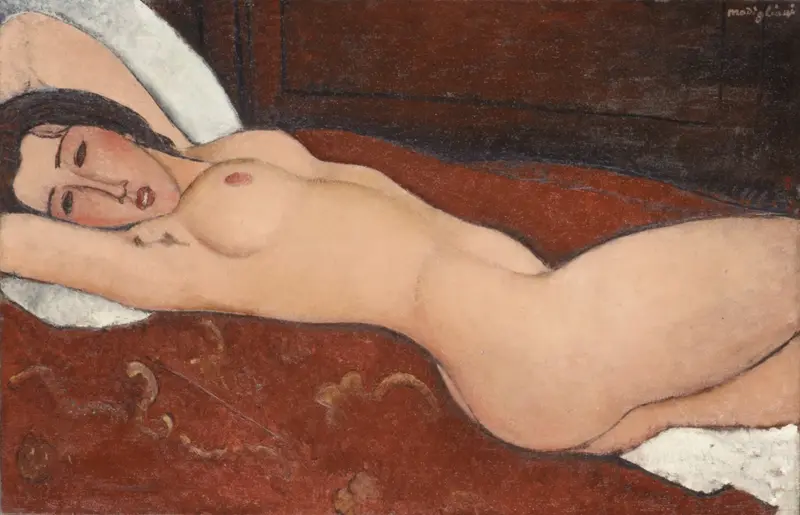
Reclining Nude
Amedeo Modigliani

Portrait Of Jeanne Hébuterne
Amedeo Modigliani

Jeanne Hébuterne
Amedeo Modigliani
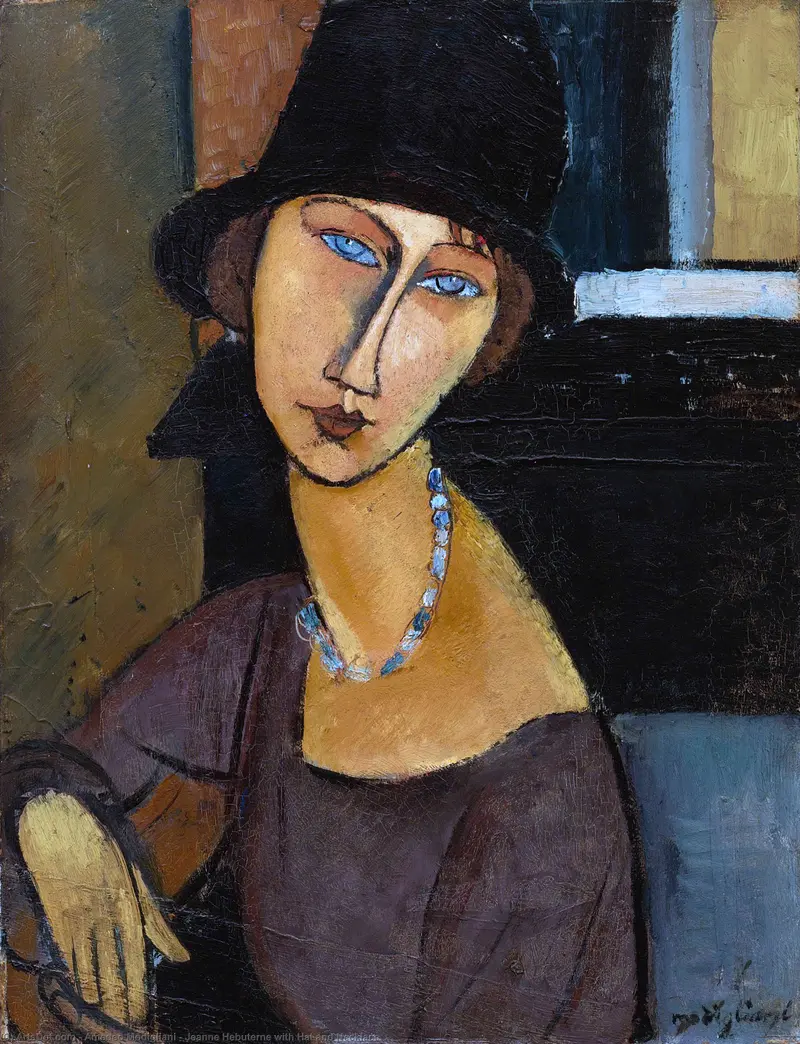
Jeanne Hébuterne with Hat and Necklace
Amedeo Modigliani
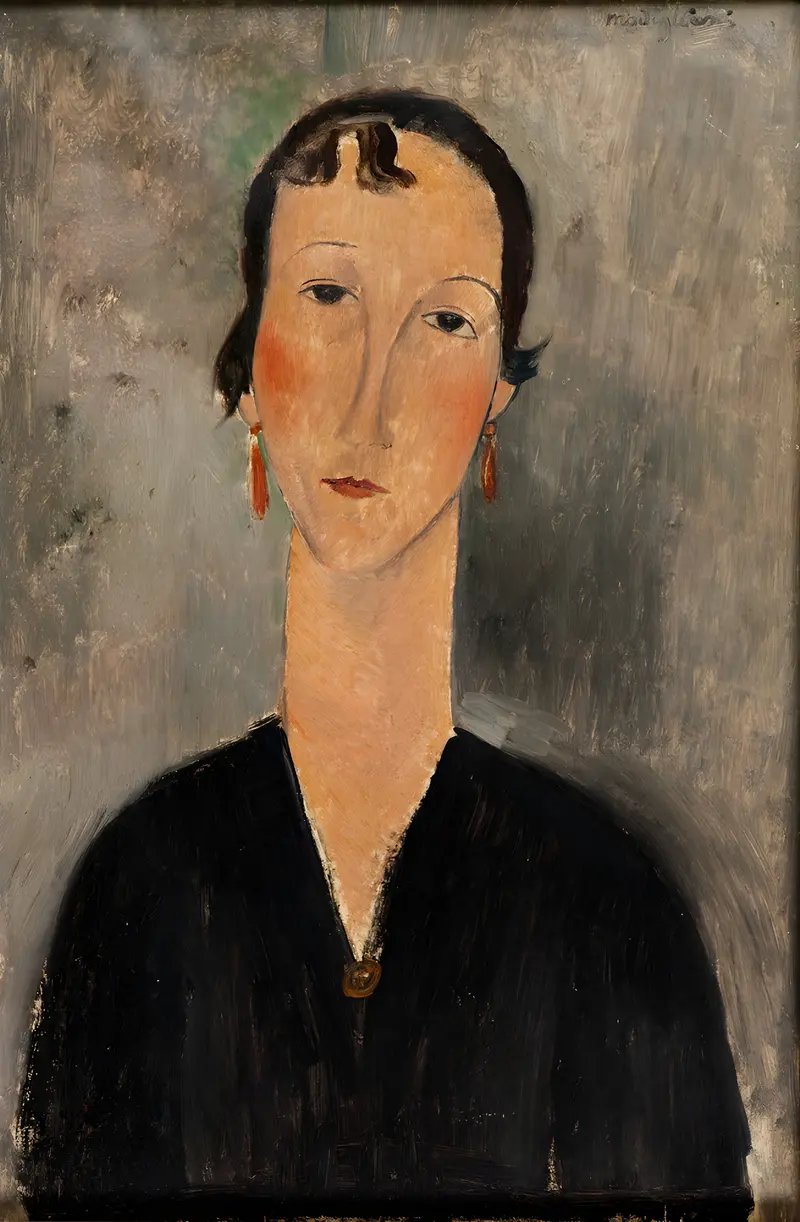
Femme aux boucles d'oreilles
Amedeo Modigliani
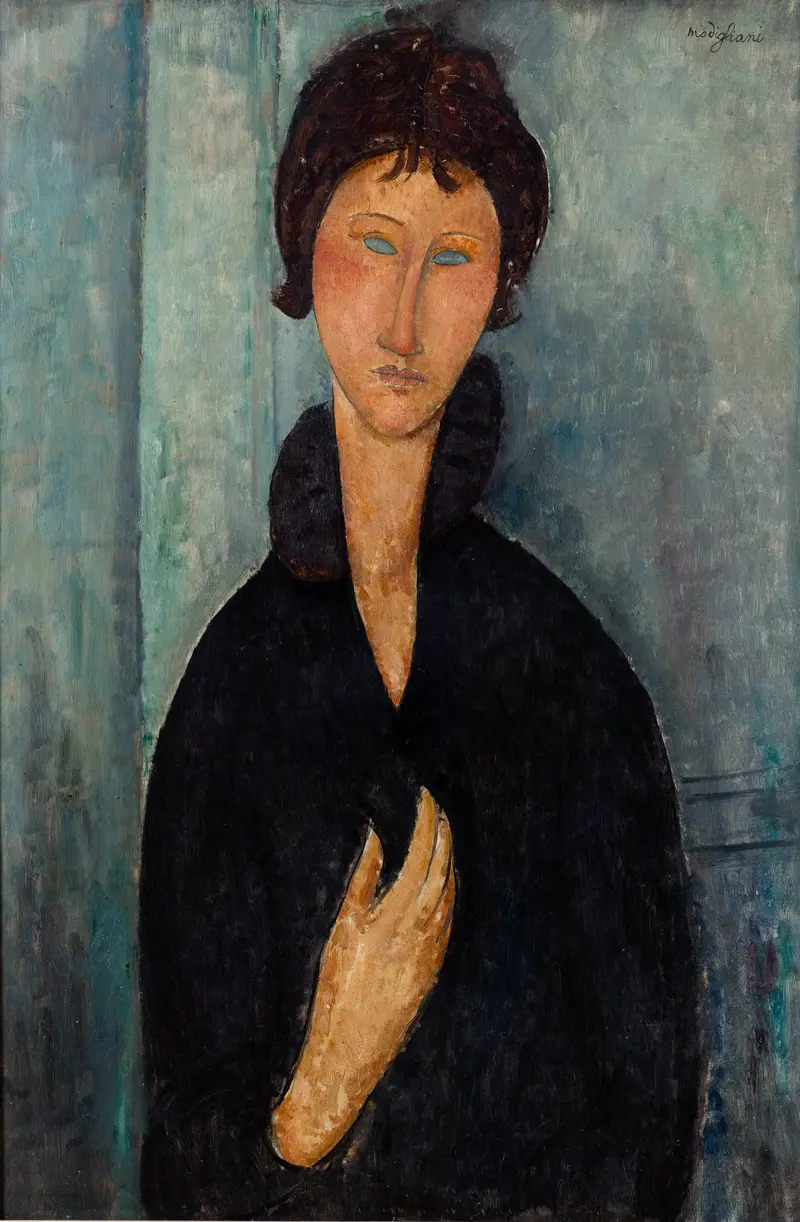
Femme aux yeux bleus
Amedeo Modigliani
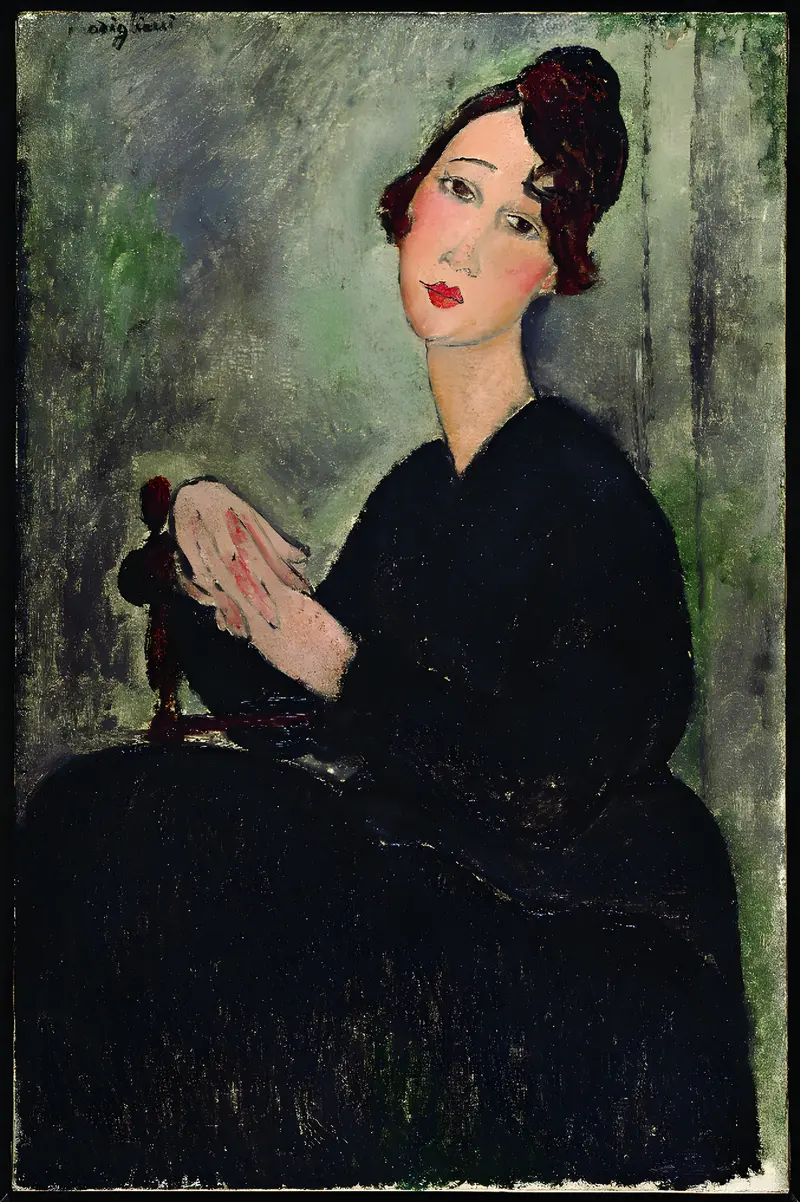
Portrait of Dedie
Amedeo Modigliani
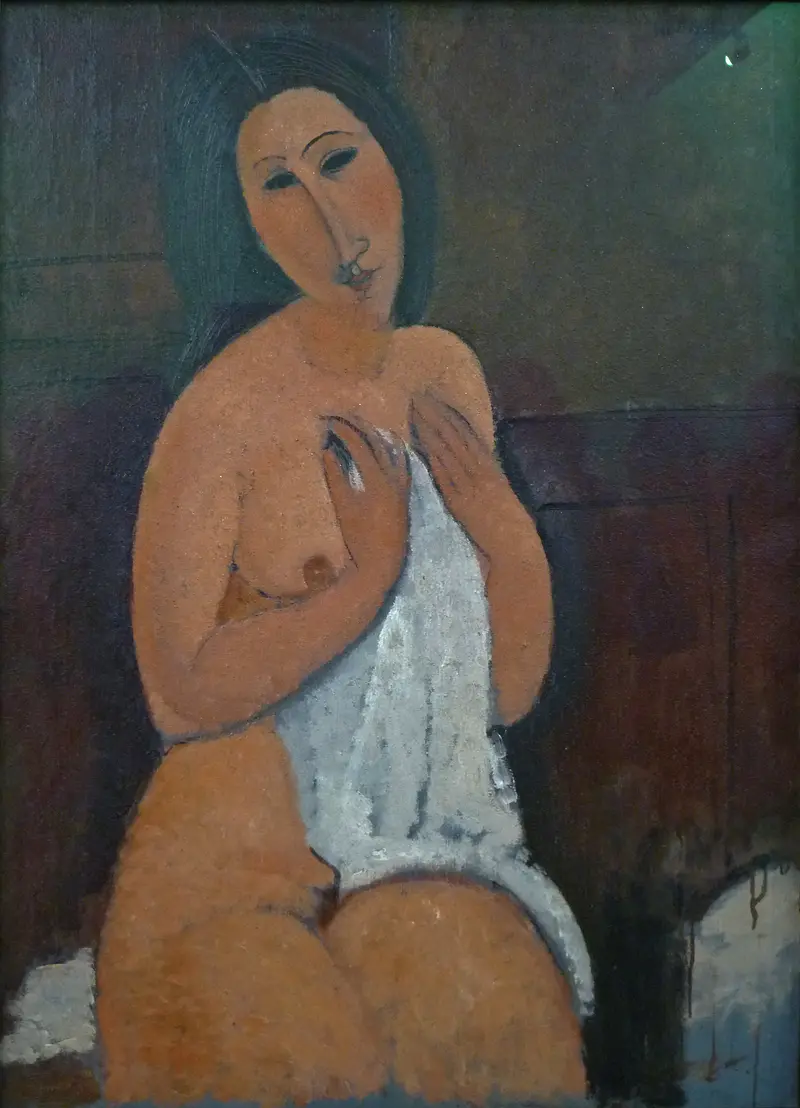
Seated nude with shirt
Amedeo Modigliani
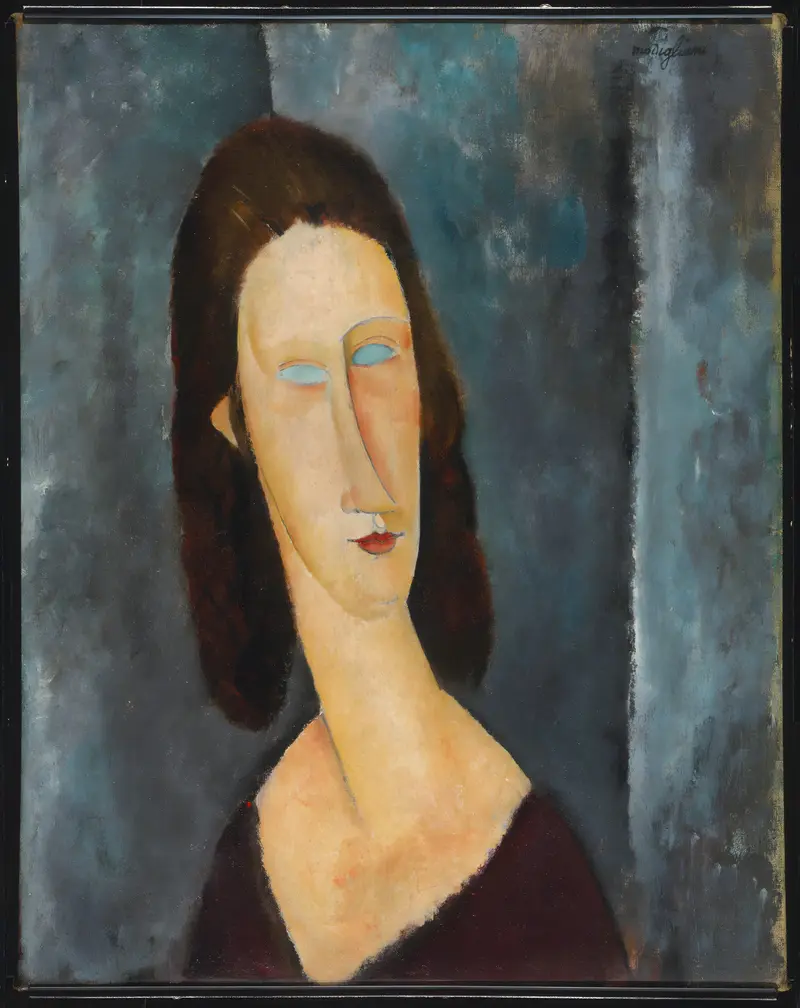
Blue Eyes (Portrait of Madame Jeanne Hébuterne)
Amedeo Modigliani
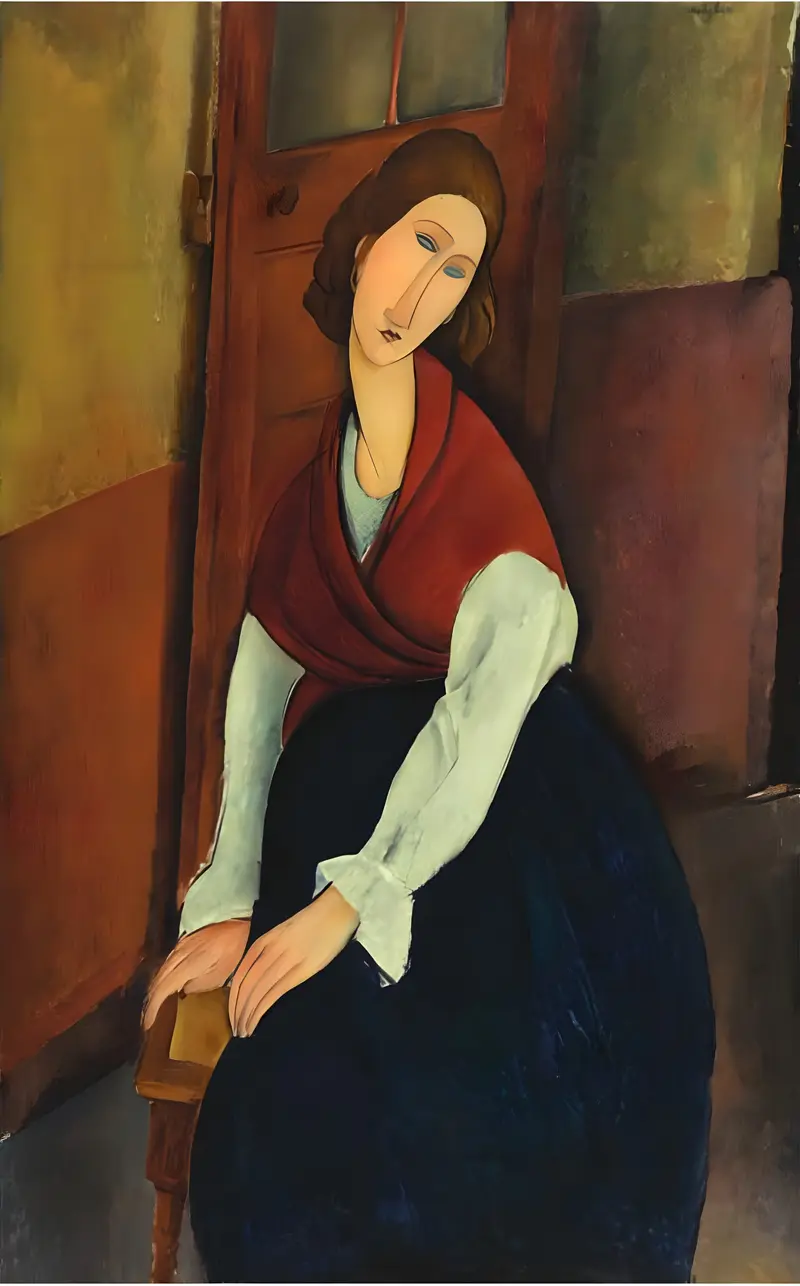
Jeanne Hebuterne in Red Shawl
Amedeo Modigliani





