
The Blind — History & Facts
What grips the viewer first in The Blind is the sense of solidarity forged in hardship: three figures, each marked by blindness, move together in a tense, almost sculptural procession. Their hands grip wooden sticks, their bodies lean and angular, and one man’s hand rests on another’s shoulder—a gesture that is both guide and reassurance. The palette is raw, dominated by ochres and greys, draining the scene of comfort and placing all emphasis on the figures’ struggle.
The faces are mask-like, hollowed by shadow, and the background offers no escape, only a sliver of light through a rough window. The composition draws the eye in a slow circle, urging us to follow the uncertain journey of these men as they navigate an unyielding world. Created in 1918/19, this work stands at the crossroads of a Europe shattered by war and social upheaval. Albin Egger Lienz was known for his unflinching depictions of rural hardship and the human cost of conflict, and here he channels the Expressionist tendency to strip away detail in favor of emotional truth.
Paintings like this, often reproduced in artbooks or shown in smaller collections, were rarely the result of grand commissions; instead, they served as stark meditations on the suffering and endurance of ordinary people. History has kept few traces of this specific painting’s journey, but the raw immediacy of its style and subject speaks to the anxieties and resilience of its time—inviting the viewer to keep searching the faces for a glimmer of hope or understanding.
More Artworks by Albin Egger Lienz
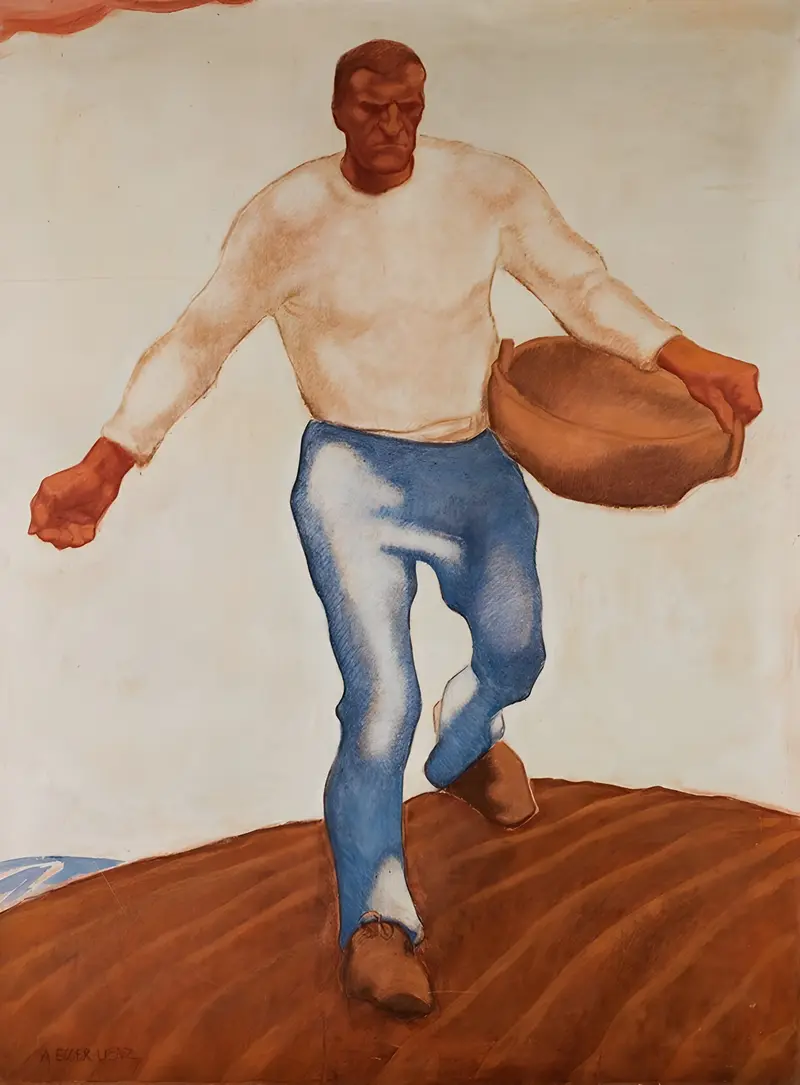
Der Sämann (The Sower)
Albin Egger Lienz
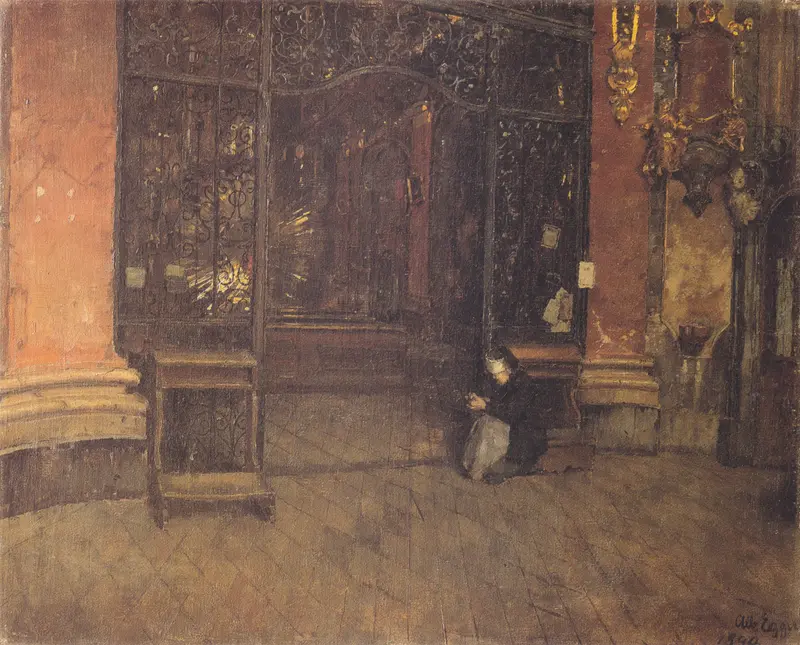
Inneres Der Johanneskirche In München
Albin Egger Lienz
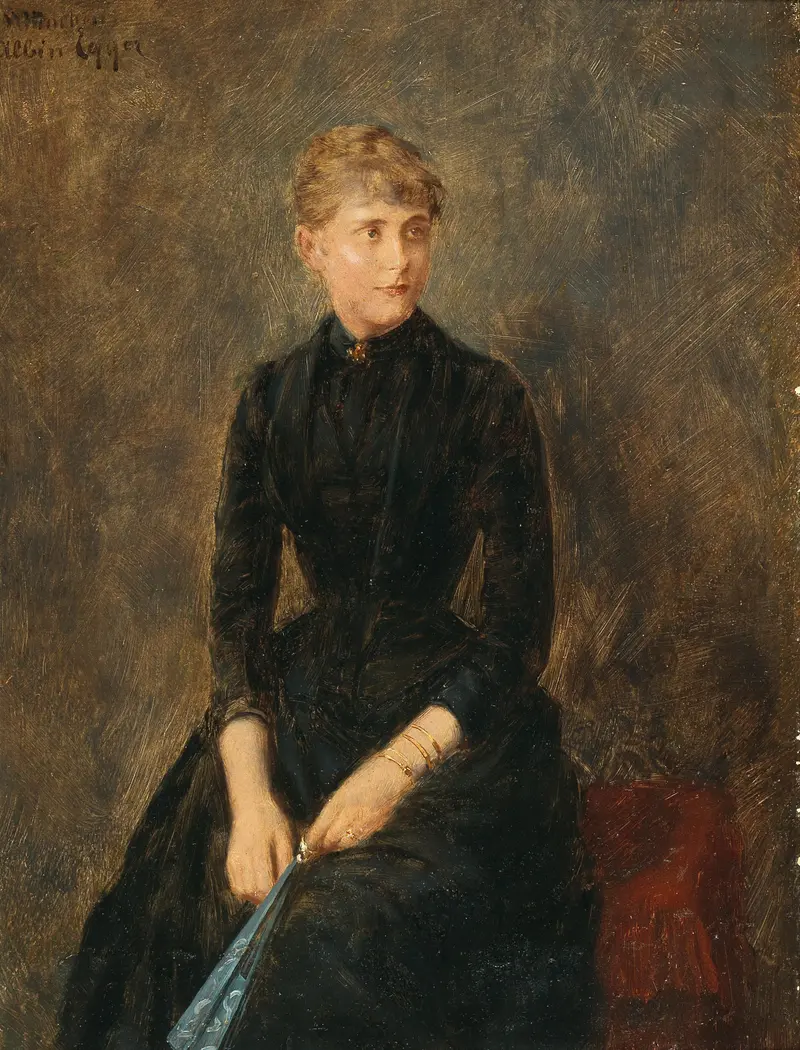
Portrait of the singer Hedwig Helbig
Albin Egger Lienz
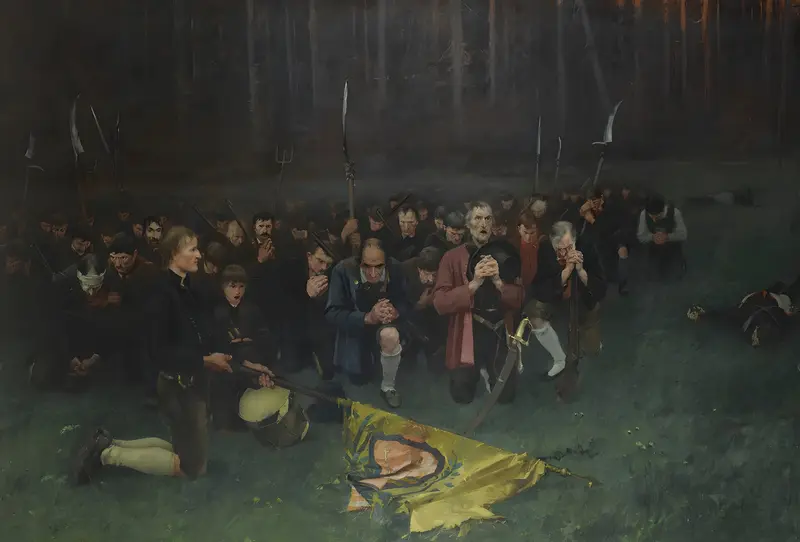
Prayer after the battle of Bergisel
Albin Egger Lienz
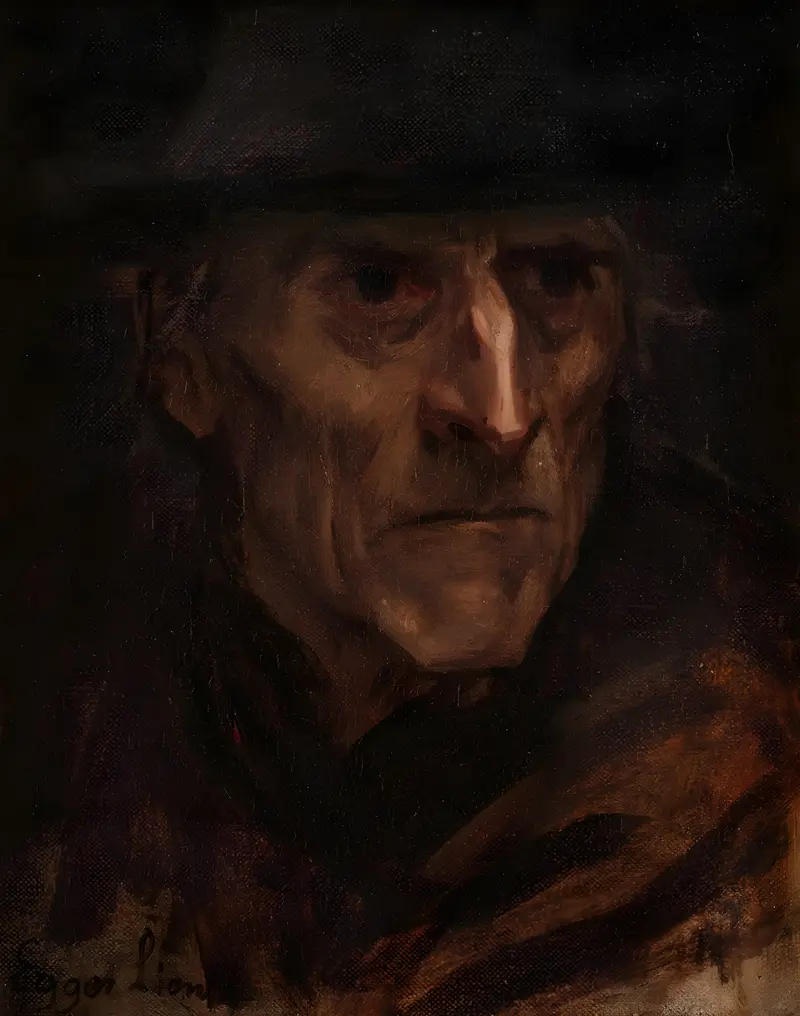
Study for the ‘Sensenmann’ in the ‘Das Kreuz’
Albin Egger Lienz
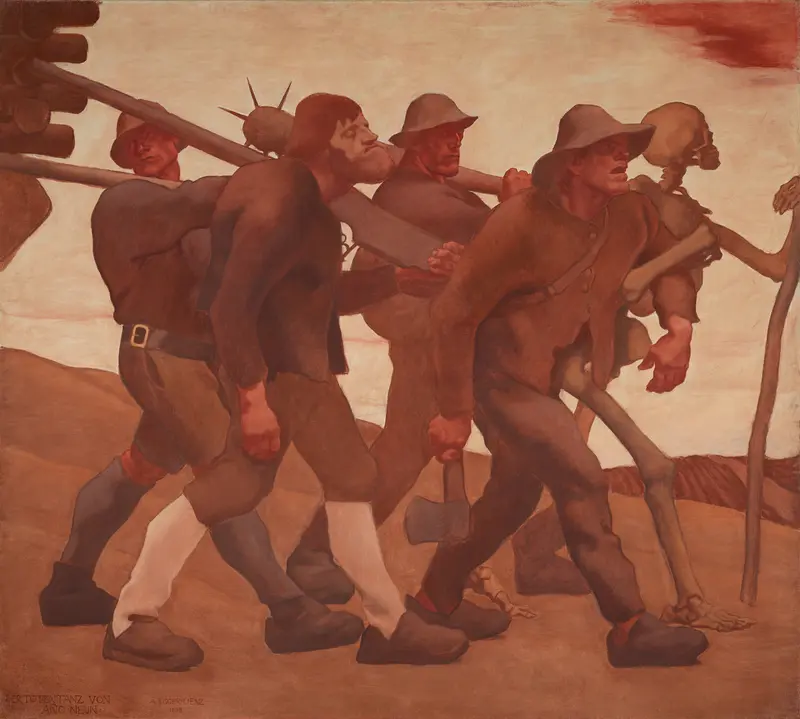
Der Totentanz Von Anno Neun
Albin Egger Lienz
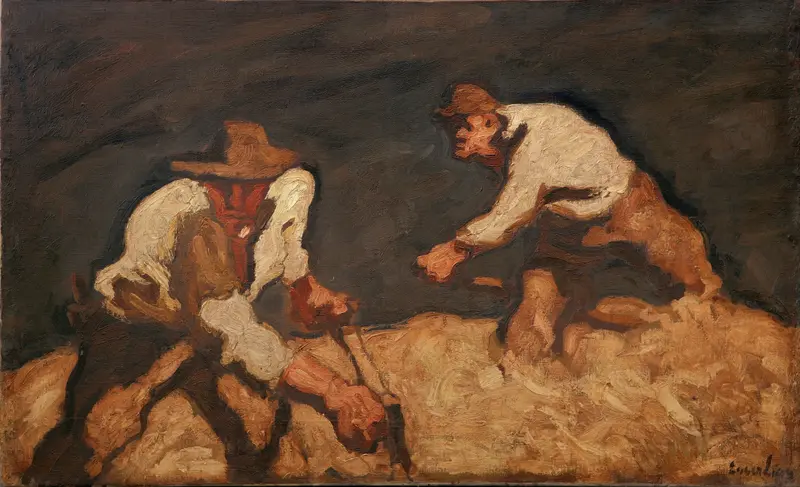
Reapers in a GatheringStorm
Albin Egger Lienz
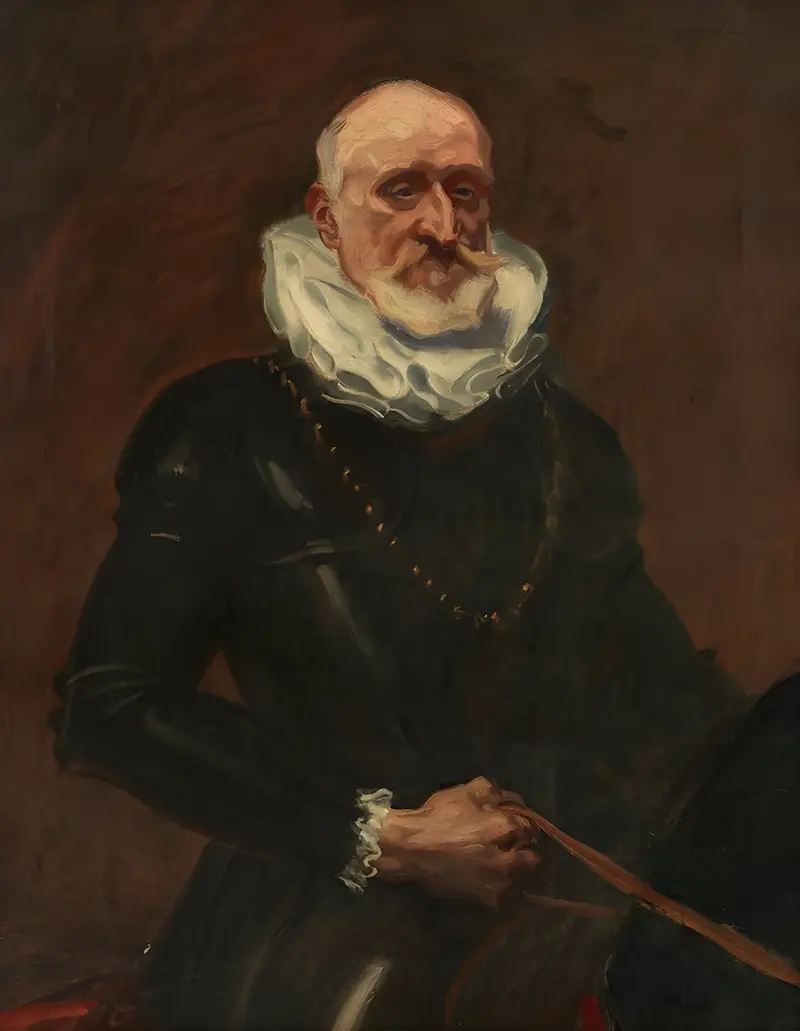
Carl Costenoble (Bildhauer und Stadtrat von Wien)
Albin Egger Lienz
Am Kalvarienberg In Bozen
Albin Egger Lienz
Kalvarienberg bei Bozen
Albin Egger Lienz



