
The blind man at the Pool of Siloam — History & Facts
In The Blind Man at the Pool of Siloam, we see a vibrant scene filled with rich colors. The painting depicts a blind man, dressed in humble clothing, reaching towards the water. Surrounding him are figures that appear to be onlookers, their expressions a mix of curiosity and compassion.
The setting is lush and natural, with greenery that enhances the emotional weight of the moment. The painting is executed in oil on canvas, a common medium for the Pre-Raphaelite movement. Leighton employs detailed brushwork to create textures in the clothing and foliage, bringing the scene to life. The colors are bright and saturated, typical of the Pre-Raphaelite style, which aimed to capture the beauty of nature.
The composition draws the viewer's eye towards the central figure, emphasizing his plight. Edmund Blair Leighton was known for his romanticized historical and biblical scenes, often featuring themes of love and sacrifice. This particular work reflects his interest in storytelling through visual art, capturing a moment of divine intervention. An interesting fact about this painting is that it was created during a period when Leighton was exploring more religious themes, marking a shift in his artistic focus.
The work resonates with the ideals of the Pre-Raphaelite Brotherhood, emphasizing detail and emotional depth.
More Artworks by Edmund Blair Leighton
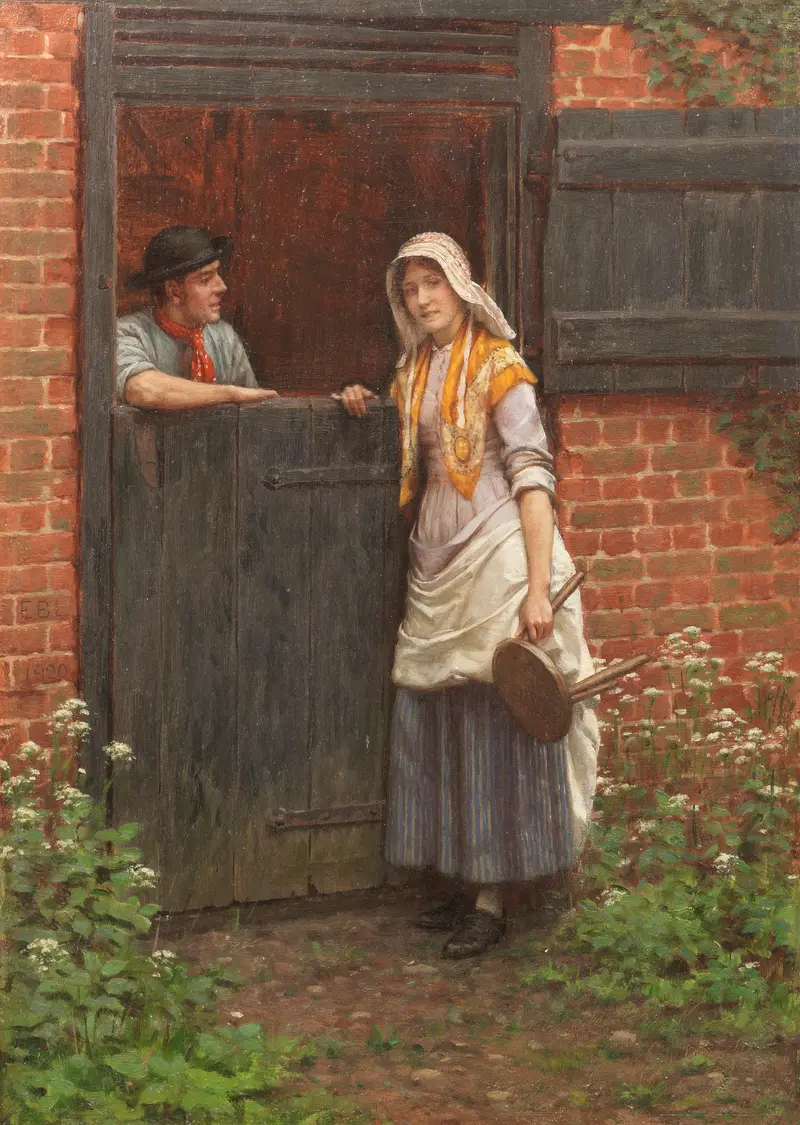
An Oft Told Tale
Edmund Blair Leighton
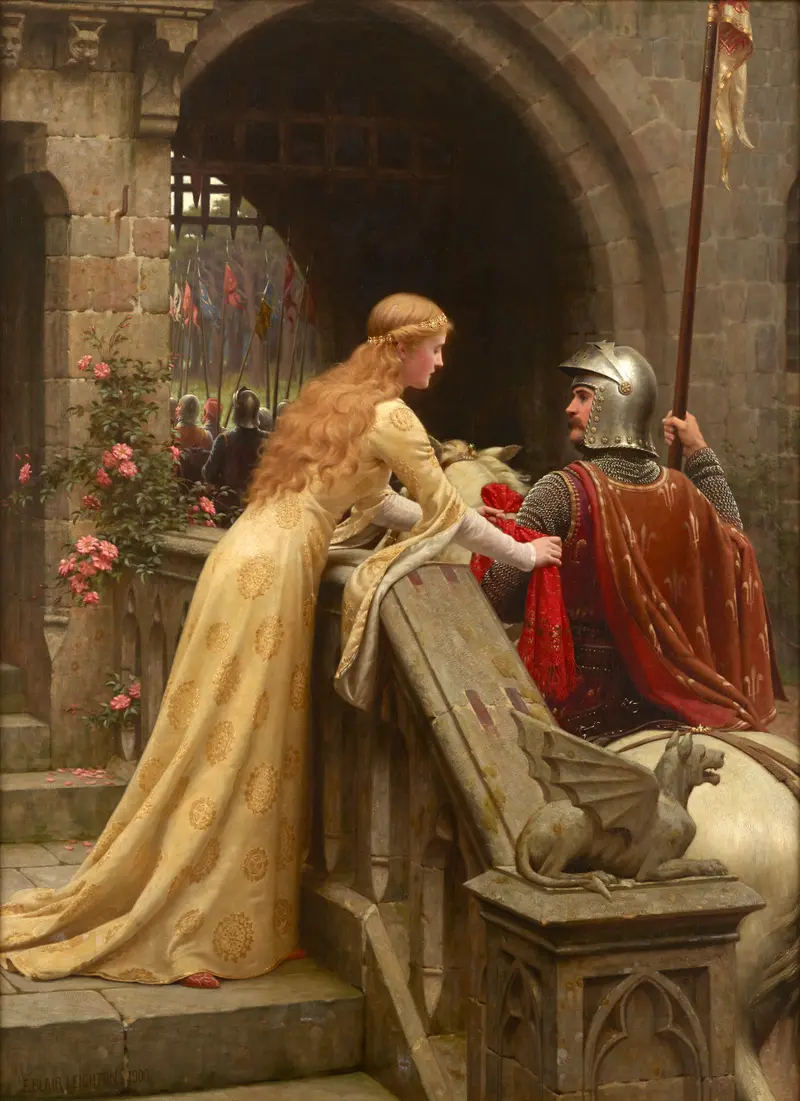
God Speed
Edmund Blair Leighton
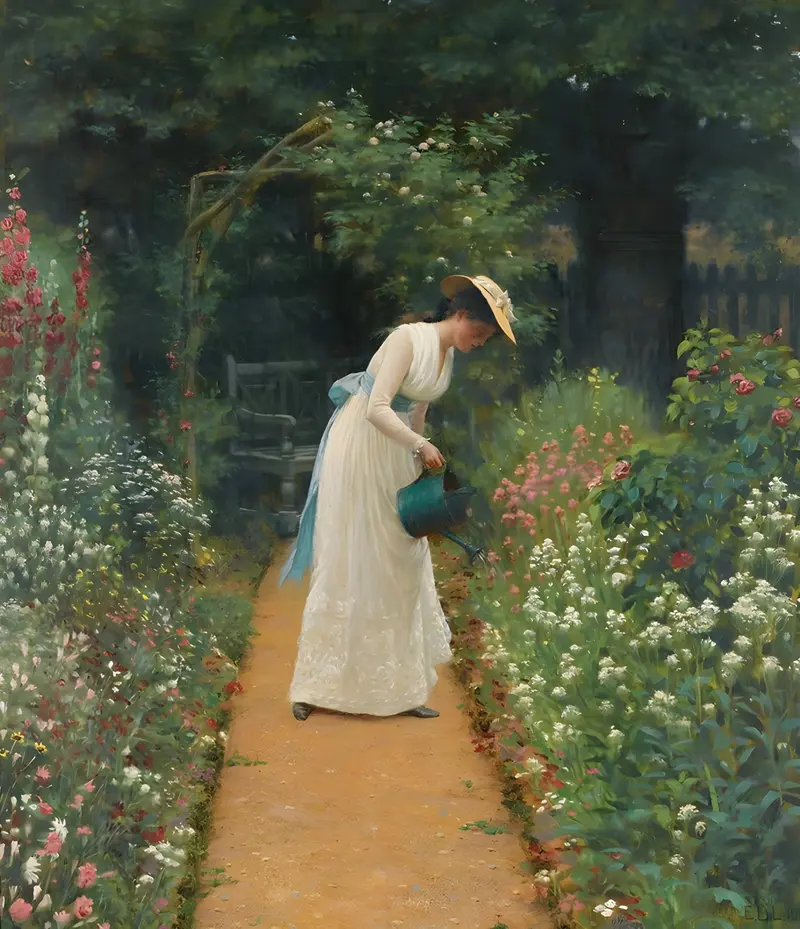
My Lady’s Garden
Edmund Blair Leighton
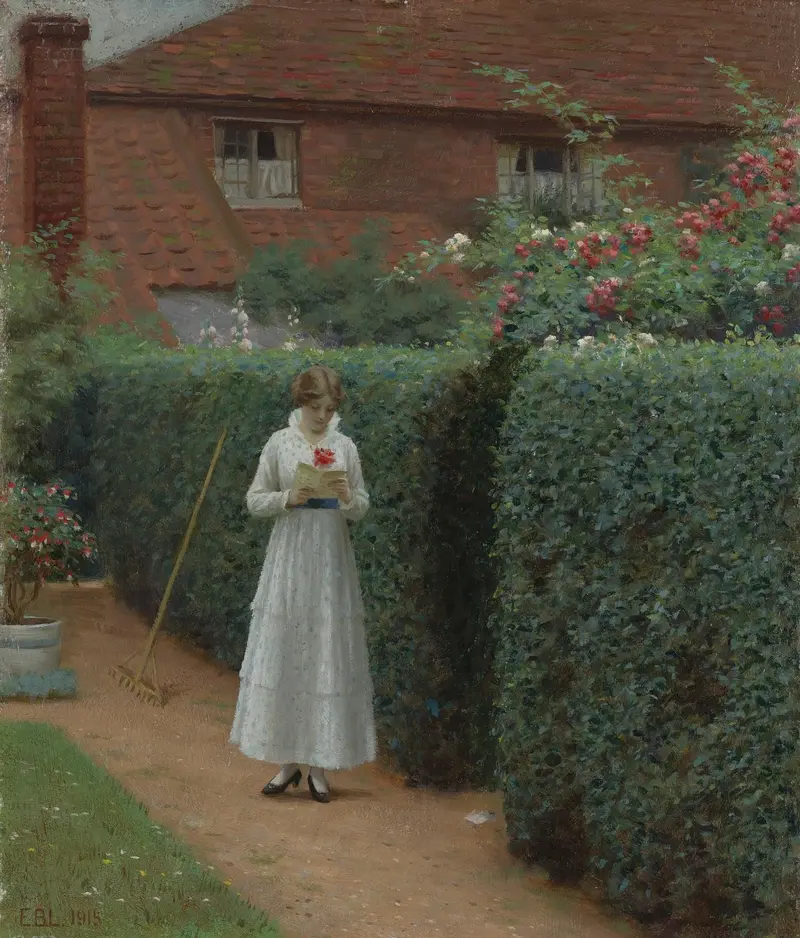
Le billet doux
Edmund Blair Leighton
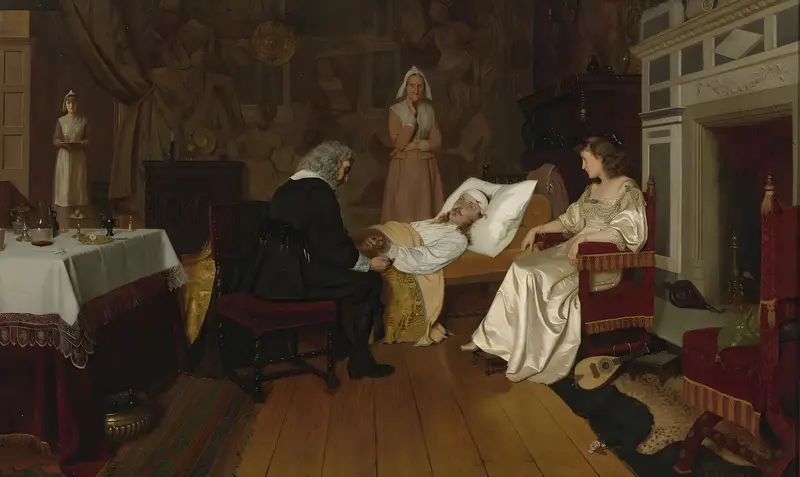
Witness my act and seal
Edmund Blair Leighton
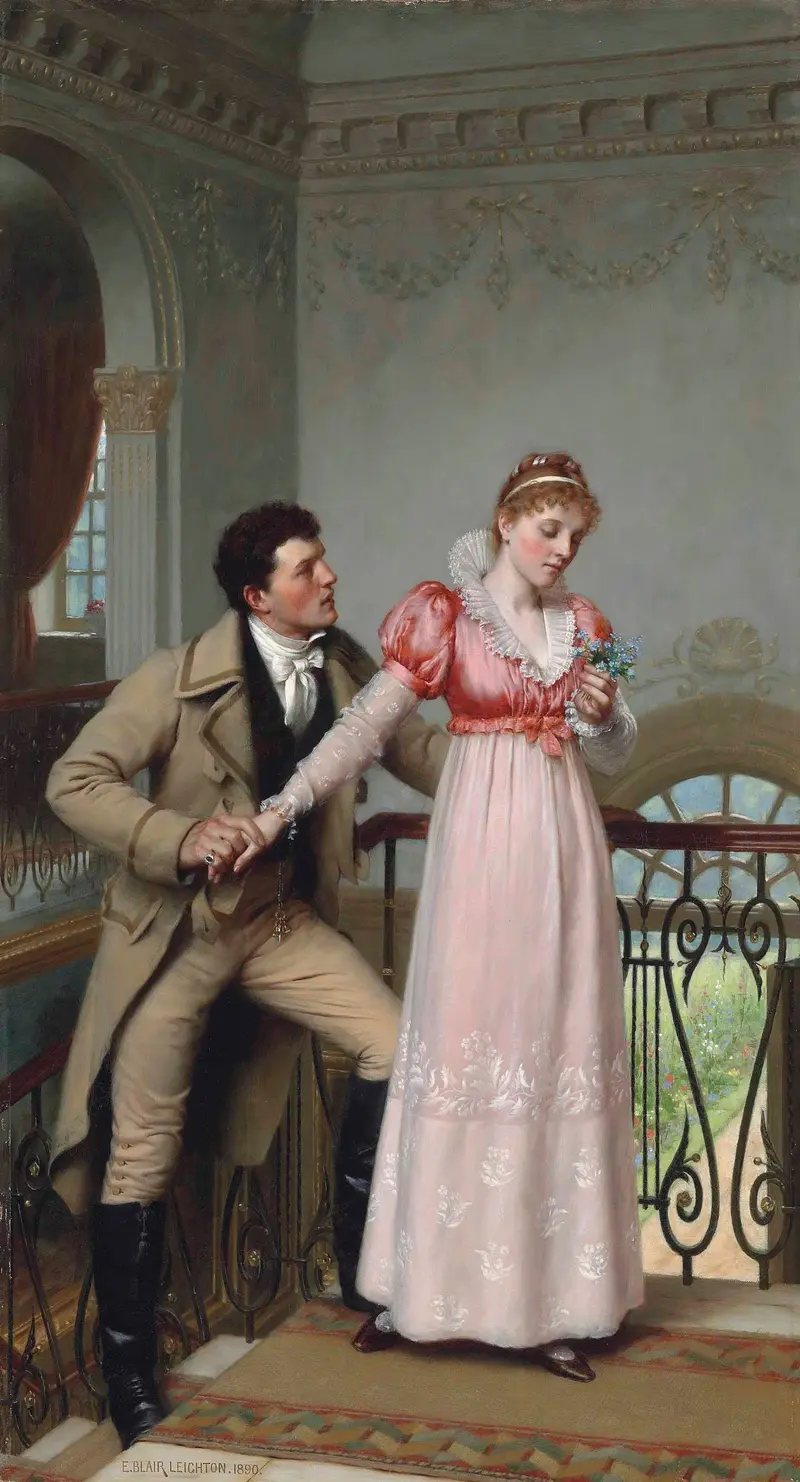
Yes Or No
Edmund Blair Leighton
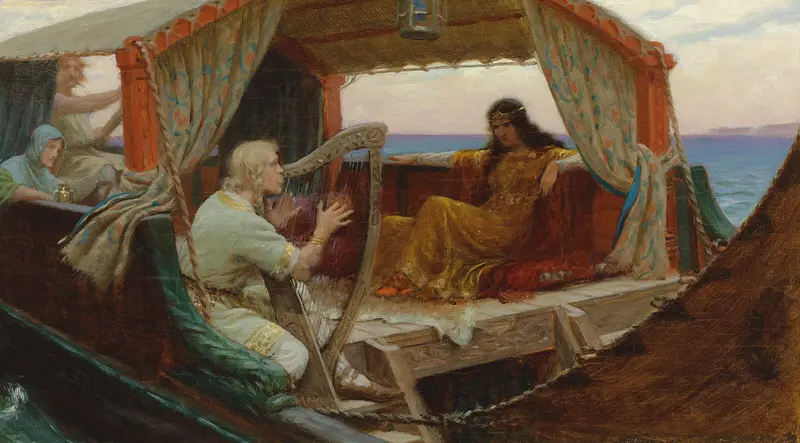
Tristram and Isolde
Edmund Blair Leighton
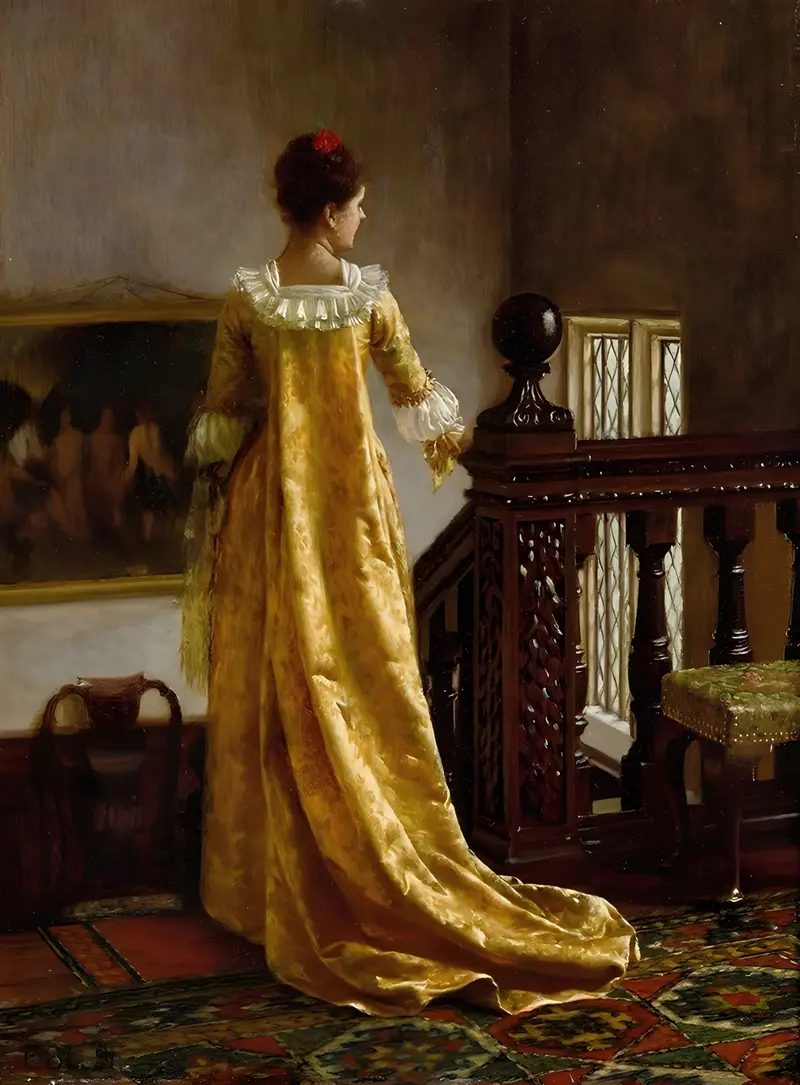
Qui M’aime Me Suit (Who Loves Me Follows Me)
Edmund Blair Leighton
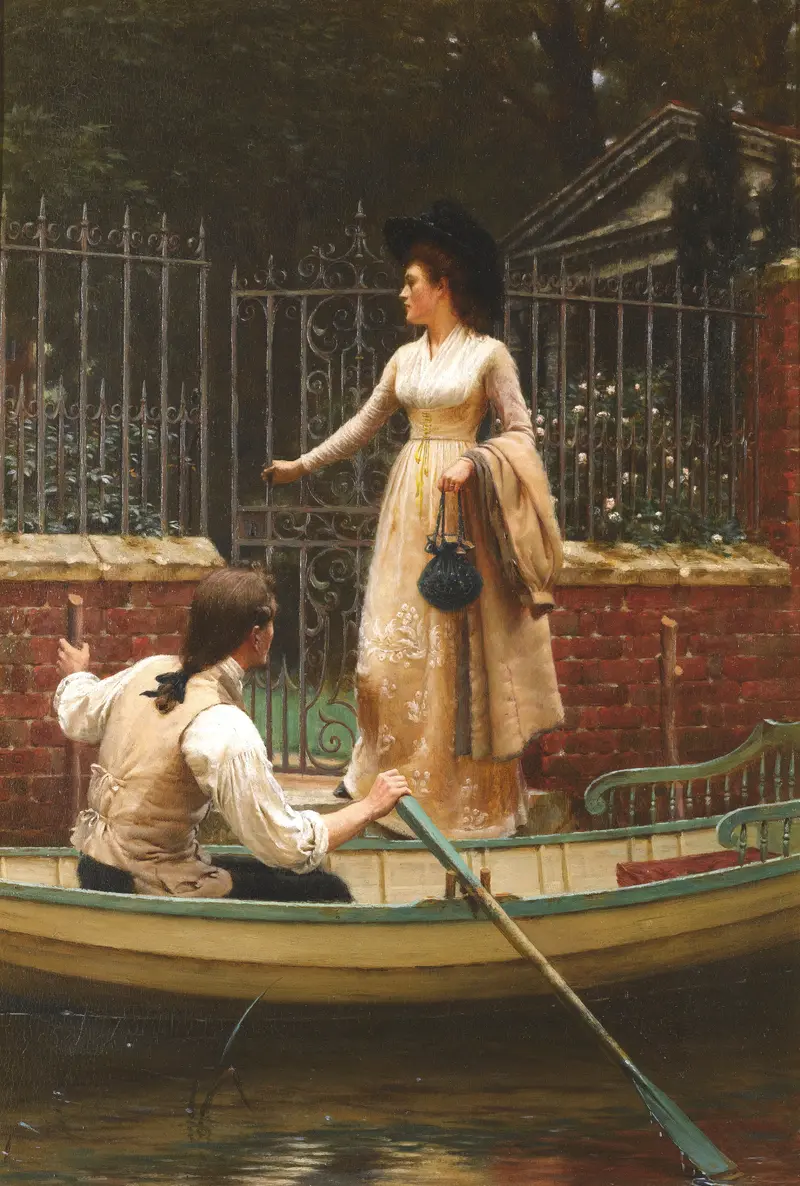
The Elopement
Edmund Blair Leighton
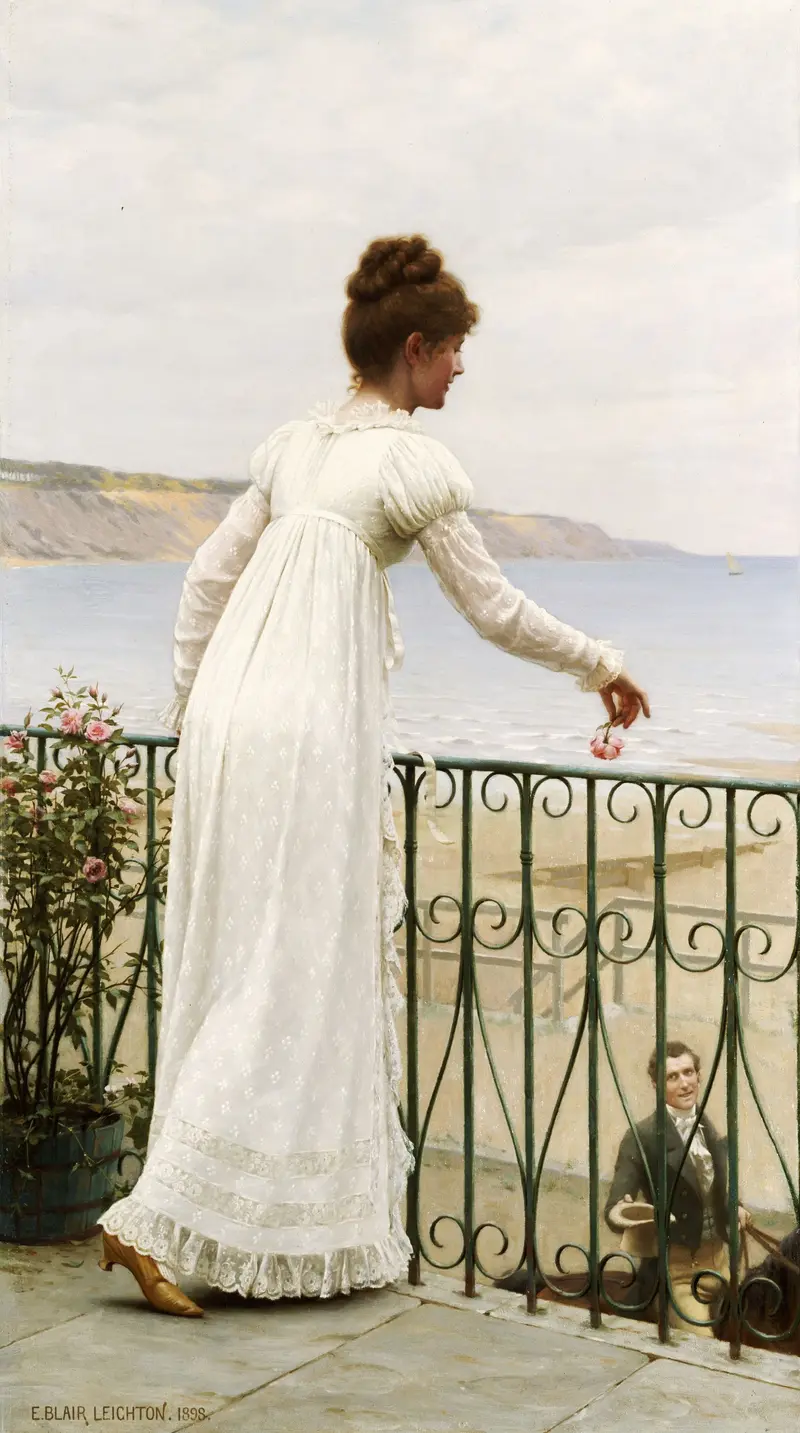
A Favour
Edmund Blair Leighton





