
The Elopement — History & Facts
In The Elopement, Edmund Blair Leighton presents a romantic scene filled with soft colors and gentle light. The painting features a young couple, dressed in period attire, escaping together. The lush greenery and serene landscape create a peaceful backdrop for their flight.
The expressions on their faces convey a mix of excitement and apprehension as they embark on their journey. The artwork is executed in oil on canvas, showcasing Leighton's skill in capturing detail and texture. The colors are rich yet soft, with a harmonious blend of greens, browns, and pastels. The figures are rendered with careful attention to clothing and facial expressions, enhancing the narrative quality of the piece.
The dimensions are approximately 76 x 102 cm, making it a sizable work that draws the viewer in. Edmund Blair Leighton was known for his romantic and historical subjects, often influenced by the Pre-Raphaelite movement. The Elopement reflects his interest in love stories and the idealization of romantic relationships. Interestingly, this painting was created during a time when Victorian society had strict views on love and marriage, making the theme of elopement particularly poignant.
Leighton's works often celebrate the beauty of love, making this piece a notable example of his artistic vision.
More Artworks by Edmund Blair Leighton
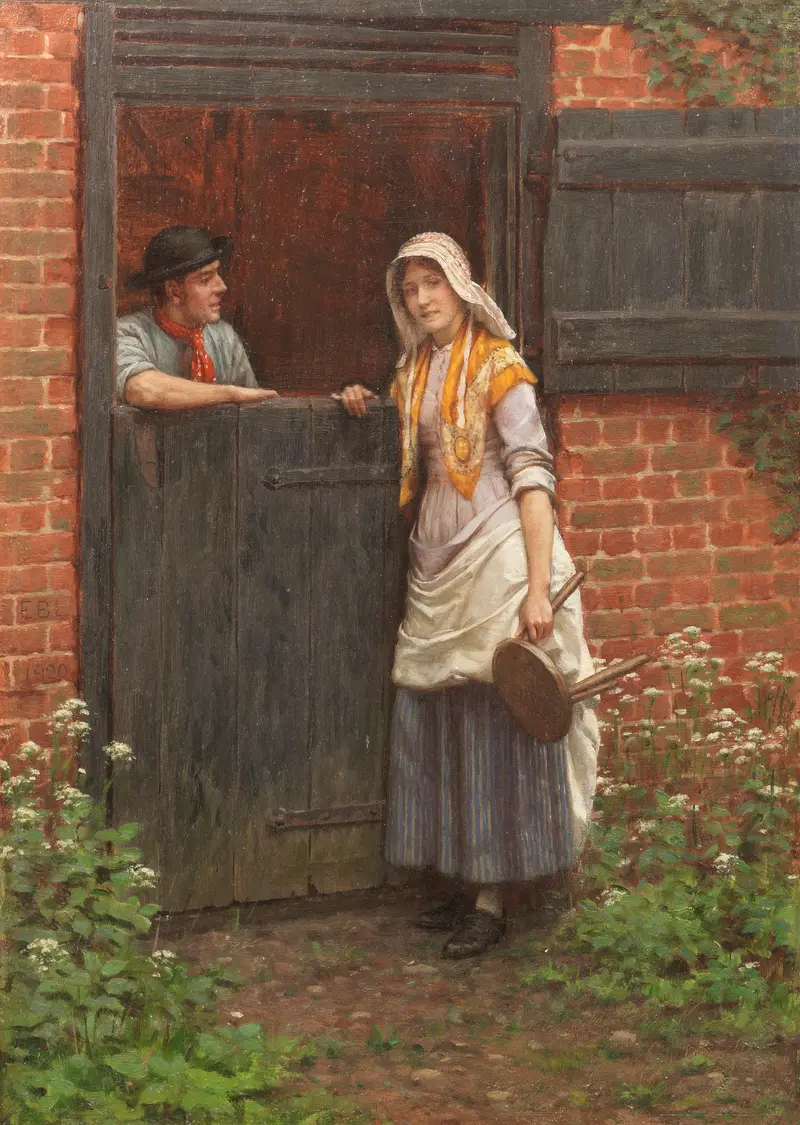
An Oft Told Tale
Edmund Blair Leighton
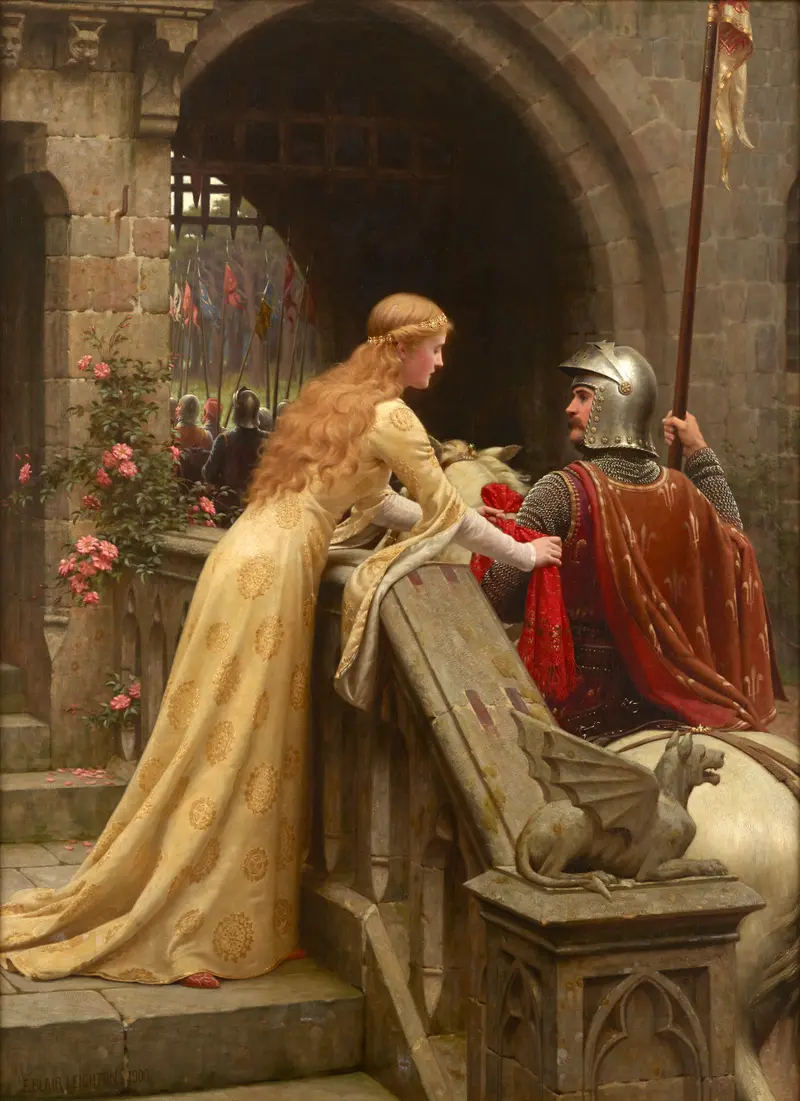
God Speed
Edmund Blair Leighton
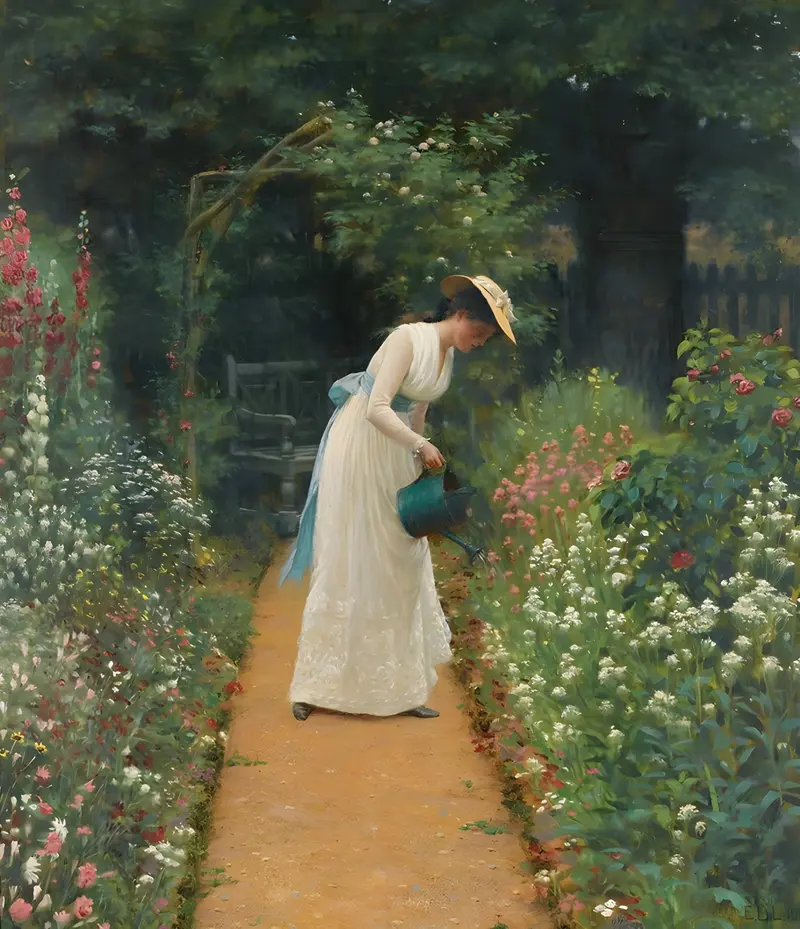
My Lady’s Garden
Edmund Blair Leighton
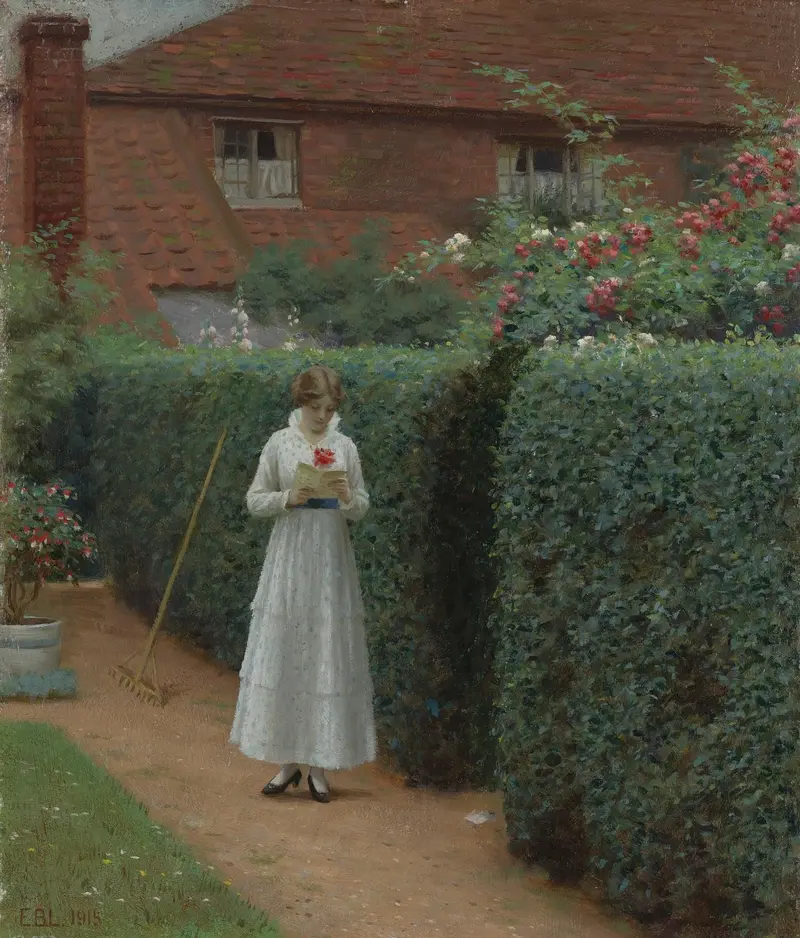
Le billet doux
Edmund Blair Leighton
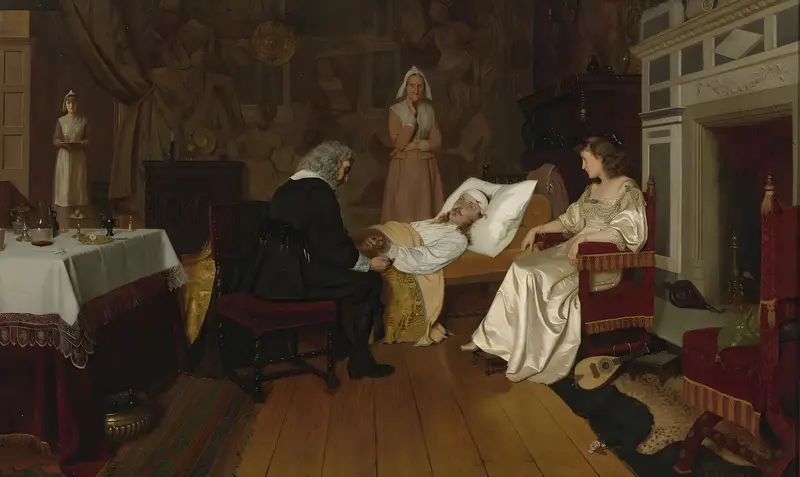
Witness my act and seal
Edmund Blair Leighton
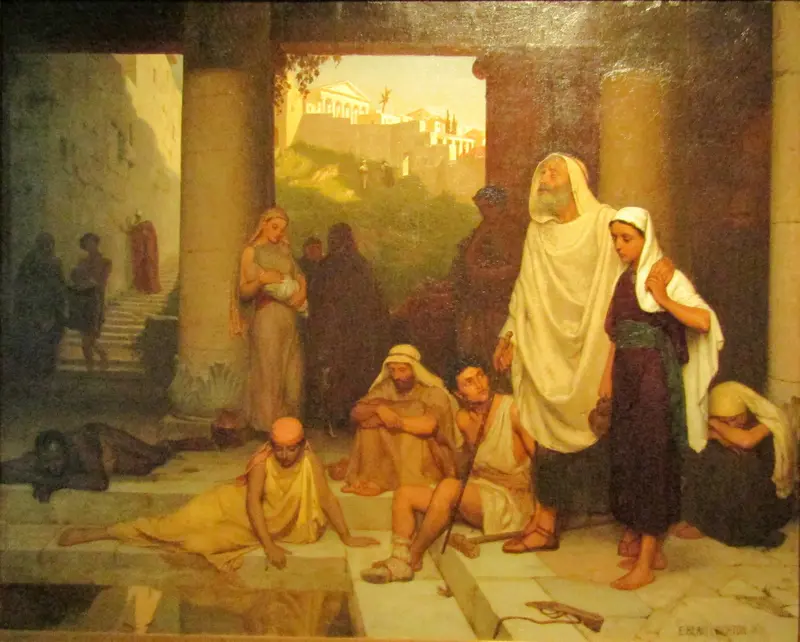
The blind man at the Pool of Siloam
Edmund Blair Leighton
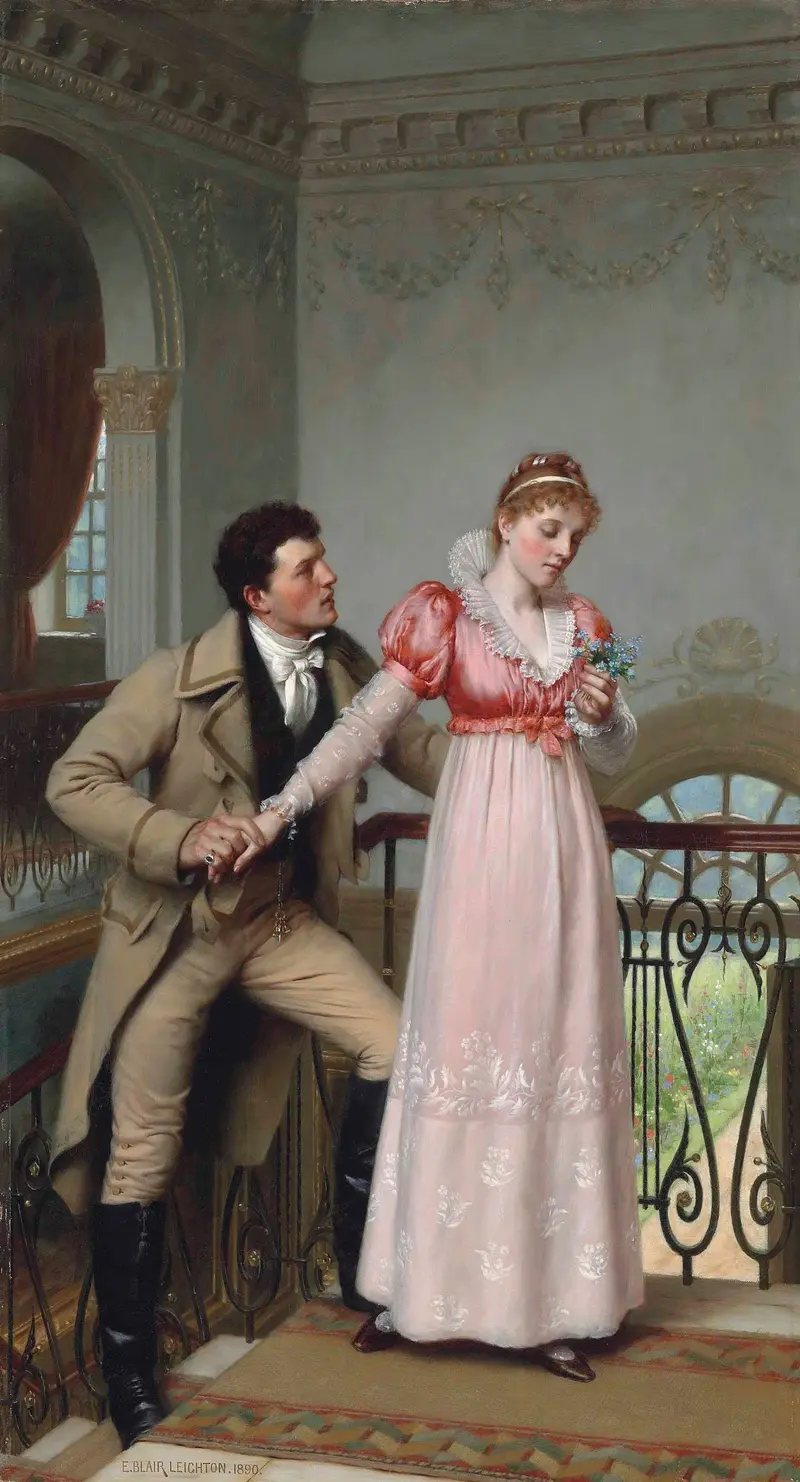
Yes Or No
Edmund Blair Leighton
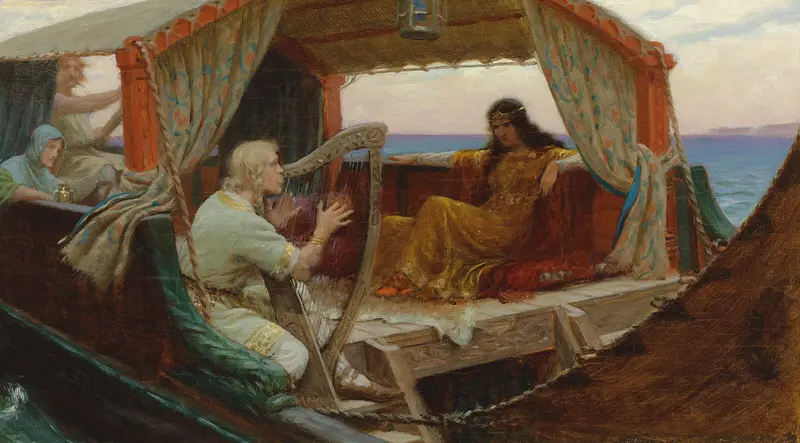
Tristram and Isolde
Edmund Blair Leighton
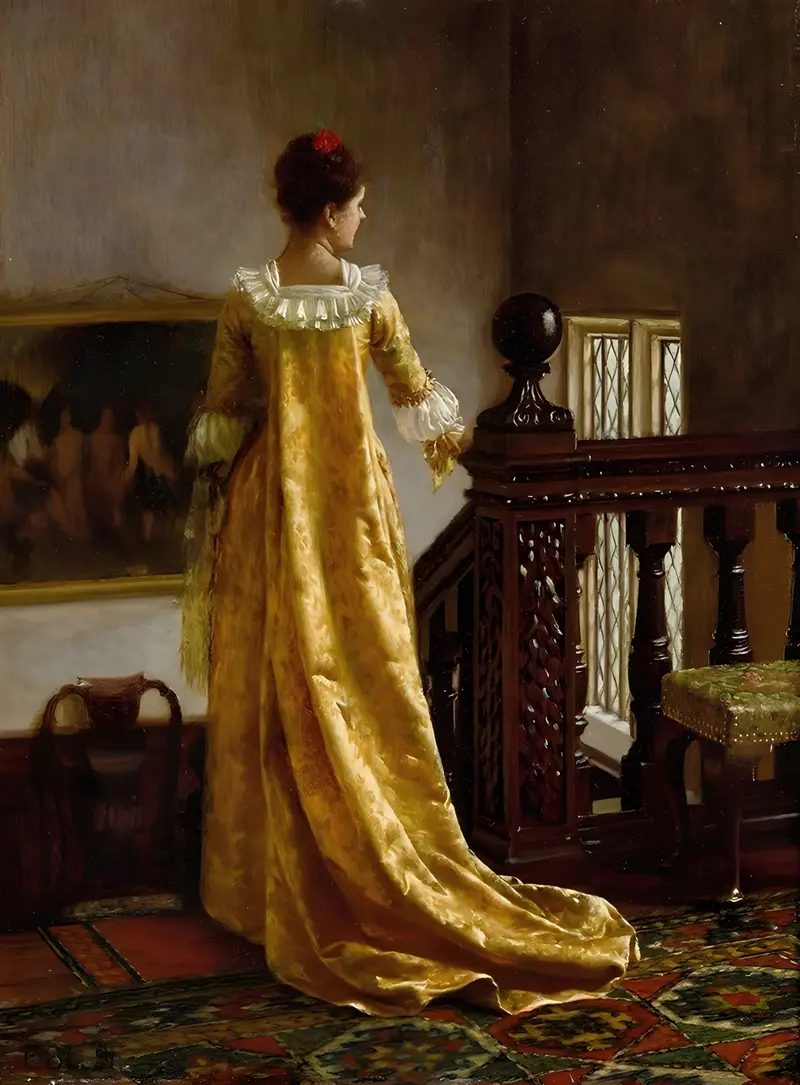
Qui M’aime Me Suit (Who Loves Me Follows Me)
Edmund Blair Leighton
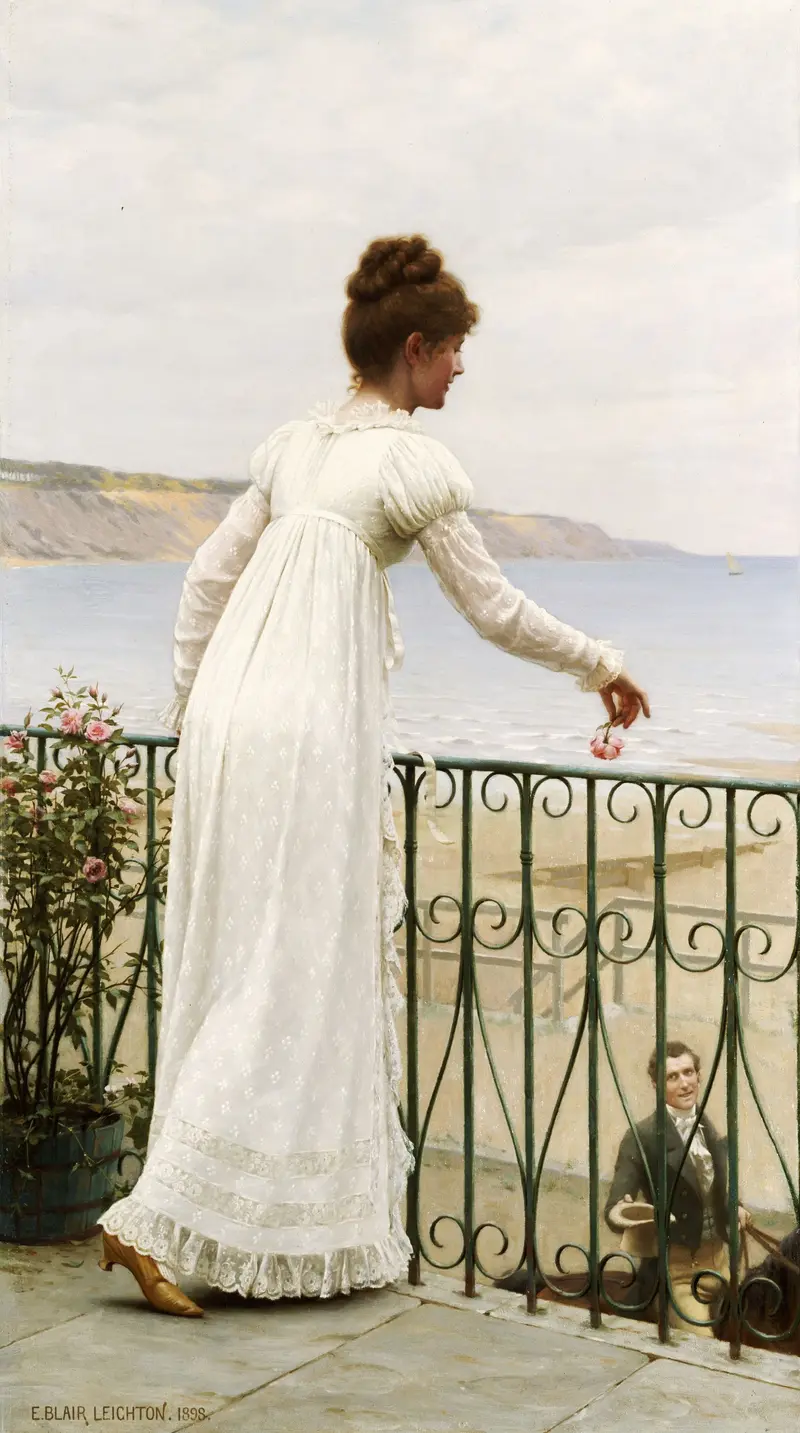
A Favour
Edmund Blair Leighton
More Genre Scene Art

Banquet of the Officers of the St George Civic Guard
Frans Hals

Rembrandt and Saskia in the Scene of the Prodigal Son
Rembrandt van Rijn

Bal du moulin de la Galette
Pierre-Auguste Renoir

Quadrille at the Moulin Rouge
Henri de Toulouse-Lautrec

A Burial at Ornans
Gustave Courbet

When Will You Marry?
Paul Gauguin