
Tristram and Isolde — History & Facts
In Tristram and Isolde, the viewer is greeted by a lush, romantic landscape filled with vibrant colors. The figures of Tristram and Isolde are depicted in a tender embrace, surrounded by nature. The warm tones of the painting create an inviting atmosphere, emphasizing their connection.
The setting suggests a moment of intimacy, capturing the essence of their tragic love story. The painting is executed in oil on canvas, showcasing Leighton's skill in capturing detail and emotion. The use of light and shadow adds depth to the figures and the surrounding landscape. The composition is balanced, with the figures positioned centrally, drawing the viewer's eye.
The intricate details in the clothing and foliage reflect the Pre-Raphaelite style, known for its focus on realism and vibrant colors. Edmund Blair Leighton was a prominent British artist known for his romantic and historical themes. Tristram and Isolde reflects the Pre-Raphaelite movement's influence, emphasizing beauty and emotion. An interesting fact about this work is that it captures the legendary love story from Arthurian literature, which has inspired countless adaptations in art and literature.
Leighton's paintings often depict strong emotional narratives, making him a notable figure in Victorian art.
More Artworks by Edmund Blair Leighton
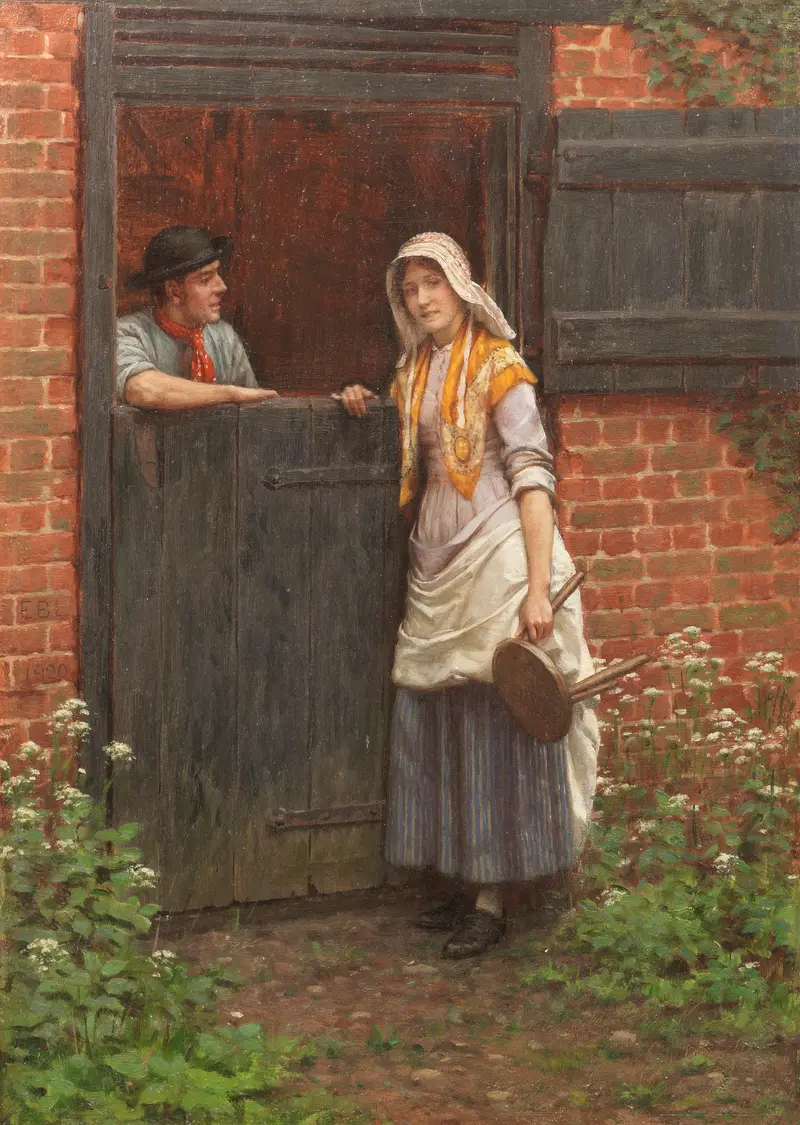
An Oft Told Tale
Edmund Blair Leighton
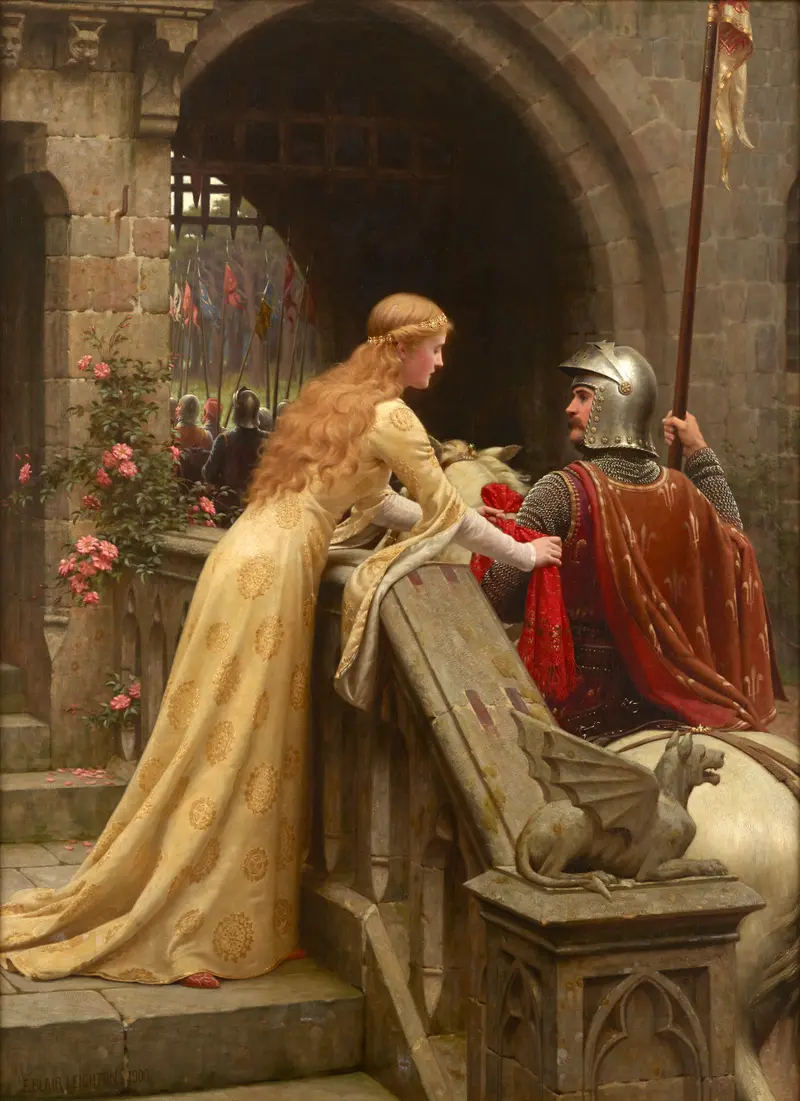
God Speed
Edmund Blair Leighton
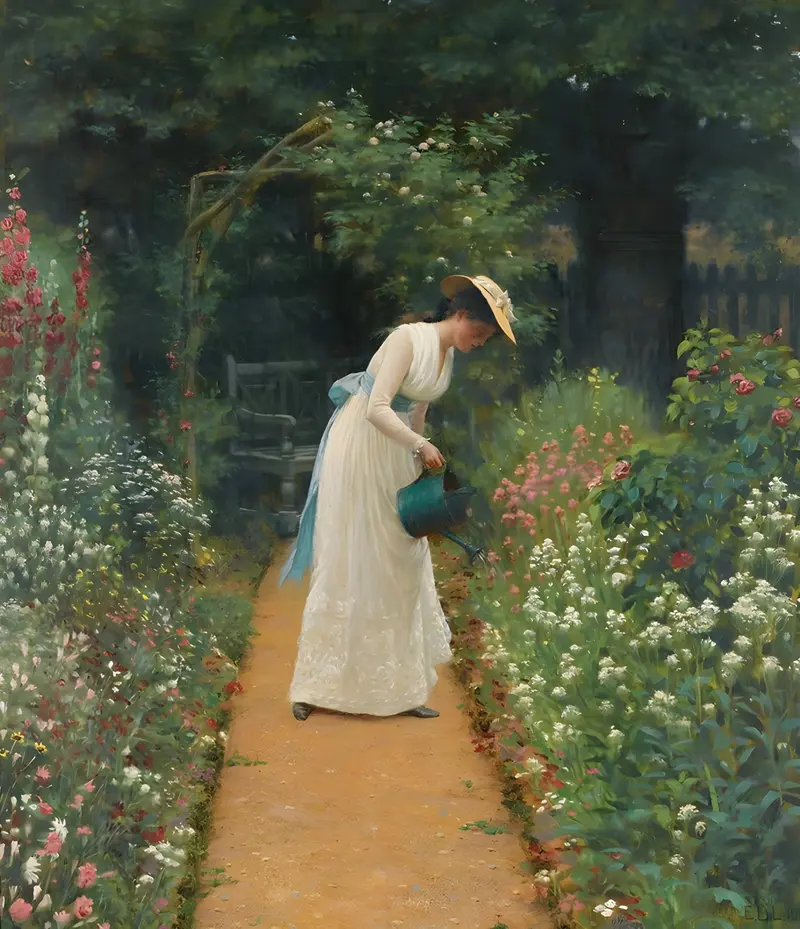
My Lady’s Garden
Edmund Blair Leighton
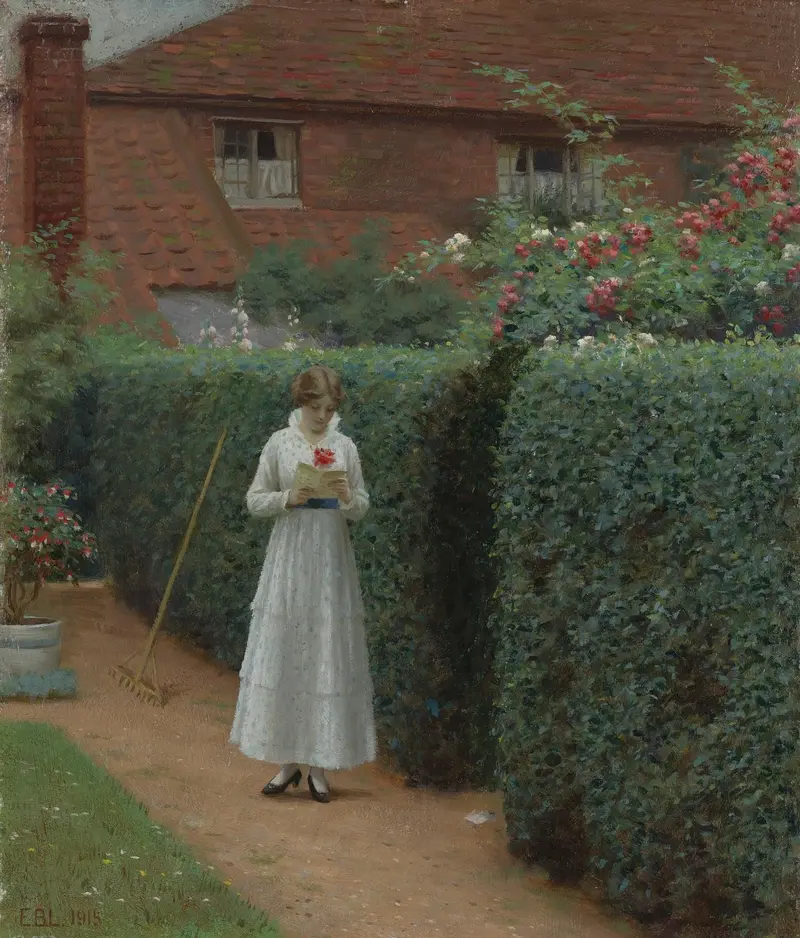
Le billet doux
Edmund Blair Leighton
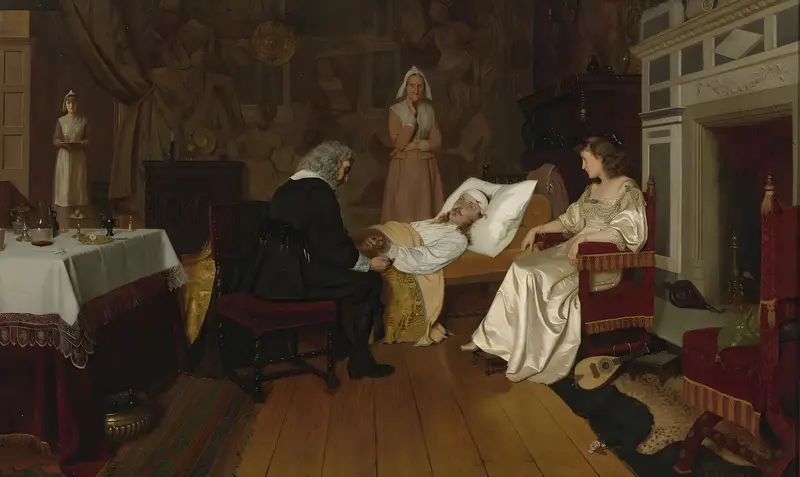
Witness my act and seal
Edmund Blair Leighton
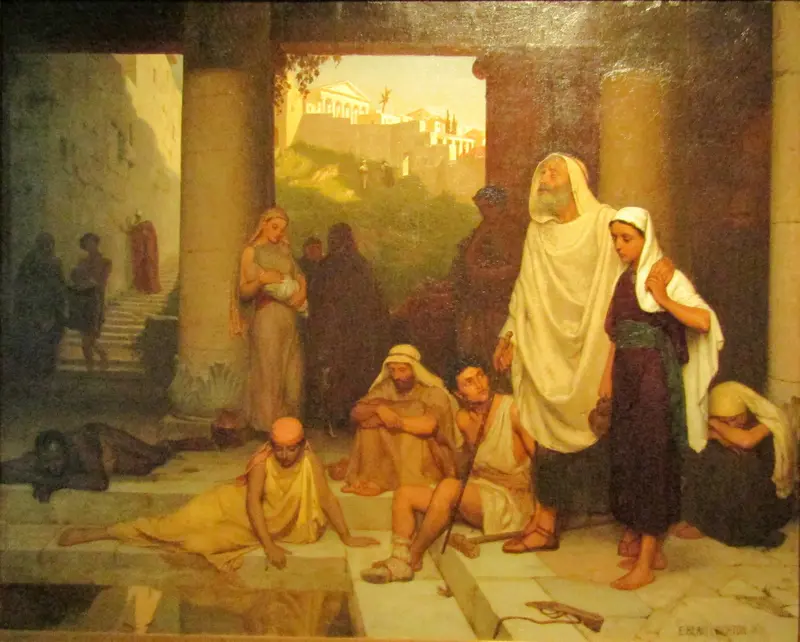
The blind man at the Pool of Siloam
Edmund Blair Leighton
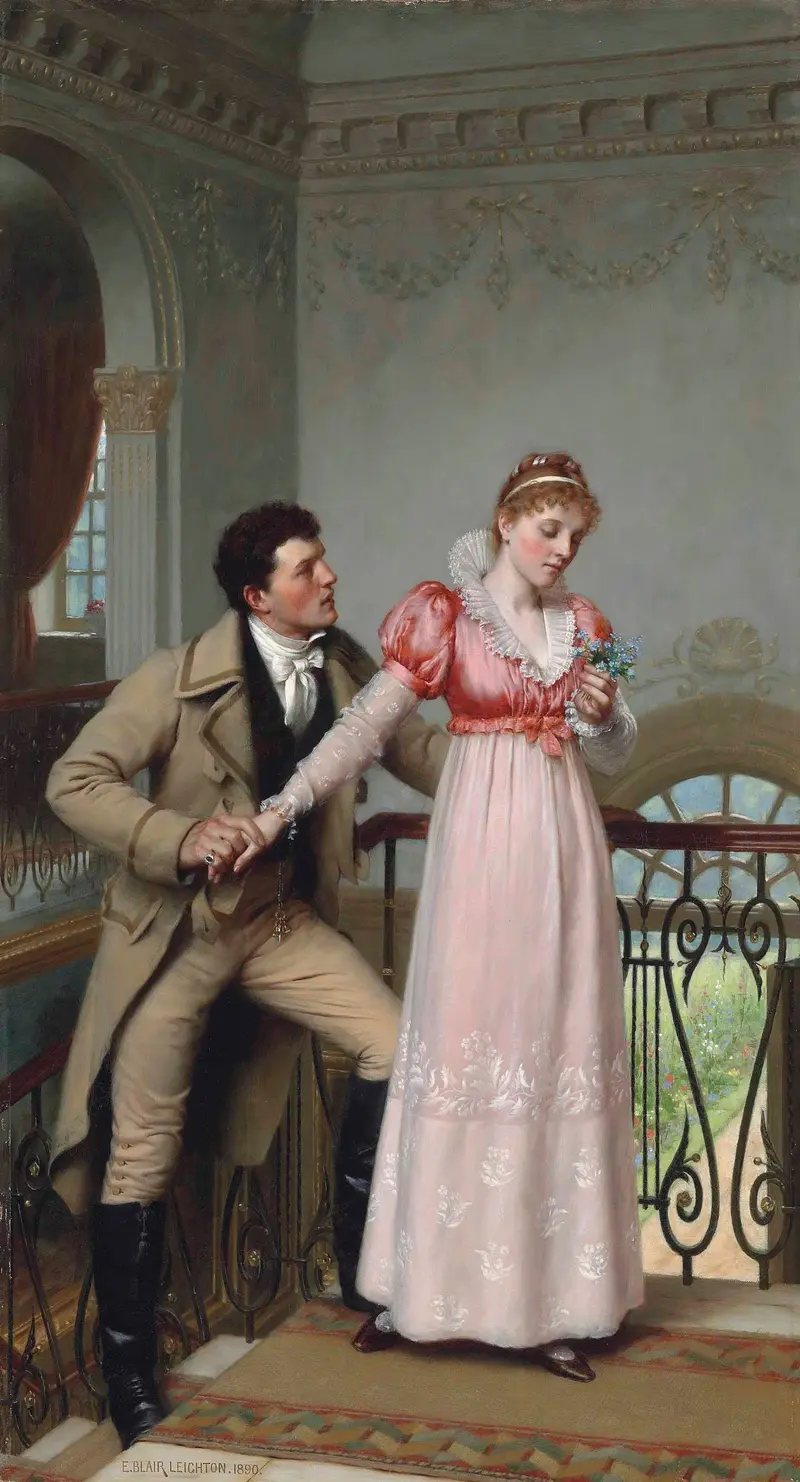
Yes Or No
Edmund Blair Leighton
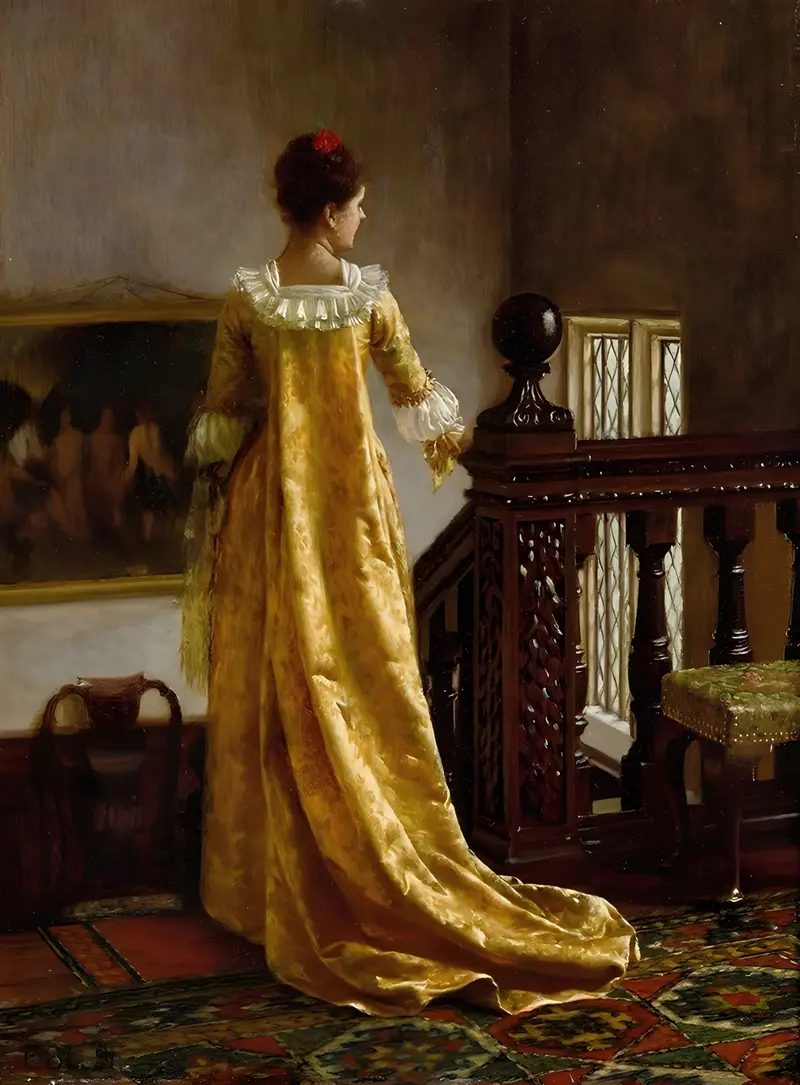
Qui M’aime Me Suit (Who Loves Me Follows Me)
Edmund Blair Leighton
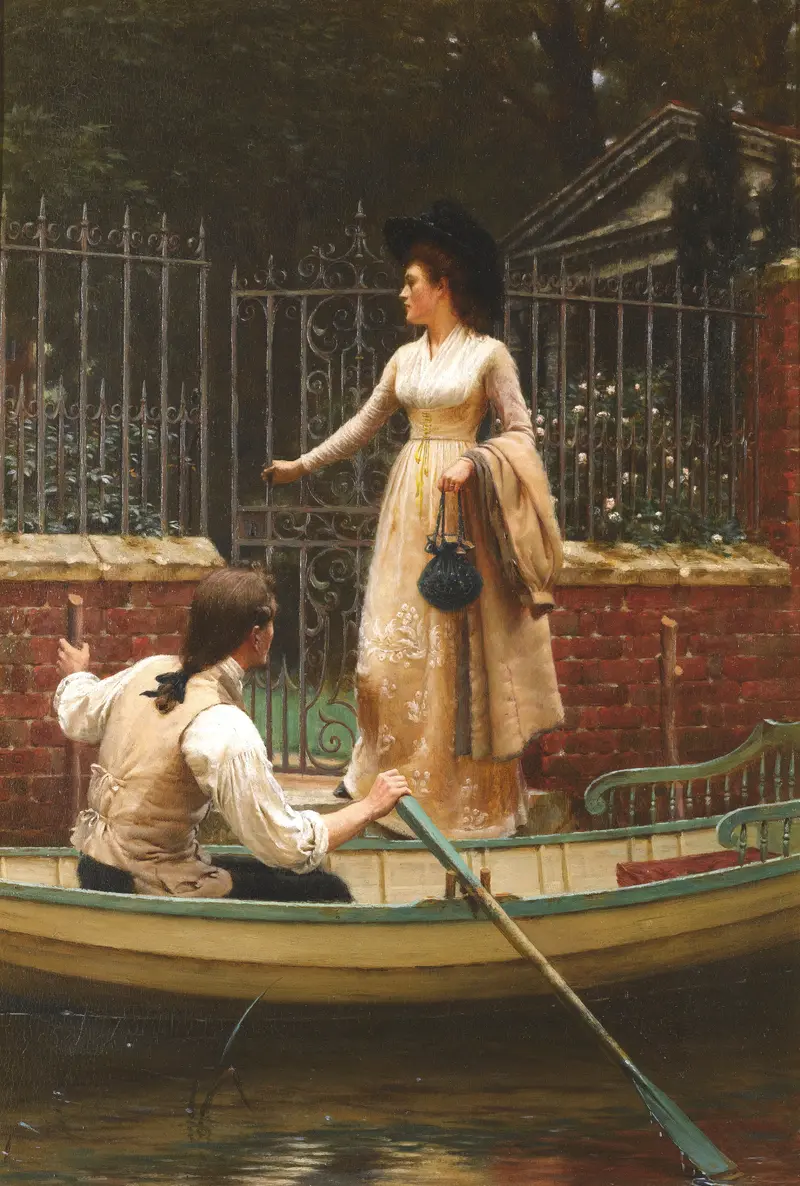
The Elopement
Edmund Blair Leighton
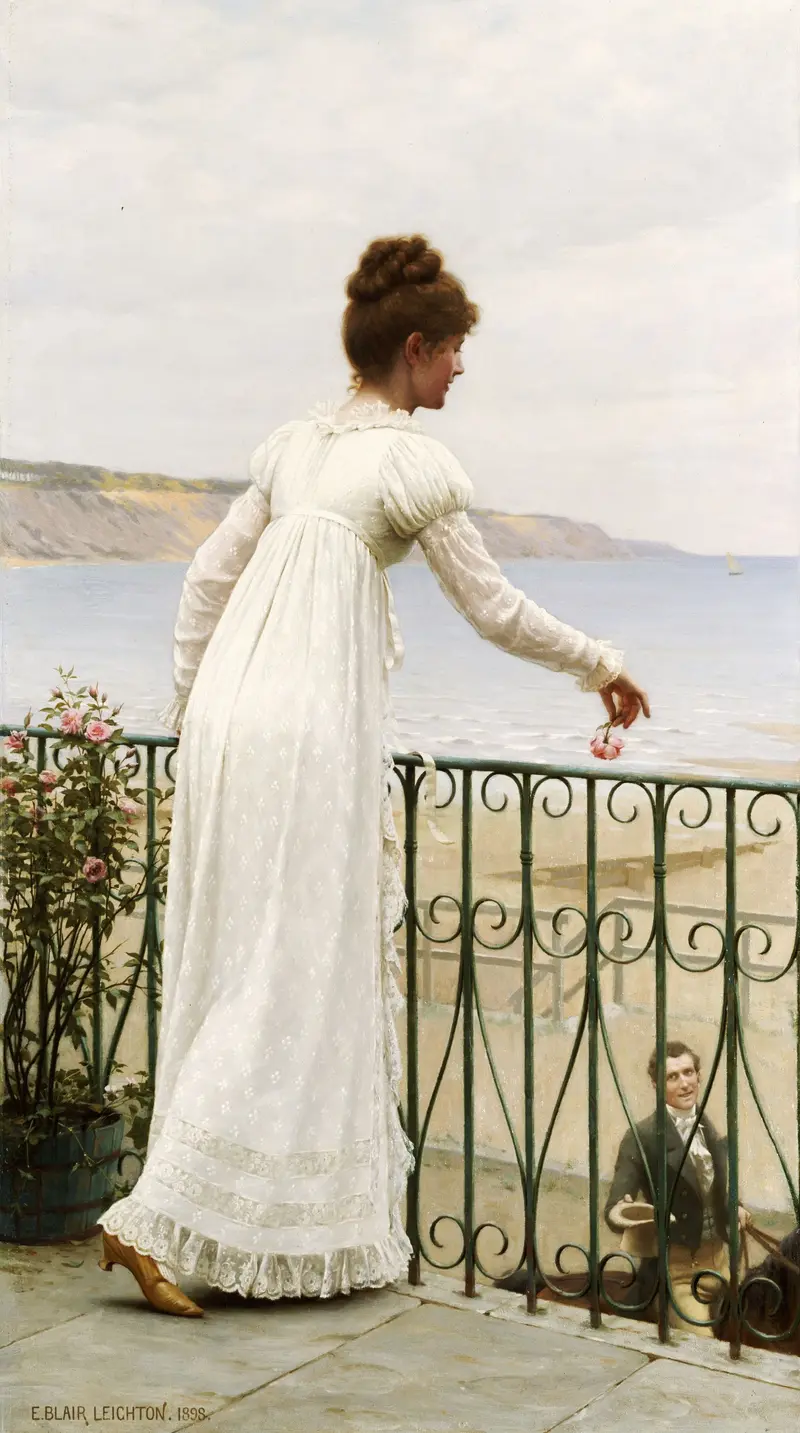
A Favour
Edmund Blair Leighton





