
The Bowdoin — History & Facts
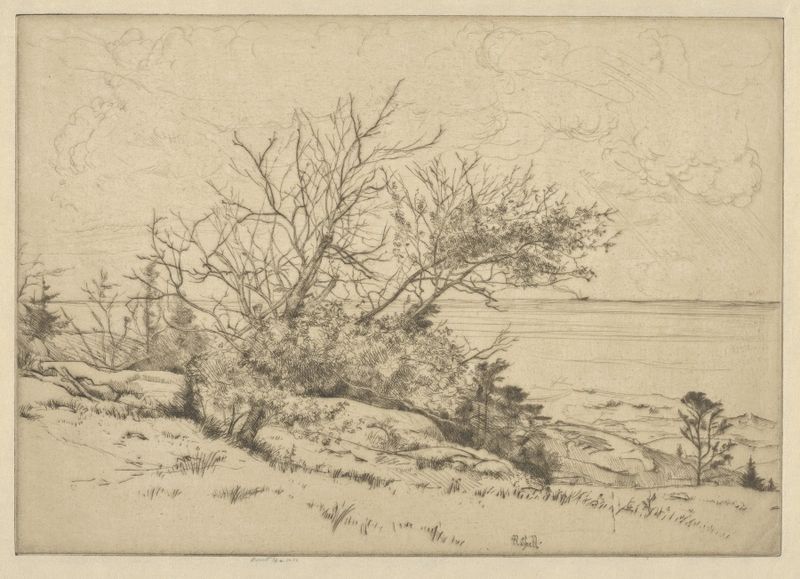
Did the painter know this moment would outlive them? In a world ever-shifting, the essence of a single instant can resonate through the ages, urging us to pause and reflect. Focus on the tranquil expanse of water that dominates the canvas, its surface a mirror of calm interrupted only by the gentle ripple of a passing boat. Notice how the muted palette of greens and blues captures a serene afternoon, bathed in soft light that hints at whispered secrets of time. The horizon stretches wide, drawing the eye toward distant trees, where shadows mingle with sunlight, creating a sense of continuity between earth and sky, past and present. As you delve deeper, consider the conflicting emotions that arise from the stillness.
The boat, a humble vessel, symbolizes human endeavor amid nature's vastness, suggesting a fleeting yet profound connection with the world. The painter's brushstrokes evoke a sense of nostalgia, as if time itself is suspended, allowing viewers to experience both the transient and the eternal. Each stroke breathes life into the moment, inviting contemplation about what has come before and what is yet to unfold. In 1923, Ernest Haskell was immersed in the artistic movements of his time, grappling with both modernity and tradition.
Living in Maine, he was inspired by the region’s landscapes while also contributing to the burgeoning American art scene. This period was marked by an exploration of identity and place, reflecting broader changes in society and how art sought to capture the essence of a moment in history—something Haskell achieved beautifully in this work.
More Artworks by Ernest Haskell
Browse all →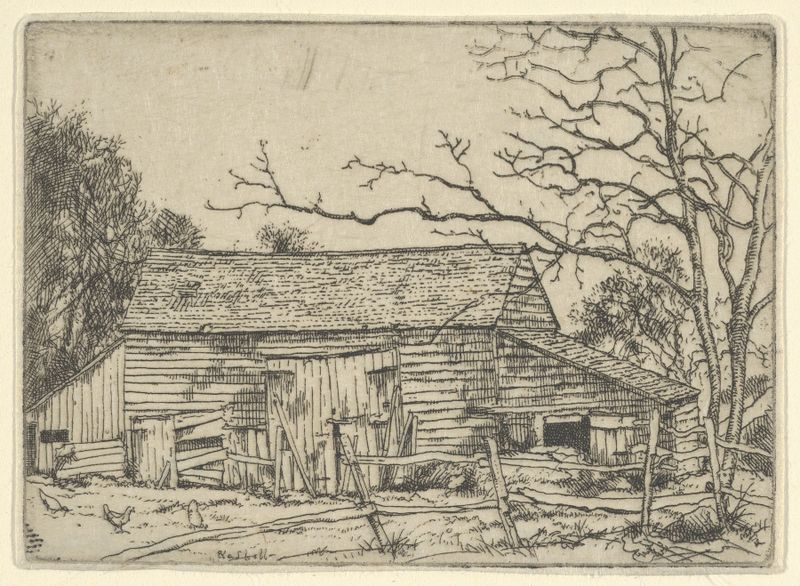
The Barn–Staten Island, N.Y.
Ernest Haskell

Four Live Oaks
Ernest Haskell
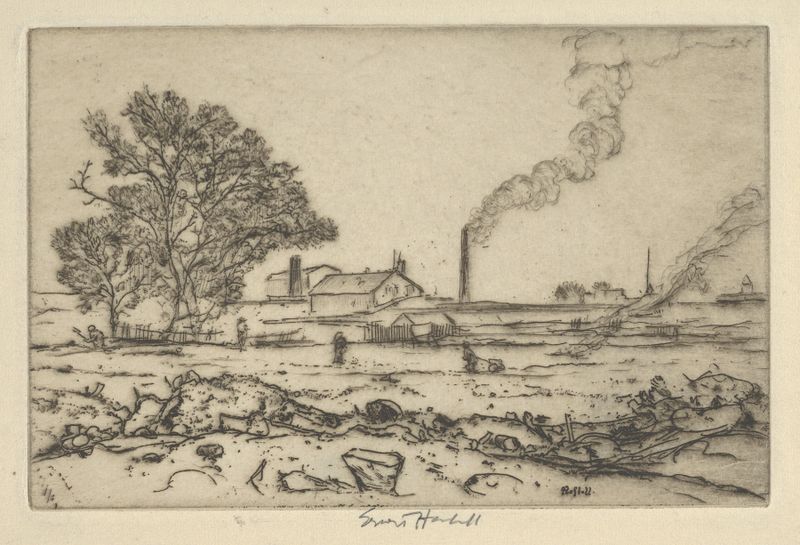
Outskirts of Boston
Ernest Haskell
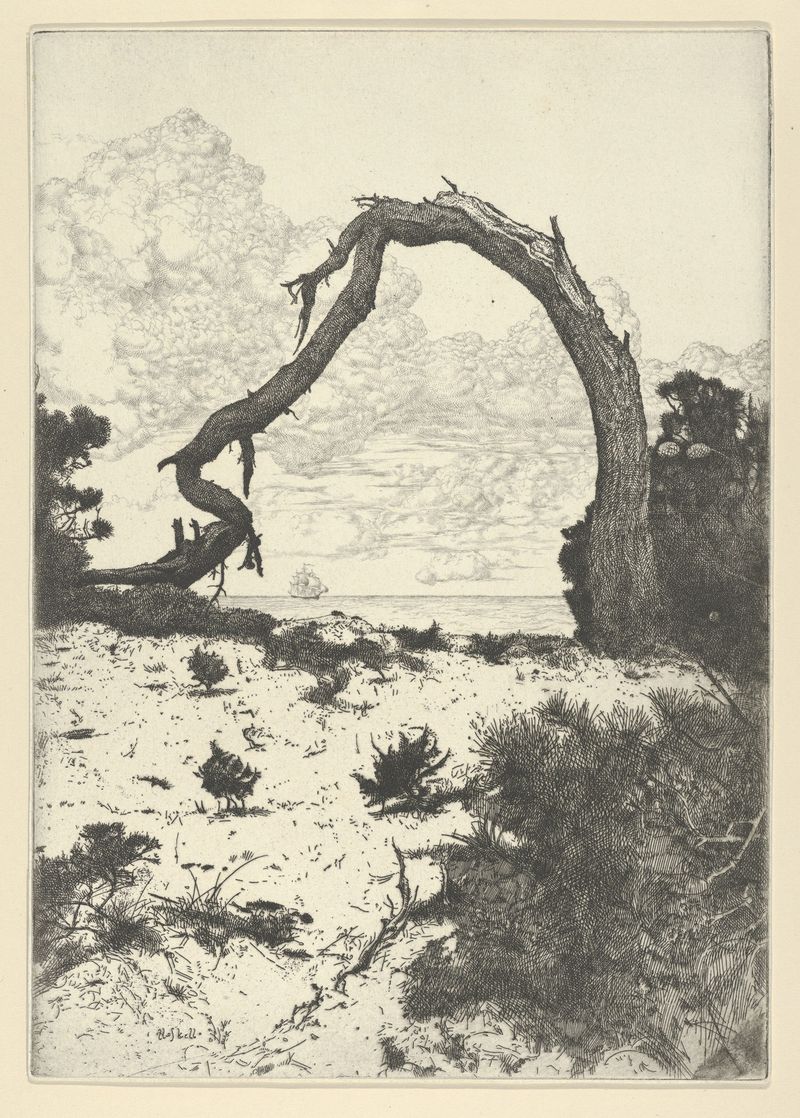
Pine Arch
Ernest Haskell

General Sherman
Ernest Haskell
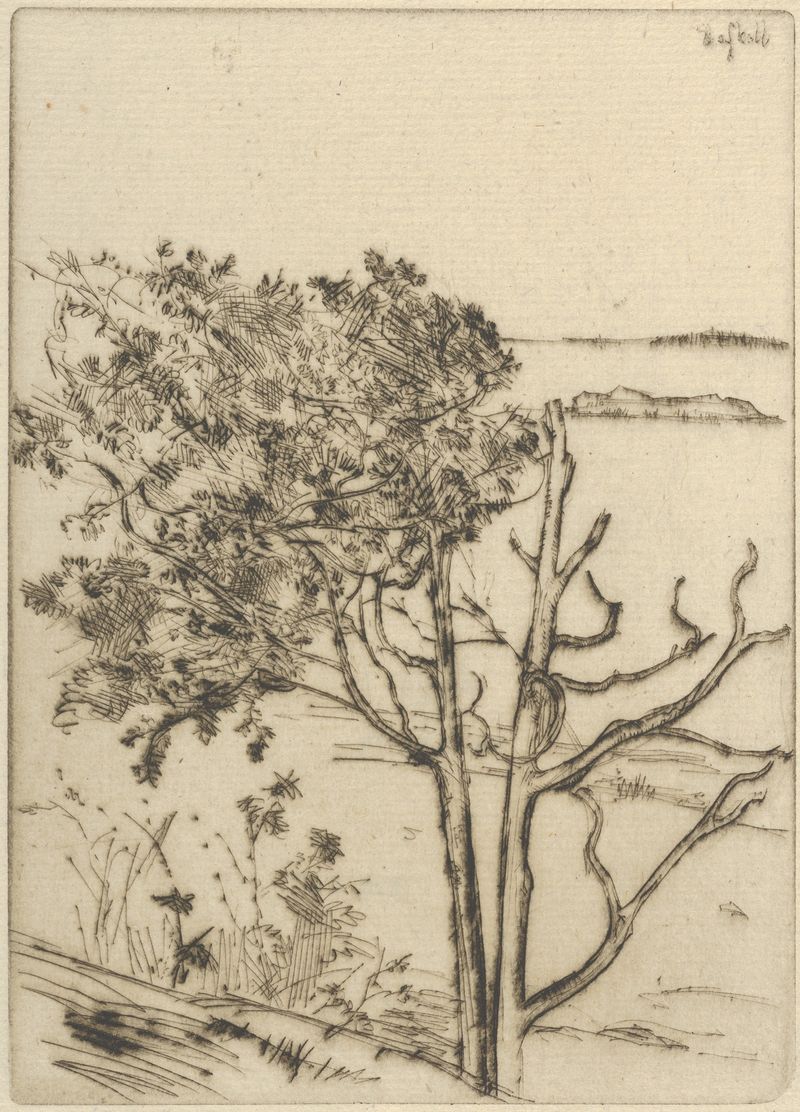
Ragged Tree – Maine
Ernest Haskell

Tide Mill
Ernest Haskell

Ship Building
Ernest Haskell
To the Southward – Ragged Island, Me.
Ernest Haskell
Long Island Marshes
Ernest Haskell





