
The Breaking Waves, Tide of September 1901 — History & Facts
When did color learn to lie? In the depths of The Breaking Waves, Tide of September 1901, the tumultuous ocean surfaces with a vibrant palette that seems to whisper secrets of both beauty and turmoil. Look to the right at the furious crest of the waves, where shades of indigo and azure collide in a passionate embrace. The artist employs swift, expressive brushstrokes to capture the movement of water, while glimmers of white foam punctuate the scene, creating a striking contrast against the darker tones of the sea. Notice how the play of light dances across the surface, revealing the raw energy of the tide, and observe the shadows that lurk beneath, hinting at the depths of emotion tethered within the tumult. Delve deeper into the interplay between shadow and light; it mirrors a profound tension between chaos and calm.
The waves, both enticing and foreboding, embody the duality of nature’s beauty and its potential for destruction. The swirling shadows beneath the surface may allude to hidden fears or memories, inviting viewers to reflect on their own struggles beneath outward appearances. This duality extends beyond the canvas, echoing the complexity of human emotion itself. In 1901, during a pivotal moment in the art world, Lepère was establishing himself within the realm of Impressionism while grappling with the changing tides of artistic expression.
Living in Paris amid a vibrant cultural scene, he focused on capturing the ephemeral beauty of nature while also experimenting with innovative techniques, ultimately shaping the legacy of modern art.
More Artworks by Auguste Louis Lepère
Browse all →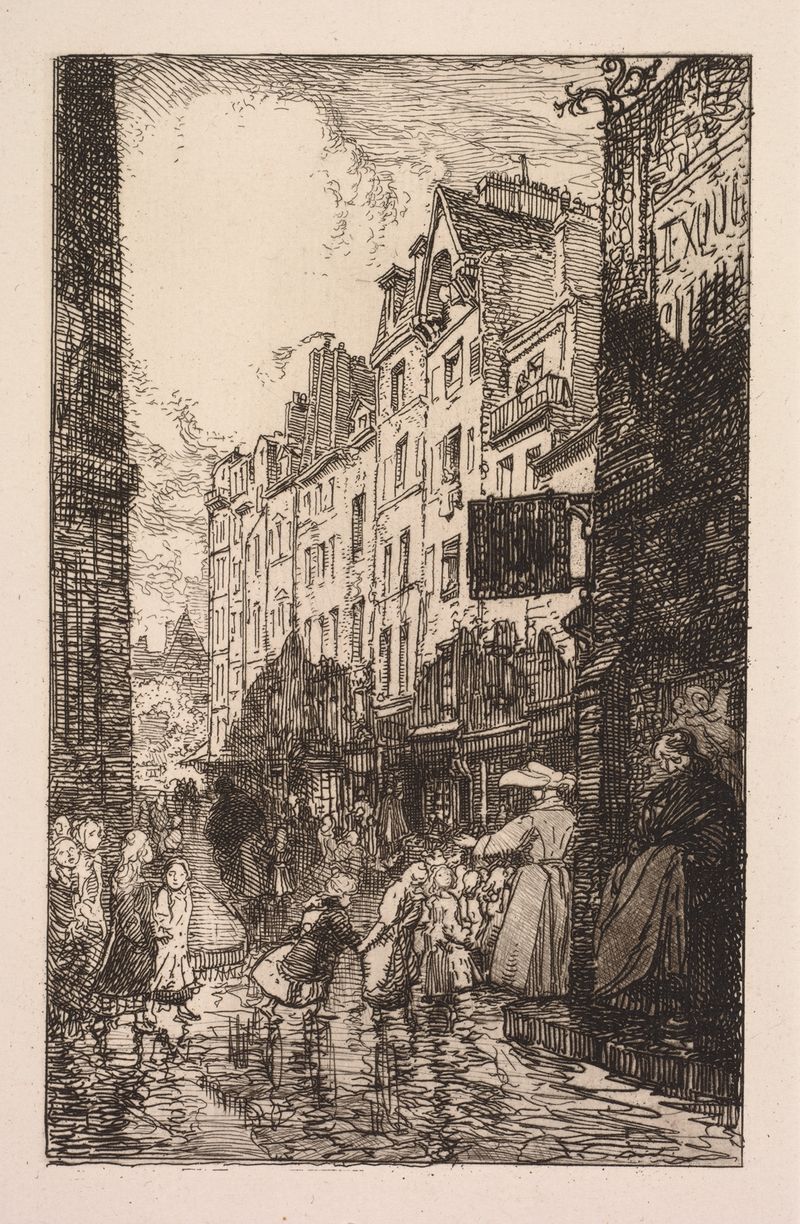
La Rue des Prêtres Saint-Séverin
Auguste Louis Lepère
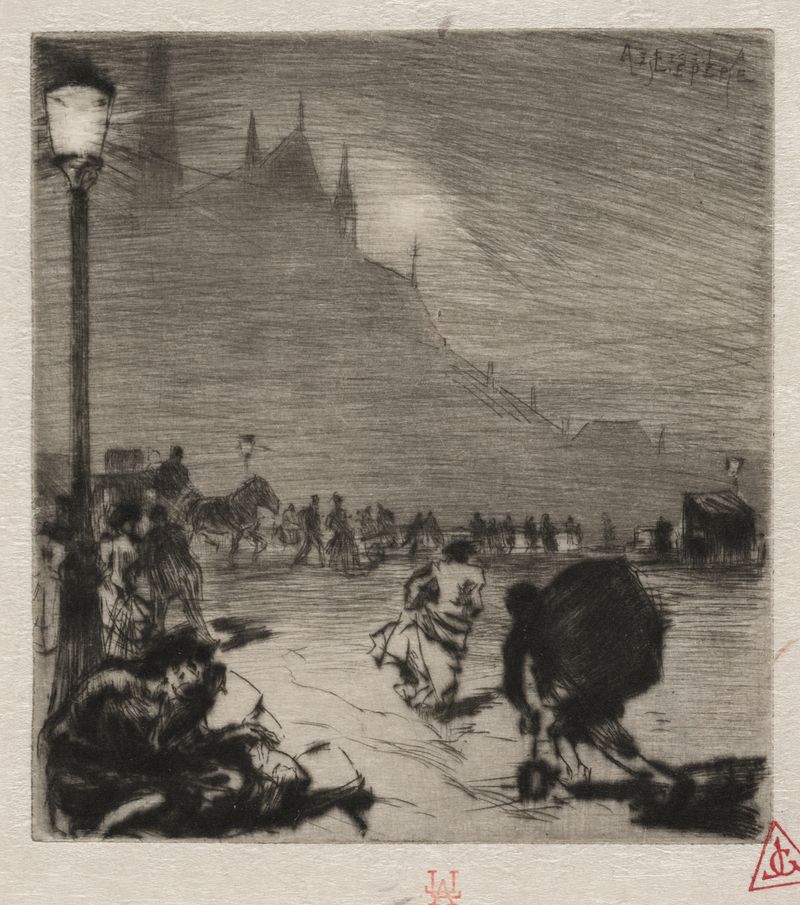
Au Coin du Pont-aux-Doubles
Auguste Louis Lepère
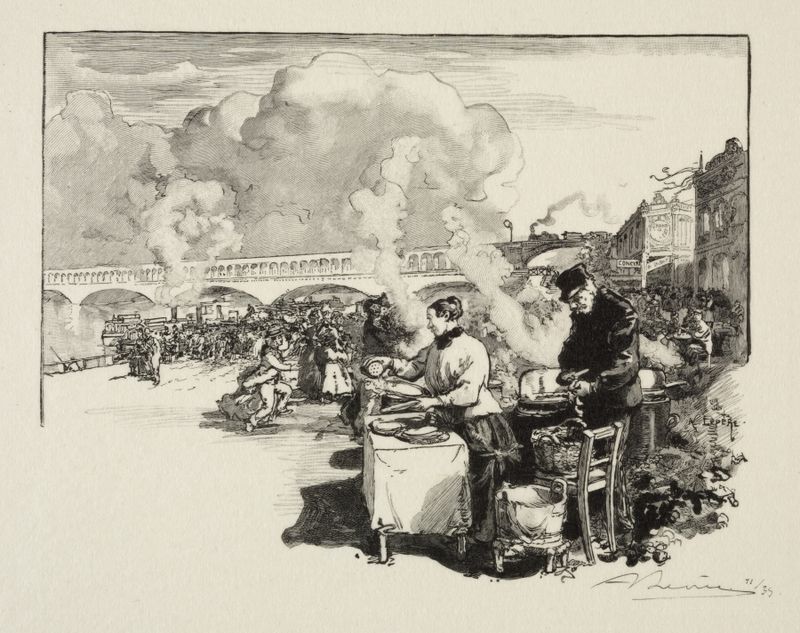
Debarcadère des bateaux-omnibus
Auguste Louis Lepère

La Seine, au quai de la Rapée
Auguste Louis Lepère
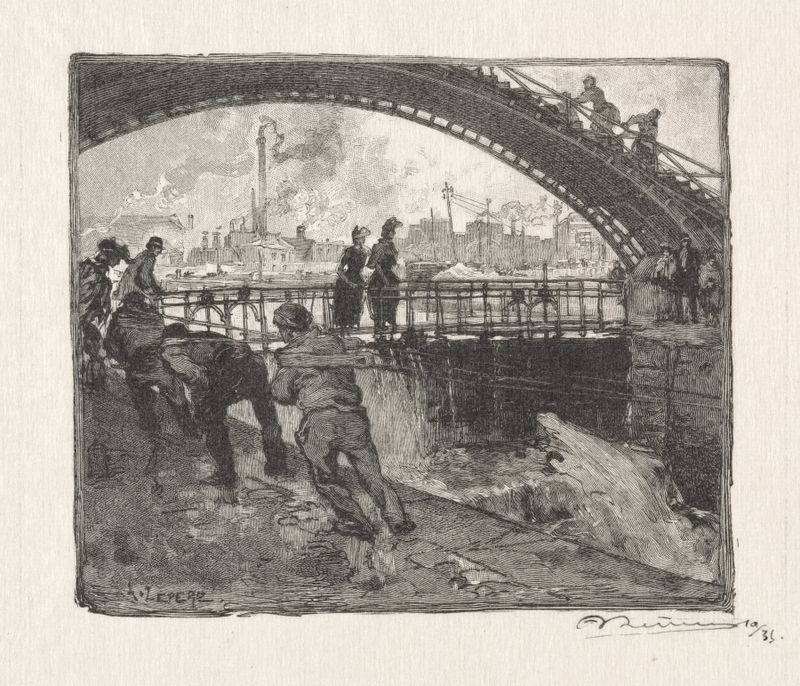
L’Ecluse du Canal St. Martin
Auguste Louis Lepère

Le Boulevard Montmartre, le Soir
Auguste Louis Lepère

Une Chasse au Mont Gérard
Auguste Louis Lepère
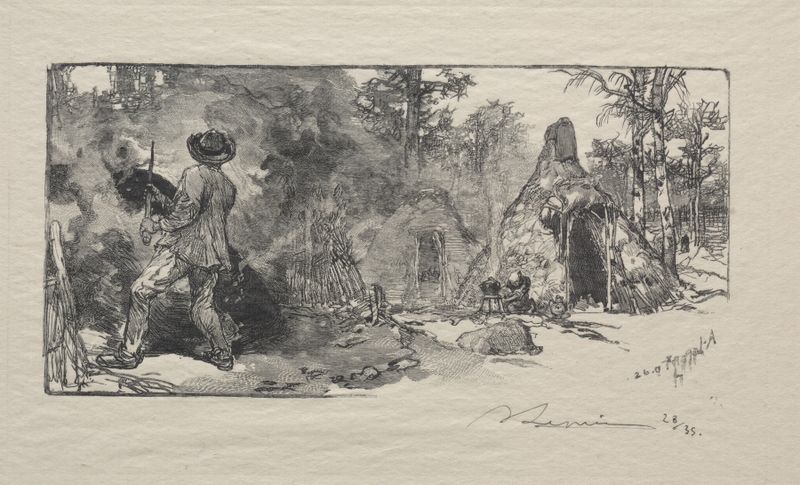
Les Charbonniere
Auguste Louis Lepère
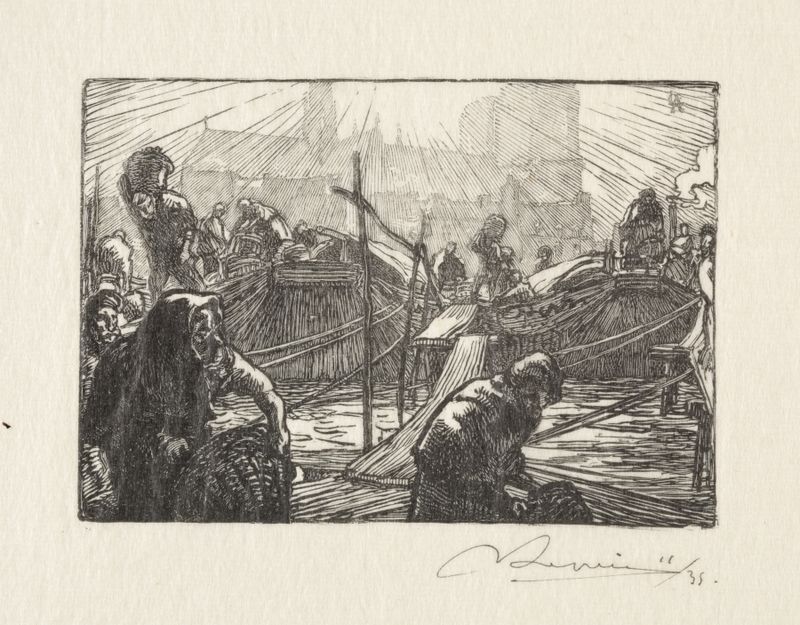
Notre Dame vue du Marché aux pommes
Auguste Louis Lepère

Le Palais des Arts Liberaux, Intèrieur
Auguste Louis Lepère





