Discover insights about this artwork
The Bridge at Argenteuil — History & Facts
In The Bridge at Argenteuil, Claude Monet captures a lively scene filled with color. The painting features a bridge spanning a river, surrounded by lush greenery and vibrant flowers. Soft blues and greens dominate the landscape, while hints of pink and yellow add warmth.
The sky is bright and airy, reflecting the light of a sunny day. Monet employs loose brushwork and a bright palette typical of Impressionism. The dappled light on the water creates a shimmering effect, enhancing the painting's liveliness. The artist's technique allows for a sense of movement, as if the scene is alive with the gentle breeze.
The overall composition invites the viewer to immerse themselves in this serene moment. The Bridge at Argenteuil was painted during a period when Monet was deeply influenced by the changing effects of light and color. This work is significant as it showcases his ability to capture the essence of a moment rather than focusing on details. Interestingly, the bridge depicted is the same one Monet frequently painted, symbolizing his connection to the landscape of Argenteuil.
The painting reflects the artist's dedication to the Impressionist movement and his innovative approach to capturing nature.
More Artworks by Claude Monet
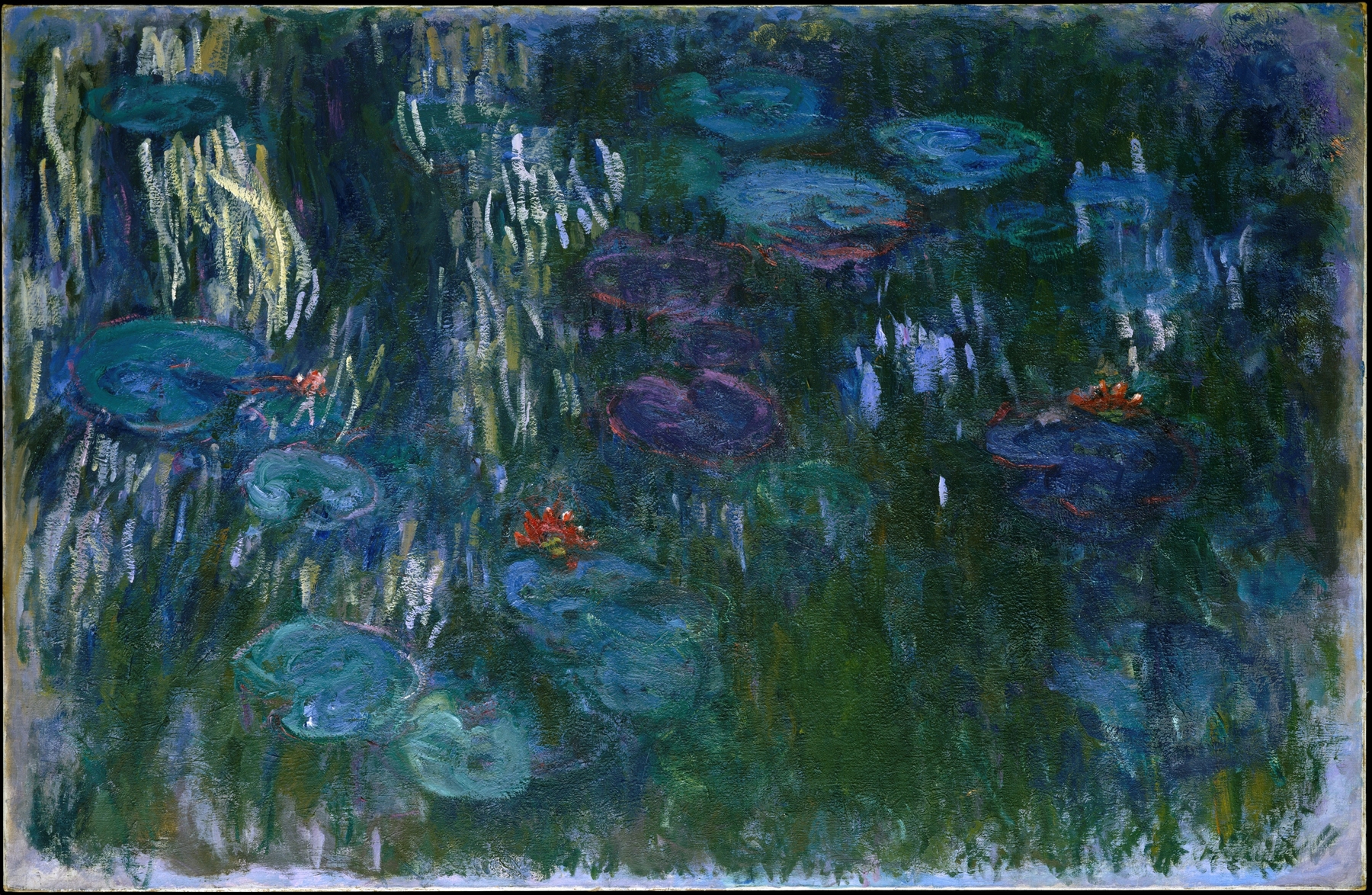
Water Lilies
Claude Monet
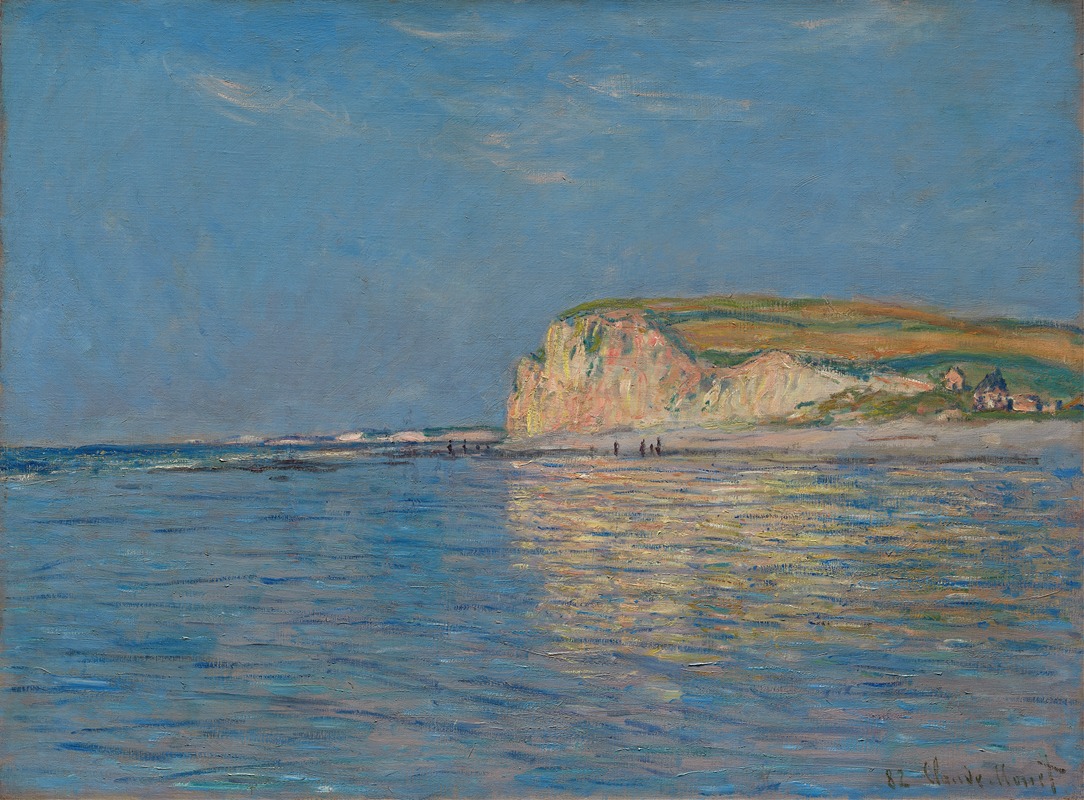
Low Tide at Pourville, near Dieppe
Claude Monet
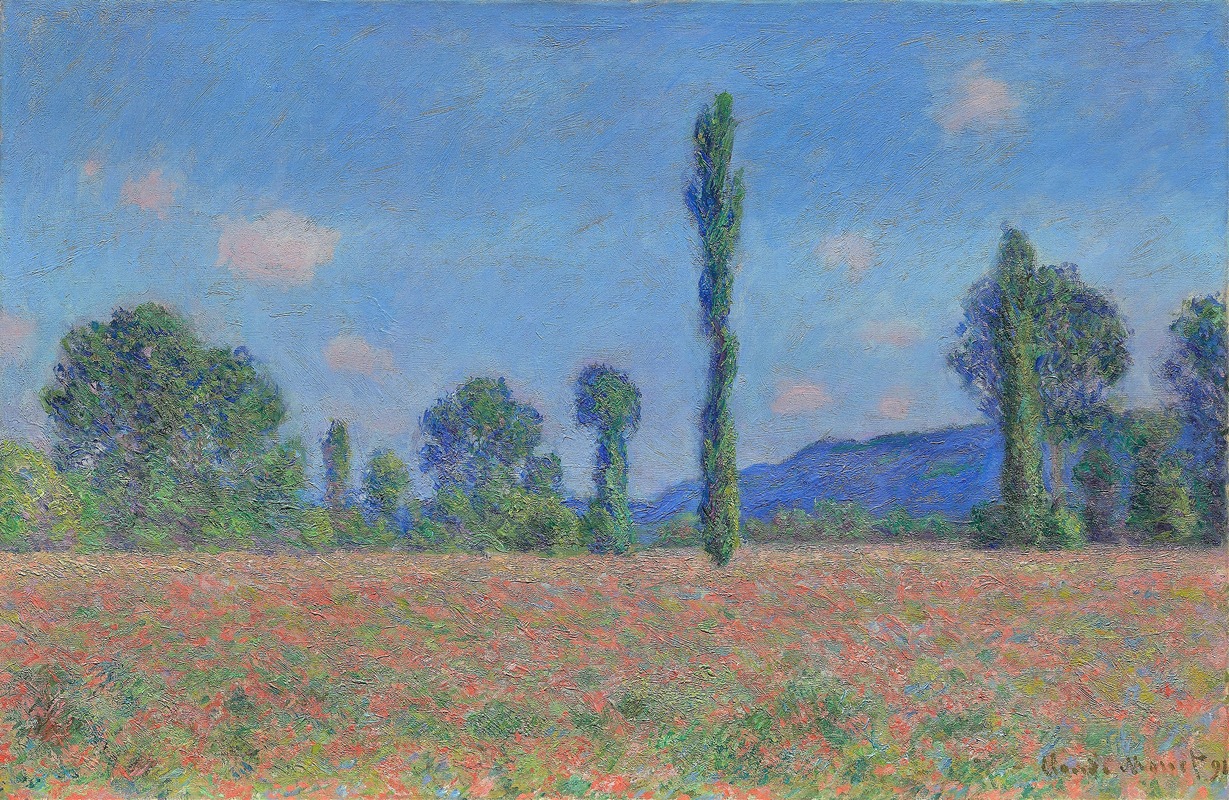
Poppy Field (Giverny)
Claude Monet
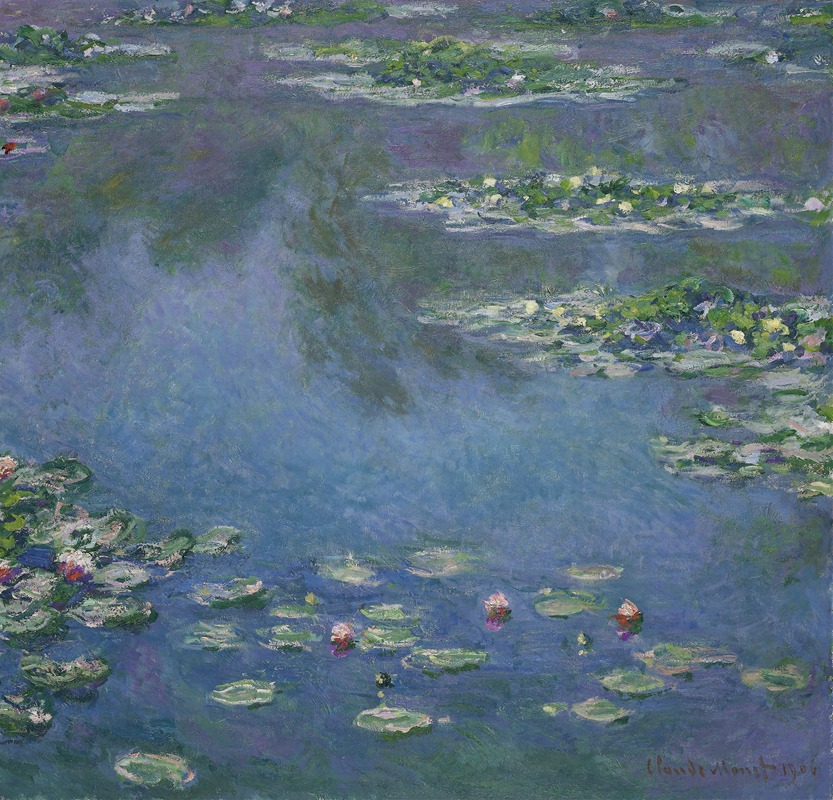
Water Lilies
Claude Monet

Nymphéas
Claude Monet
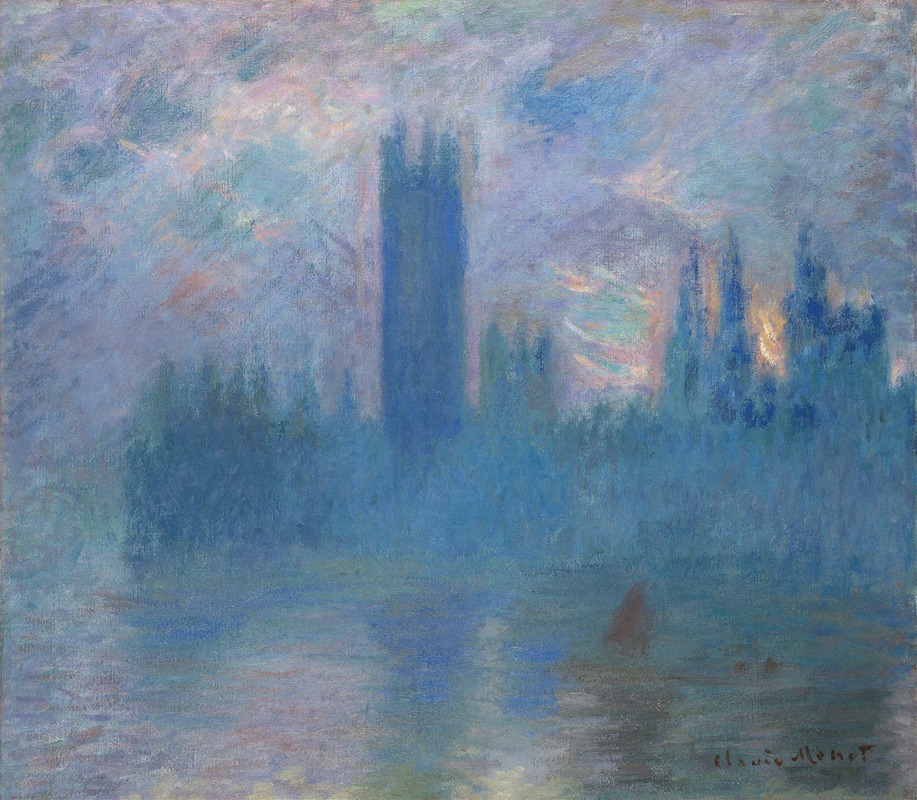
Houses of Parliament, London
Claude Monet
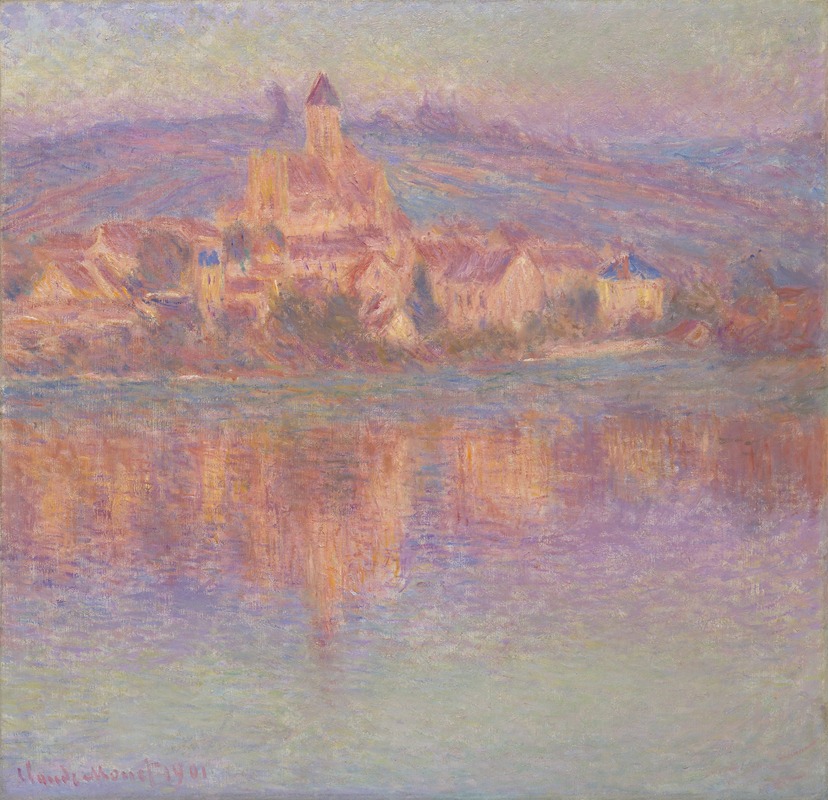
Vétheuil
Claude Monet
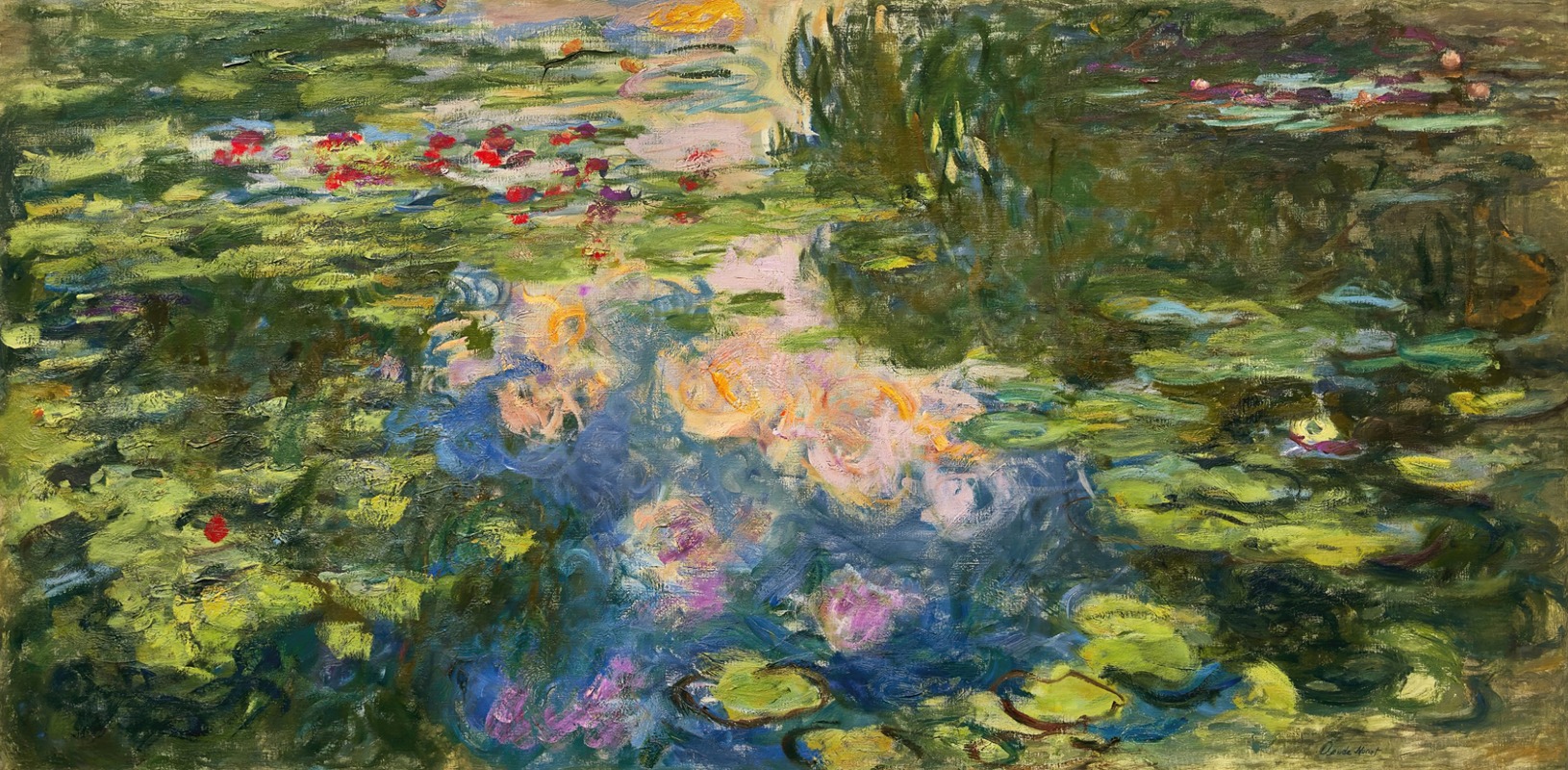
Le Bassin aux nymphéas
Claude Monet
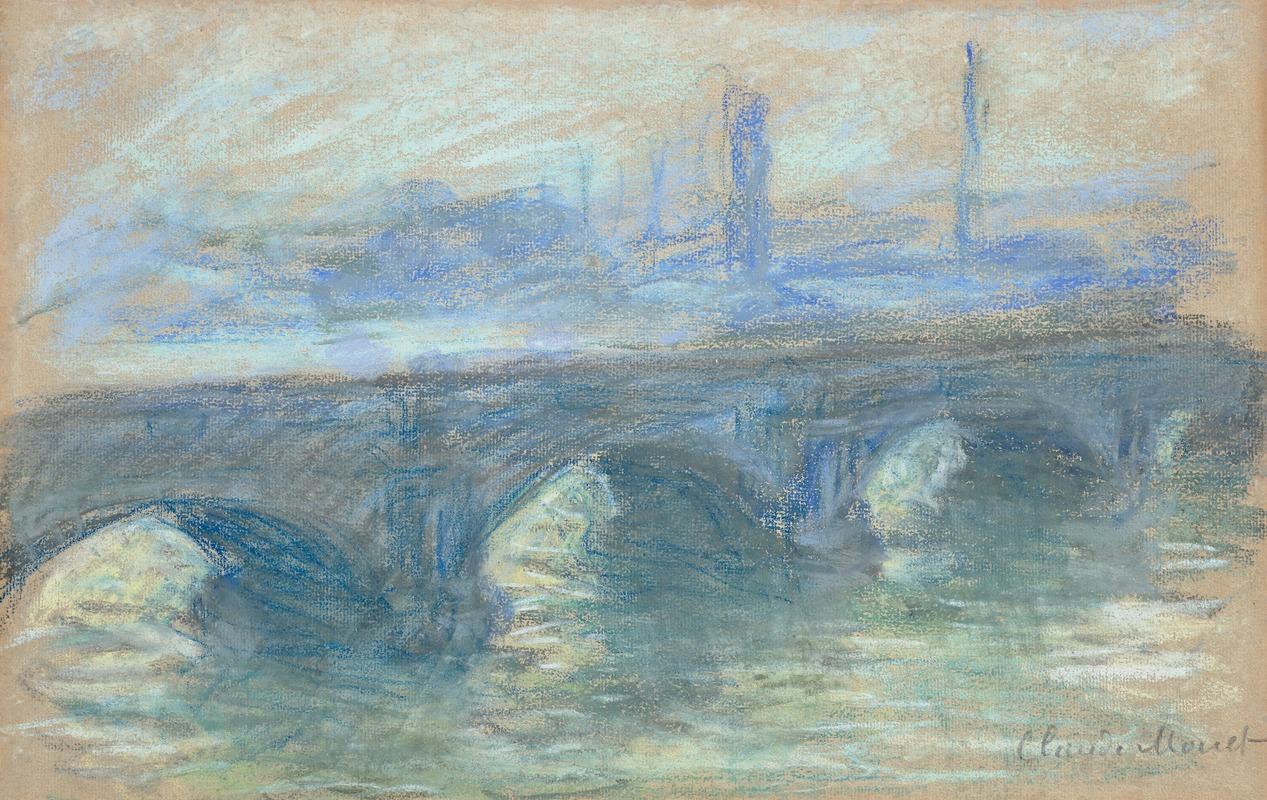
Waterloo Bridge
Claude Monet

Printemps à Giverny, effet d’après-midi
Claude Monet