Discover insights about this artwork
The Calydonian Boar Hunt — History & Facts
In The Calydonian Boar Hunt, Peter Paul Rubens presents a vibrant scene filled with action and intensity. The painting features a multitude of figures engaged in the hunt, showcasing a dynamic composition. Rich colors dominate the canvas, with deep greens and earthy tones contrasting against the bright reds and whites of the hunters' garments.
The setting is a lush landscape, suggesting a wild and untamed environment that enhances the drama of the hunt. The painting is executed in oil on canvas, a medium that allows for the rich textures and vibrant colors seen in Rubens' work. The dimensions are approximately 180 x 250 cm, making it a large-scale piece that commands attention. Viewers can observe Rubens' characteristic brushwork, which creates a sense of movement and energy throughout the scene.
The figures are rendered with a keen attention to anatomy, showcasing Rubens' skill in depicting the human form. Created around c. 1618, this work reflects Rubens' fascination with mythology and heroic themes. The Calydonian Boar Hunt is a story from Greek mythology, where a monstrous boar terrorizes the region of Calydon, prompting a group of heroes to hunt it down.
An interesting fact about this painting is that it was originally commissioned for the Duke of Buckingham, highlighting Rubens' status as a sought-after artist in his time. This work exemplifies the Baroque style, characterized by dramatic scenes and emotional intensity.
More Artworks by Peter Paul Rubens
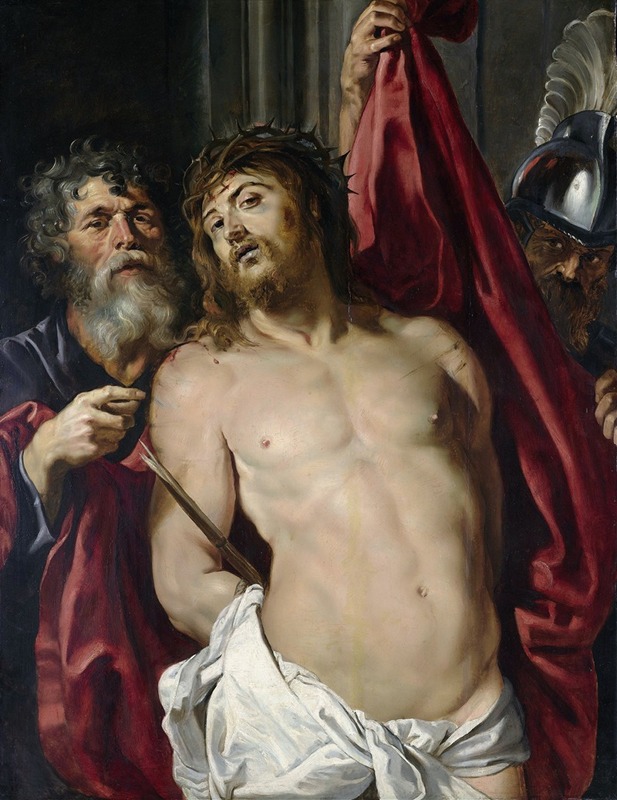
Ecce homo
Peter Paul Rubens
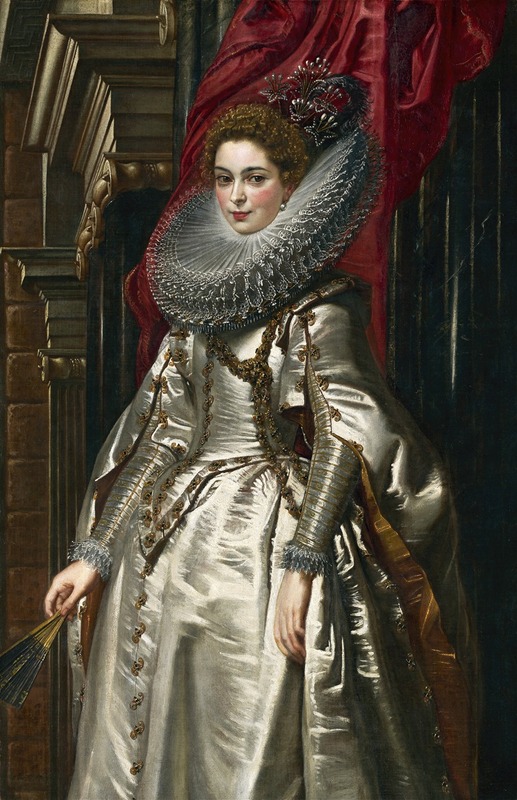
Marchesa Brigida Spinola Doria
Peter Paul Rubens
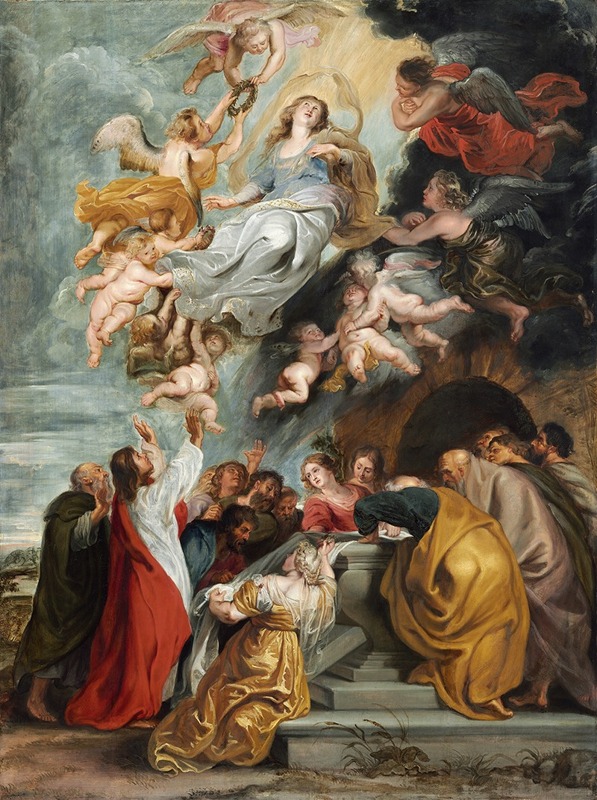
The Assumption of the Virgin
Peter Paul Rubens

Saint Teresa of Ávila Interceding for Souls in Purgatory
Peter Paul Rubens
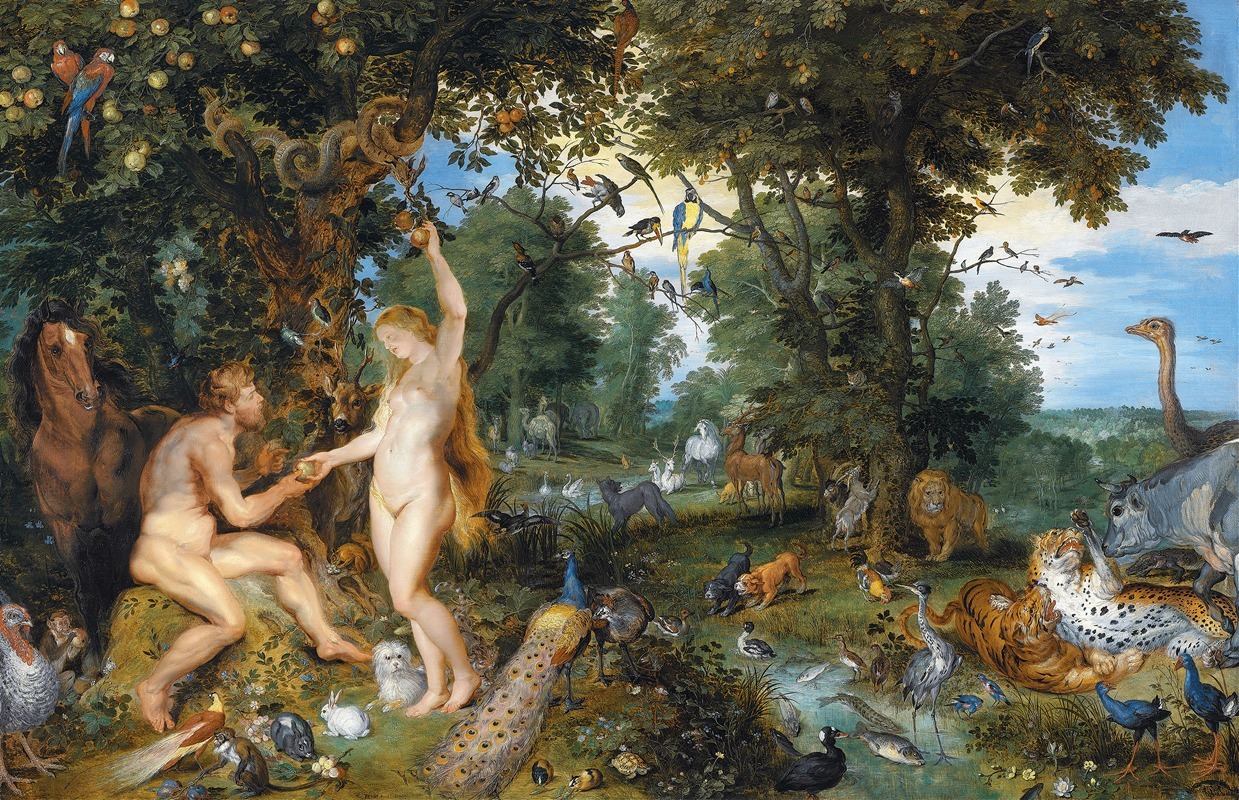
The Garden of Eden with the Fall of Man
Peter Paul Rubens
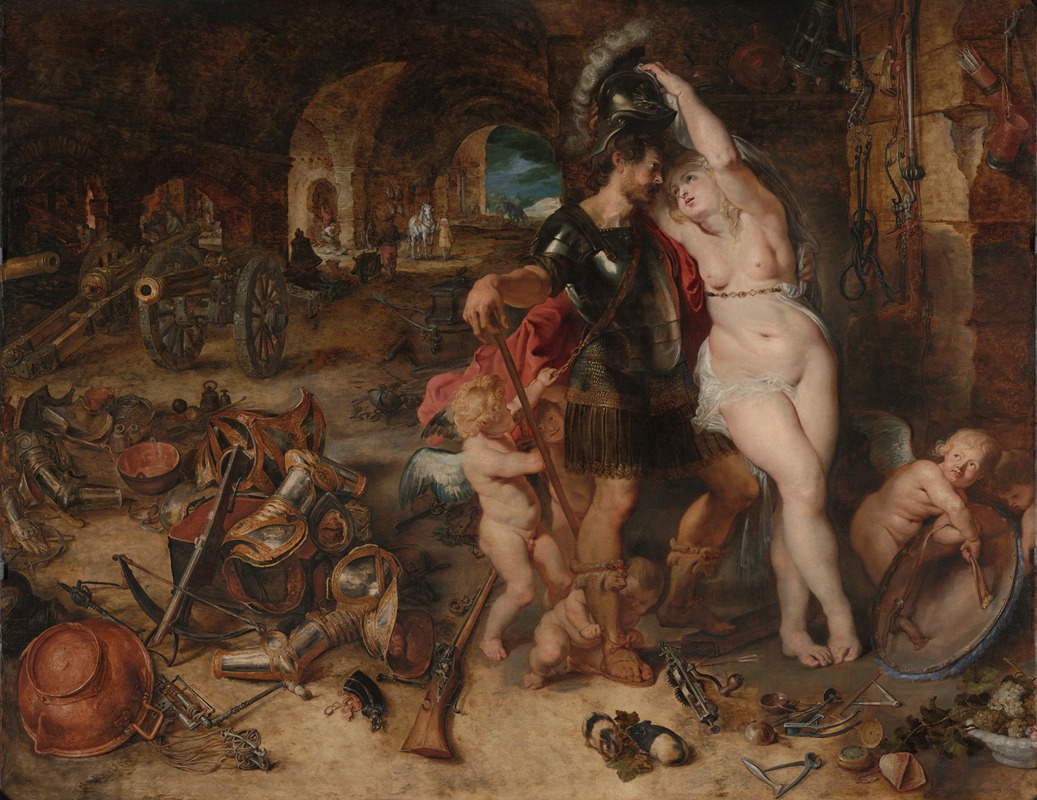
The Return From War,Mars Disarmed By Venus
Peter Paul Rubens
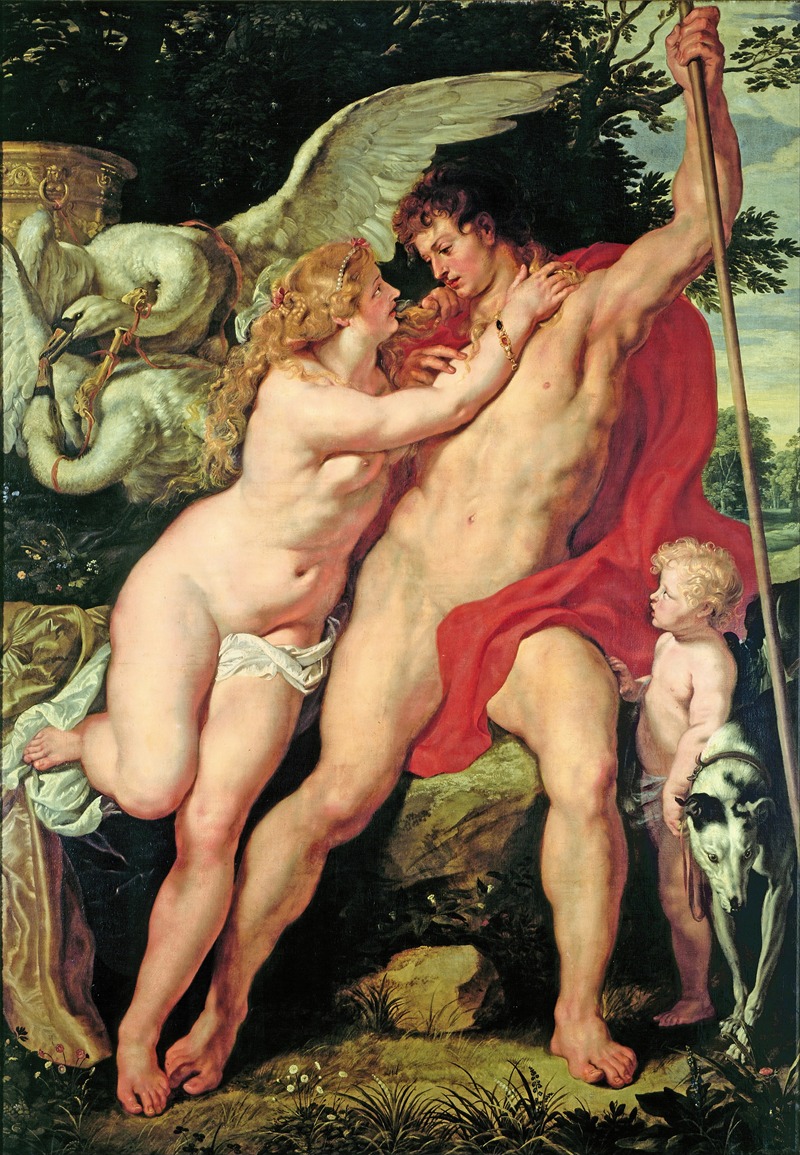
Venus and Adonis
Peter Paul Rubens
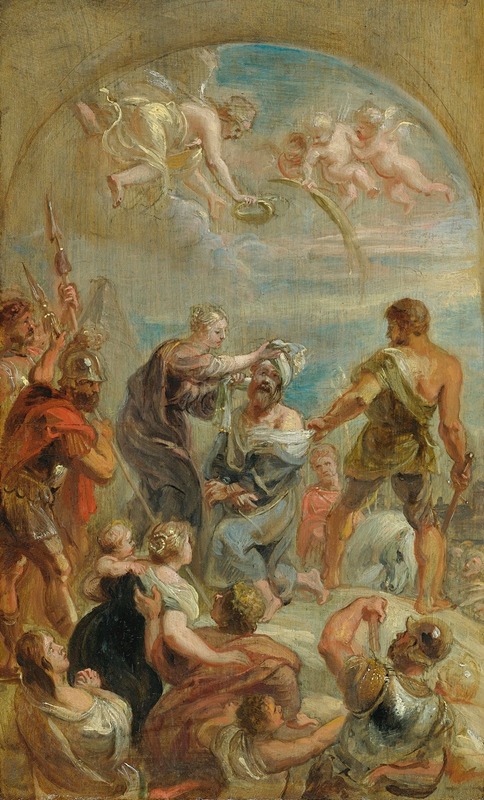
The Martyrdom Of Saint Paul
Peter Paul Rubens
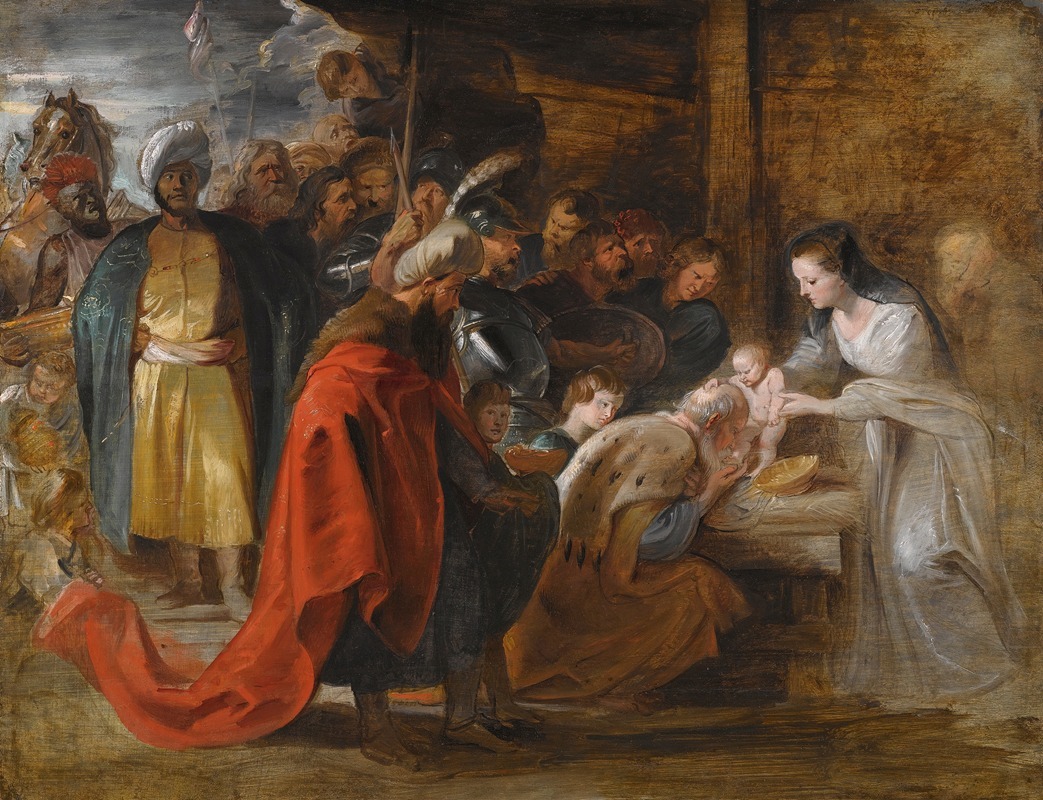
The Adoration Of The Magi
Peter Paul Rubens
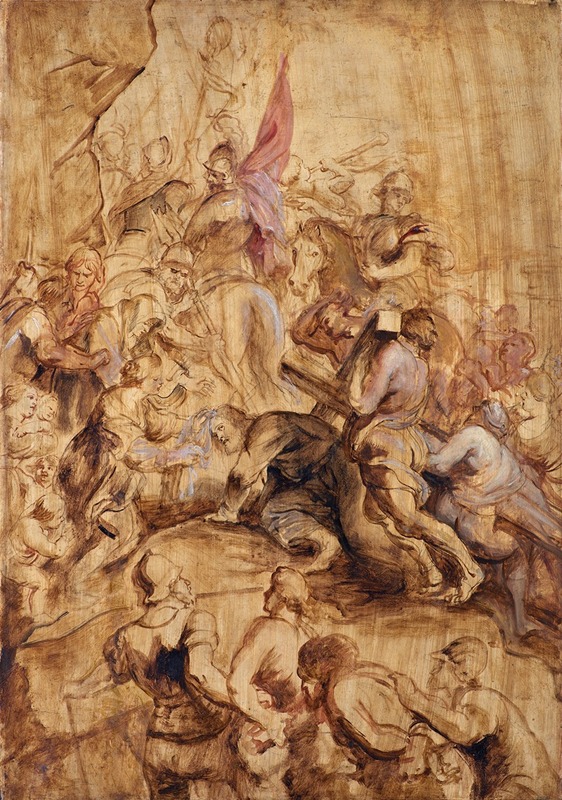
The Ascent to Calvary. The Bearing of the Cross
Peter Paul Rubens