
The Cave — History & Facts
What if beauty was never meant to be finished? The Cave invites viewers to ponder this unsettling question, as it captures nature in a moment of ethereal tranquility and quiet complexity. Look to the foreground, where the cave mouth opens wide, framed by rugged rock formations that cradle a subtle play of shadows and light. Notice how the sunlight filters through the foliage, casting delicate patterns on the earthy ground. The rich textures of the paint bring life to the moss and stones, guiding your gaze deeper into an enigmatic world that feels simultaneously alive and serene.
The muted palette evokes a sense of mystery, inviting contemplation as you engage with its organic forms. In this composition, contrasts abound: the solid, earthy cave juxtaposes with the ephemeral light dancing across its surface. The interplay between dark and light embodies a coexistence of safety and danger, echoing the duality of nature itself. Each brushstroke seems to whisper of the untamed beauty that exists just beyond the horizon of our understanding.
The viewer is left with a lingering tension, contemplating what lies hidden within both the cave and the depths of existence. Created between 1828 and 1830, the artwork reflects Théodore Rousseau's dedication to the natural world during a period when Romanticism was redefining art. Working primarily in France, he sought to capture the raw essence of nature, amidst the burgeoning Industrial Revolution that threatened it. This painting emerged from Rousseau’s desire to depict landscapes that resonated with emotional depth, marking him as a pivotal figure in the movement toward plein air painting.
More Artworks by Théodore Rousseau
Browse all →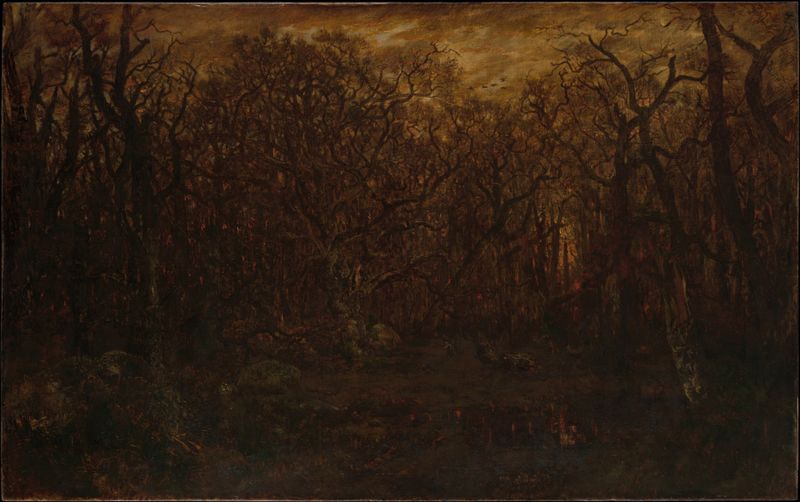
The Forest in Winter at Sunset
Théodore Rousseau
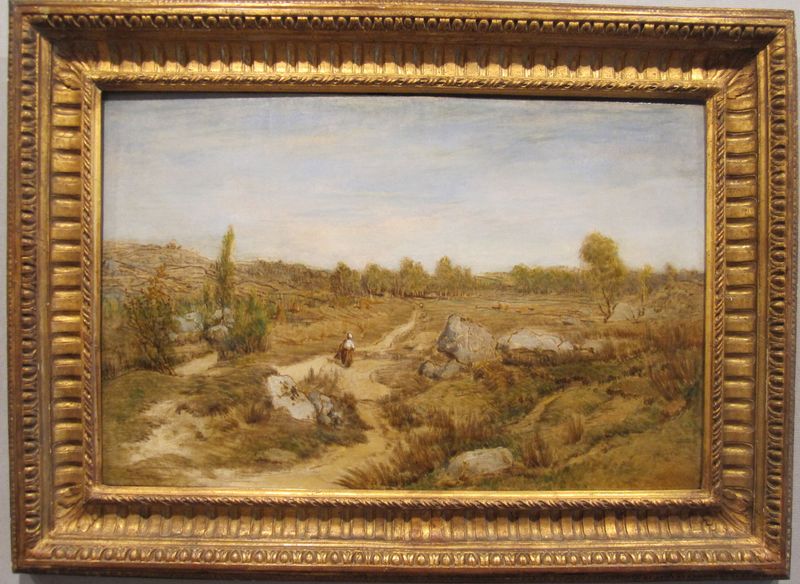
Valley of the Rouars in the Gorges d’Apremont
Théodore Rousseau
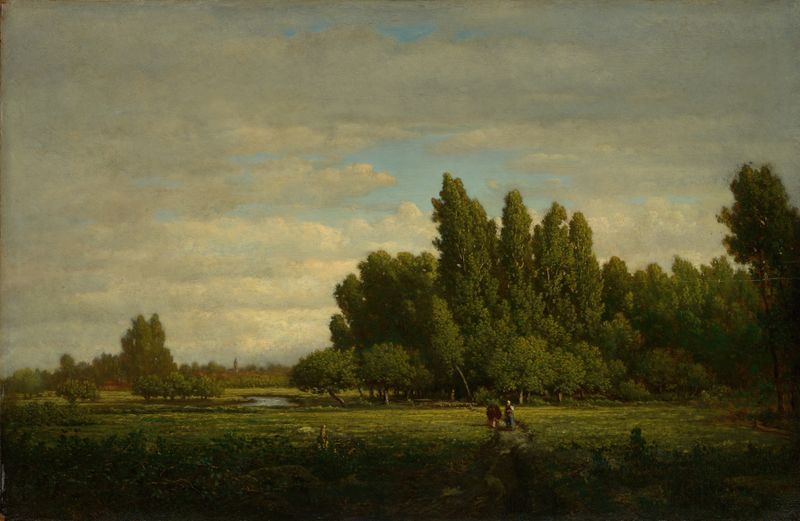
A Meadow Bordered by Trees
Théodore Rousseau
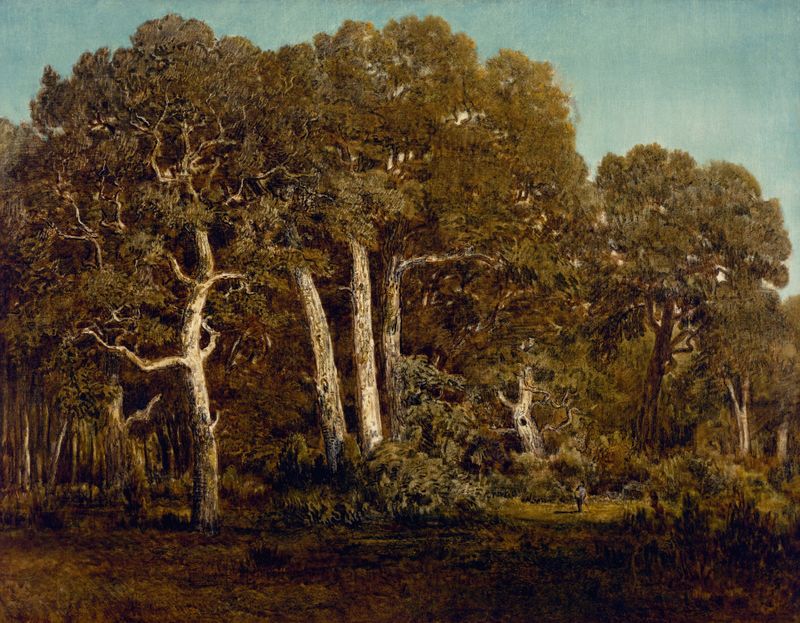
The Great Oaks of Old Bas-Bréau
Théodore Rousseau
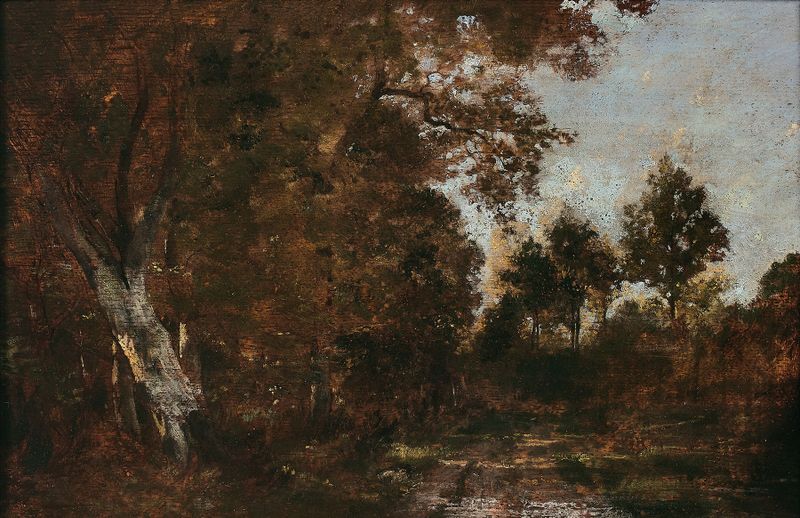
Paysage de sous-bois
Théodore Rousseau
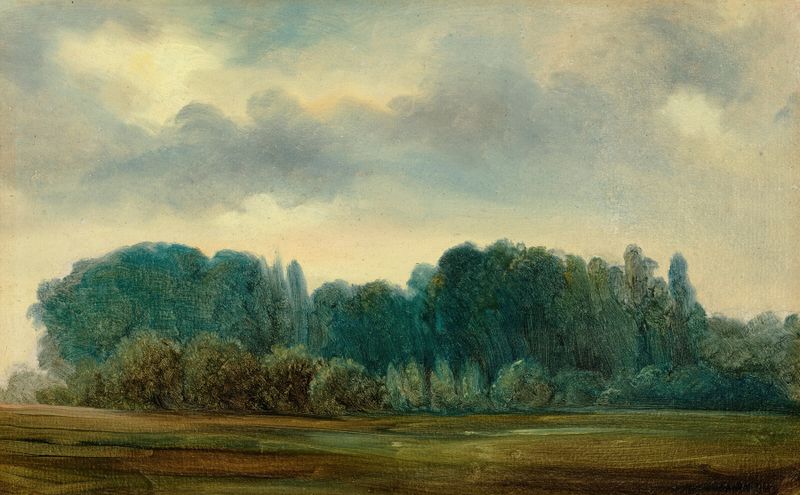
Paysage
Théodore Rousseau
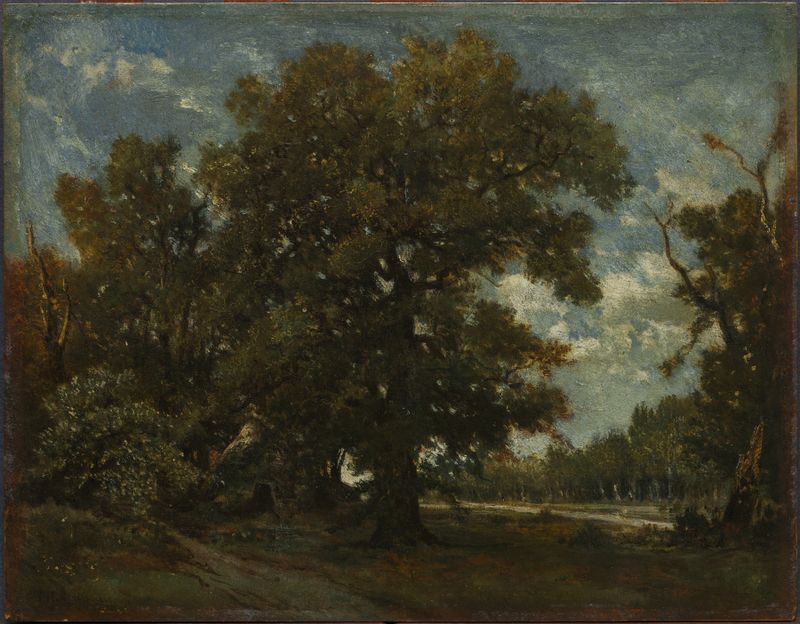
The Oak Tree
Théodore Rousseau
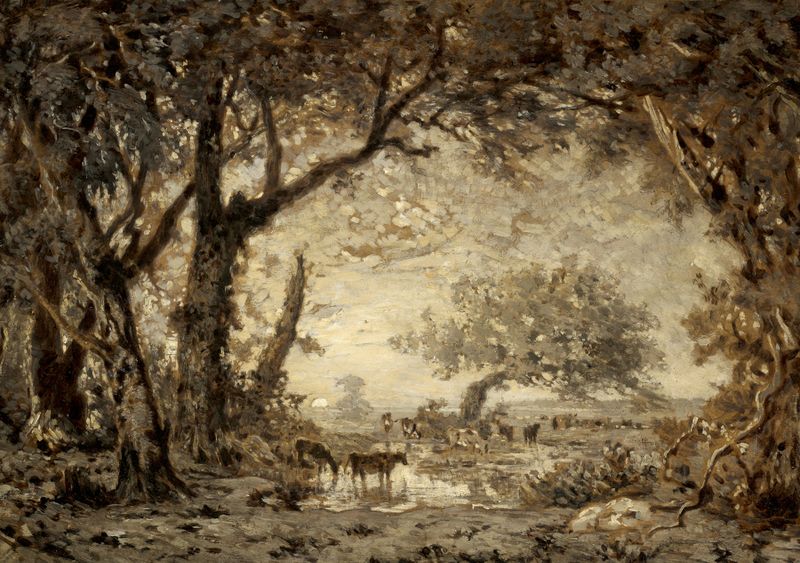
Sunset from the Forest of Fontainebleau
Théodore Rousseau
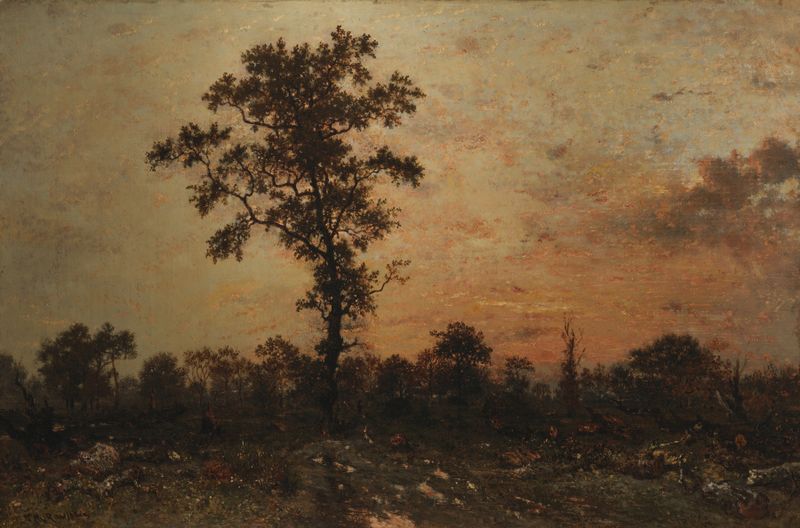
Edge of the Forest, Sun Setting
Théodore Rousseau
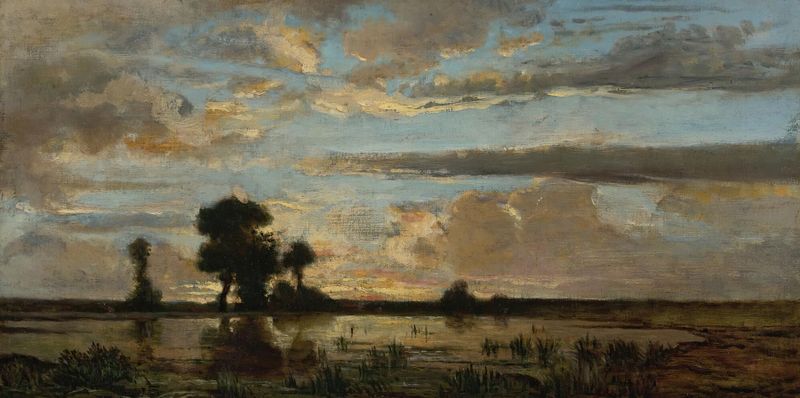
Soleil Couchant
Théodore Rousseau





