
The Cemetery at Pronoia near Nauplia — History & Facts
Did the painter know this moment would outlive them? In The Cemetery at Pronoia near Nauplia, time stands still, captured in a tranquil embrace between the living and the eternal. Look to the left at the crumbling stone monument, its weathered surface a testament to years gone by, while a soft, golden light bathes the landscape in a divine glow. The gentle undulations of the hills invite the eye deeper into the composition, where clusters of cypress trees punctuate the horizon, their dark forms contrasting against the luminous sky. The artist's delicate brushwork creates an atmosphere of serenity, as the interplay of light and shadow dances across the lush greenery and ancient stones. In this painting, the tension between life and death unfolds quietly.
The cemetery, filled with tombstones, serves as a reminder of mortality, while the surrounding vibrant flora symbolizes the resilience of nature. There is a profound juxtaposition of the ephemeral and the eternal: the fleeting moments of sunlight that illuminate the scene versus the timeless presence of the graves. Each element coexists, inviting contemplation on the passage of time and the legacies we leave behind. Created between 1841 and 1847, this piece reflects Carl Rottmann's deep appreciation for the Greek landscape and its historical context.
While working in a period marked by Romanticism, Rottmann was influenced by the fascination with nature and the ruins of antiquity. His time in Greece allowed him to integrate both the local environment and his artistic ideals, creating a work that resonates with the weight of history and personal reflection.
More Artworks by Carl Rottmann
Browse all →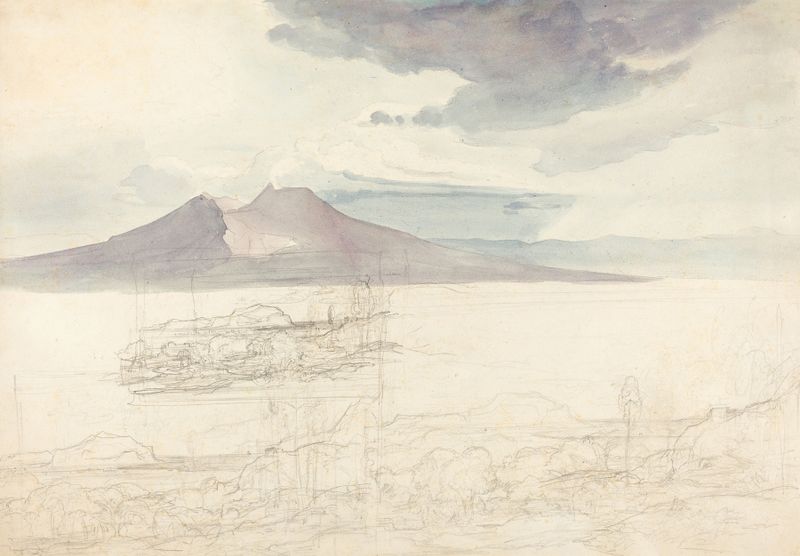
Panoramic Views of Vesuvius and Monte Pellegrino
Carl Rottmann
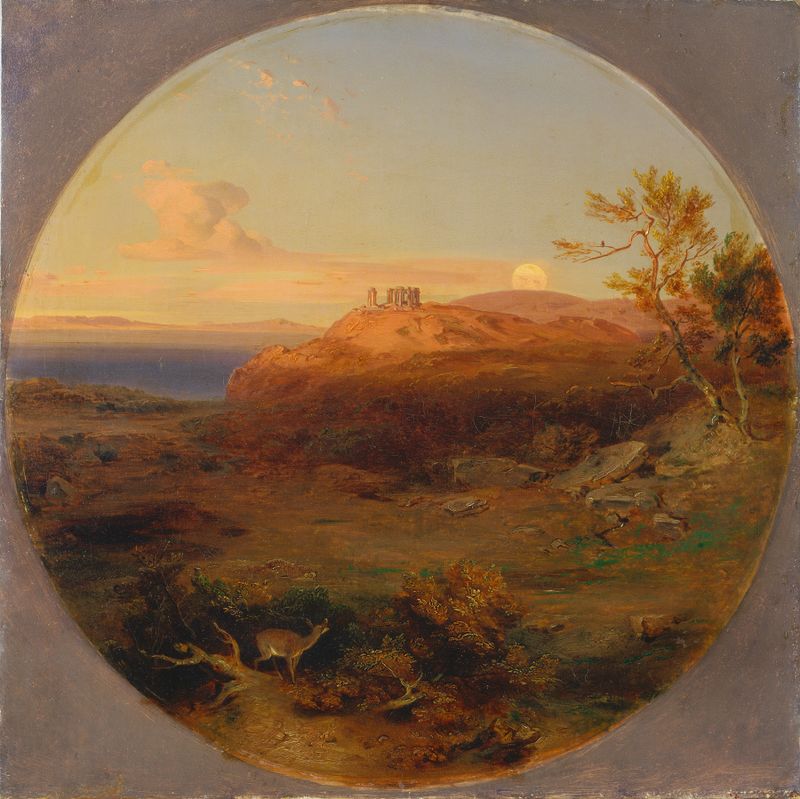
Greek Landscape on the Island of Aegina
Carl Rottmann
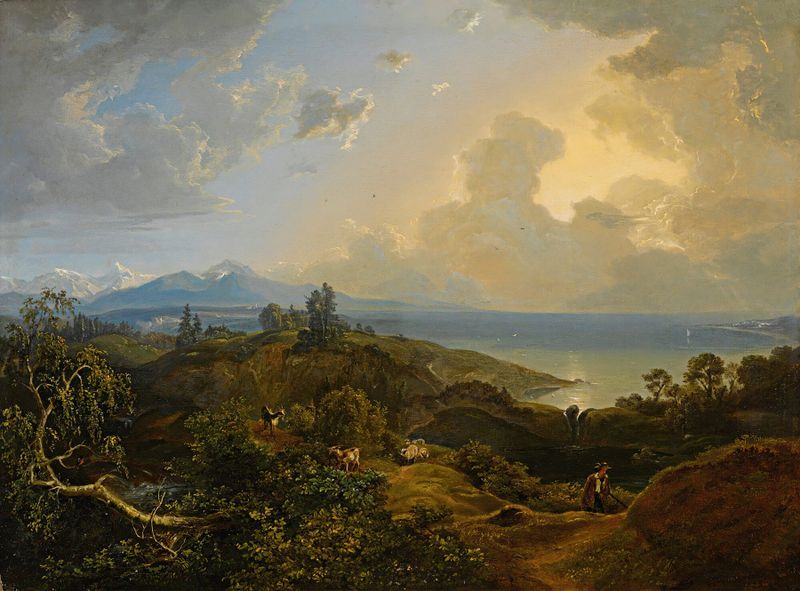
An extensive landscape in Bavaria or the Salzkammergut
Carl Rottmann
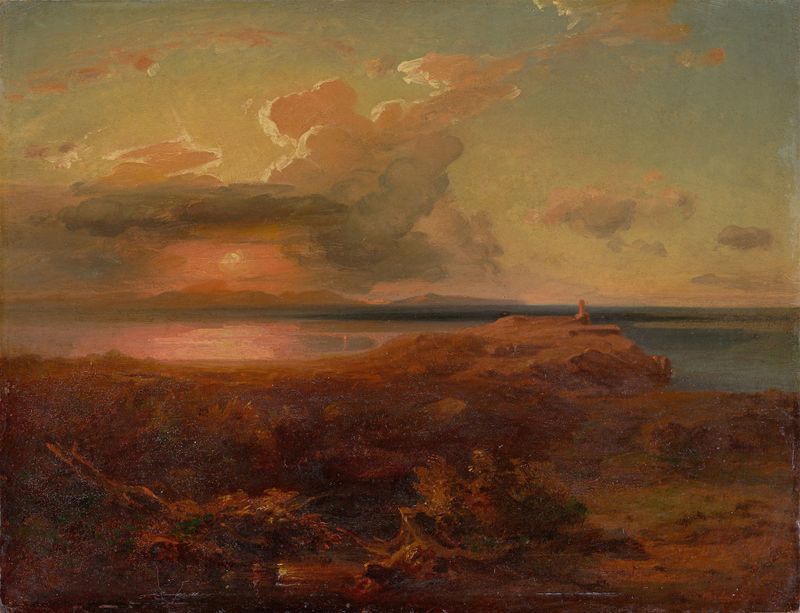
Ägina mit dem Apollotempel
Carl Rottmann

Landscape
Carl Rottmann

Die Insel Ägina mit den Ruinen des Hekatetempels
Carl Rottmann
Santorini (Thira)
Carl Rottmann

Athens, seen from the well
Carl Rottmann
Die Insel Delos
Carl Rottmann

Olympia
Carl Rottmann





