
The Church and Convent of San Mattia di Murano — History & Facts
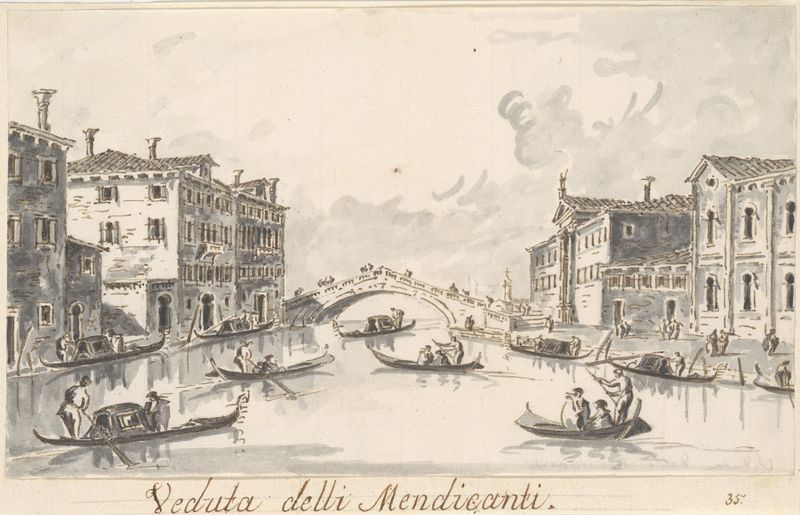
Who listens when art speaks of silence? In the stillness of Giacomo Guardi's work, there lies a quiet madness that invites contemplation and reverence. Look to the left at the delicate archways of the church, where light cascades through shadowed corridors, illuminating fragments of ancient stone. Focus on the muted hues of ochre and gray, the palette whispering of time long lost, while wispy clouds float languidly above, creating a palpable tension between the earthly and the ethereal. Notice how the buildings seem to breathe, their façades melting into the landscape, as if yearning to be as immaterial as the very sky that envelops them. There is a stark contrast between the rigid geometry of the architecture and the fluidity of the surrounding water.
This juxtaposition reflects a deeper emotional tension, perhaps a commentary on the constraints of faith and reason. The distant figures—mere silhouettes—hint at the presence of humanity, yet their insignificance in the grand scheme elicits a feeling of isolation, as though they are lost in their own thoughts, caught in the web of life's eternal questions. Giacomo Guardi created this work between 1804 and 1828, during a period marked by socio-political upheaval in Italy and a shift in artistic sensibilities. As the Romantic movement began to take hold, artists sought to explore emotional depth over rationality, moving away from the classical traditions of their predecessors.
During this time, Guardi's focus on the sublime beauty of Venice, alongside his unique handling of light and atmosphere, set him apart, capturing the complexities of both place and existence.
More Artworks by Giacomo Guardi
Browse all →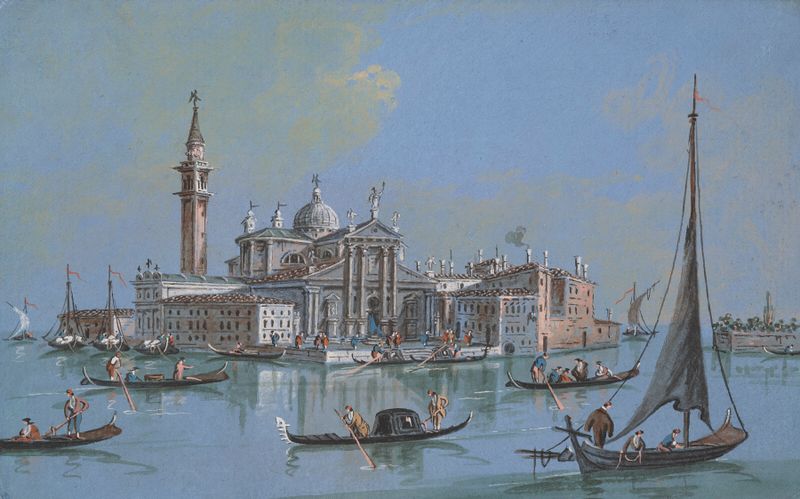
A view of San Giorgio Maggiore from the Bacino of San Marco, Venice
Giacomo Guardi
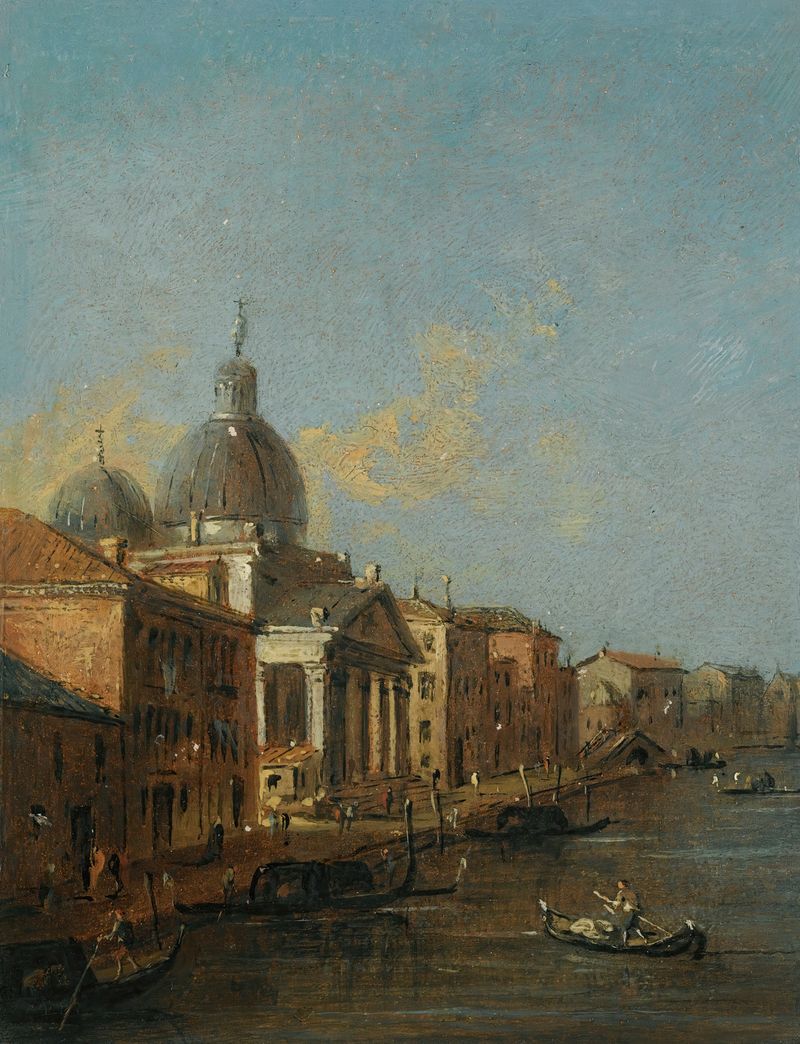
Venice, A View Of The Grand Canal With The Church Of San Simeone Piccolo
Giacomo Guardi
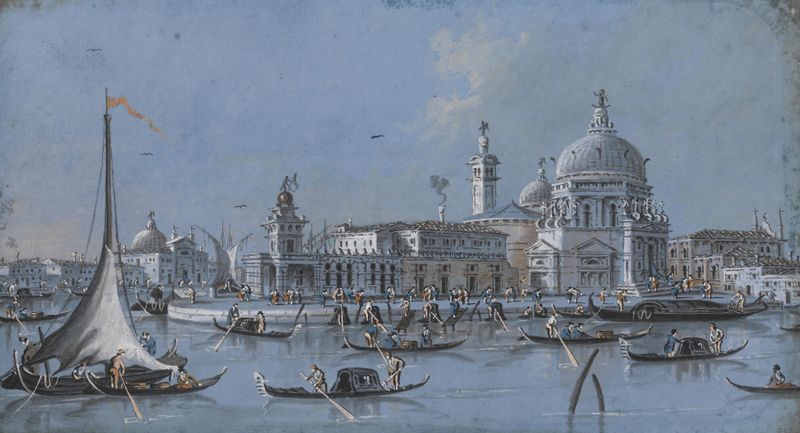
Santa Maria Della Salute, Venice And The Punta Della Dogana
Giacomo Guardi

Piazza San Marco, Looking toward the Basilica
Giacomo Guardi
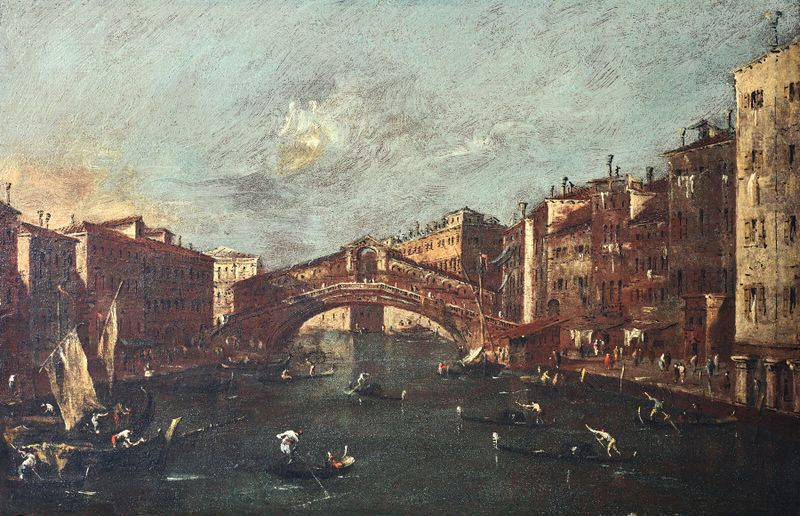
A view of the Rialto Bridge, Venice
Giacomo Guardi
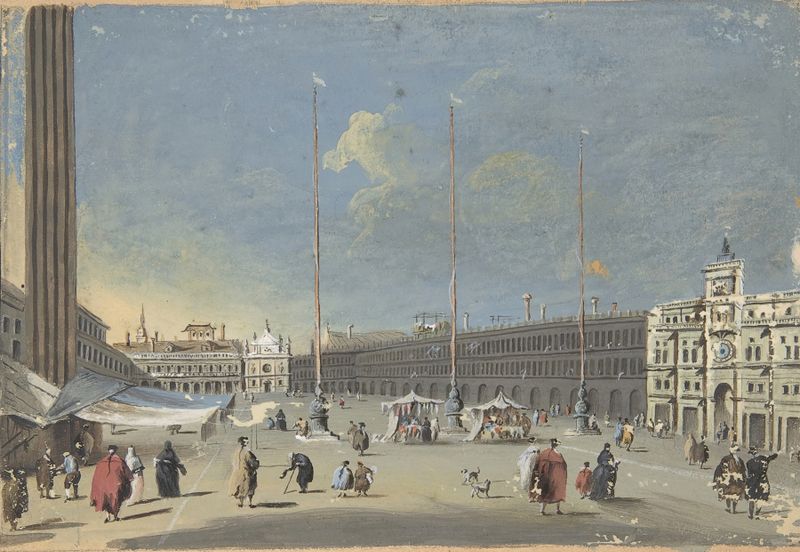
The Piazza San Marco towards San Giacomo
Giacomo Guardi
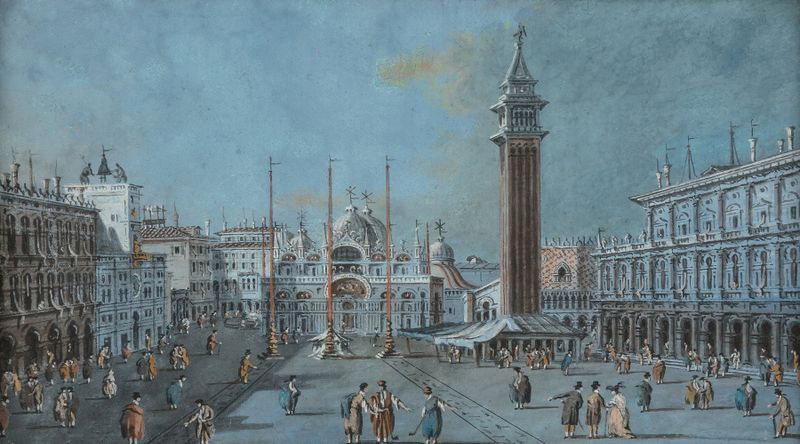
Veduta della Piazza di San Marco
Giacomo Guardi
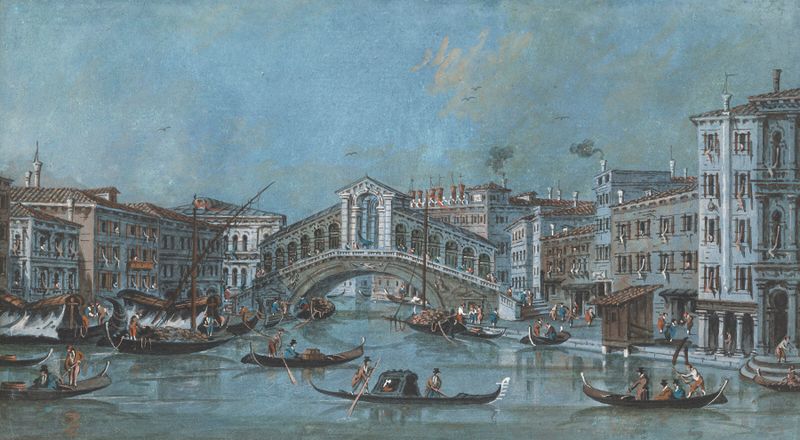
The Rialto Bridge, Venice
Giacomo Guardi
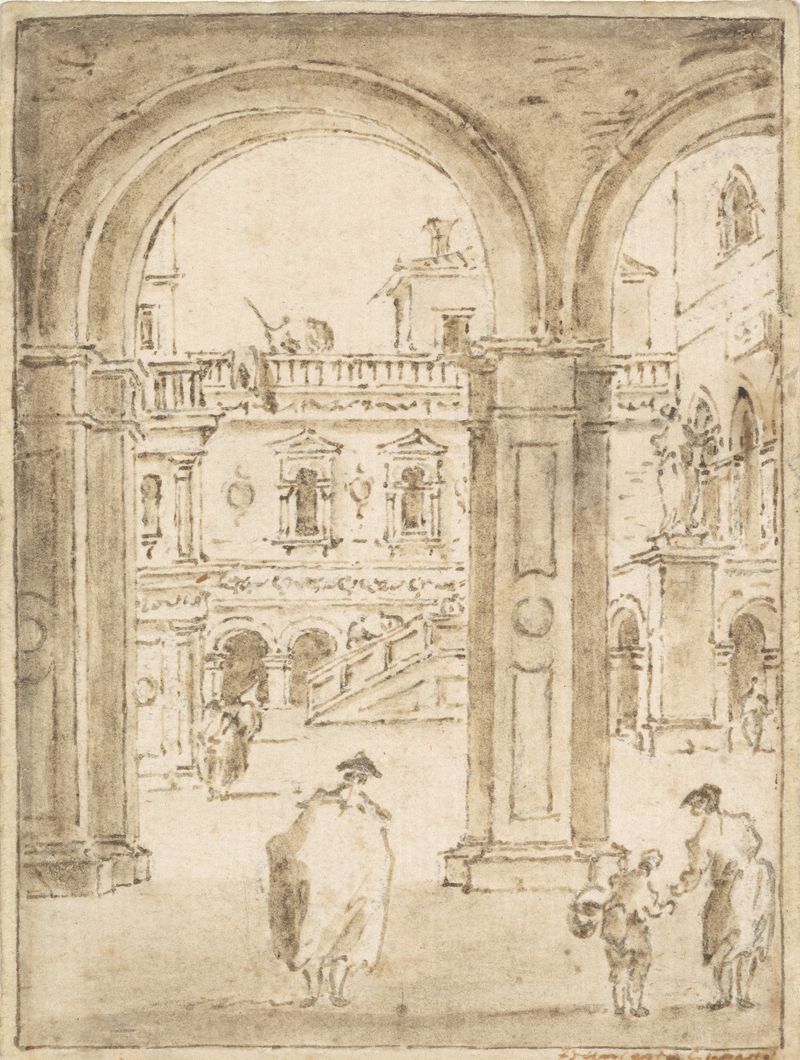
The Courtyard of the Doges’ Palace
Giacomo Guardi
The Rio dei Mendicanti
Giacomo Guardi
More Architecture Art
Browse all →
The statue of Liberty
Frédéric Auguste Bartholdi

View of Houses in Delft, Known as ‘The Little Street’
Johannes Vermeer

View of Houses in Delft, Known as ‘The Little Street’
Johannes Vermeer

The Cathedral in Rouen. The portal, Grey Weather
Claude Monet

The yellow house
Vincent van Gogh

The Church in Auvers-sur-Oise, View from the Chevet
Vincent van Gogh