
Discover insights about this artwork
The Claws of a Cat and the Dress of a Devotee-Similar to Vice Is Often Clothed in Virtue’s Habit [General Folly] (Unas de Gato y Habito de Beato [Disparate General]) — History & Facts
In The Claws of a Cat and the Dress of a Devotee, Goya presents a striking contrast between the feline claws and the attire of a religious figure. The colors are rich and dark, with deep reds and browns dominating the palette. The figures are depicted in a somewhat exaggerated manner, emphasizing their symbolic roles.
The setting is ambiguous, allowing the viewer to focus on the tension between virtue and vice. The painting is executed in oil on canvas, showcasing Goya's skill in blending realism with allegorical elements. The brushwork is expressive, with visible strokes that add texture and depth to the figures. Goya's use of light and shadow enhances the dramatic effect, drawing attention to the central figures.
The overall composition is balanced yet dynamic, inviting the viewer to engage with its themes. Francisco de Goya was a prominent Spanish painter known for his critical view of society and human nature. This work reflects his interest in the duality of human behavior, a theme prevalent in many of his pieces. An interesting fact about this painting is that it serves as a commentary on the hypocrisy often found in society, where vice is disguised as virtue.
Goya's ability to provoke thought through his art remains influential to this day.
More Artworks by Francisco de Goya
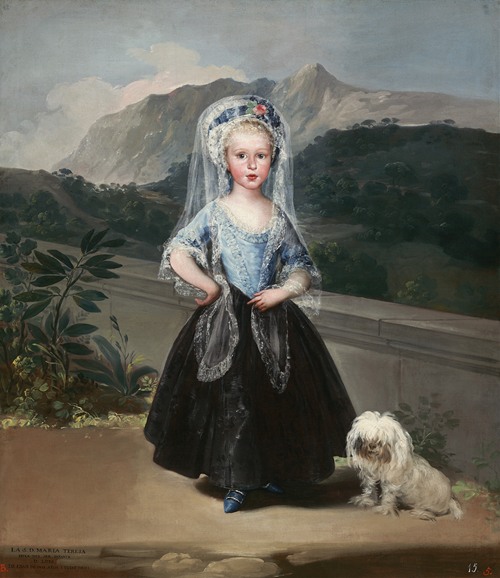
María Teresa de Borbón y Vallabriga,later Condesa de Chinchón
Francisco de Goya
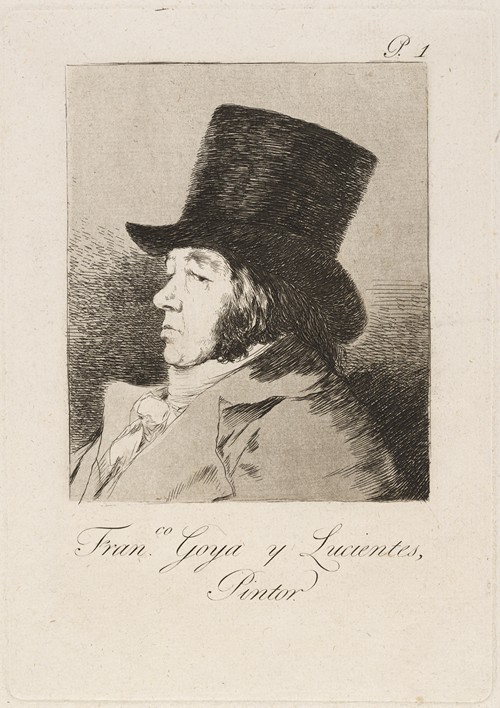
Francisco Goya y Lucientes, Pintor (Francisco Goya y Lucientes, painter)
Francisco de Goya
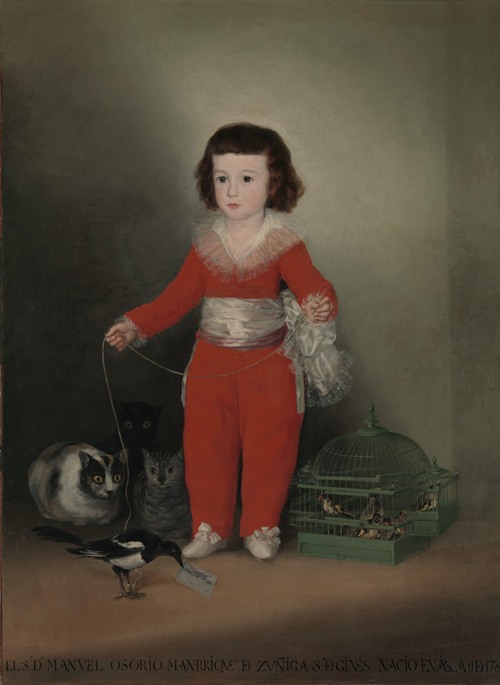
Manuel Osorio Manrique de Zuñiga (1784–1792)
Francisco de Goya
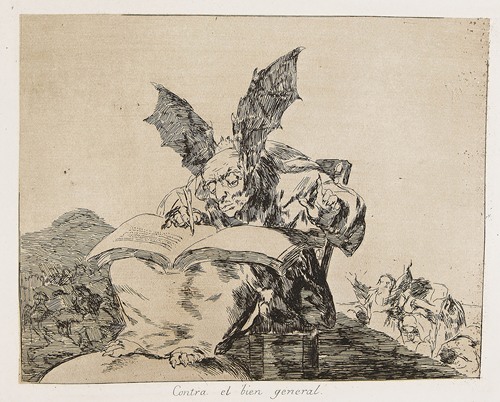
Los desastres de la guerra
Francisco de Goya
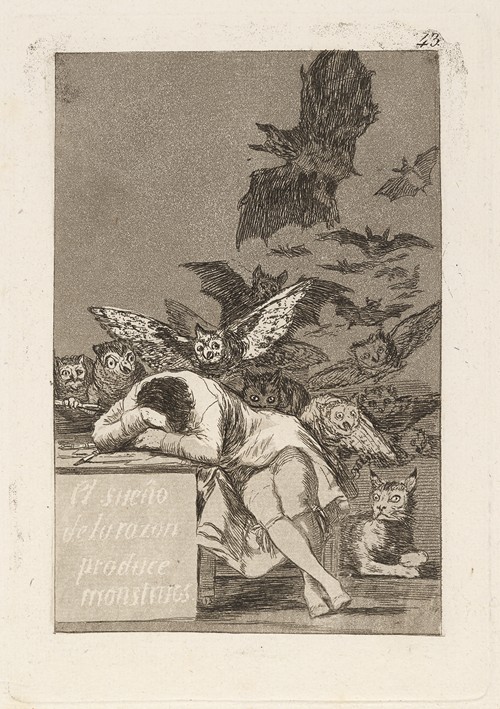
El sueño de la razon produce monstruos. (The sleep of reason produces monsters.)
Francisco de Goya
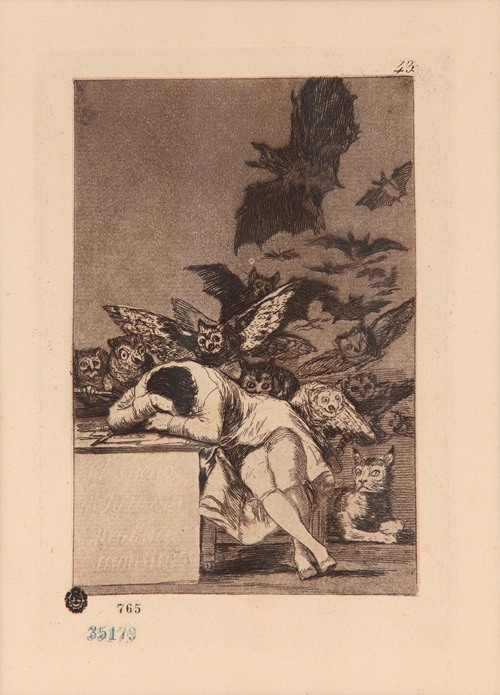
El sueño de la razon produce moustruos (Serie Caprichos)
Francisco de Goya
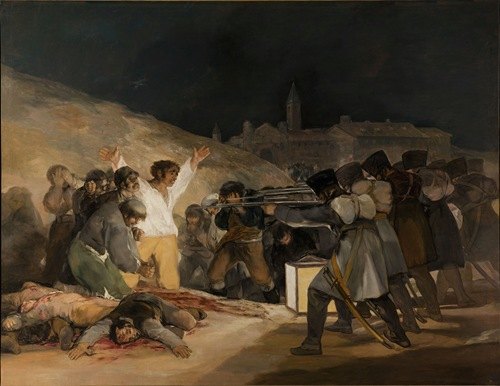
The Third of May
Francisco de Goya
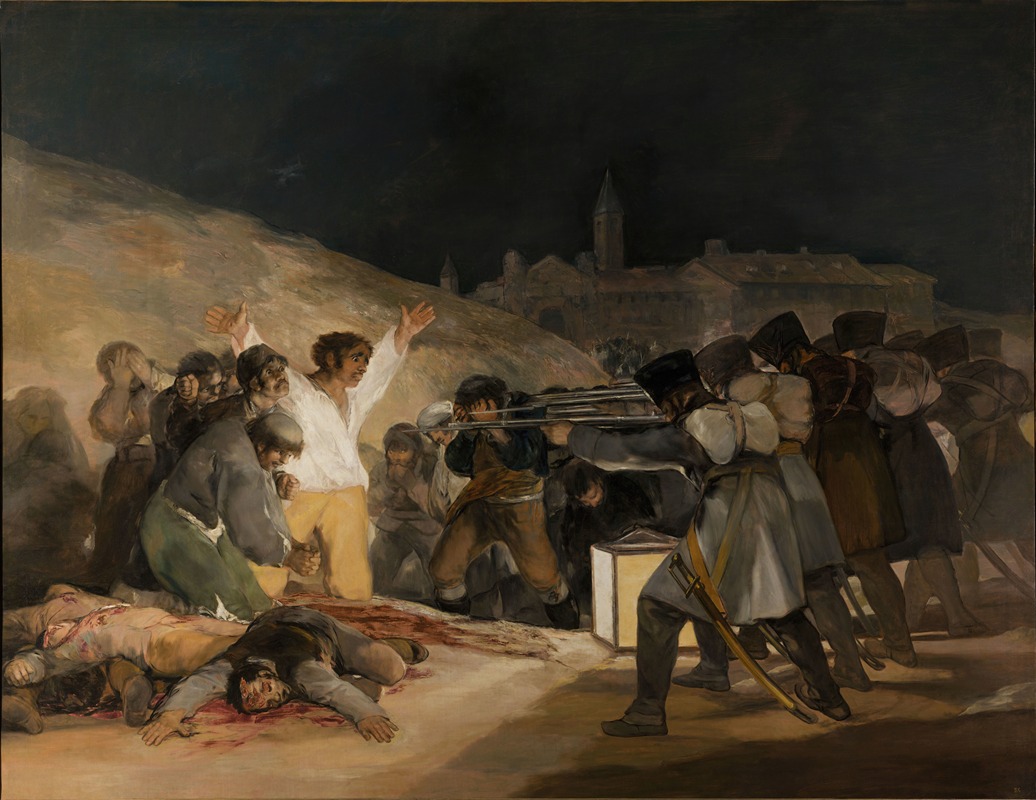
The Third of May 1808
Francisco de Goya
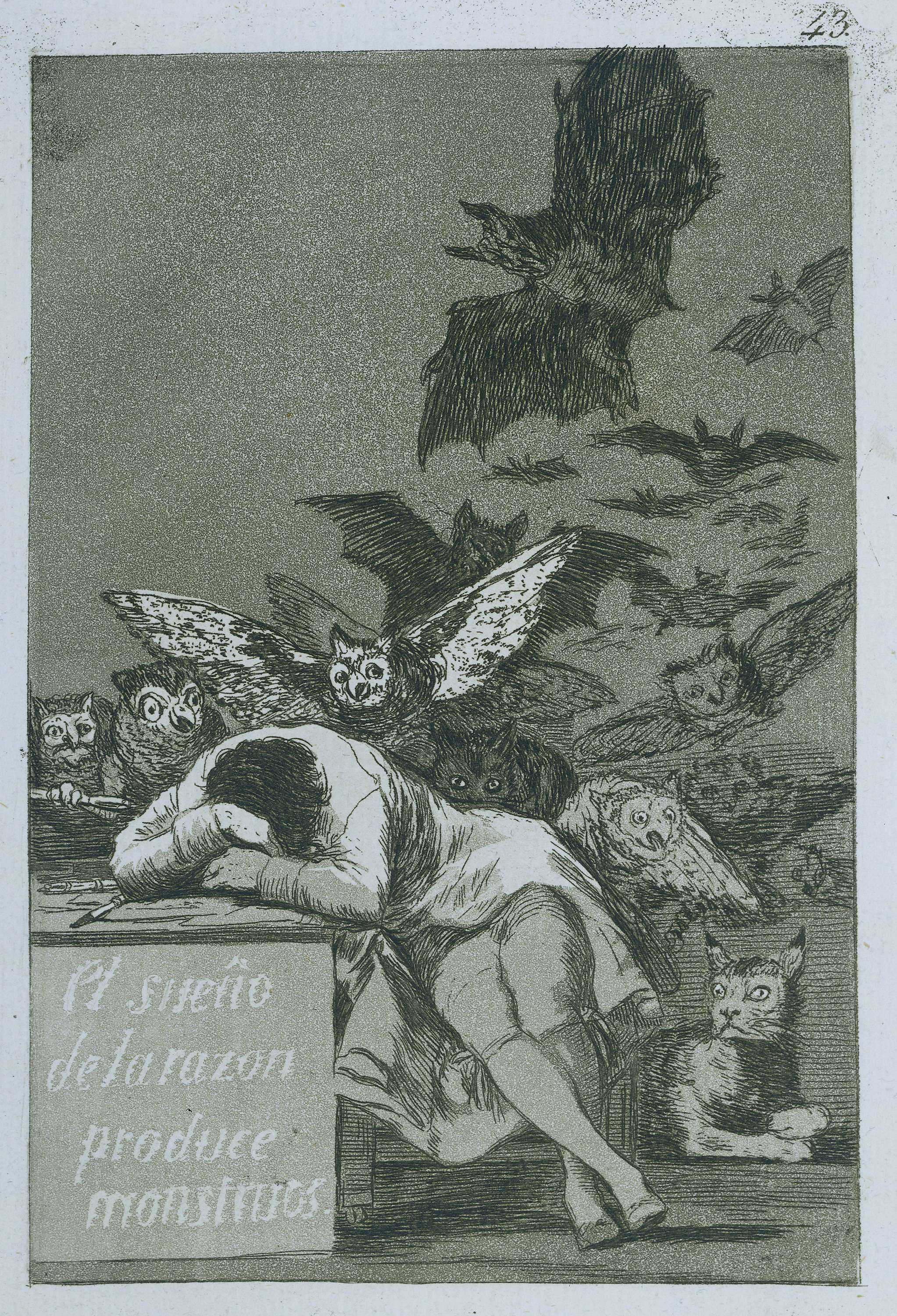
De slaap van de rede brengt monsters voort
Francisco de Goya
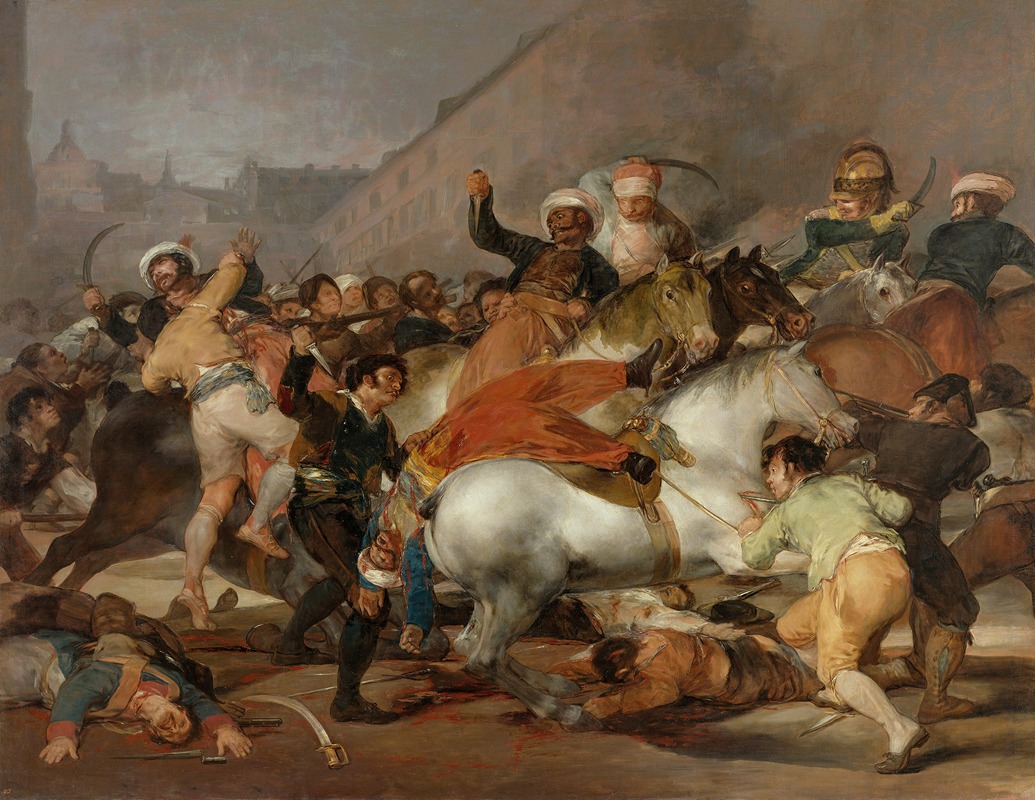
The Charge of the Mamelukes (1814)
Francisco de Goya
More Allegory Art
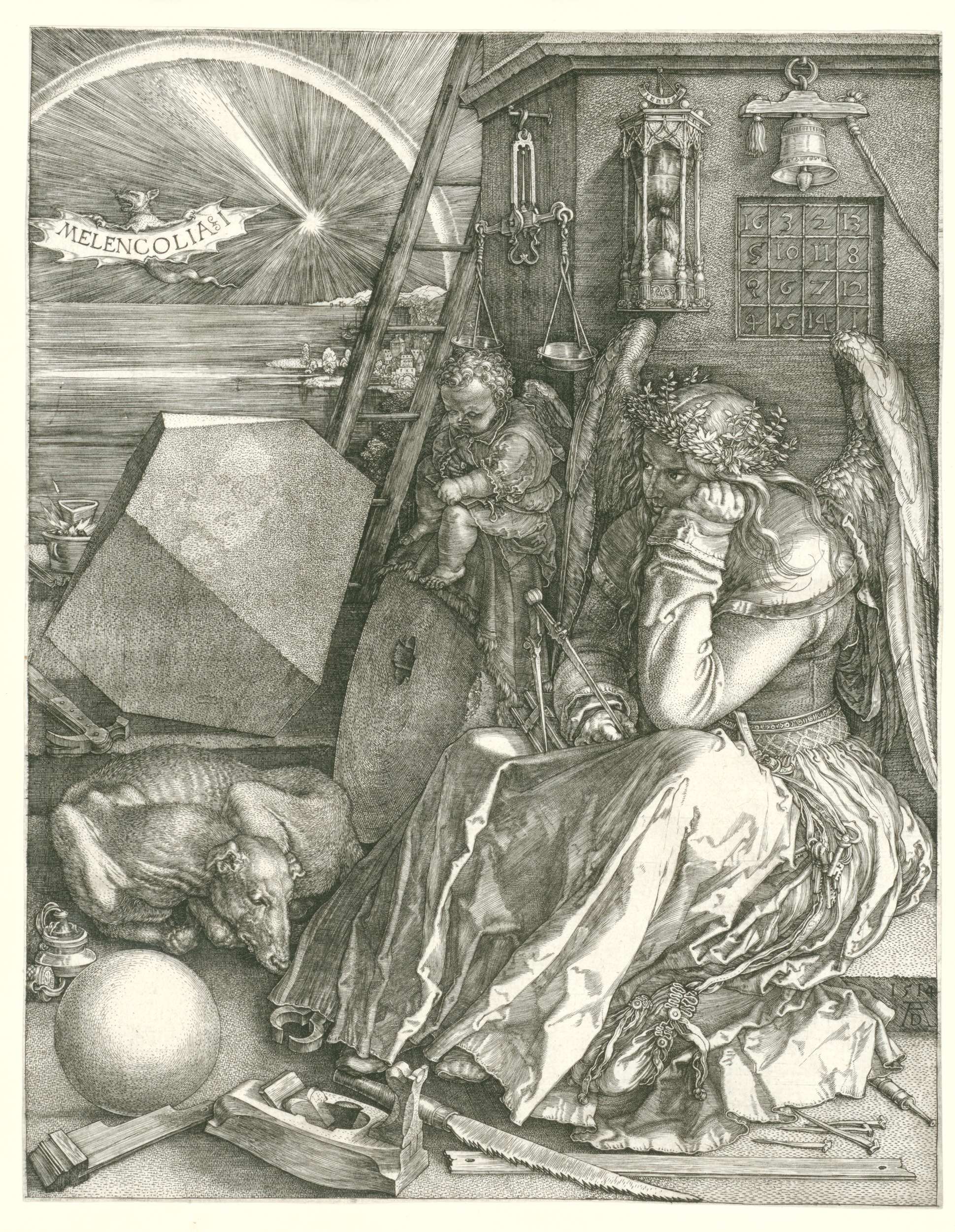
Melancholia
Albrecht Dürer
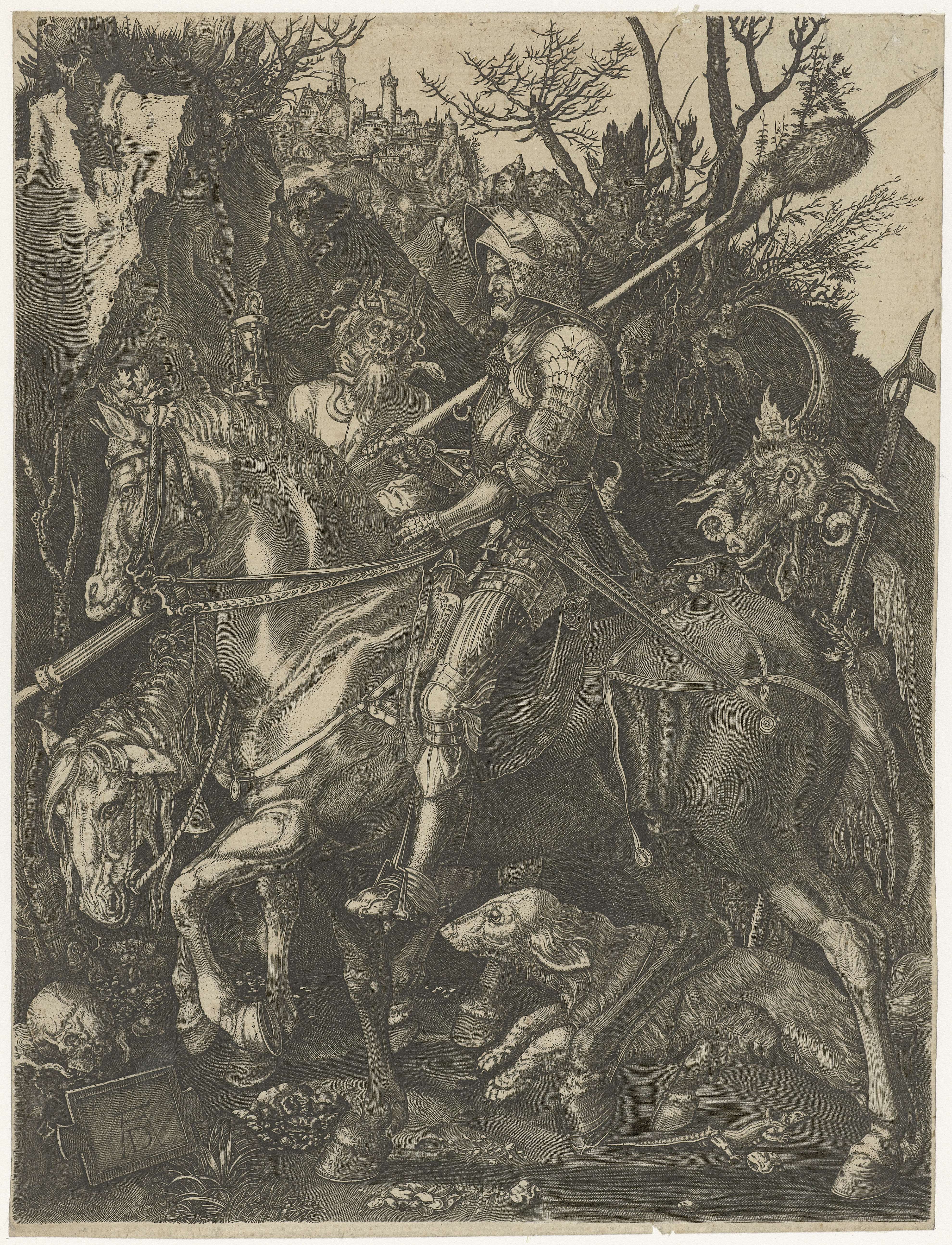
Ridder, Dood en Duivel
Unknown Artist
El sueño de la razon produce monstruos. (The sleep of reason produces monsters.)
Francisco de Goya
El sueño de la razon produce moustruos (Serie Caprichos)
Francisco de Goya
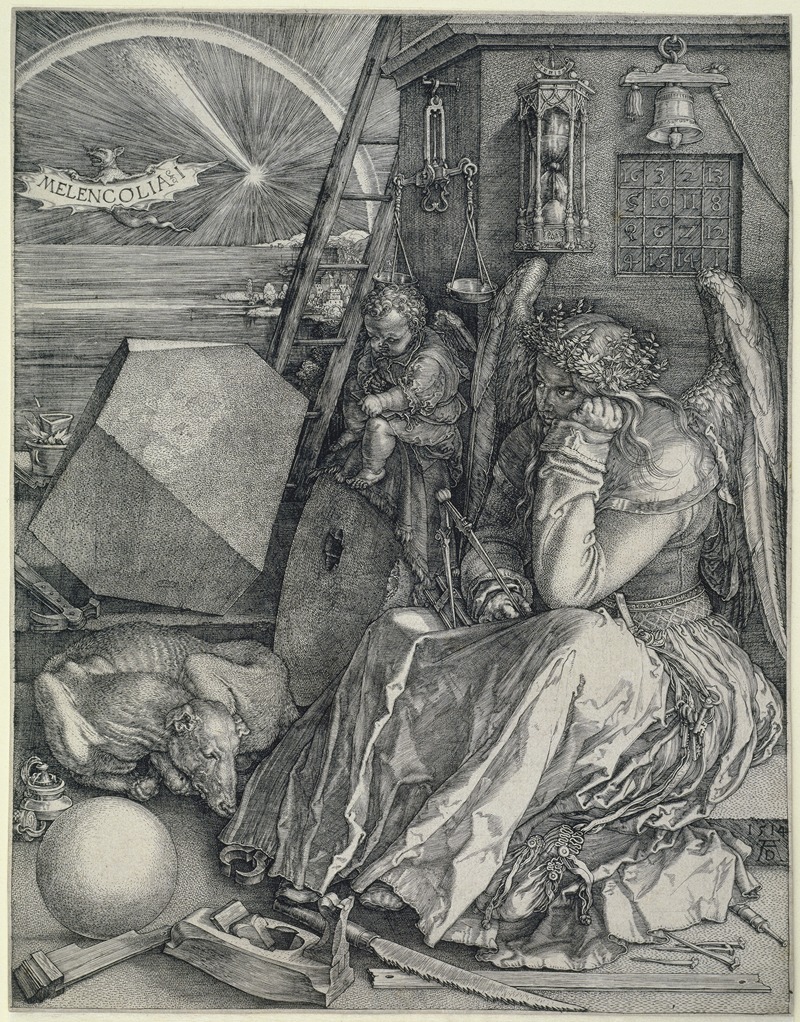
Melencolia I (The Melancholy)
Albrecht Dürer
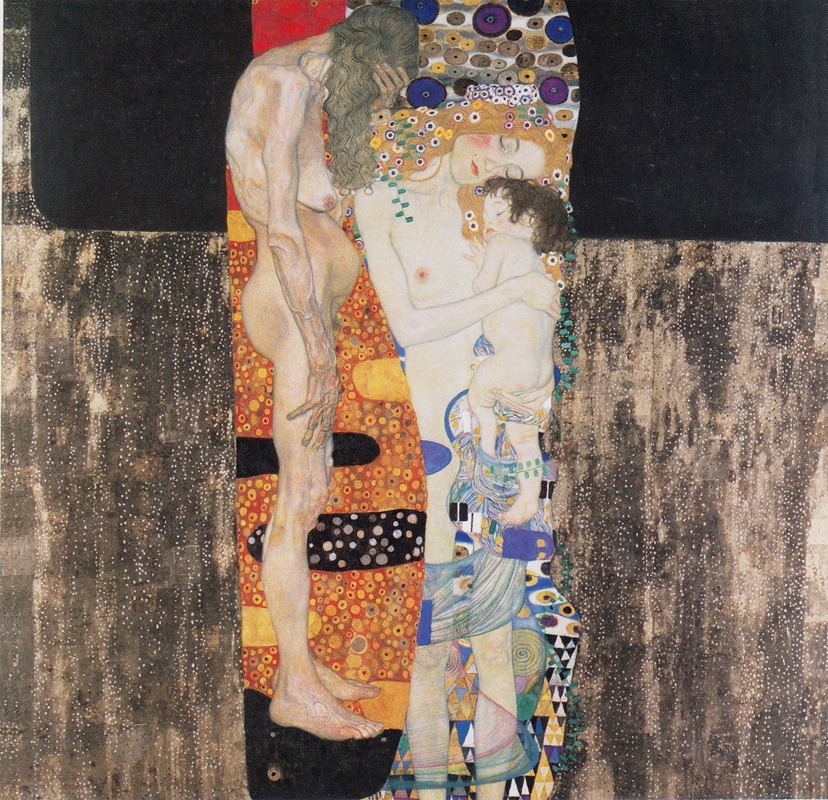
The Three Ages of the Woman
Gustav Klimt