
The Cloisters — History & Facts
In a world awash with fleeting moments, truth resonates beyond mere appearance, inviting us to seek the essence nestled within the solitude of our surroundings. Notice how the intricate details in The Cloisters draw you in immediately. The viewer’s gaze is led first to the architectural arches, beautifully rendered with delicate strokes that seem to whisper secrets of the past. The muted palette, dominated by soft earth tones, harmonizes the stone with shadows, while dappled light filters through, creating a serene atmosphere.
Each corner invites exploration, revealing hints of life within the stillness—perhaps a fleeting glimpse of nature reclaiming its space in a forgotten sanctuary. As your eyes wander further, consider the contrast between the sturdy stone structure and the delicate green vines creeping across it. This interplay speaks to the tension between permanence and ephemerality, suggesting a timeless dialogue between artistry and nature. The deliberate choice of composition evokes a sense of introspection, urging the viewer to reflect on their own journey through life’s cloistered moments, where truth often lies hidden in the quiet corners of existence. Created in 1897, The Cloisters reflects Percy Thomas's artistic vision during a time of transformation in the art world.
As the late 19th century saw a departure from traditional constraints, Thomas embraced a more personal style, drawing inspiration from both the Pre-Raphaelites and the emerging Arts and Crafts movement. This period in his life was marked by a deep interest in historical architecture, which he sought to immortalize through his paintings, forging a link between the past and the viewer's present.
More Artworks by Percy Thomas
Browse all →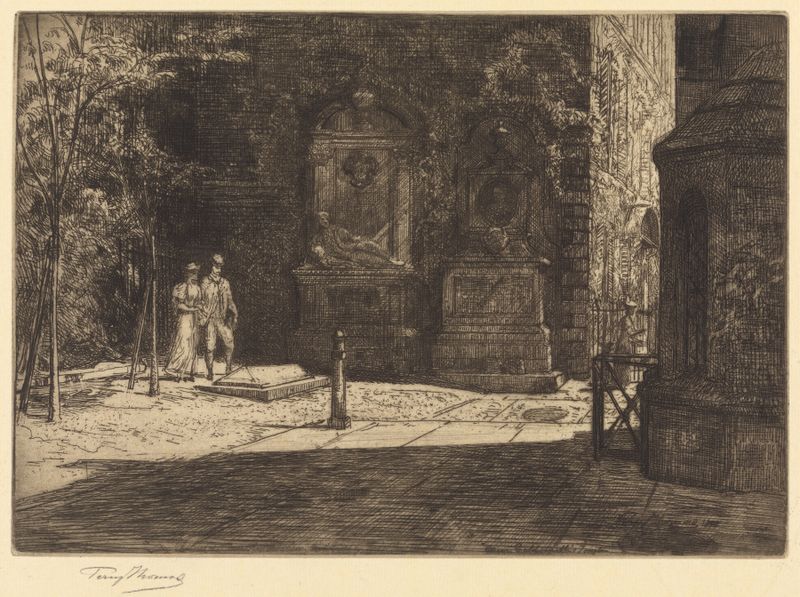
The Temple, London
Percy Thomas
The Temple, London
Percy Thomas
The Temple, London
Percy Thomas
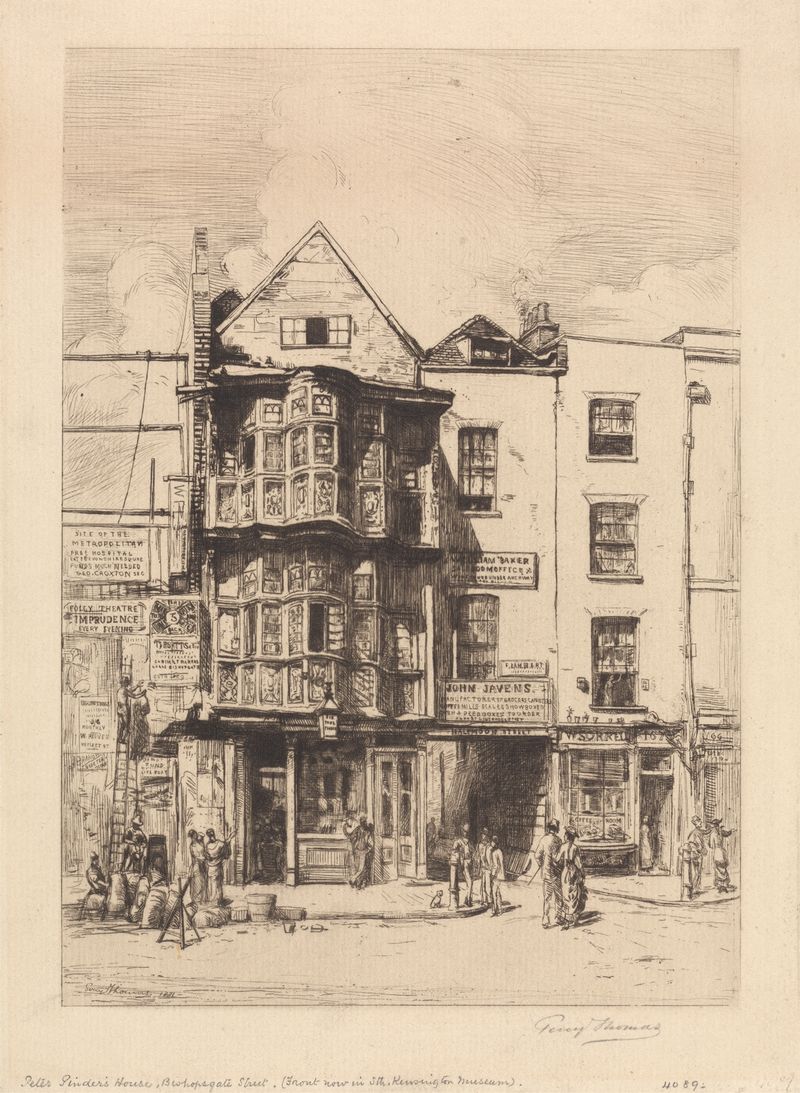
Peter Pinder’s House, Bishopsgate Street, London
Percy Thomas
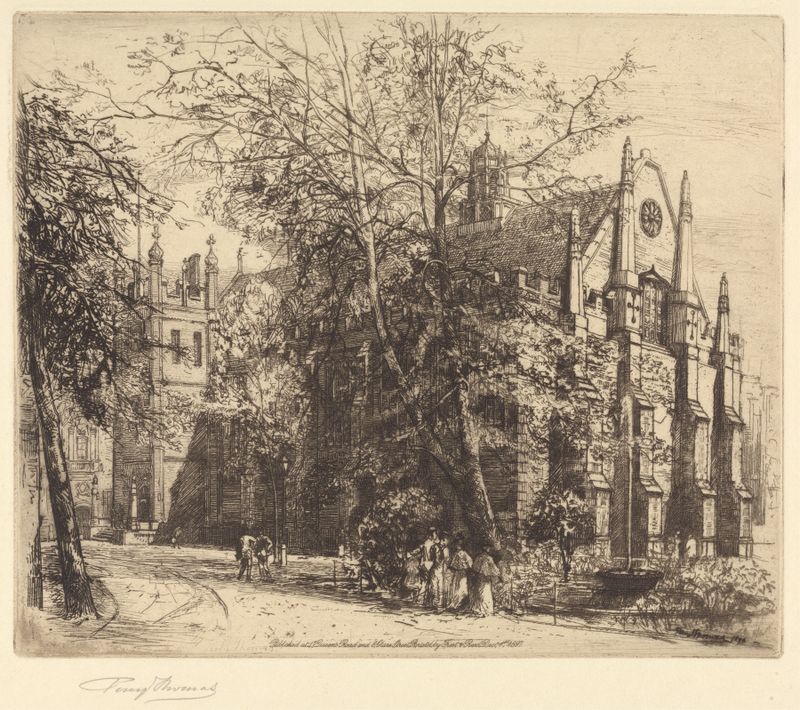
The Middle Temple Hall
Percy Thomas
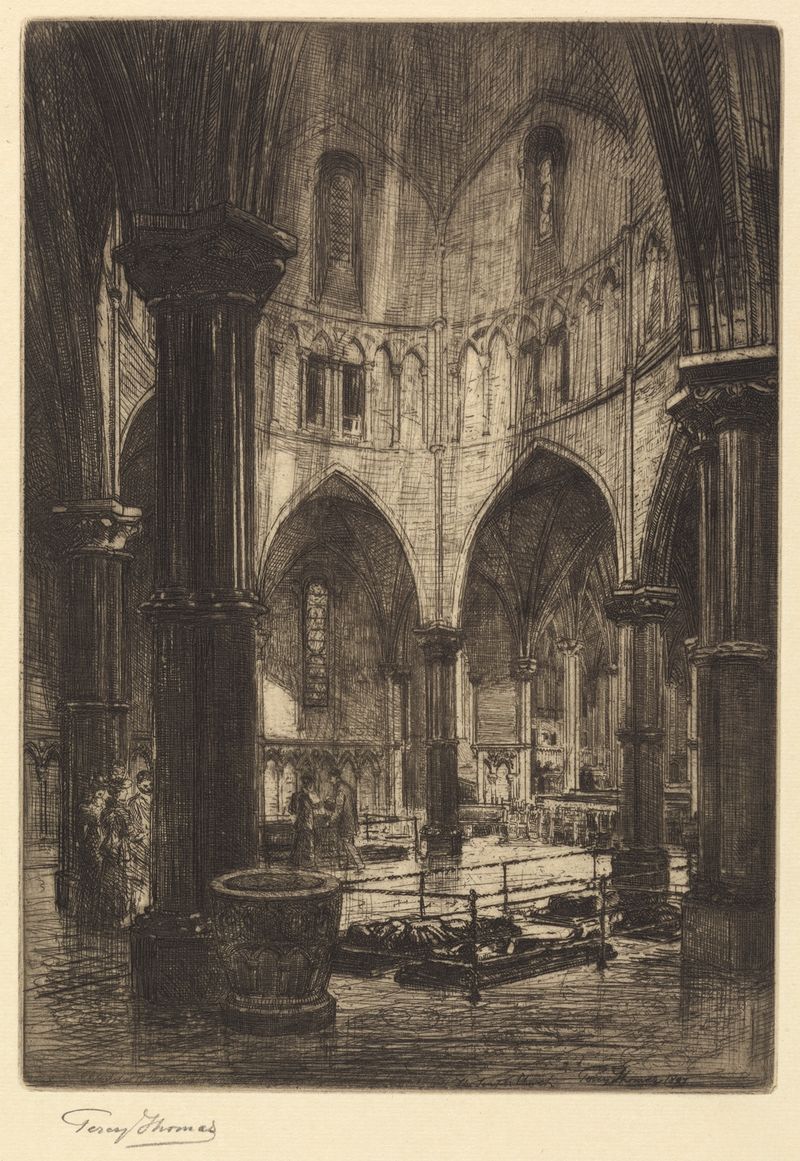
The Temple, London
Percy Thomas
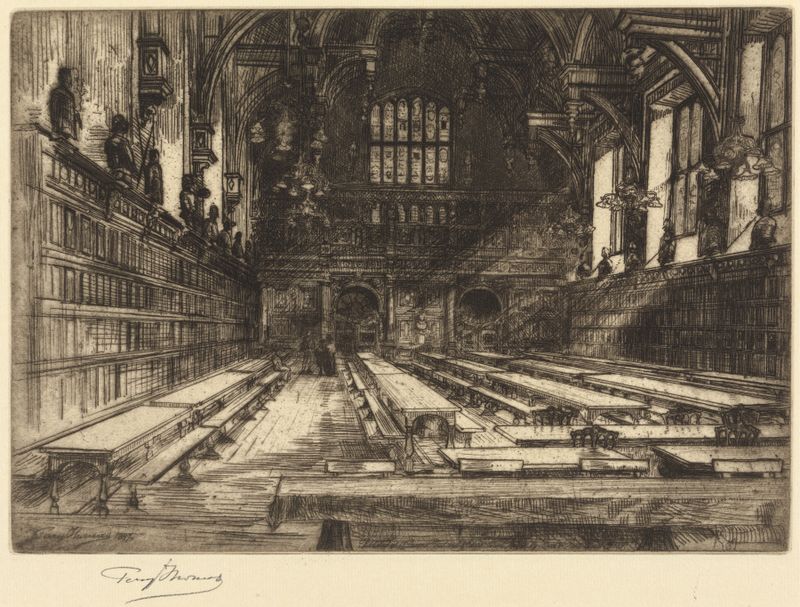
The Temple, London
Percy Thomas
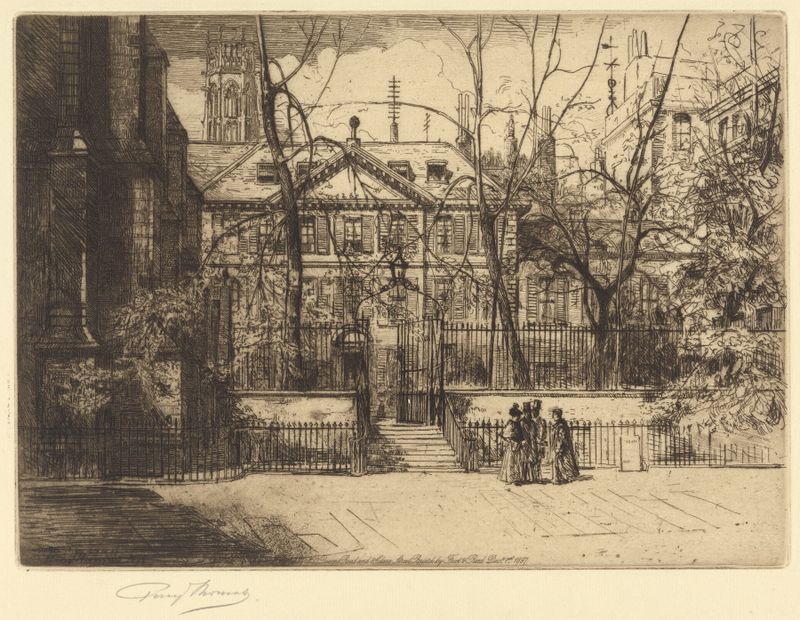
The Master’s House
Percy Thomas
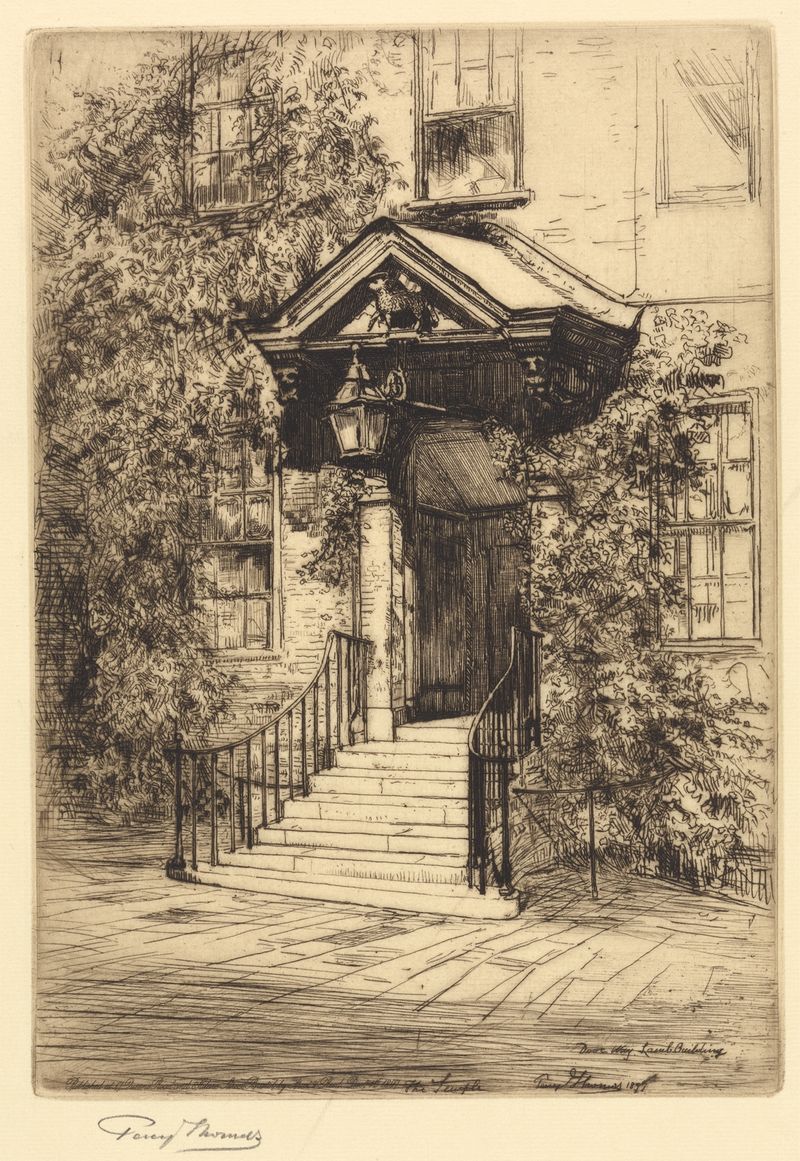
Doorway in Lamb’s Building
Percy Thomas
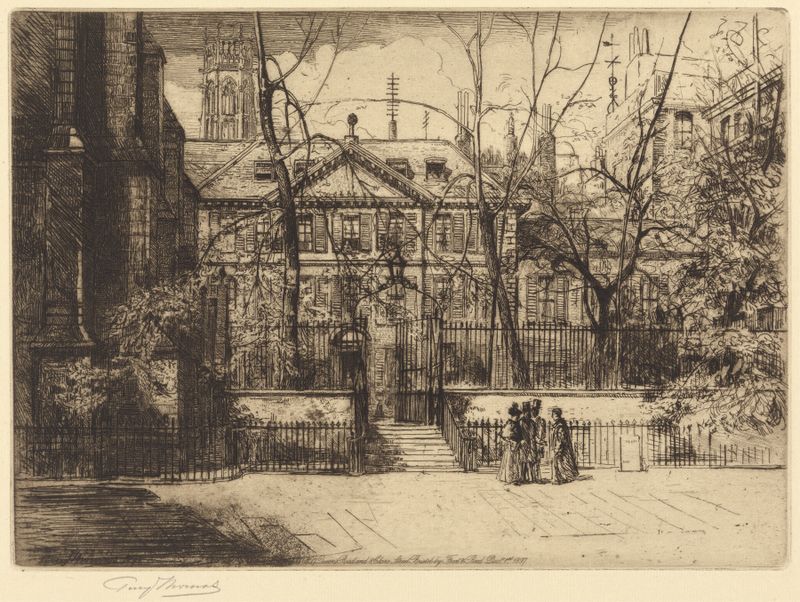
The Temple, London
Percy Thomas
More Architecture Art
Browse all →
The statue of Liberty
Frédéric Auguste Bartholdi

View of Houses in Delft, Known as ‘The Little Street’
Johannes Vermeer

View of Houses in Delft, Known as ‘The Little Street’
Johannes Vermeer

The Cathedral in Rouen. The portal, Grey Weather
Claude Monet

The yellow house
Vincent van Gogh

The Church in Auvers-sur-Oise, View from the Chevet
Vincent van Gogh