
The Temple, London — History & Facts
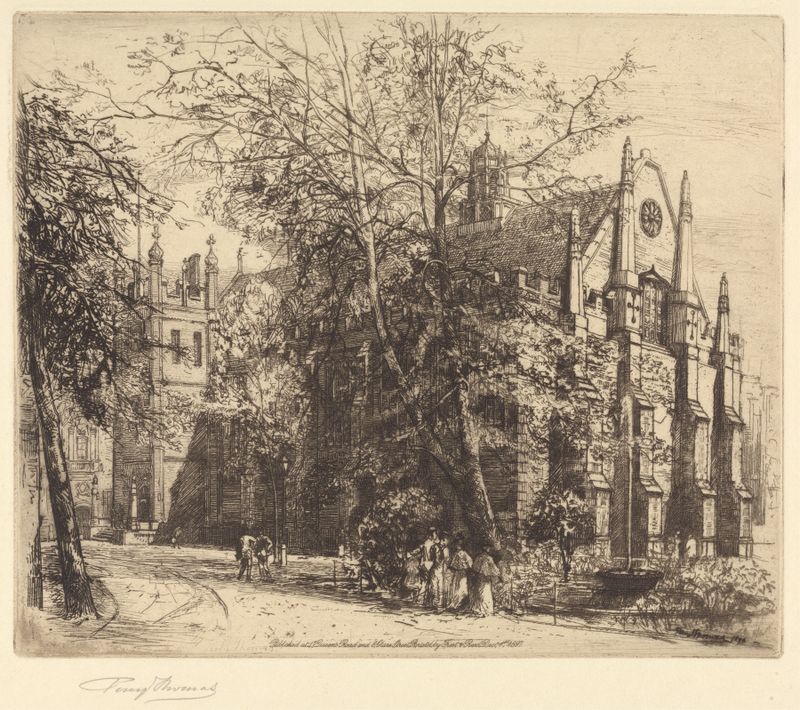
Is this a mirror — or a memory? The question hangs like a mist in the air, encapsulating the essence of the artwork, where the firm lines of reality dissolve into the chaotic whispers of recollection. Focus on the intricate details of the architecture, where the stone columns rise majestically, creating a fortress of serenity amid the turmoil of London's bustling streets. Notice how the light filters through the trees, casting dappled patterns upon the pavement below, drawing the viewer's eye to the figures that traverse the scene. Each stroke reveals a composition that balances the weight of the temple against the fluidity of life surrounding it, emphasizing the juxtaposition of permanence and transience. Beneath the surface, a tension emerges between the steady presence of the temple and the chaos of the city.
The figures, though painted with delible detail, appear almost ghostlike, suggesting their fleeting connection to the monumental structure that stands resilient against time. The earth tones ground the painting, yet there is an underlying vibrancy to the color palette that hints at the emotional unrest of a city teetering between reverence and the fray of modernity. In 1897, Percy Thomas painted this piece amidst a period of transformation in London, where industrial growth was reshaping the cityscape. As urban life thrived, the echoes of Victorian ideals clashed with burgeoning modernity.
This tension — between the historical and the contemporary, the divine and the earthly — is what Thomas captured, reflecting both his personal vision and the broader cultural landscape of his time.
More Artworks by Percy Thomas
Browse all →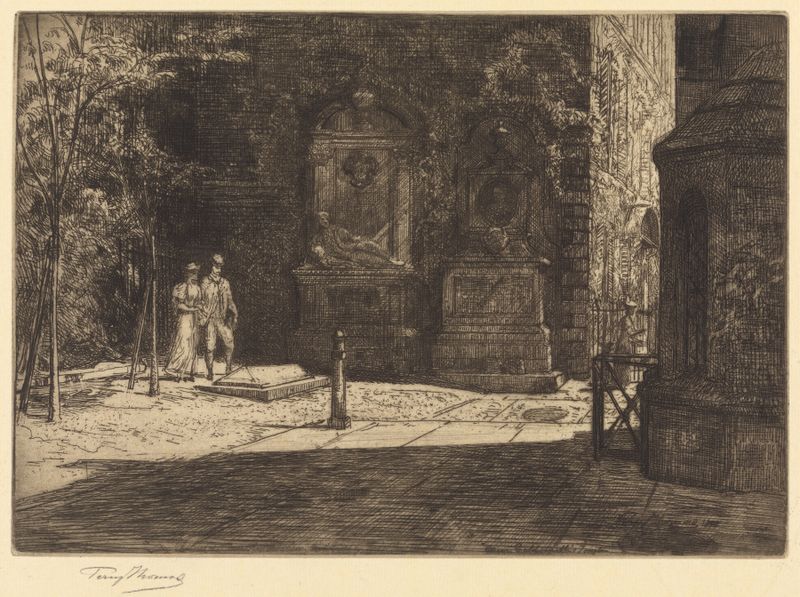
The Temple, London
Percy Thomas
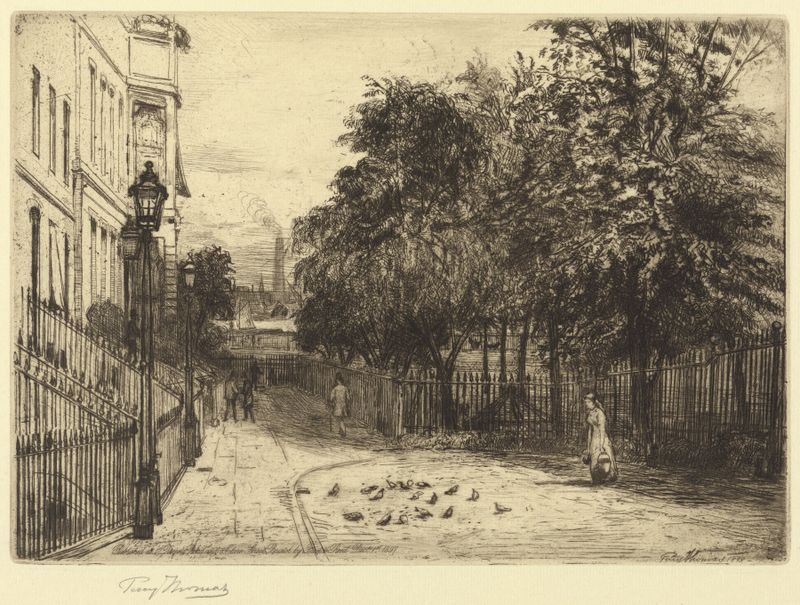
The Temple, London
Percy Thomas
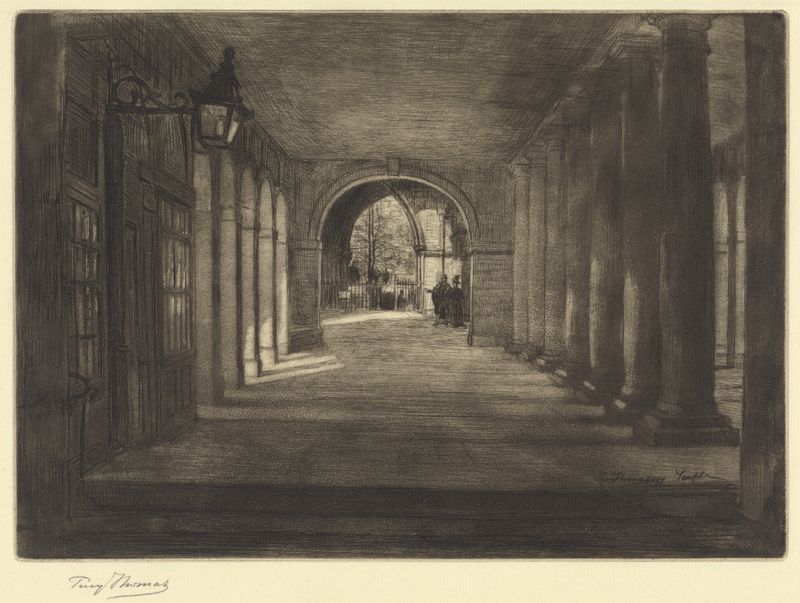
The Cloisters
Percy Thomas
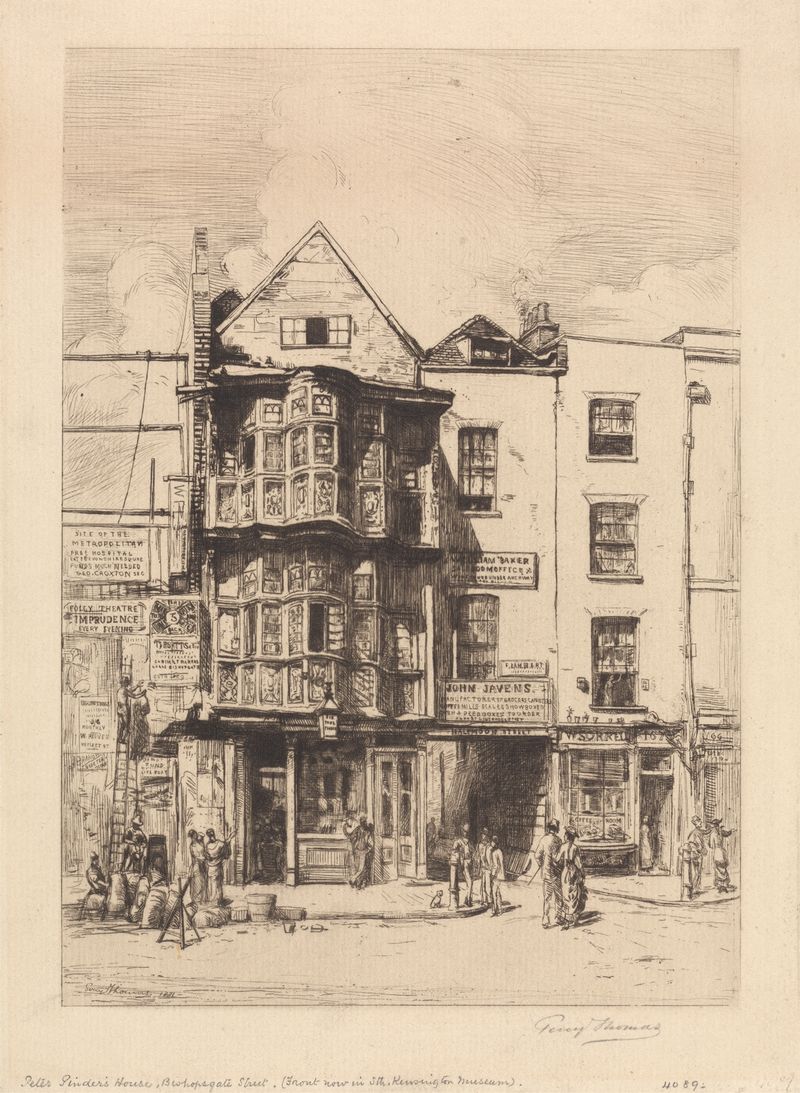
Peter Pinder’s House, Bishopsgate Street, London
Percy Thomas
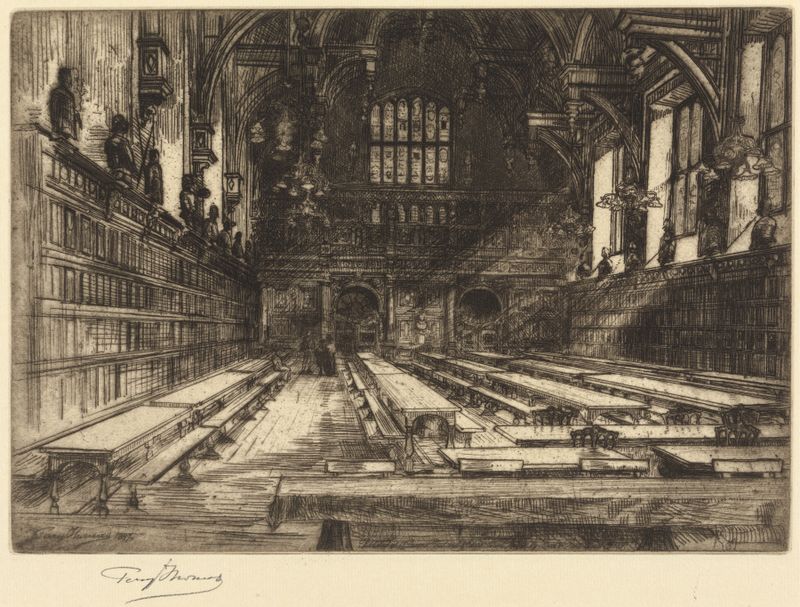
The Middle Temple Hall
Percy Thomas
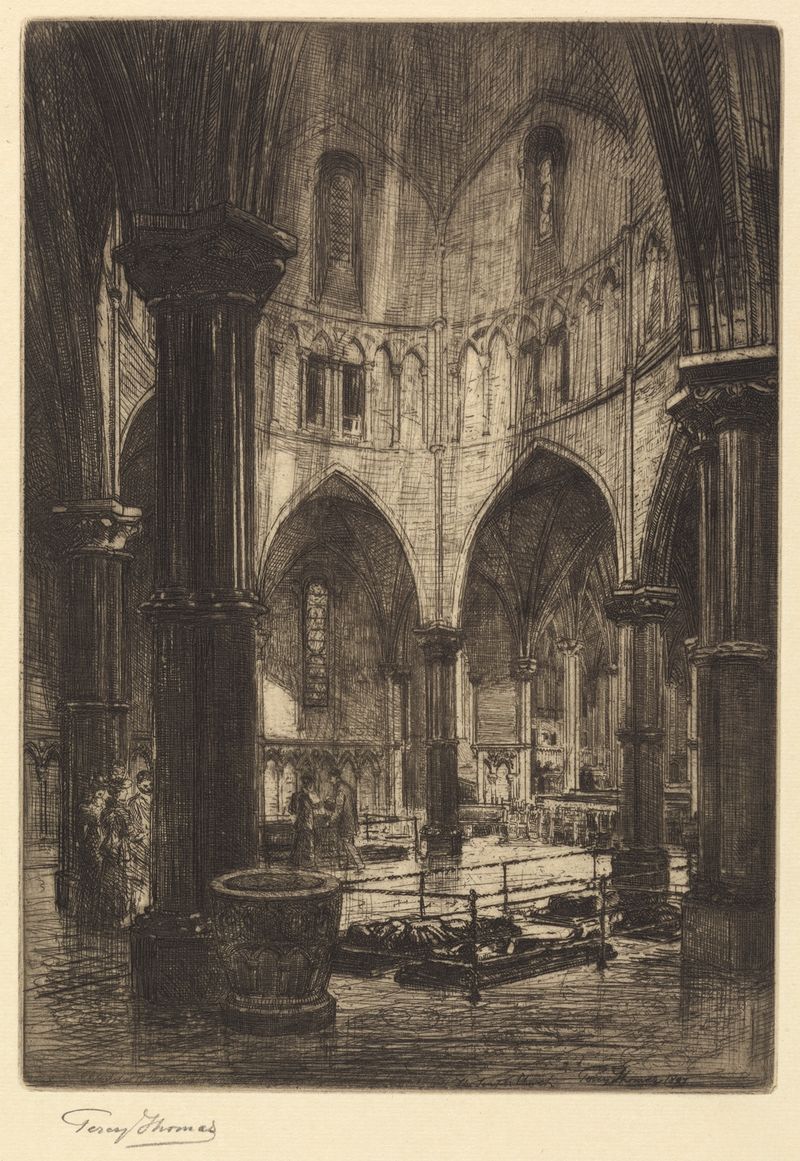
The Temple, London
Percy Thomas
The Temple, London
Percy Thomas
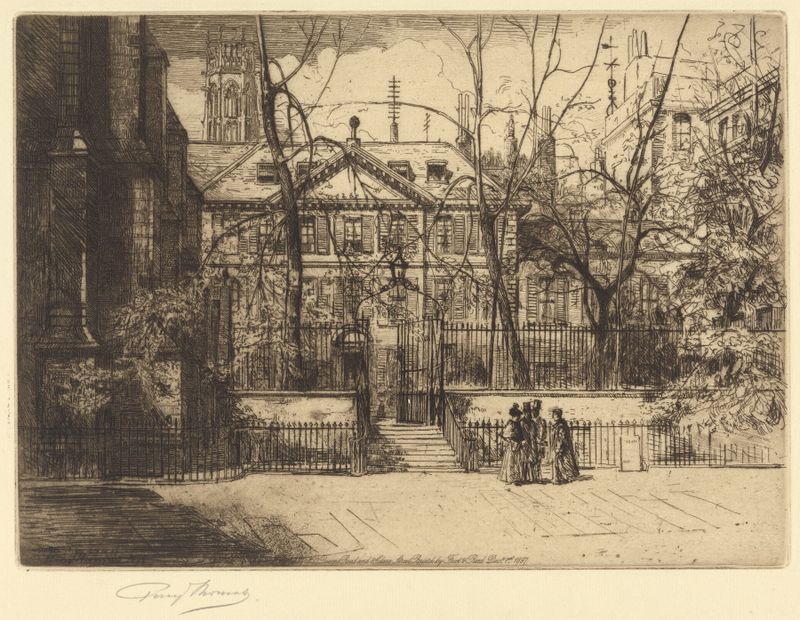
The Master’s House
Percy Thomas
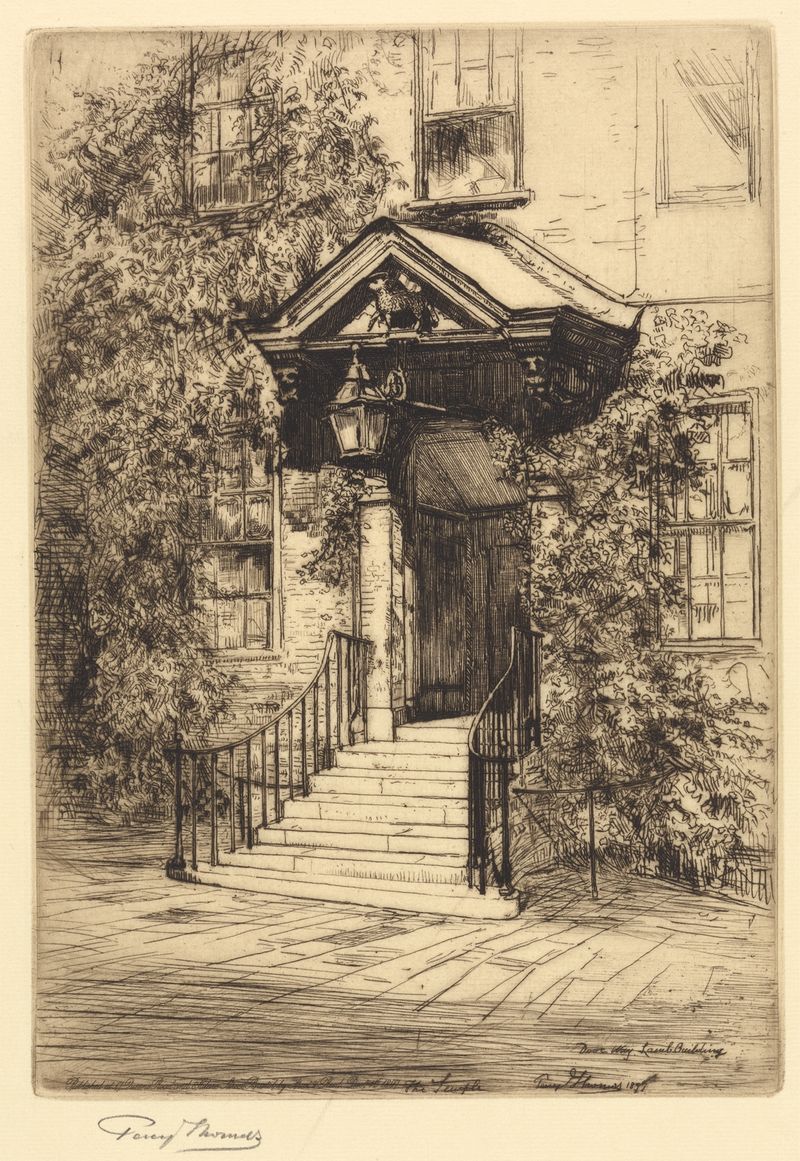
Doorway in Lamb’s Building
Percy Thomas
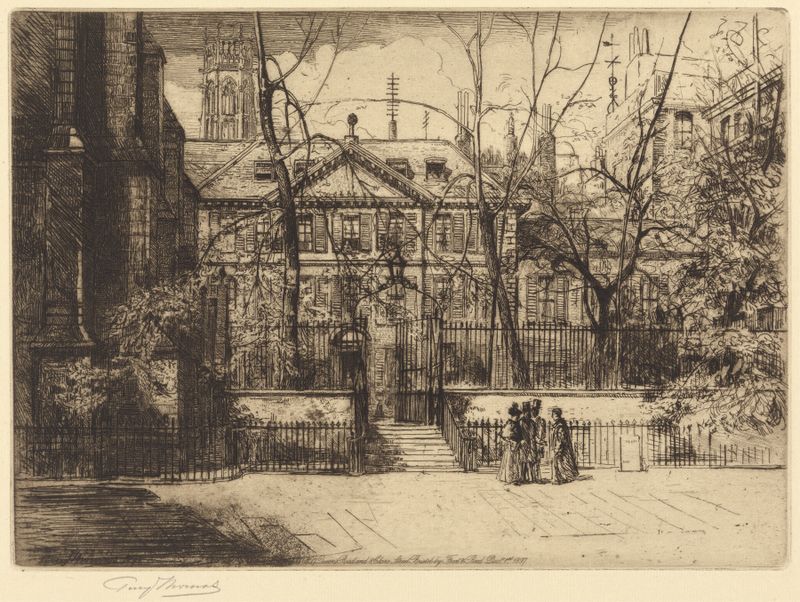
The Temple, London
Percy Thomas
More Architecture Art
Browse all →
The statue of Liberty
Frédéric Auguste Bartholdi

View of Houses in Delft, Known as ‘The Little Street’
Johannes Vermeer

View of Houses in Delft, Known as ‘The Little Street’
Johannes Vermeer

The Cathedral in Rouen. The portal, Grey Weather
Claude Monet

The yellow house
Vincent van Gogh

The Church in Auvers-sur-Oise, View from the Chevet
Vincent van Gogh