
The Temple, London — History & Facts
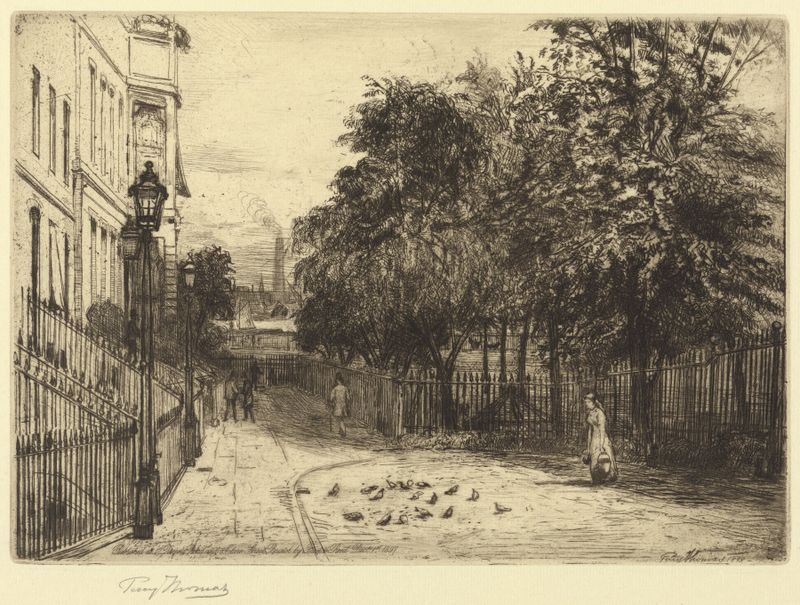
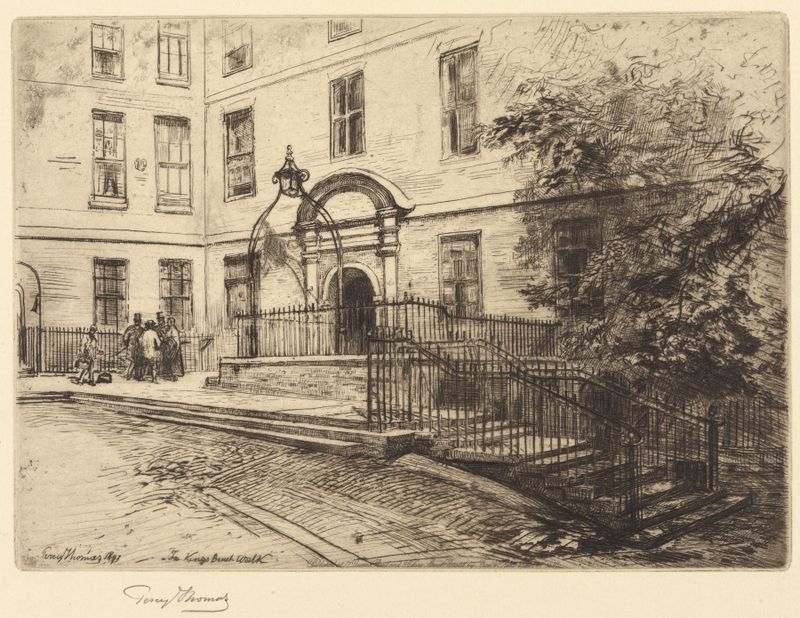
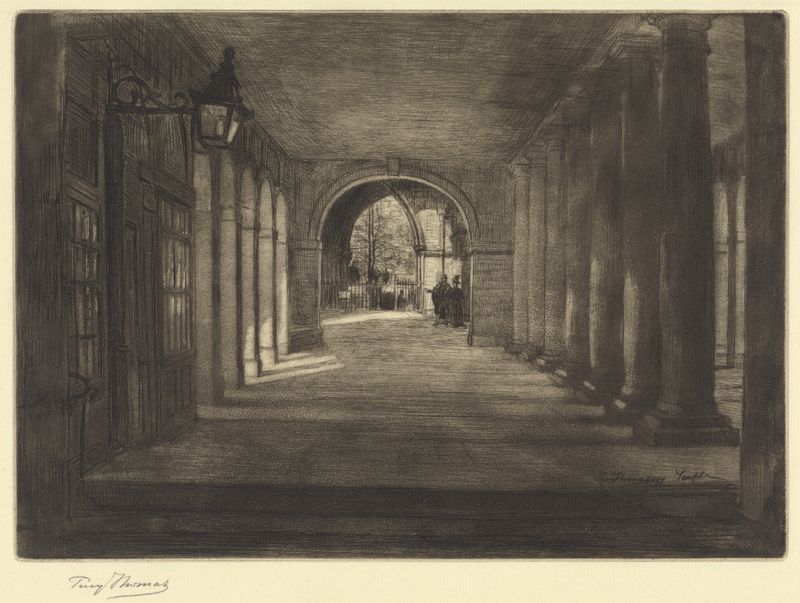
When did color learn to lie? Within the boundaries of perception, dreams flicker and distort, revealing truths cloaked in vibrant hues. Look closely at the layers of blue and gold that envelop the structure in this piece. Focus on the way the light dances across the facade, illuminating the intricate details of the architecture while casting shadows that seem to whisper secrets. The brushwork is both deliberate and fluid, each stroke breathing life into the scene, drawing your eye toward the majestic spires that pierce the canvas, connecting the earthly with the celestial. The juxtaposition of the tranquil water below and the imposing temple above evokes a sense of duality—solitude against grandeur, the ephemeral nature of dreams against the steadfastness of stone.
Each ripple in the water captures an echo of the architecture, suggesting a symbiotic relationship between reflection and reality. The rich color palette invites contemplation, compelling viewers to question whether they are witnessing a moment of clarity or the haze of a fleeting vision. In 1897, Percy Thomas painted this work amidst the vibrant cultural shifts of Victorian London, as the city was both a center of artistic innovation and a backdrop of social transformation. This period saw a blending of traditional techniques with emerging modernist ideas, reflecting the artist’s exploration of perception and the emotional resonance of place.
A time of dreams, indeed, as the world was awakening to new possibilities.
More Artworks by Percy Thomas
Browse all →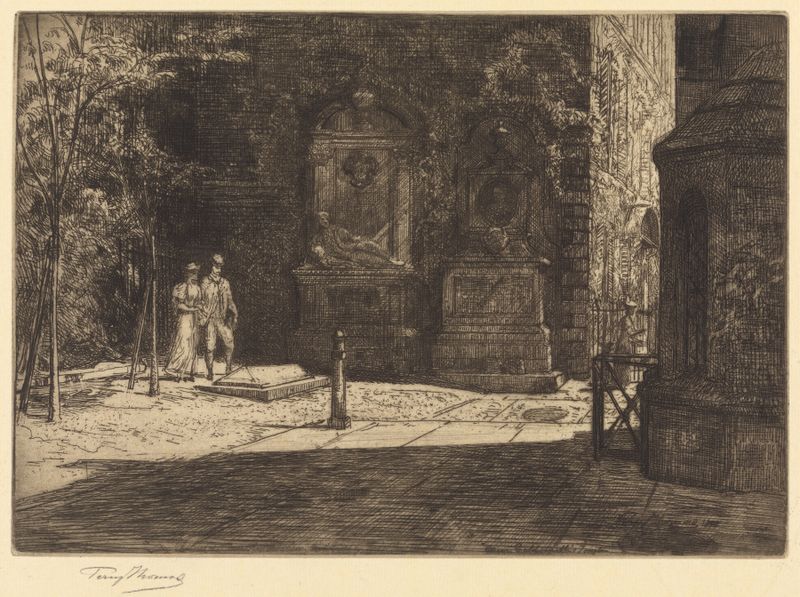
The Temple, London
Percy Thomas
The Temple, London
Percy Thomas
The Temple, London
Percy Thomas
The Cloisters
Percy Thomas
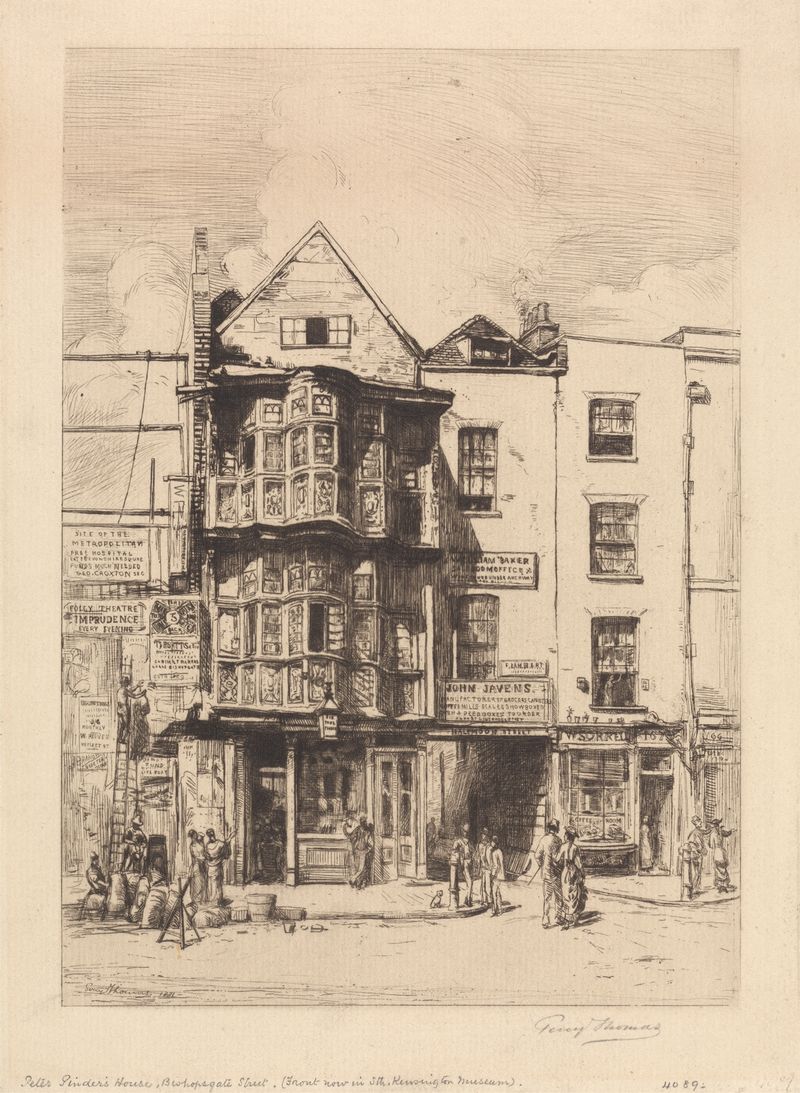
Peter Pinder’s House, Bishopsgate Street, London
Percy Thomas
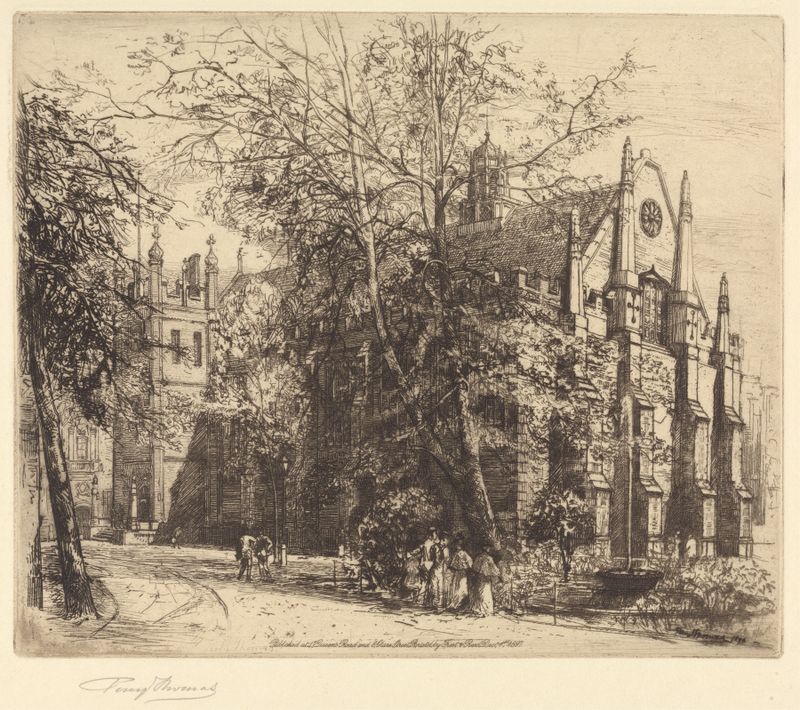
The Middle Temple Hall
Percy Thomas
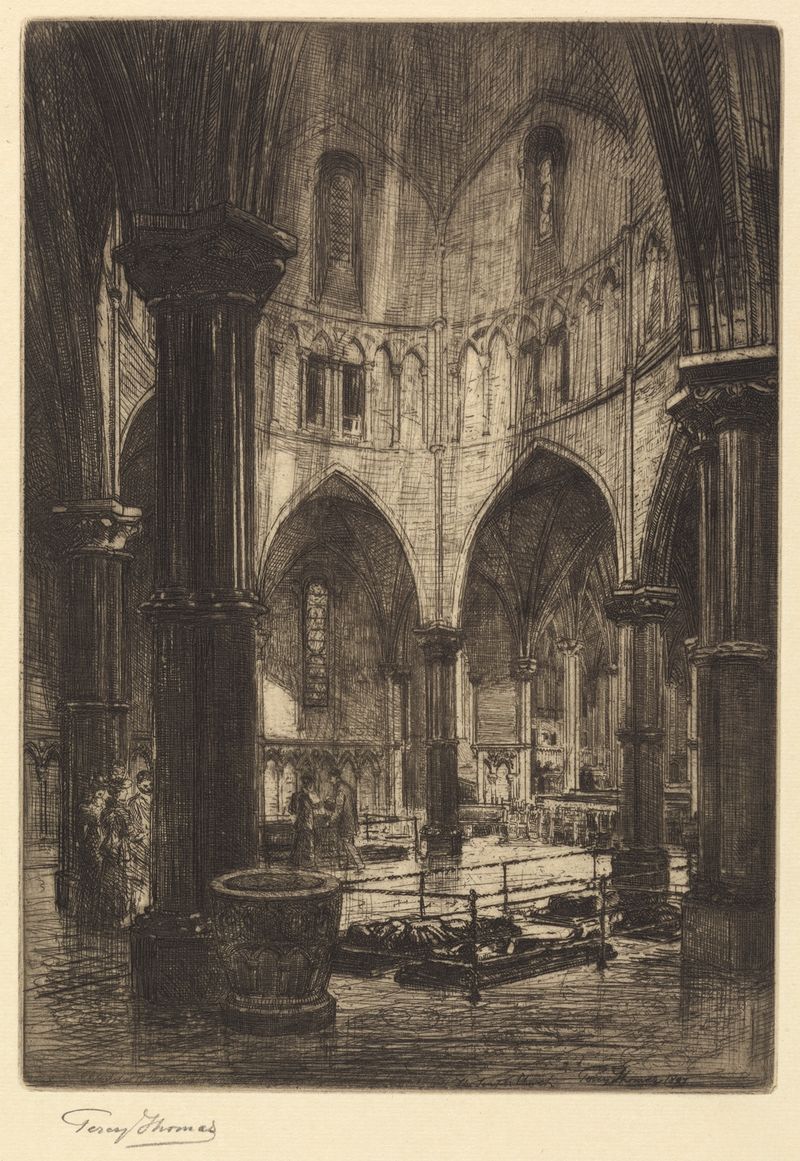
The Temple, London
Percy Thomas
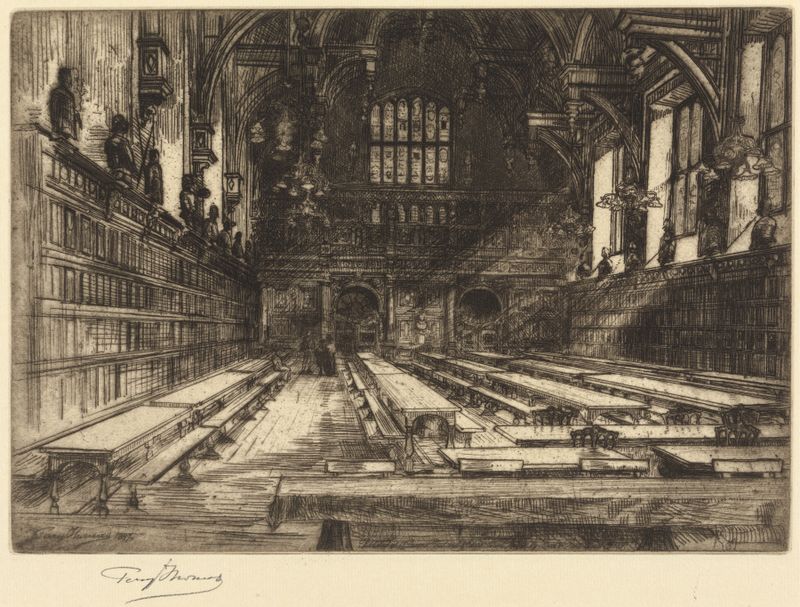
The Temple, London
Percy Thomas
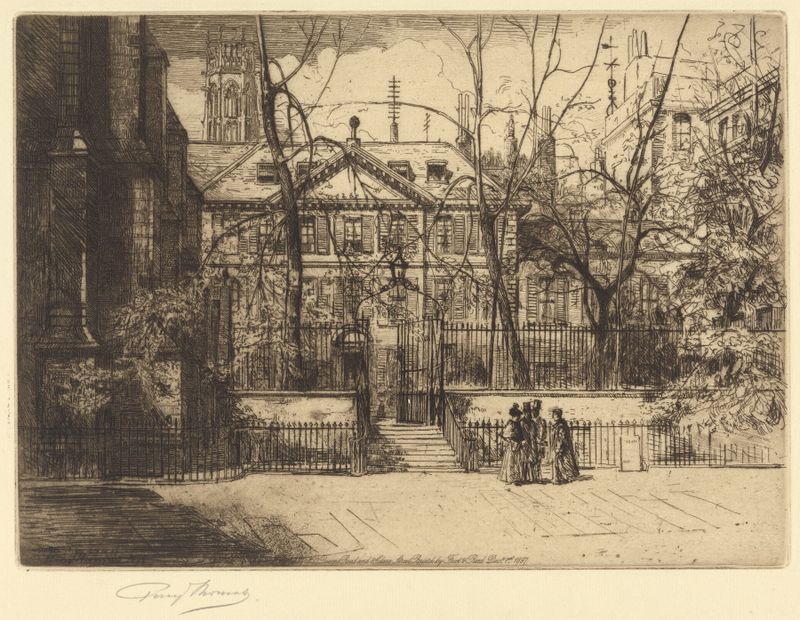
The Master’s House
Percy Thomas
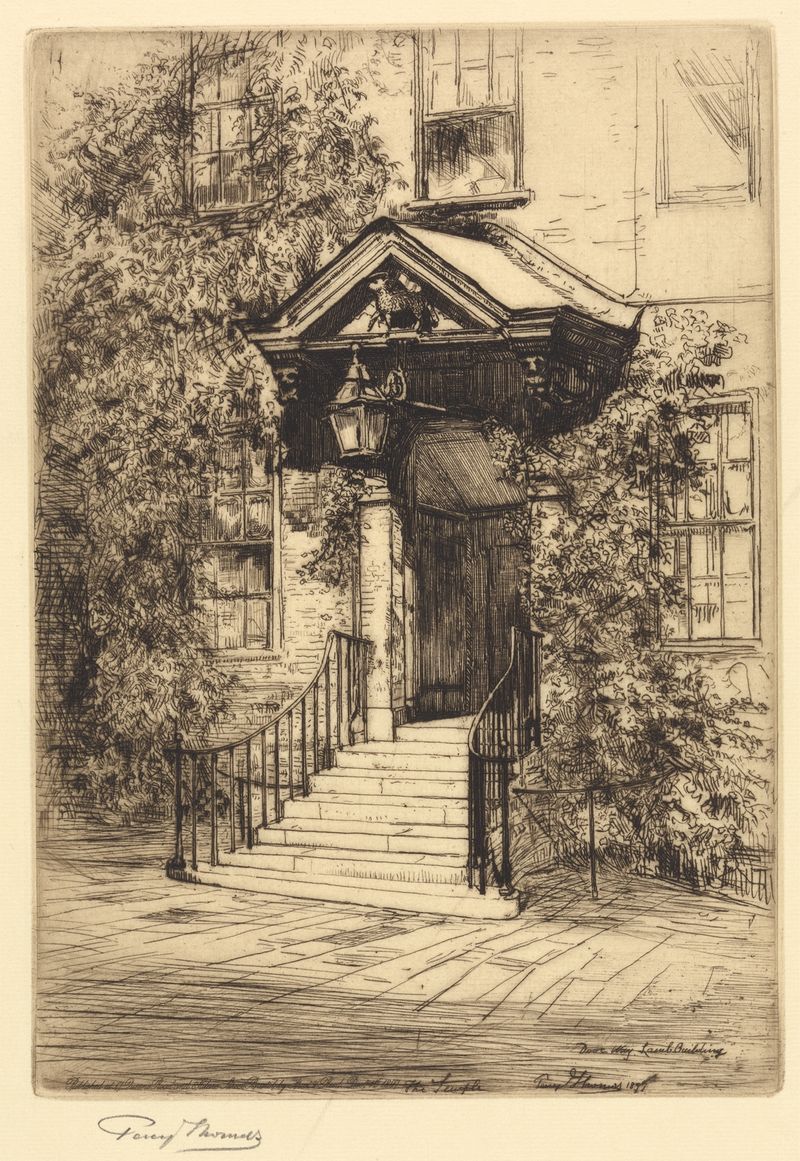
Doorway in Lamb’s Building
Percy Thomas
More Architecture Art
Browse all →
The statue of Liberty
Frédéric Auguste Bartholdi

View of Houses in Delft, Known as ‘The Little Street’
Johannes Vermeer

View of Houses in Delft, Known as ‘The Little Street’
Johannes Vermeer

The Cathedral in Rouen. The portal, Grey Weather
Claude Monet

The yellow house
Vincent van Gogh

The Church in Auvers-sur-Oise, View from the Chevet
Vincent van Gogh