
The Middle Temple Hall — History & Facts
This sentiment echoes through the intricacies of life, revealing the quiet struggle behind every facade. Look closely at the sprawling architecture in The Middle Temple Hall. Your gaze should first settle upon the magnificent woodwork, where rich browns and deep gold tones intertwine, creating a sense of both warmth and opulence. Notice how the light filters through the grand windows, casting intricate shadows that dance across the polished floor.
The meticulous detail in the carvings invites exploration, drawing you into a space that echoes with the whispers of history and the weight of decisions made within its walls. As you delve deeper, consider the emotional resonance of this setting. The contrast between the hall's grandeur and the isolation felt within its vastness speaks to the human experience of destiny—where hope and despair coexist. The golden hues could symbolize aspirations that glint tantalizingly, yet the shadows remind us of the sacrifices often hidden in pursuit of greatness.
Each element, from the soaring arches to the ornate decorations, encapsulates a moment of tension between public expectation and private longing. Percy Thomas painted this remarkable piece in 1897, a time when the British art world was undergoing significant transformation, with a burgeoning interest in the Arts and Crafts movement. At this juncture, Thomas sought to capture not just the physical attributes of the hall but also the profound narratives that could be sculpted within its confines. His work reflects both a personal journey and a collective yearning for beauty amidst the complexities of life.
More Artworks by Percy Thomas
Browse all →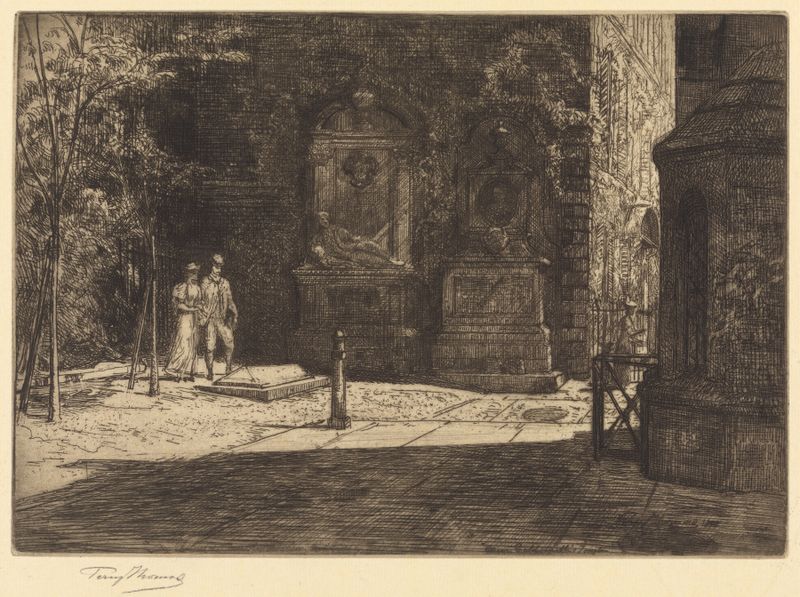
The Temple, London
Percy Thomas
The Temple, London
Percy Thomas
The Temple, London
Percy Thomas
The Cloisters
Percy Thomas
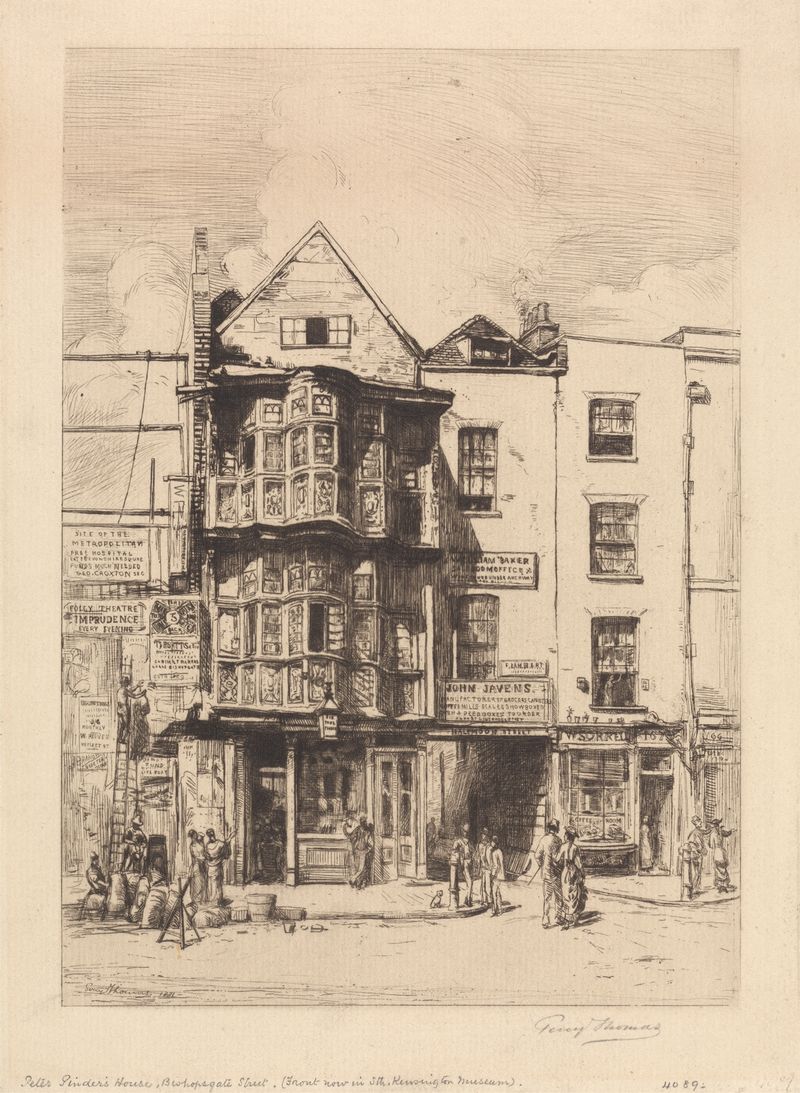
Peter Pinder’s House, Bishopsgate Street, London
Percy Thomas
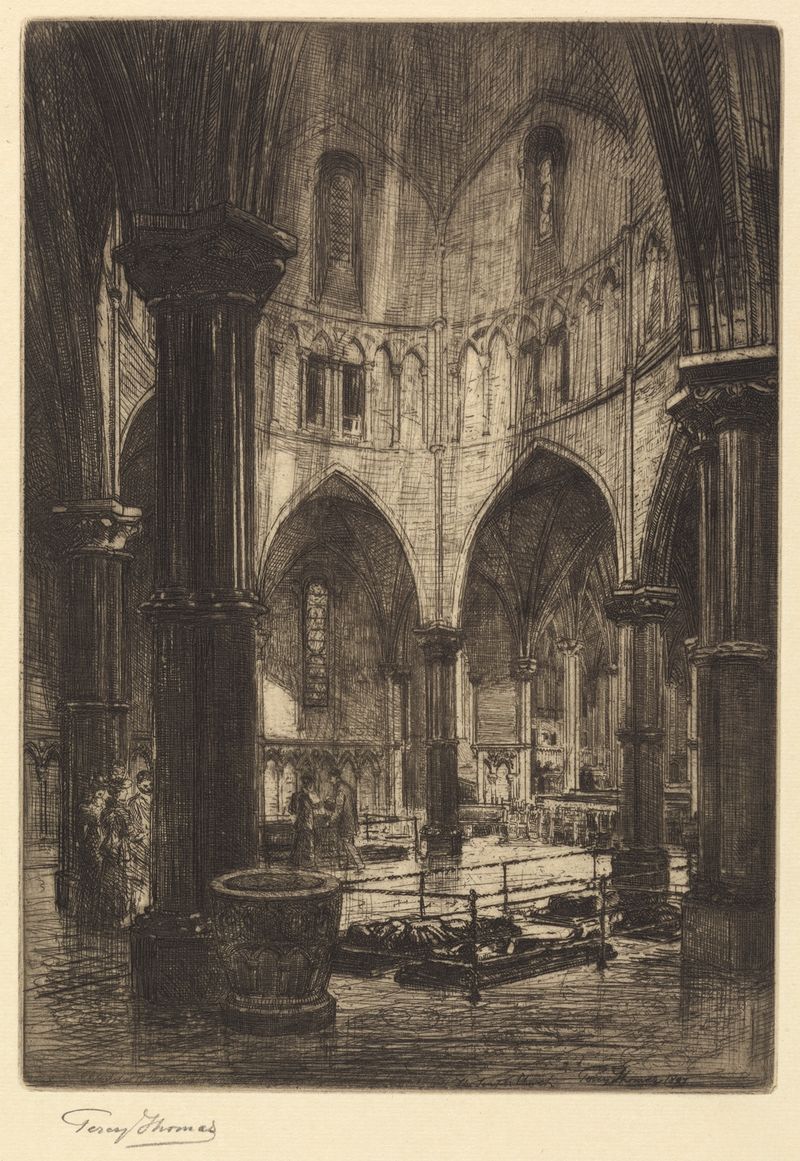
The Temple, London
Percy Thomas
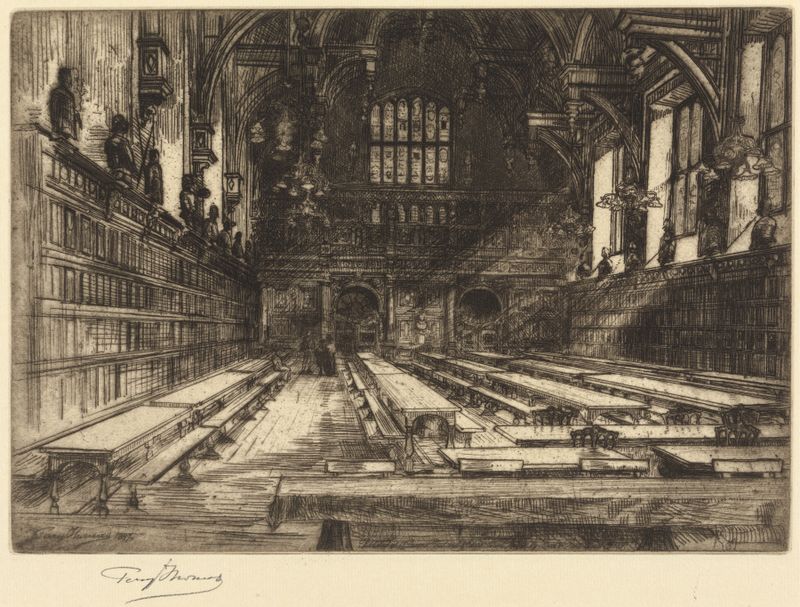
The Temple, London
Percy Thomas
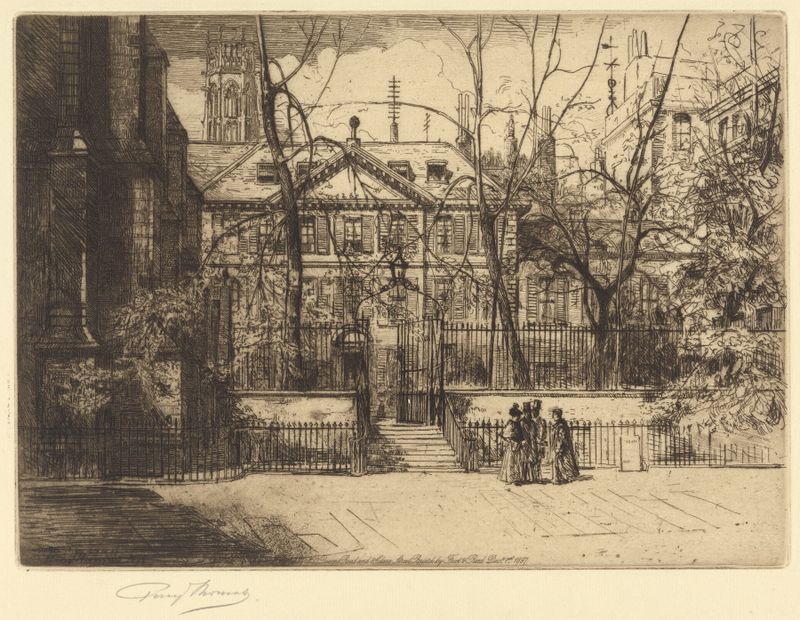
The Master’s House
Percy Thomas
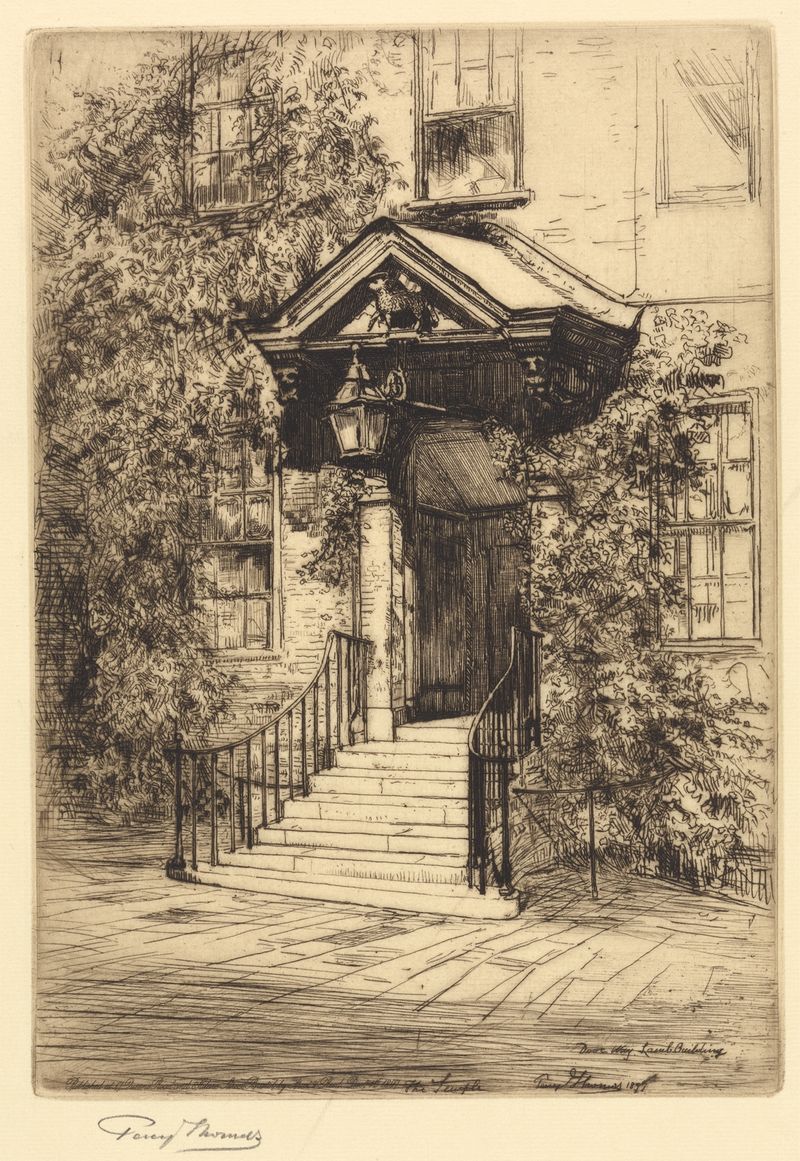
Doorway in Lamb’s Building
Percy Thomas
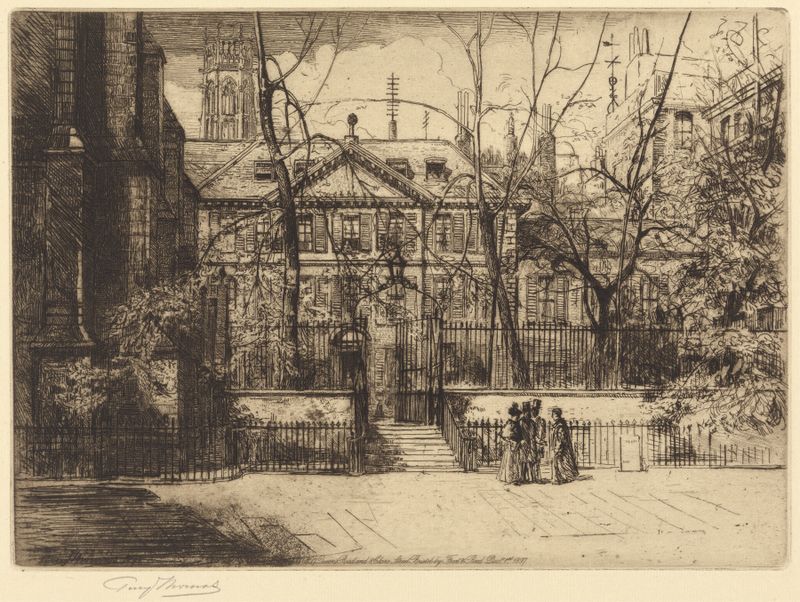
The Temple, London
Percy Thomas
More Architecture Art
Browse all →
The statue of Liberty
Frédéric Auguste Bartholdi

View of Houses in Delft, Known as ‘The Little Street’
Johannes Vermeer

View of Houses in Delft, Known as ‘The Little Street’
Johannes Vermeer

The Cathedral in Rouen. The portal, Grey Weather
Claude Monet

The yellow house
Vincent van Gogh

The Church in Auvers-sur-Oise, View from the Chevet
Vincent van Gogh