
The clouds — History & Facts
In the final years of his life, Claude Monet turned his gaze skyward, producing a series of paintings devoted almost entirely to clouds—an obsession that would culminate in works like The clouds (1920). What makes this painting particularly striking is that it belongs to the very last phase of Monet’s career, when cataracts clouded his vision and the boundaries between form and color began to dissolve. The artist himself lamented in a letter from 1922: "I no longer see colors with the same clarity...
everything seems shrouded in a fog." This physical limitation, rather than hindering him, pushed Monet to new heights of abstraction, anticipating developments in modern art that would unfold decades later. In The clouds, there is no horizon, no anchoring landscape—only the restless movement of vapor across the canvas. Monet captures a fleeting moment when sunlight filters through a mass of billowing forms, their edges dissolving into one another with strokes that are both vigorous and delicate. The eye is drawn to subtle modulations of blue, gray, and white, suggesting not only the meteorological drama above but also the artist’s own internal weather.
Unlike John Constable’s cloud studies, which sought scientific accuracy, Monet’s approach is more about sensation: the feeling of lying in the grass and watching the sky churn. The lack of narrative or human presence invites viewers to lose themselves in the act of looking, as if the painting itself were a window onto the infinite. The precise history of The clouds as an object remains somewhat obscure, as Monet’s late cloud studies were often painted for his own satisfaction rather than for patrons or exhibitions. Many of these canvases remained in his studio at Giverny until his death in 1926, after which they were dispersed among family, friends, and collectors.
Today, The clouds stands as a testament to Monet’s relentless pursuit of light and atmosphere, even as his eyesight failed him. It marks a turning point not only in his own oeuvre but also in the evolution of Impressionism, foreshadowing the abstraction that would soon dominate the art world. The painting’s current home in a public or private collection continues to inspire viewers to look up—and to see the world anew.
More Artworks by Claude Monet
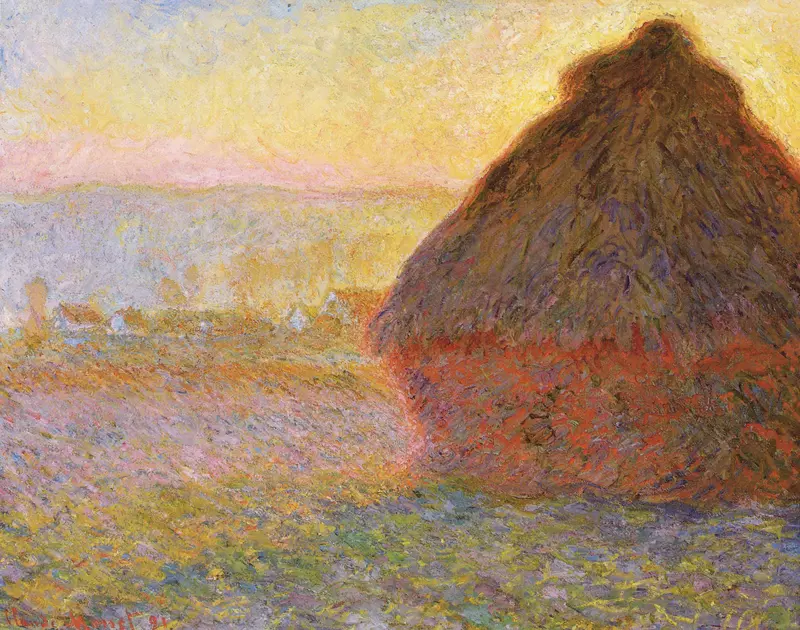
Grainstack (Sunset)
Claude Monet
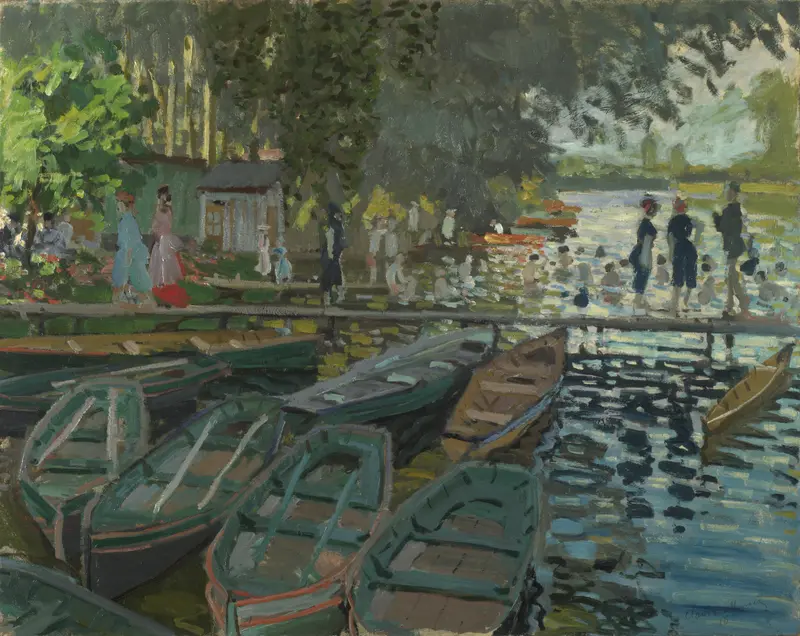
Bathers at La Grenouillère
Claude Monet
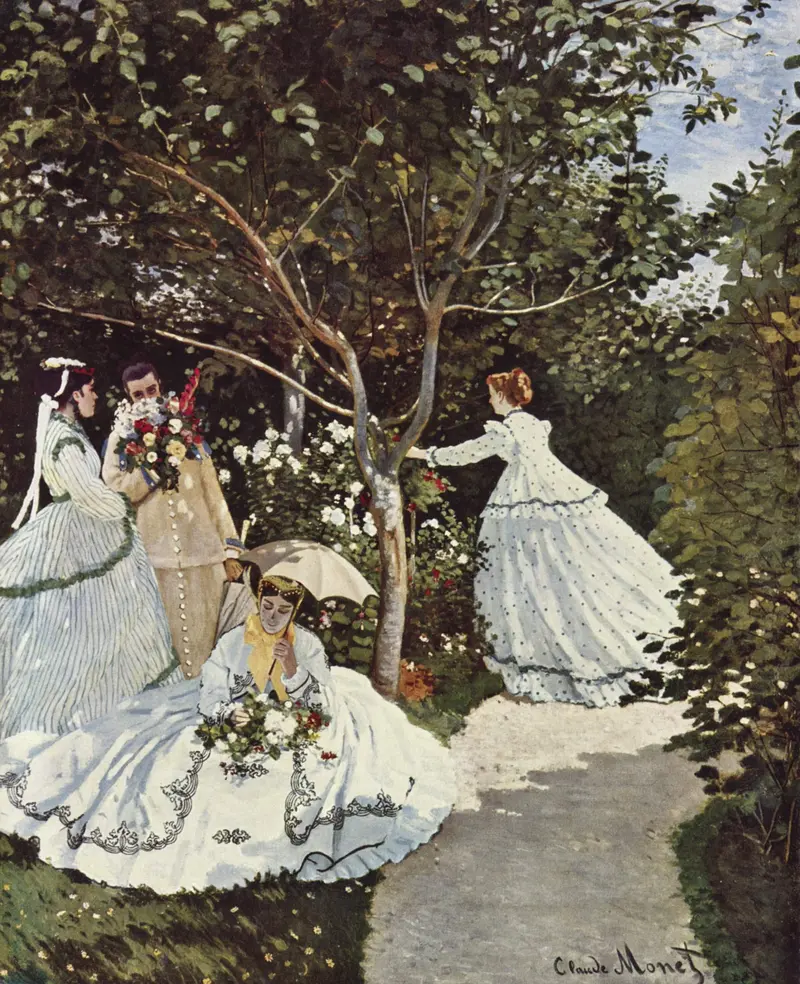
Women in the Garden
Claude Monet
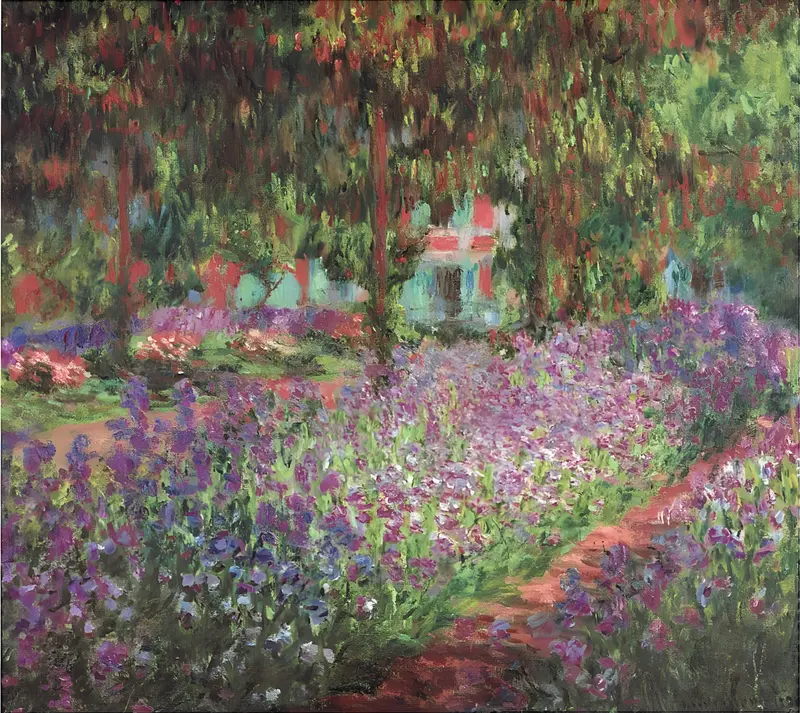
The Artist's Garden at Giverny
Claude Monet
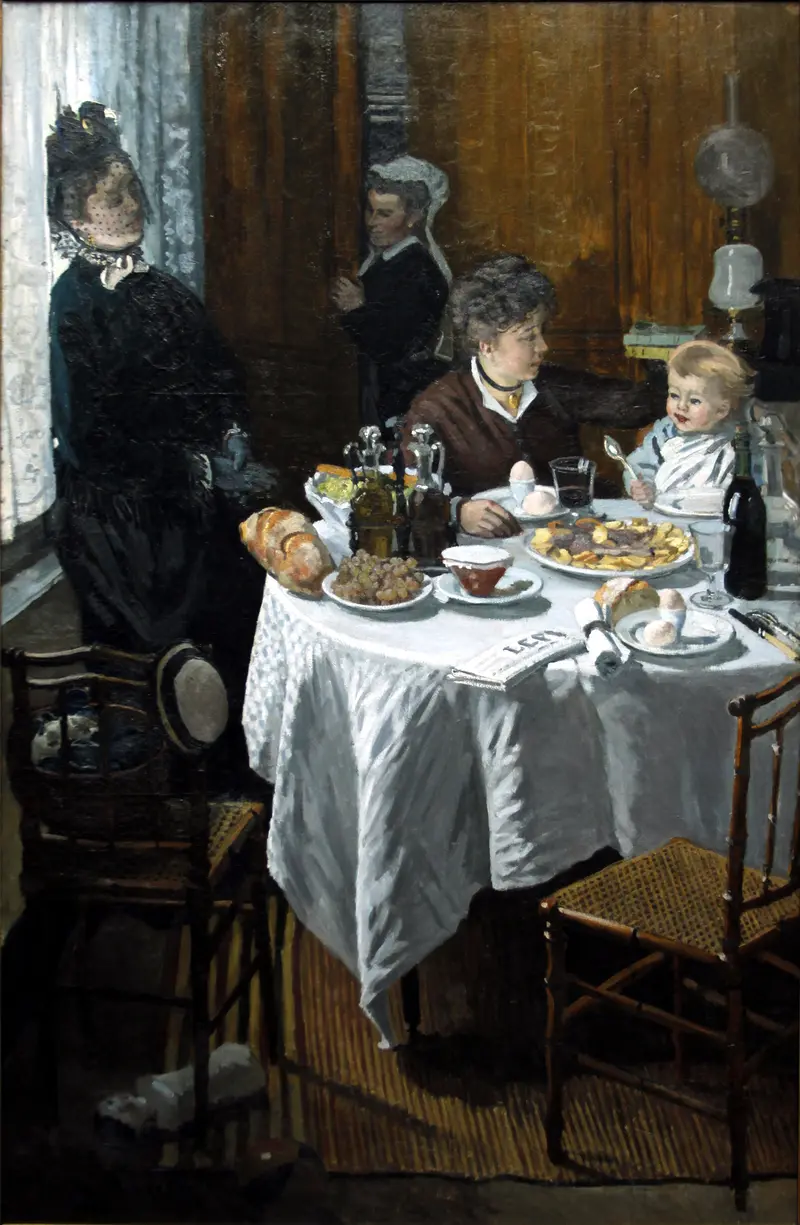
The Luncheon
Claude Monet
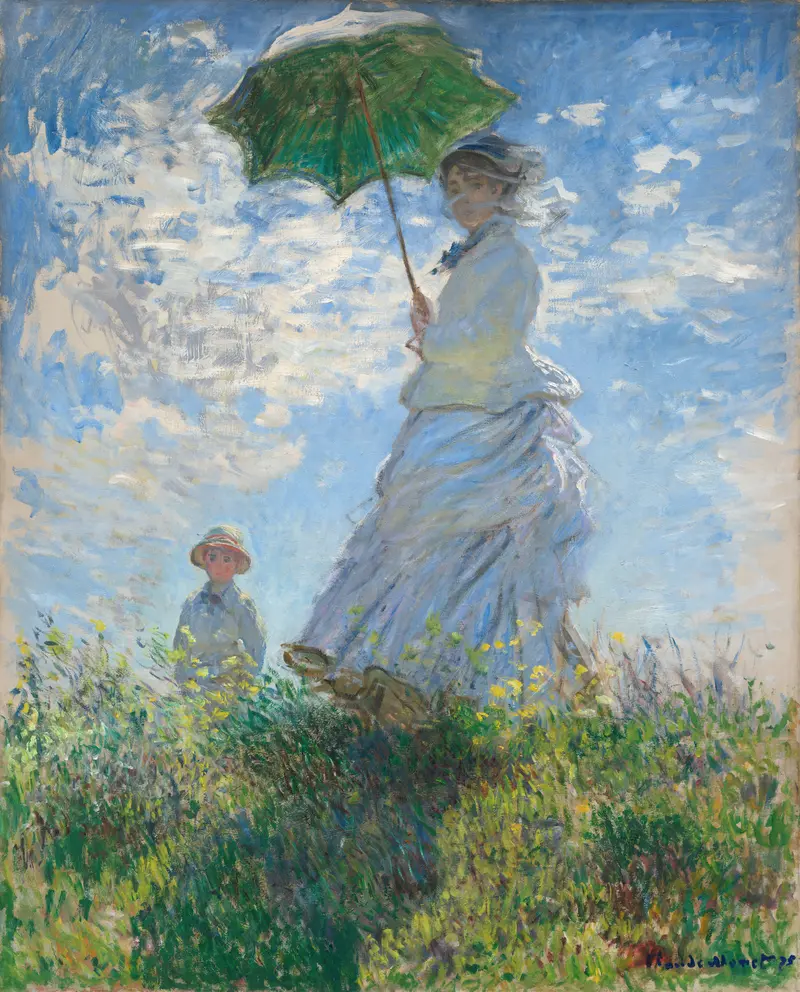
Woman with a Parasol – Madame Monet and Her Son
Claude Monet

The Gare Saint-Lazare
Claude Monet
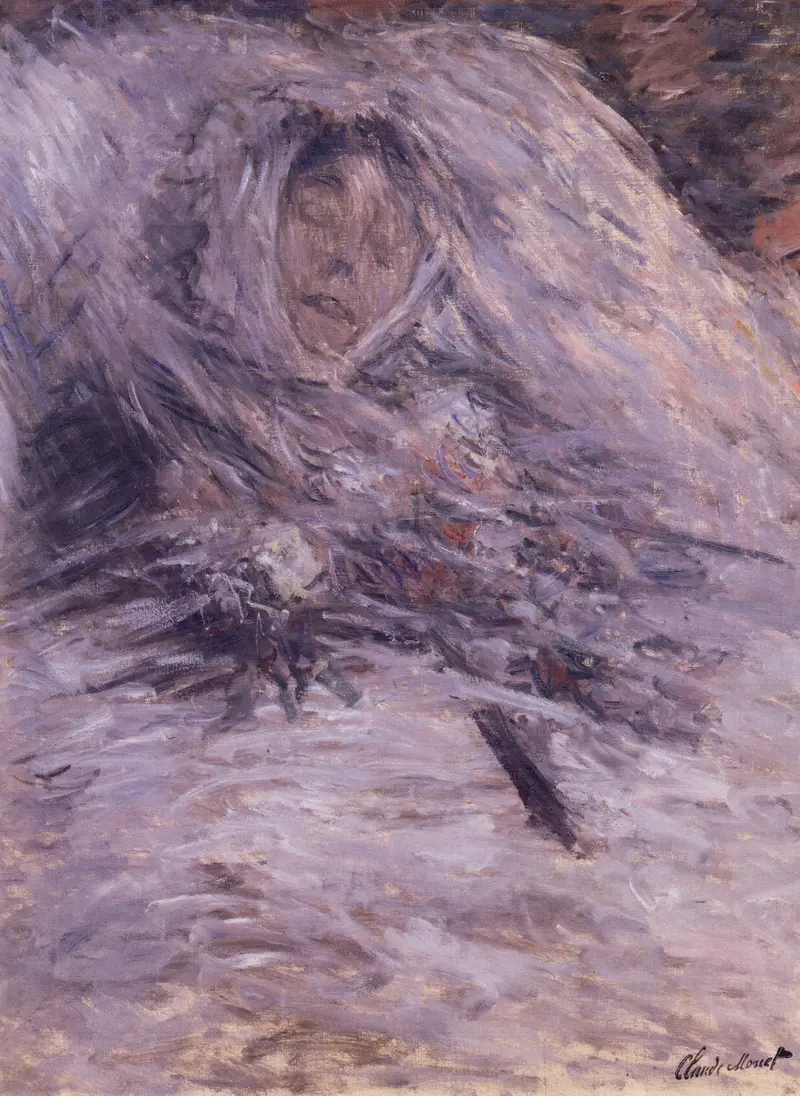
Camille Monet on Her Deathbed
Claude Monet
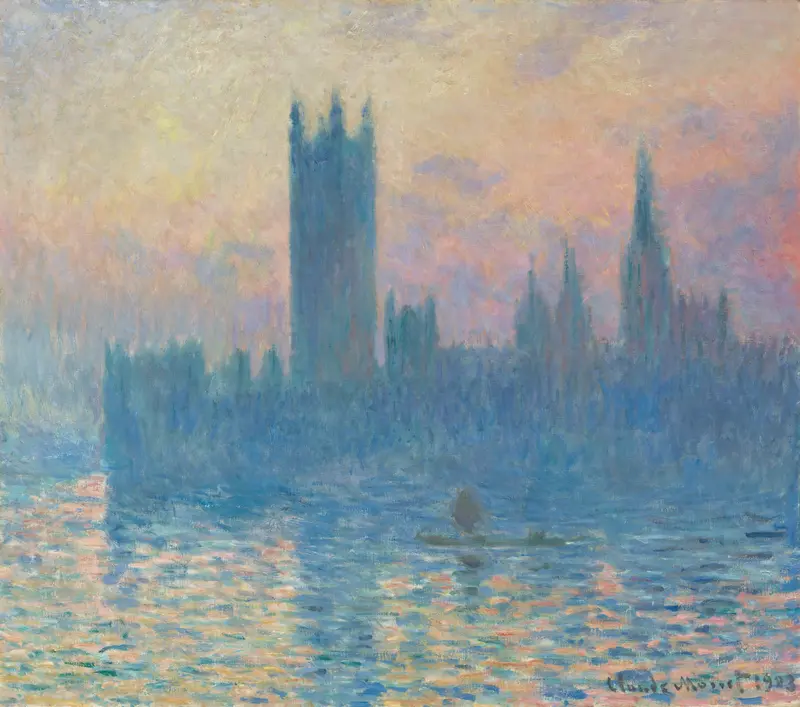
The Houses of Parliament, Sunset
Claude Monet
Impression, Sunrise
Claude Monet
More Landscape Art

The Starry Night
Vincent van Gogh

View of Delft
Johannes Vermeer

Water Lilies
Claude Monet

The Grand Canal, Venice, looking north-west from the Ca' Corner to the Ca' Contarini degli Scrigni, with the campanile of Santa Maria della Carità
Canaletto

Windsor Castle
Canaletto

The Grand Canal looking North-East from the Palazzo Dolfin-Manin to the Rialto Bridge
Canaletto