
The Cofton Road From The Gravel Pit — History & Facts
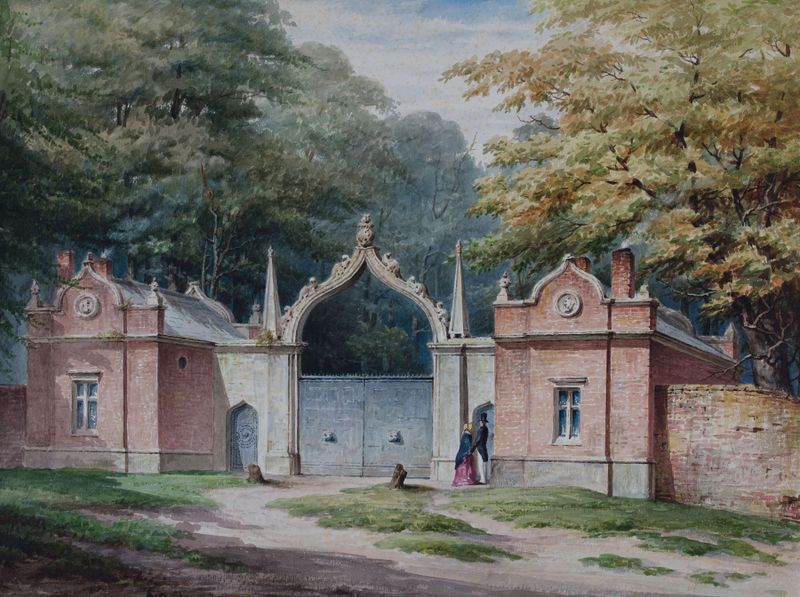
In the stillness of an English landscape, the viewer is invited to contemplate the depths of solitude, where the fleeting light meets the weight of absence. Look to the left at the path that meanders through the composition, its earthy tones reminiscent of the gravel pit that birthed this scene. The muted palette of greens and browns contrasts sharply with the azure sky, which stretches overhead like an expanse of unclaimed emotion. Notice how the light dances upon the textured foliage, illuminating a sense of quiet optimism in an otherwise solitary setting, while hints of shadow remind us of the underlying melancholy woven into the very fabric of the landscape. Within this serene panorama lies an intricate interplay of isolation and connection.
The solitary road, seemingly forgotten, suggests the journeys not taken and the voices long silenced. Each brushstroke evokes a nostalgia for moments lost to time, while the gentle slopes of the surrounding hills cradle the viewer's heart, whispering secrets of both longing and shelter. This duality captures the essence of loneliness, transforming it into a silent yet powerful narrative that resonates deeply. Created between 1850 and 1880, the artist painted this piece during a time when Romanticism was in full bloom, emphasizing the emotional and spiritual connection between humanity and nature.
Living in the English countryside, he was influenced by the burgeoning movement toward naturalism, seeking to capture the raw beauty and solitude of his surroundings as a reflection of the human experience, a poignant exploration of both the external world and the internal self.
More Artworks by Elijah Walton
Browse all →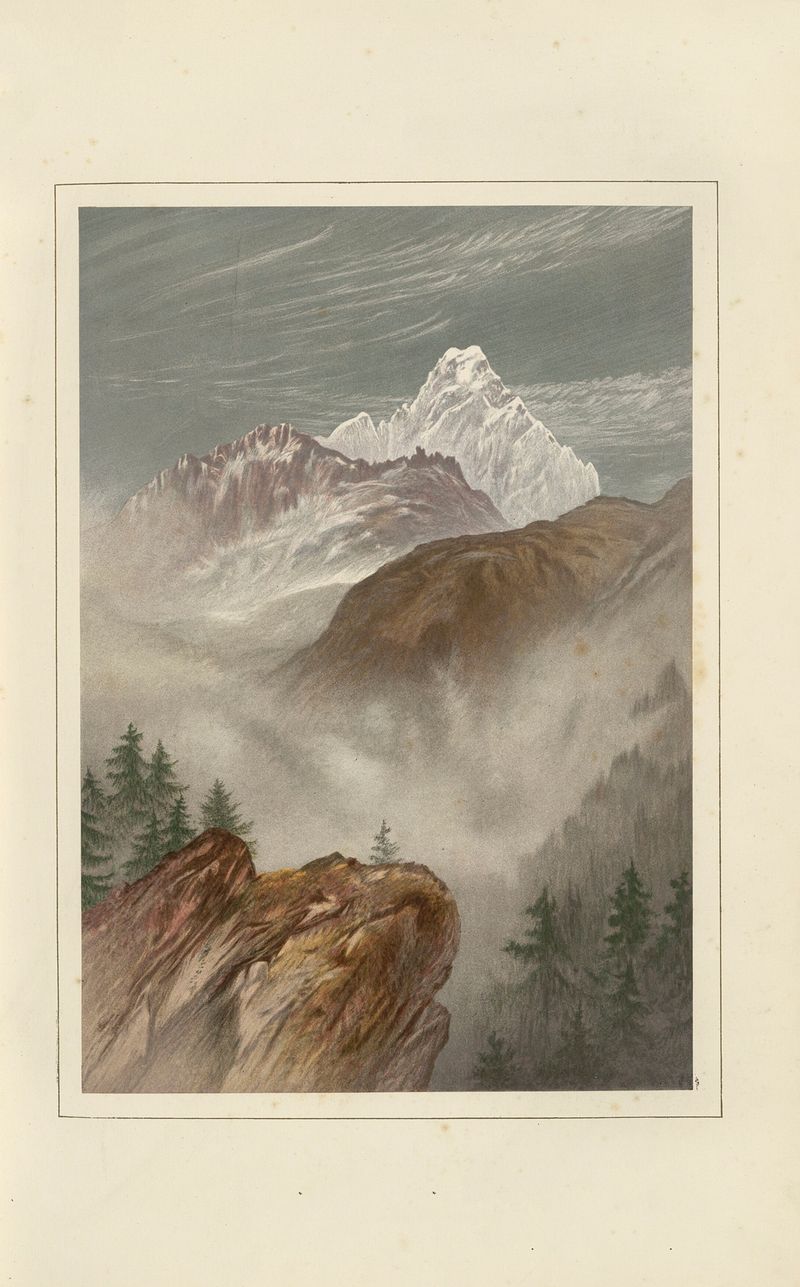
Monte Viso, from the south
Elijah Walton

The Matterhorn
Elijah Walton

The Gorner glacier
Elijah Walton

The Cascade de Roget and the Pointe de Salles
Elijah Walton
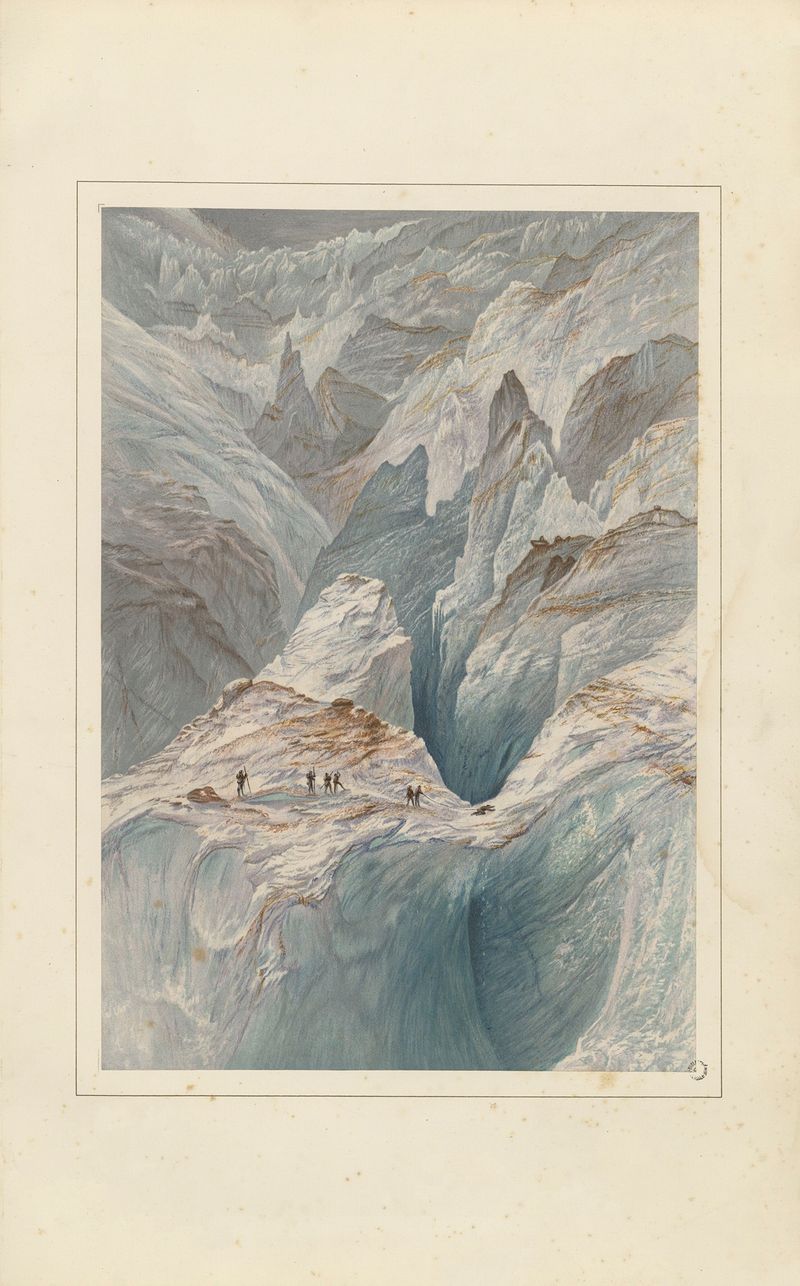
Crevasses on the Mer de Glace
Elijah Walton
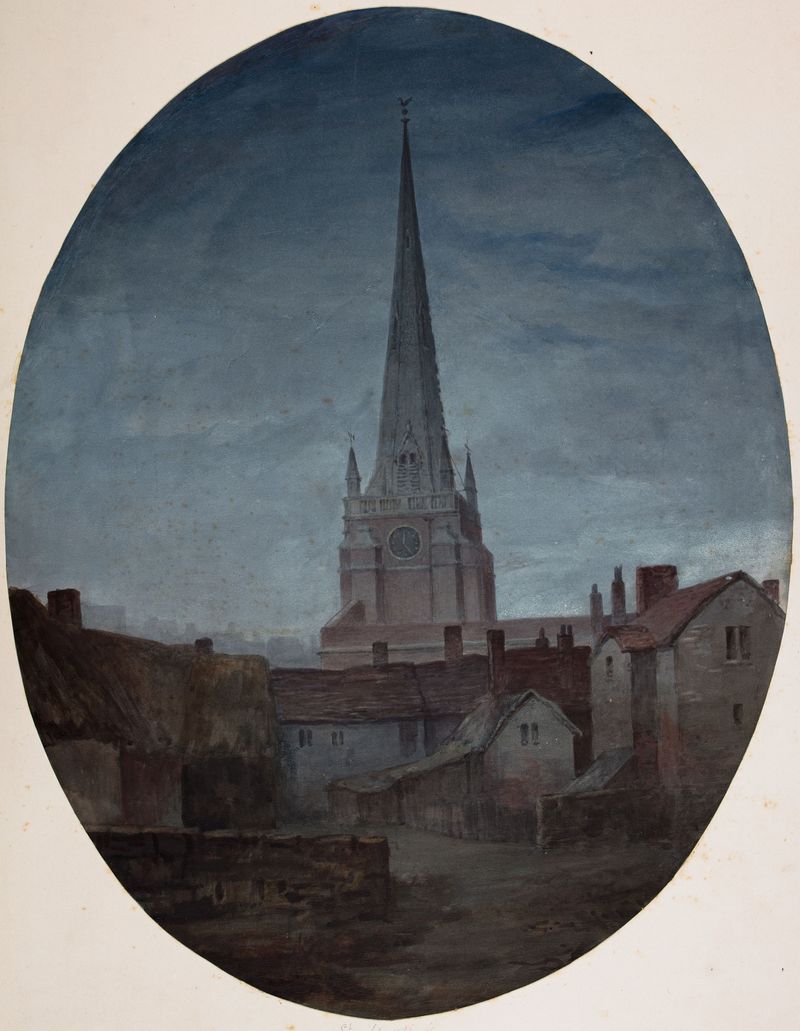
St Martin’s Church Birmingham, By Night
Elijah Walton

The Weisshorn, from near St. Niklaus
Elijah Walton

Monte Viso, from the Col de La Croix
Elijah Walton
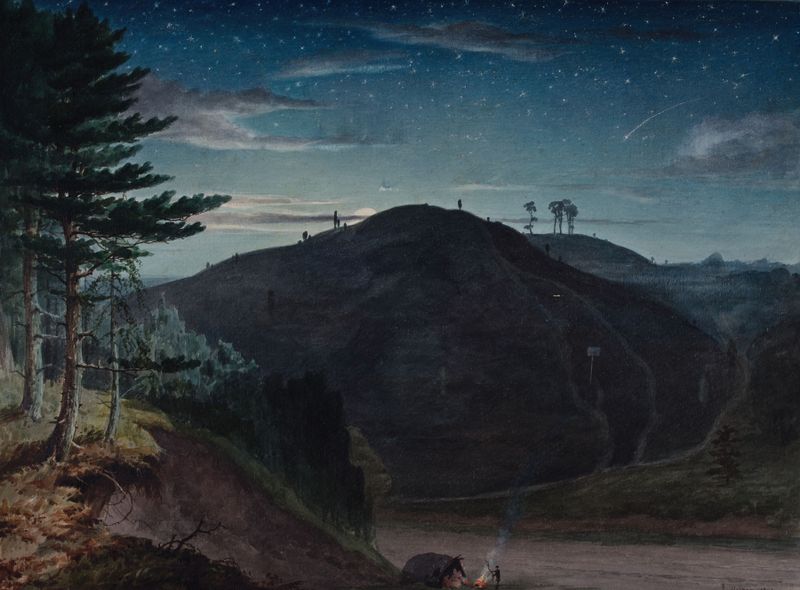
Cofton From Rednal, Moonlight
Elijah Walton
Lodge Gates, Entrance To Aston Hall
Elijah Walton





