
The Cottage Residence of the Governor — History & Facts
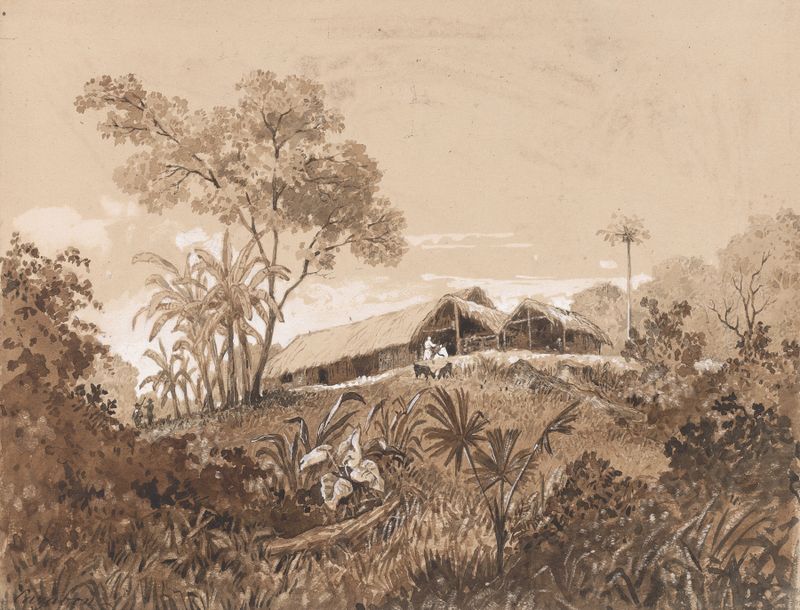
This sentiment echoes through the canvas, inviting us to step into the world of fleeting moments preserved in time. Memory shapes our perception, crafting a narrative that intertwines past and present, much like the essence captured in this artwork. Look to the left at the delicate interplay of light and shadow illuminating the cottage's weathered facade. Cazabon's meticulous attention to detail reveals not just a building, but a sanctuary that tells stories of governance and domestic life.
The lush greenery encircling the structure contrasts with the sturdy walls, suggesting a harmony between man and nature. Notice the warm earth tones that envelop the scene, creating a sense of nostalgia that beckons viewers to linger. Beneath the surface, contrasts emerge—between the solidity of the cottage and the ephemeral nature of the surrounding flora. The vibrant greens evoke life and growth, while the muted colors of the building symbolize stability amidst change.
This duality reflects the tension between the governor’s authority and the simplicity of rural existence, hinting at the complexities of leadership intertwined with local culture. Each brushstroke encapsulates not just a place, but the memory of an era, reinforcing the intimate connection between history and identity. In 1857, while living in Trinidad, Cazabon painted this work during a time of socio-political change in the Caribbean. As a prominent figure in the local art scene, he sought to elevate the representation of Caribbean landscapes and life, creating pieces that celebrated his heritage.
His work during this period laid the groundwork for future generations of artists, blending personal memory with larger narratives of culture and community.
More Artworks by Michel Jean Cazabon
Browse all →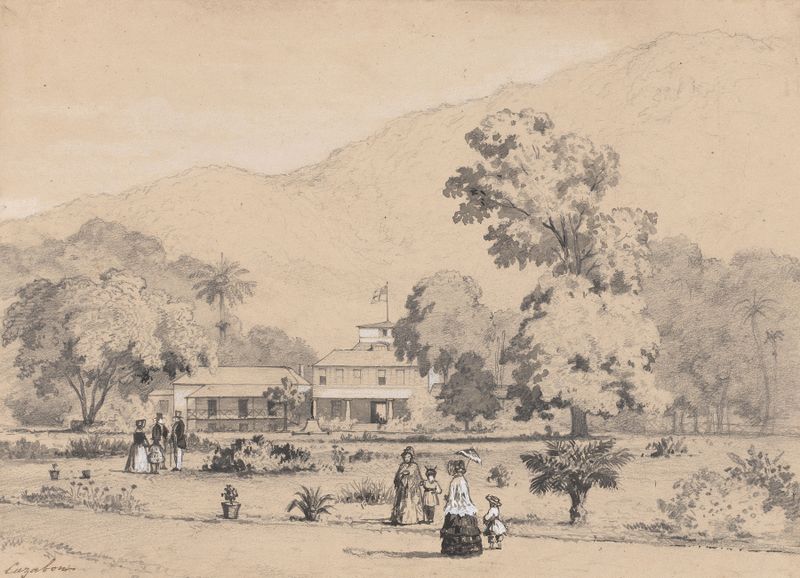
Governor’s Residence St. Ann’s
Michel Jean Cazabon

The Road to Pitch Lake
Michel Jean Cazabon
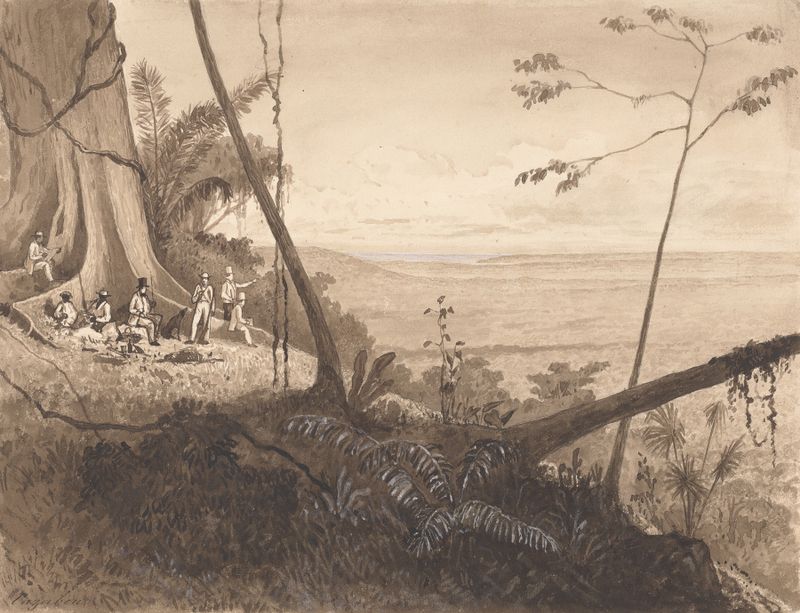
Cedar Point, Tamana
Michel Jean Cazabon

Maraccas Waterfall
Michel Jean Cazabon
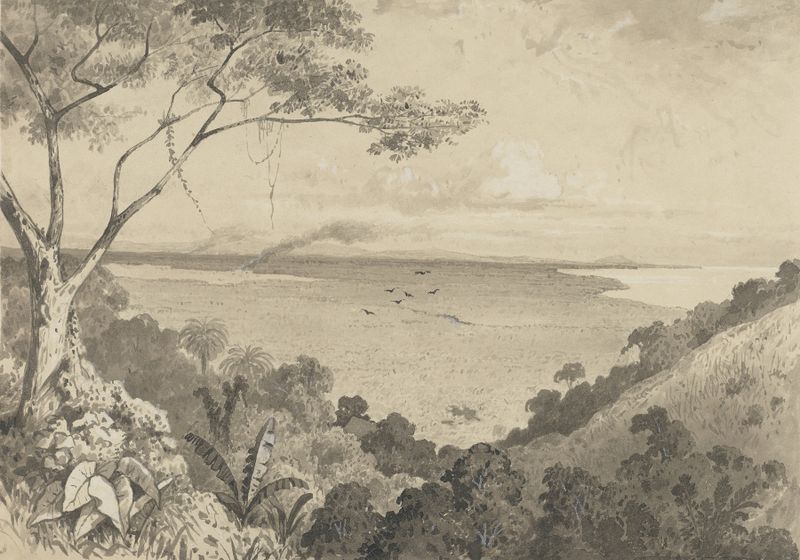
View from Laventille Hill
Michel Jean Cazabon

Garden Estate, Arouca
Michel Jean Cazabon

Bamboos St. Ann
Michel Jean Cazabon
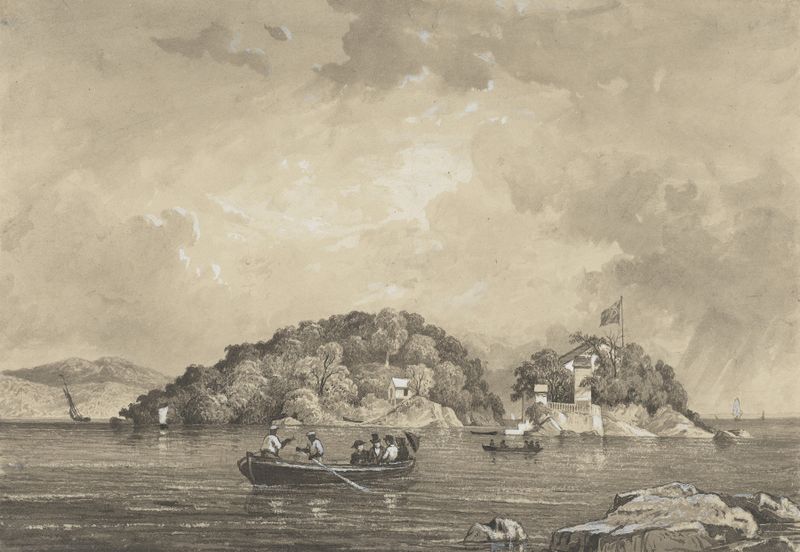
Caledonia and Craig Islands
Michel Jean Cazabon

St. Ann’s Waterfall
Michel Jean Cazabon
Cottage at Tamana
Michel Jean Cazabon
More Architecture Art
Browse all →
The statue of Liberty
Frédéric Auguste Bartholdi

View of Houses in Delft, Known as ‘The Little Street’
Johannes Vermeer

View of Houses in Delft, Known as ‘The Little Street’
Johannes Vermeer

The Cathedral in Rouen. The portal, Grey Weather
Claude Monet

The yellow house
Vincent van Gogh

The Church in Auvers-sur-Oise, View from the Chevet
Vincent van Gogh