
The Dancer's Reward (Salome) — History & Facts
What grips the eye first in The Dancer's Reward is the chilling calm with which the central figure—her face framed by a halo of curls and a cascade of jewelry—presents a severed head on a platter. The starkness of black against white, the deliberate economy of line, and the almost theatrical pose all combine to freeze the viewer in a moment of both beauty and horror. The woman’s hand, delicately clutching a lock of hair, is at once possessive and indifferent, while the inky blackness that drips from the platter down the pedestal suggests both blood and an inescapable shadow.
Every detail, from the stylized floral motifs on her robe to the exaggerated length of her fingers, serves to heighten the sense of ritual and spectacle, drawing the viewer into a world where elegance and violence are inseparable. Created in 1894, this work belongs to the fevered twilight of the nineteenth century, when artists like Aubrey Beardsley reveled in the decadent and the forbidden. The period’s fascination with biblical and mythic femmes fatales—figures like Salome, who demanded the head of John the Baptist—found its sharpest expression in images such as this. Beardsley’s style, with its sinuous lines and bold contrasts, was a hallmark of the Art Nouveau movement, which sought to merge fine art with the decorative.
Though little is recorded about the specific journey of this drawing, its very existence testifies to an era obsessed with the interplay of beauty and danger, and with the power of images to unsettle as much as to delight. The longer one looks, the more the image seems to pulse with secrets.
More Artworks by Aubrey Beardsley

The Dream
Aubrey Beardsley
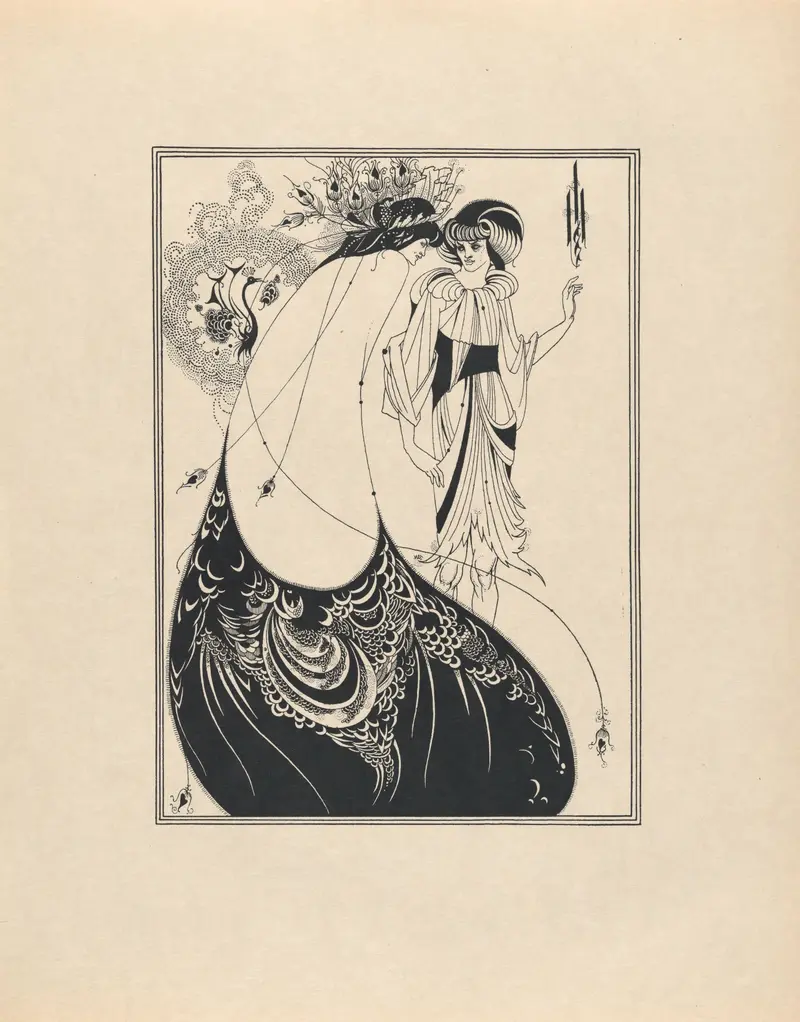
The Peacock Skirt
Aubrey Beardsley
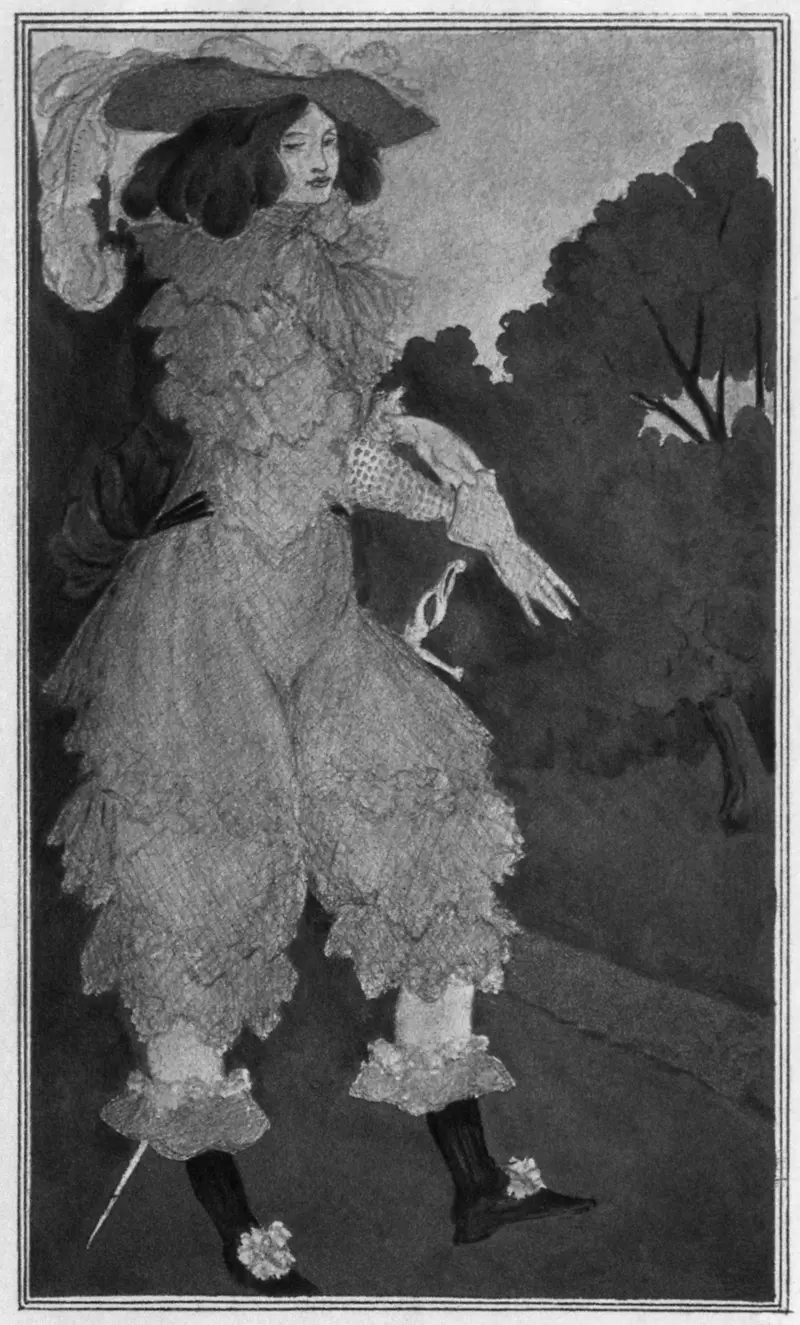
Mademoiselle de Maupin
Aubrey Beardsley
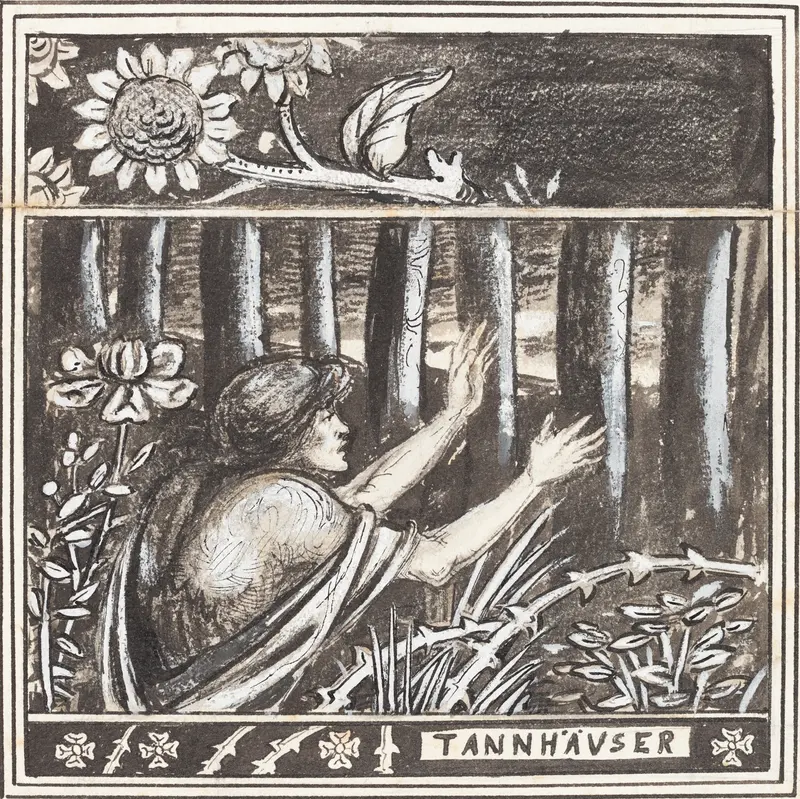
Tannhäuser
Aubrey Beardsley
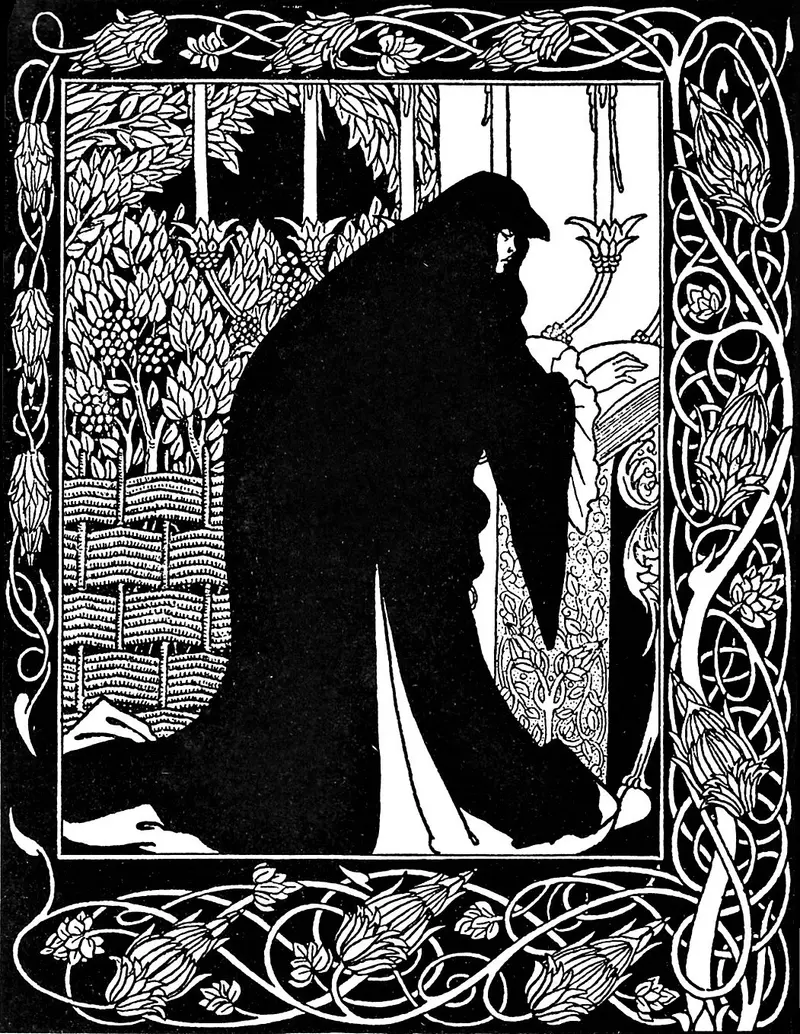
Queen Guenever, a Nun at Almesbury (Le Morte d'Arthur)
Aubrey Beardsley
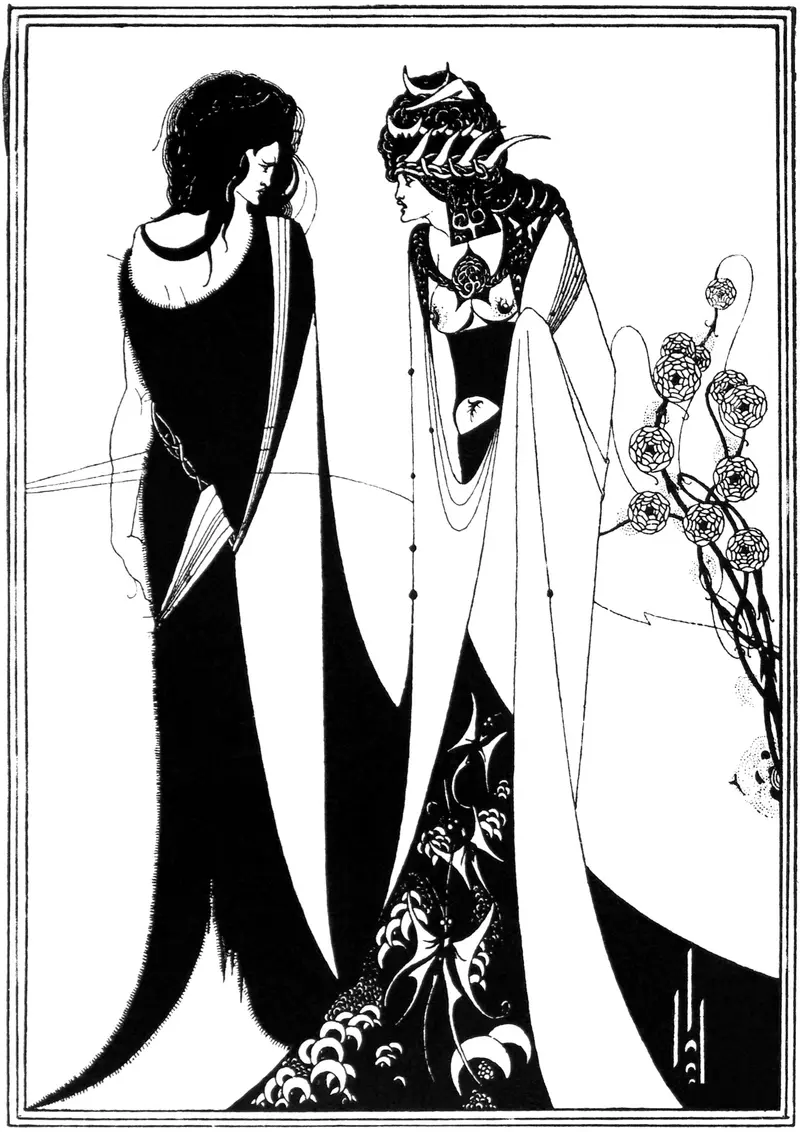
John and Salome
Aubrey Beardsley
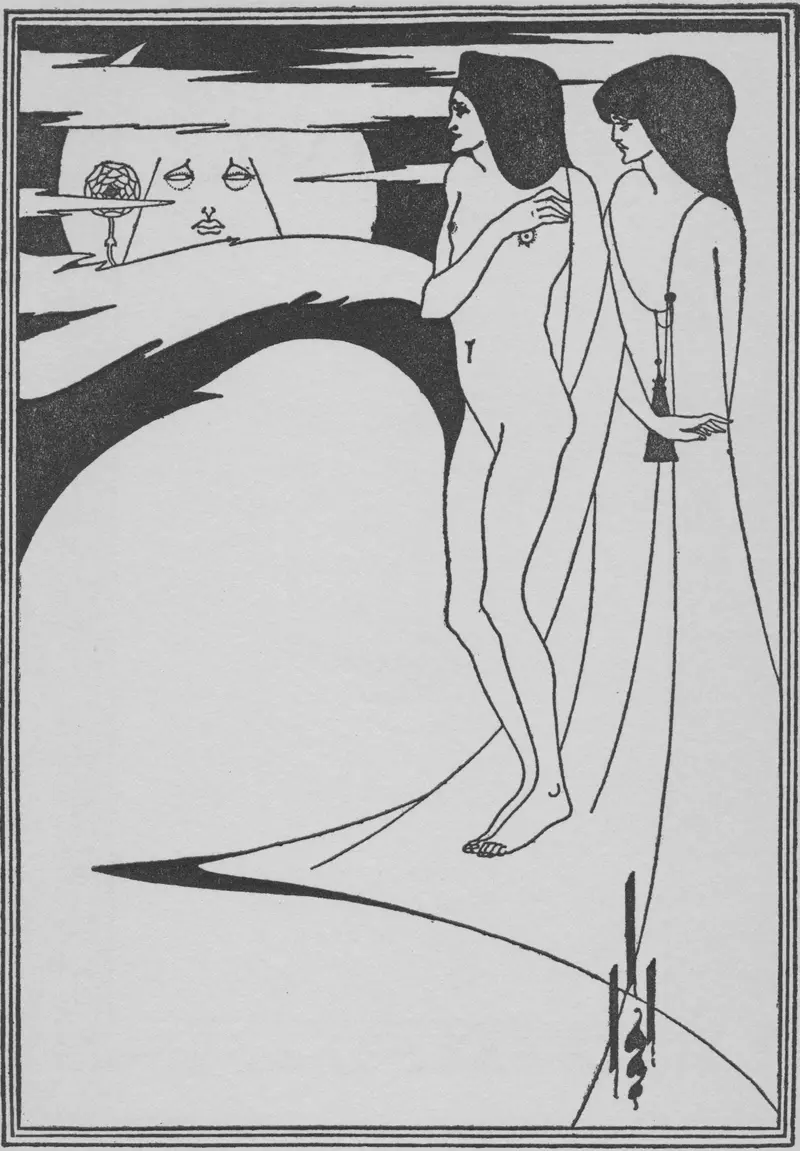
The Woman in the Moon (Salome)
Aubrey Beardsley
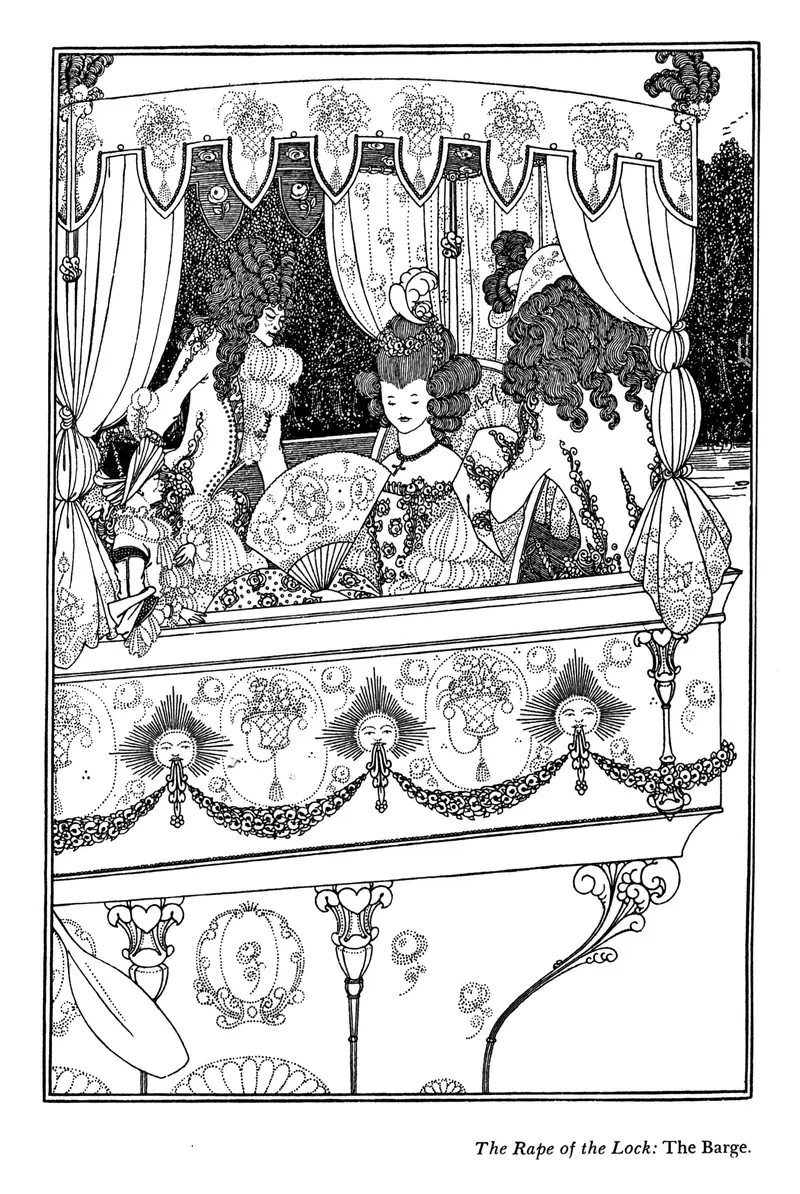
The Barge (The Rape of the Lock)
Aubrey Beardsley
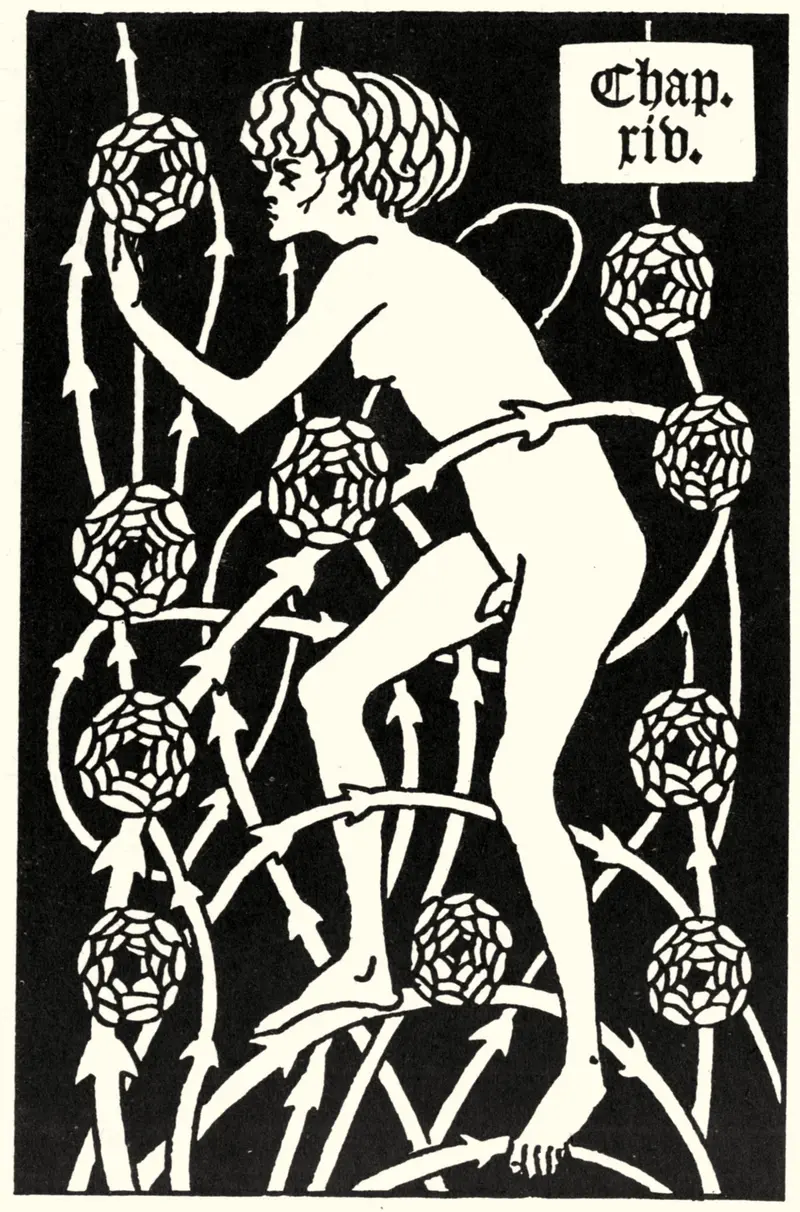
Hermaphroditus (Le Morte d'Arthur)
Aubrey Beardsley
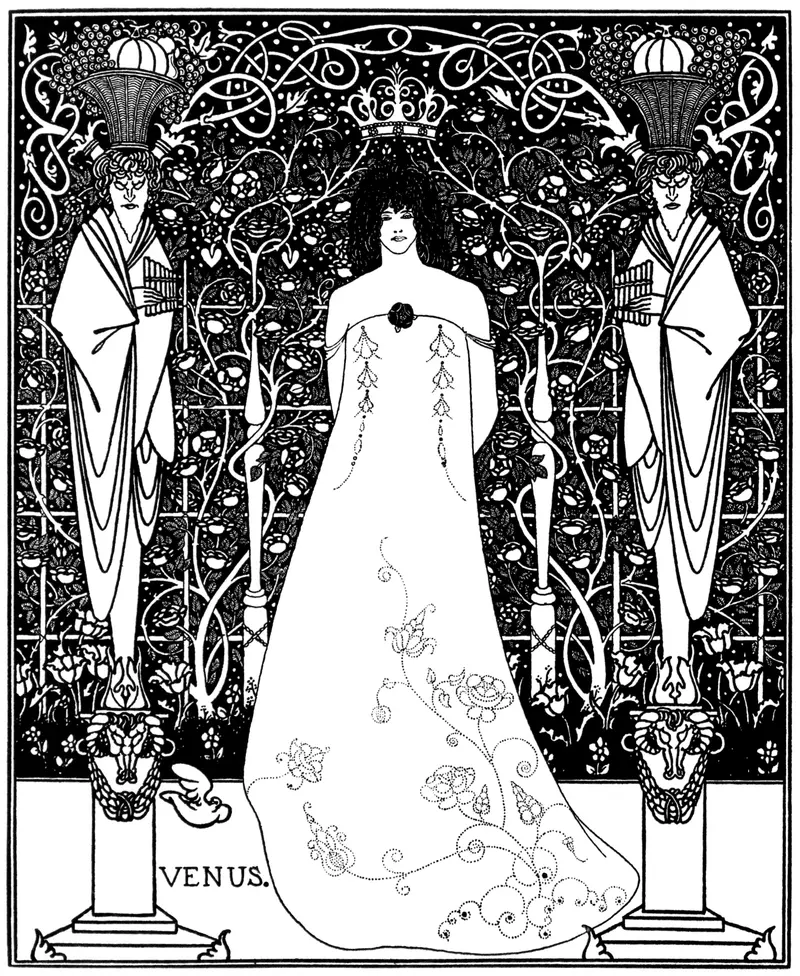
Venus Between Terminal Gods
Aubrey Beardsley



