
Queen Guenever, a Nun at Almesbury (Le Morte d'Arthur) — History & Facts
What first seizes the eye in Queen Guenever, a Nun at Almesbury is the sheer drama of contrast: a figure swathed in black, her form almost devouring the space, set against a riot of intricate, pale foliage and a border that writhes with stylized blooms. The woman’s face, pale and sharply defined, emerges like a secret from the shadow, her gaze fixed on something beyond the edge of the picture. The sweep of her cloak is not just fabric, but a visual hush that silences the ornate world around her.
Each line and flourish in the border seems to press inward, as if the natural world itself is closing around this moment of retreat and reckoning. Created in 1893 for J. M. Dent & Co.’s edition of Le Morte d'Arthur, this illustration by Aubrey Beardsley belongs to the feverish, decorative world of late nineteenth-century book art.
The Arts and Crafts movement had revived interest in medieval romance, and Beardsley’s work, with its sinuous lines and bold silhouettes, became a touchstone for the era’s taste for the mysterious and the decadent. Few facts survive about the journey of this particular drawing, but its place in the 1890s is unmistakable: a time when artists looked to the past for stories of loss and transformation, and publishers competed to produce books as beautiful as any painting. The image invites you to linger, to follow the lines of the border and the folds of the cloak, and to wonder what silence, or what confession, lies just beyond the page.
More Artworks by Aubrey Beardsley

The Dream
Aubrey Beardsley
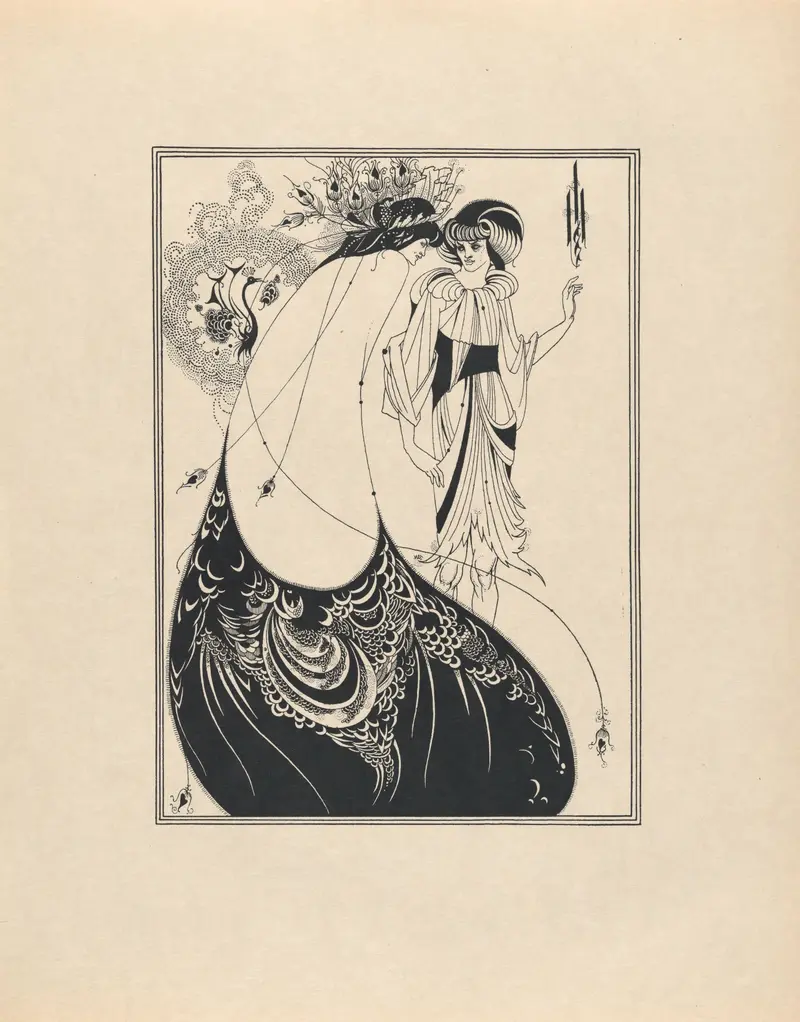
The Peacock Skirt
Aubrey Beardsley
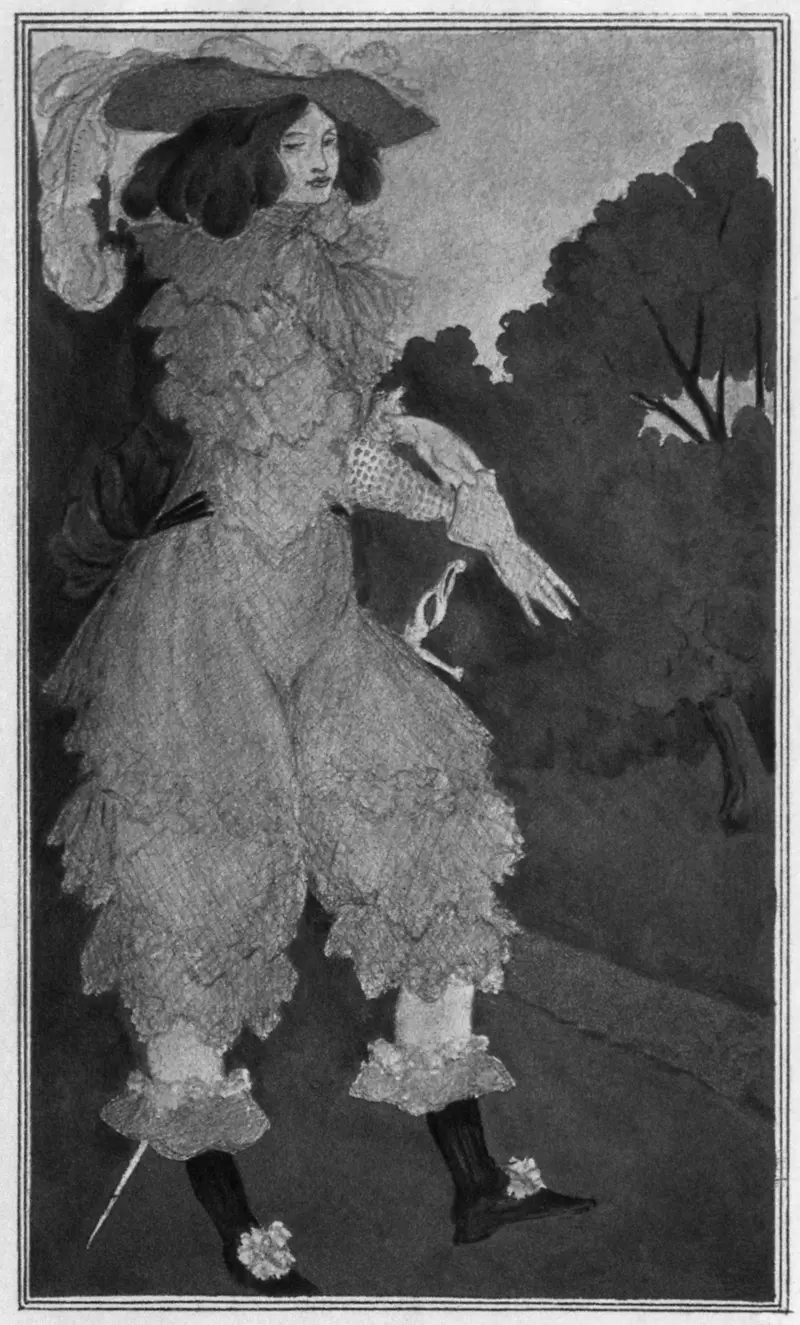
Mademoiselle de Maupin
Aubrey Beardsley
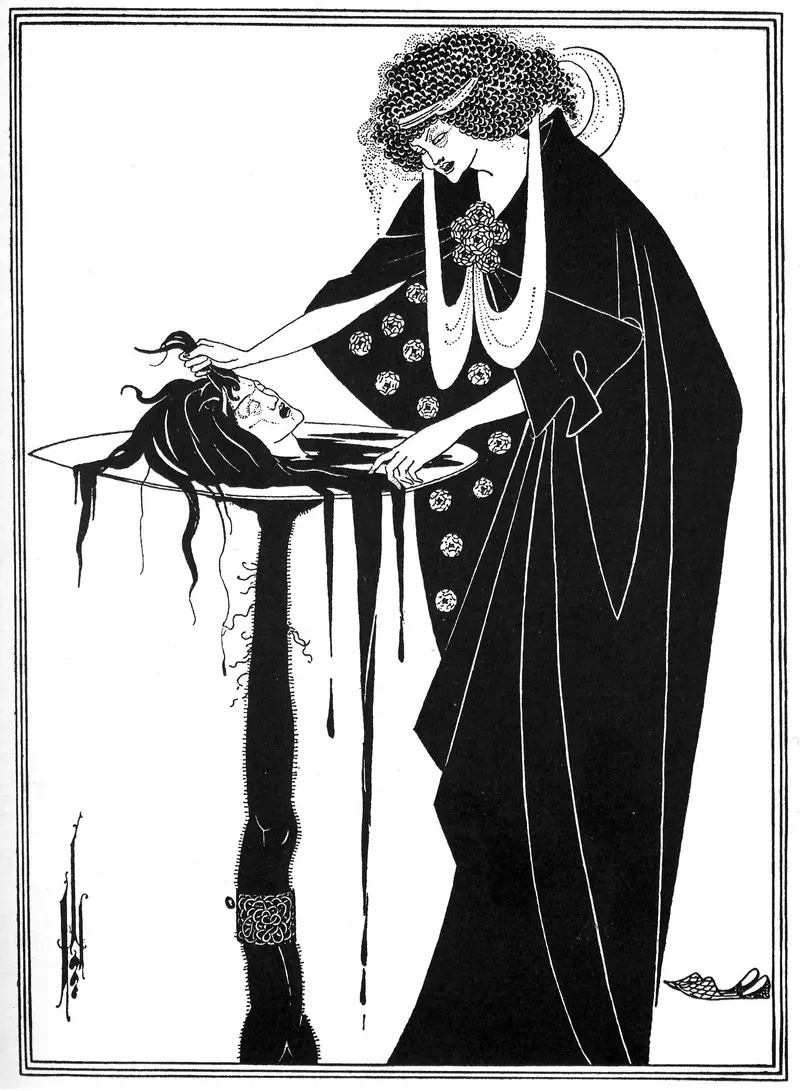
The Dancer's Reward (Salome)
Aubrey Beardsley
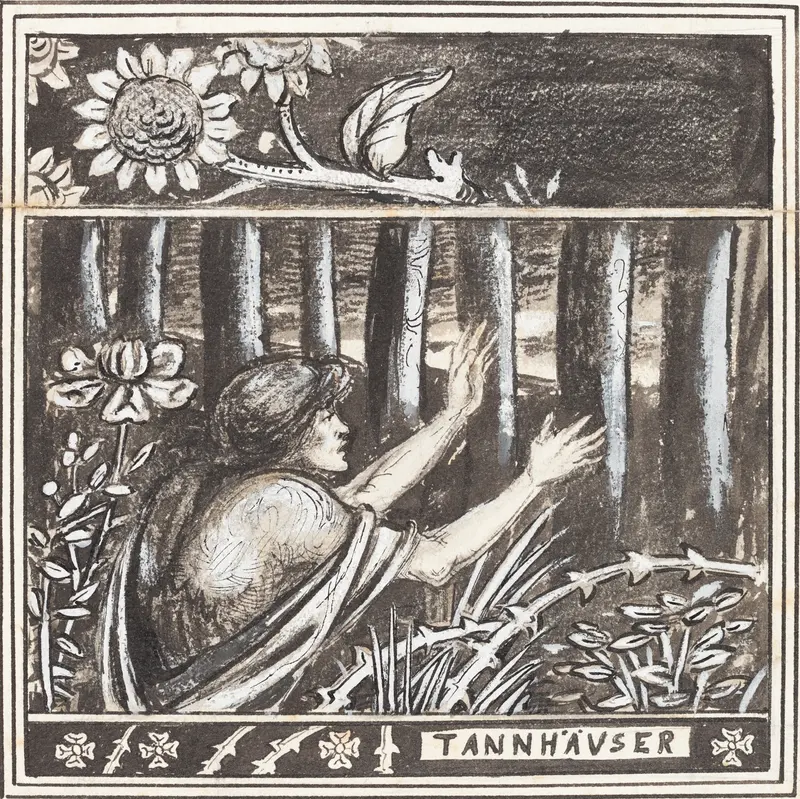
Tannhäuser
Aubrey Beardsley
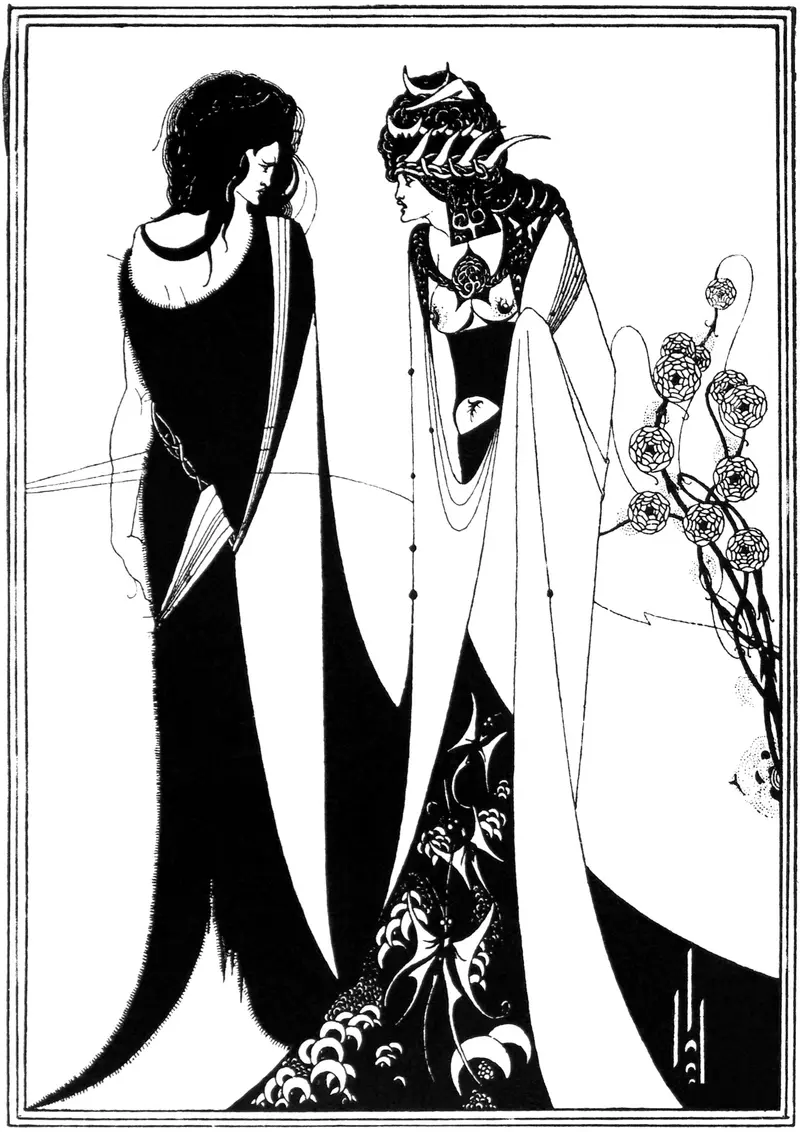
John and Salome
Aubrey Beardsley
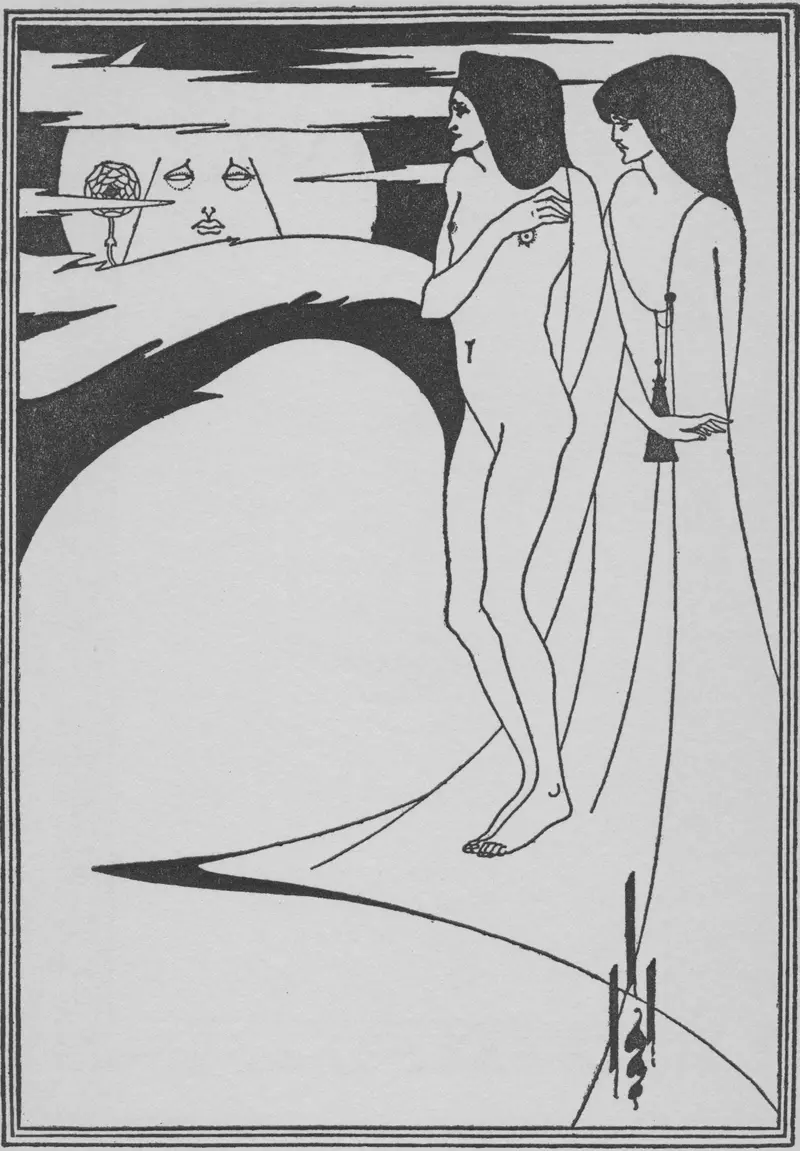
The Woman in the Moon (Salome)
Aubrey Beardsley
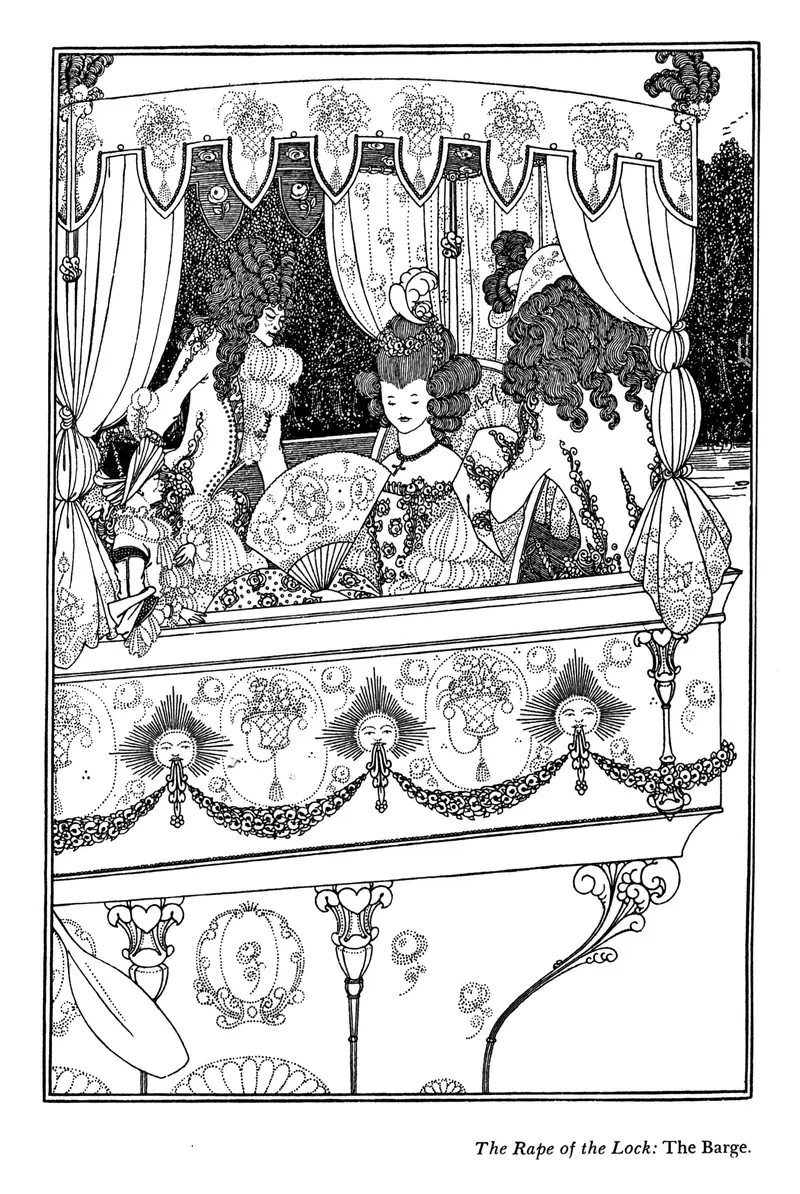
The Barge (The Rape of the Lock)
Aubrey Beardsley
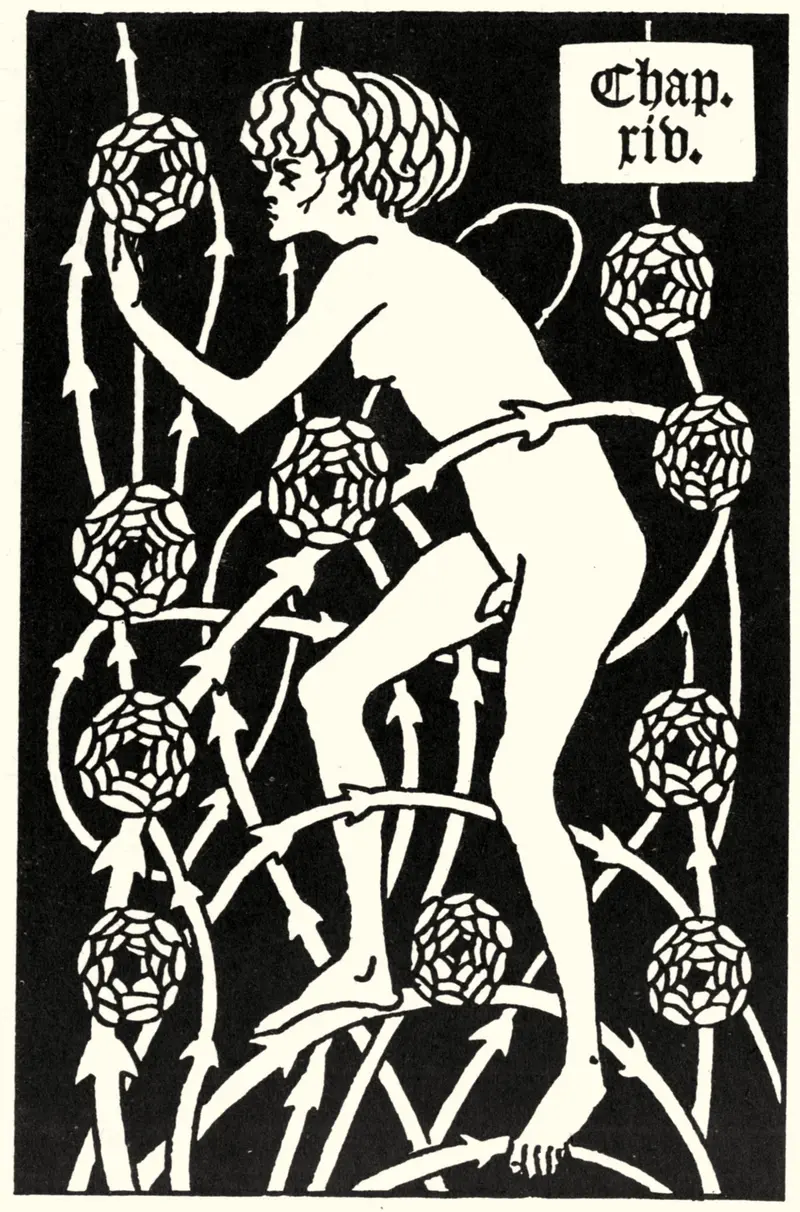
Hermaphroditus (Le Morte d'Arthur)
Aubrey Beardsley
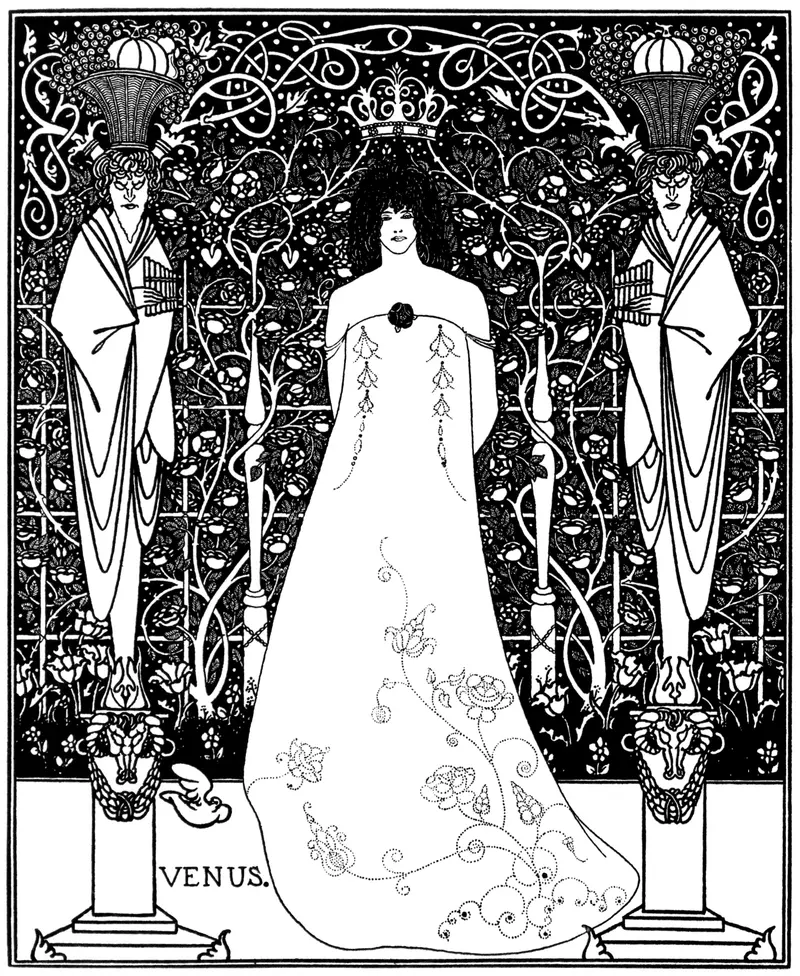
Venus Between Terminal Gods
Aubrey Beardsley





