
The Barge (The Rape of the Lock) — History & Facts
What first arrests the eye in The Barge (The Rape of the Lock) is the sheer theatricality of the scene: a floating stage draped with curtains, peopled by figures who seem as much actors as aristocrats. The central woman, serene and self-possessed, becomes the axis around which the ornate world of fans, curls, and pearls revolves. Every line is deliberate; the elaborate coiffures and patterned gowns are not mere decoration but a kind of visual music, echoing the artificiality and wit of Alexander Pope’s poem from which the scene draws its name.
The faces are masks, the gestures poised, and the barge itself a vessel of spectacle, carrying its precious cargo through a world of artifice. Created in 1896, this work belongs to a moment when artists like Aubrey Beardsley were reshaping the language of illustration. The late nineteenth century was a period of restless experimentation in the book arts, with publishers and private collectors clamoring for editions that transformed poetry into visual feasts. Beardsley’s style—marked by sinuous lines, decadent detail, and sly humor—became a hallmark of the era’s fascination with beauty and irony.
While little is recorded about the specific journey of this drawing, now in the Robin Davis collection, its very existence speaks to a time when illustration was both a fashionable pursuit and a battleground for new ideas about art. The longer you look, the more the image reveals its secrets, inviting you to linger in its world of ornament and intrigue.
More Artworks by Aubrey Beardsley

The Dream
Aubrey Beardsley
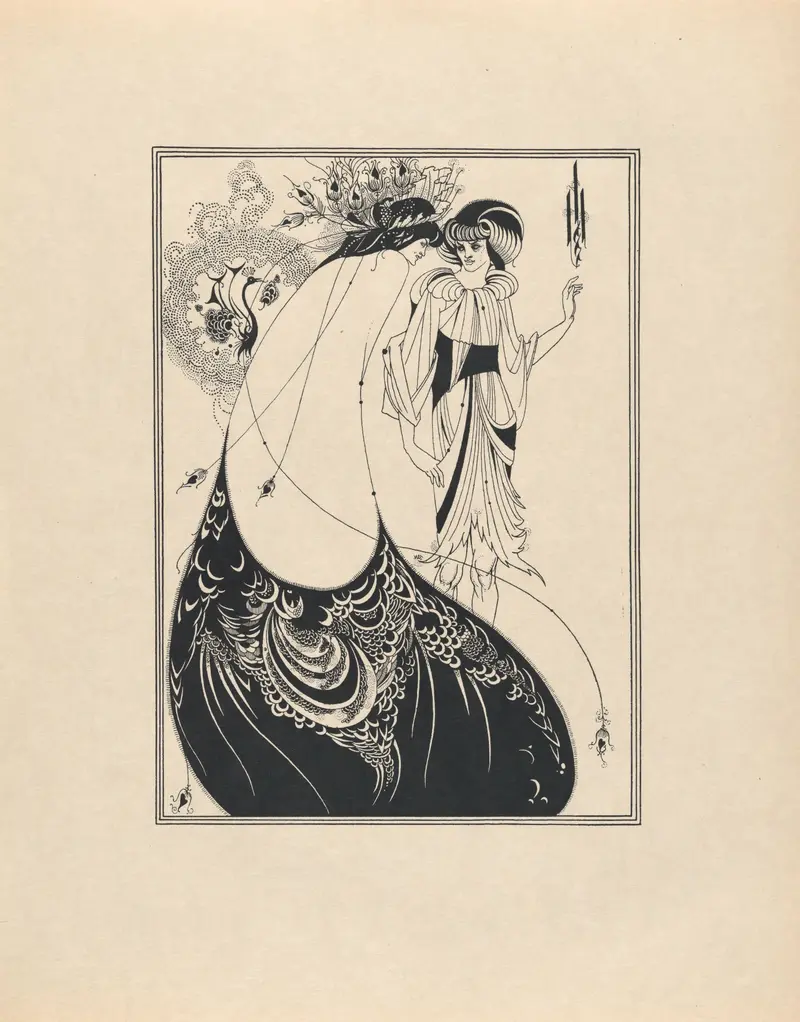
The Peacock Skirt
Aubrey Beardsley
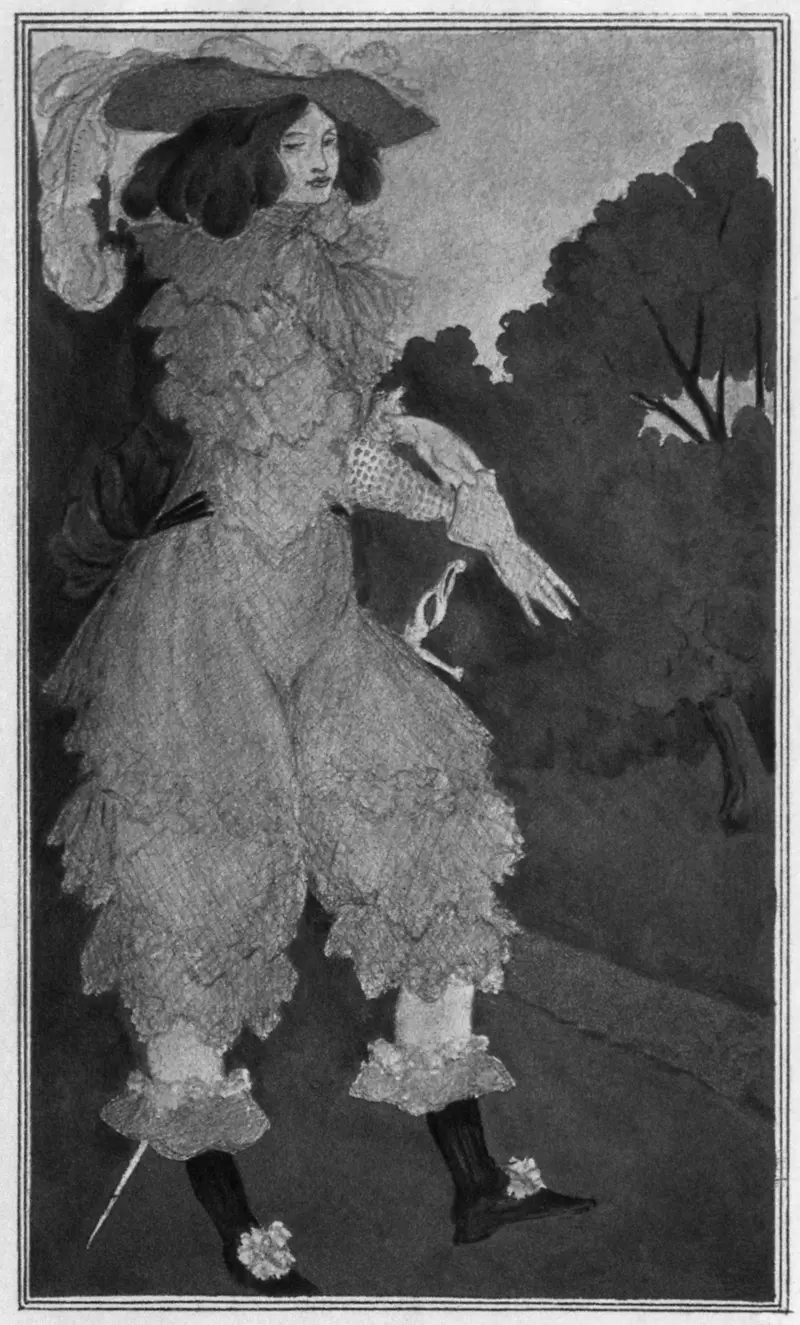
Mademoiselle de Maupin
Aubrey Beardsley
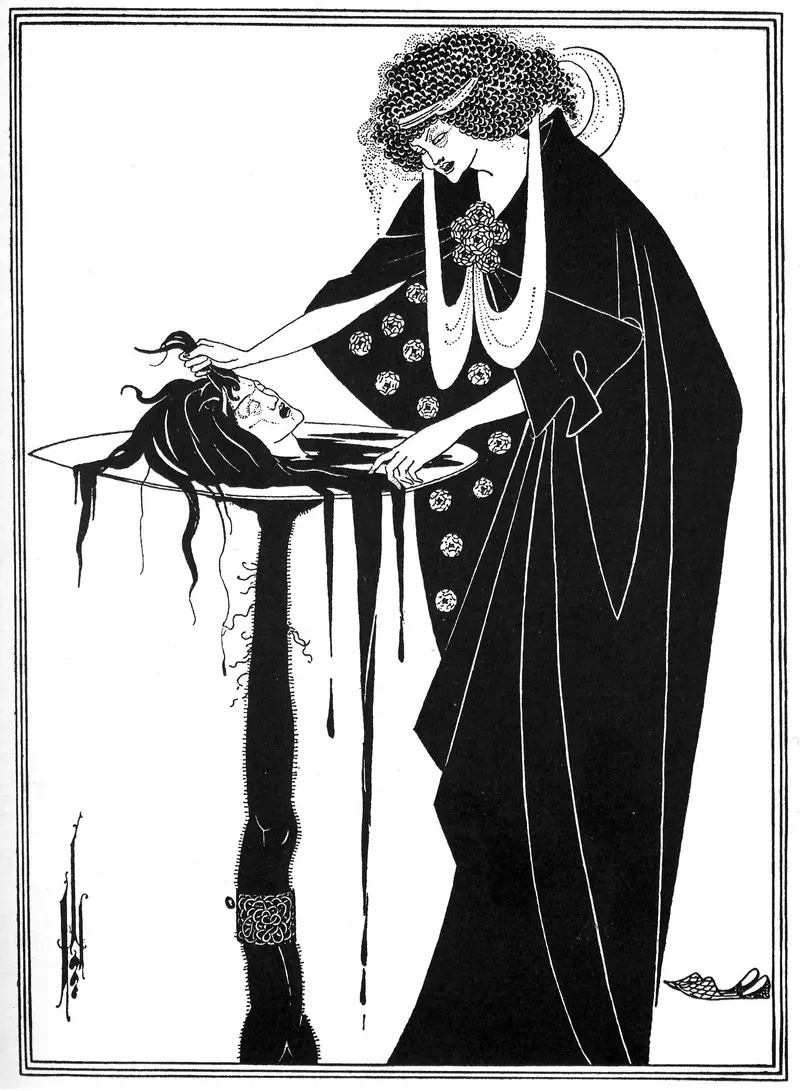
The Dancer's Reward (Salome)
Aubrey Beardsley
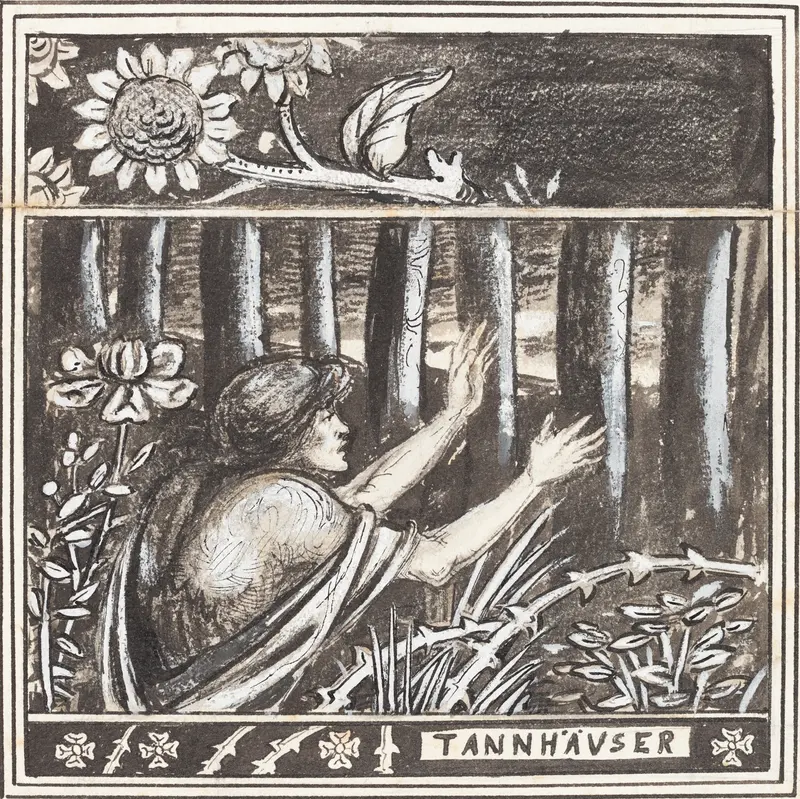
Tannhäuser
Aubrey Beardsley
Queen Guenever, a Nun at Almesbury (Le Morte d'Arthur)
Aubrey Beardsley
John and Salome
Aubrey Beardsley
The Woman in the Moon (Salome)
Aubrey Beardsley
Hermaphroditus (Le Morte d'Arthur)
Aubrey Beardsley
Venus Between Terminal Gods
Aubrey Beardsley





