
The Dead Christ Supported by an Angel — History & Facts
What first grips the viewer in The Dead Christ Supported by an Angel is the piercing intimacy of grief: the angel’s face, so close to the lifeless Christ, is not the mask of serene acceptance often found in religious art, but a childlike expression of sorrow, almost hesitant to bear the weight of the moment. The technical bravura is unmistakable in the minute rendering of Christ’s tangled hair and the angel’s delicate feathers, each strand and plume painted with a northern precision. Yet, the anatomy of Christ’s body—broad, weighty, and monumental—anchors the scene in the southern tradition, giving the figure a physical presence that feels both vulnerable and unyielding.
The wound in Christ’s side bleeds down in a stark, unbroken line, a detail that draws the eye and refuses to let it wander, while the distant city and lush landscape behind them set the drama within a world that continues, indifferent and green. Painted between 1475 and 1476, this work stands at the crossroads of two great traditions: the careful, almost calligraphic attention to surface detail from the north, and the Italian fascination with volume, perspective, and human flesh. In the late fifteenth century, such devotional images were often commissioned for private contemplation, inviting the viewer to meditate on Christ’s suffering and the promise of redemption. Antonello da Messina was celebrated for fusing these approaches, and here the effect is immediate—the angel’s hand, gently supporting Christ, becomes a bridge between the viewer’s world and the divine.
The painting now resides in the Museo del Prado’s online gallery, a testament to a moment when artists across Europe were experimenting, borrowing, and inventing new ways to make the sacred achingly real. Let your gaze linger on the angel’s eyes, and consider how much can be said without a single word.
More Artworks by Antonello da Messina

San Cassiano Altarpiece
Antonello da Messina

Pietà
Antonello da Messina
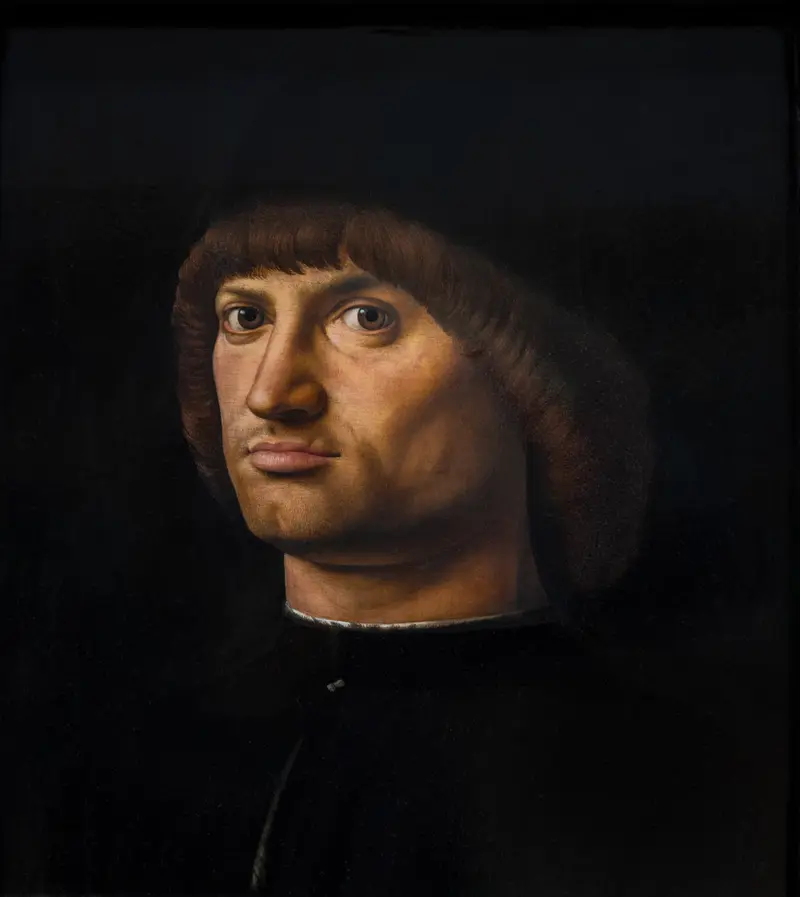
Portrait of a Man, called condottiere
Antonello da Messina
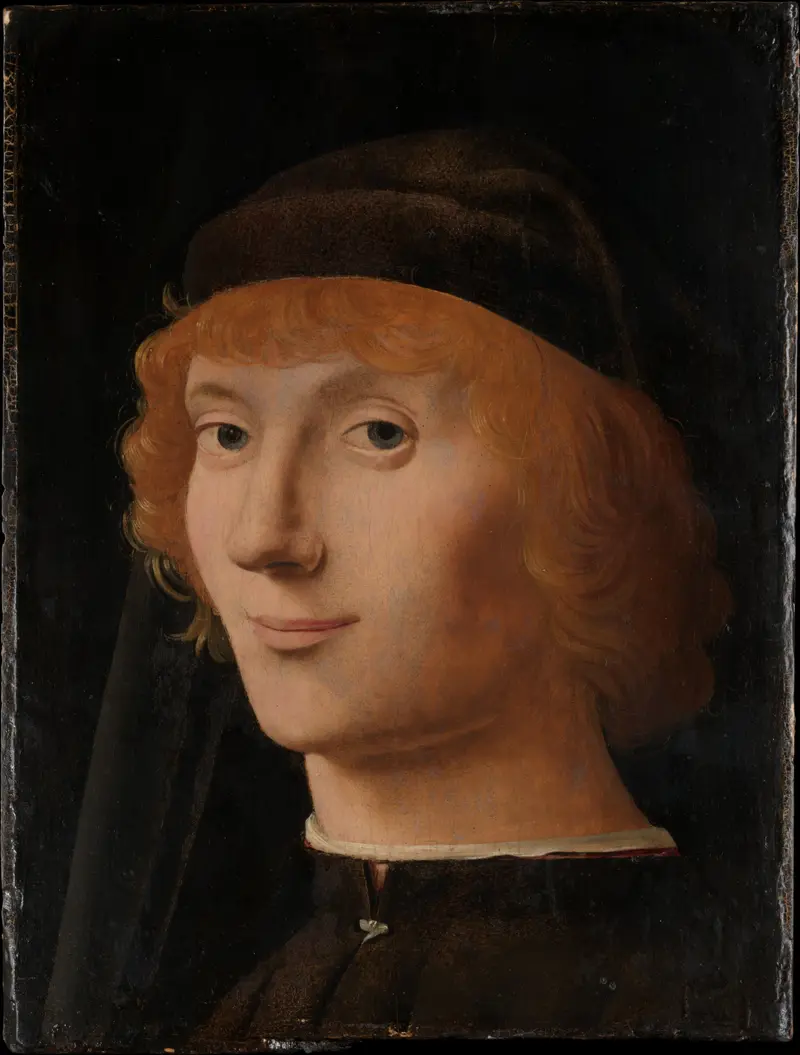
Portrait of a Young Man
Antonello da Messina
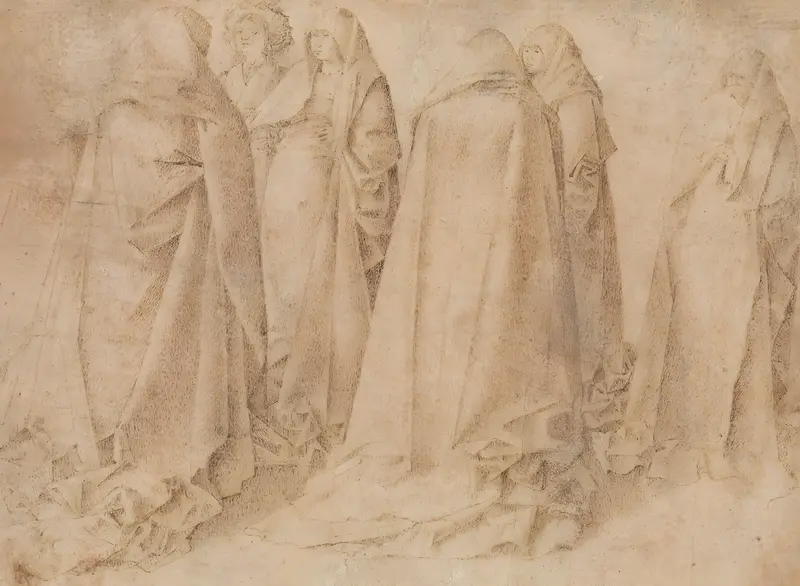
Group of Draped Figures
Antonello da Messina
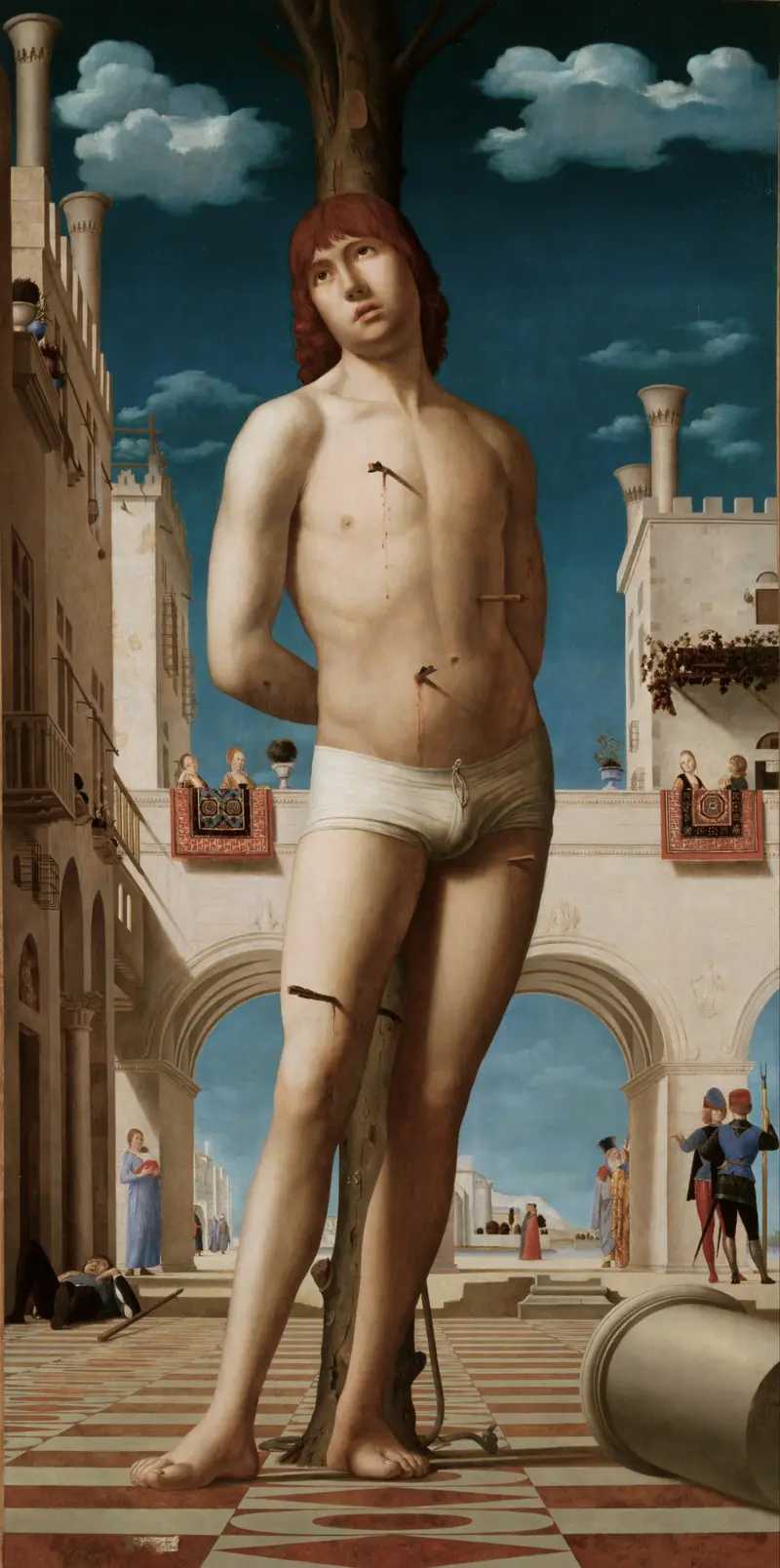
Saint Sebastian
Antonello da Messina
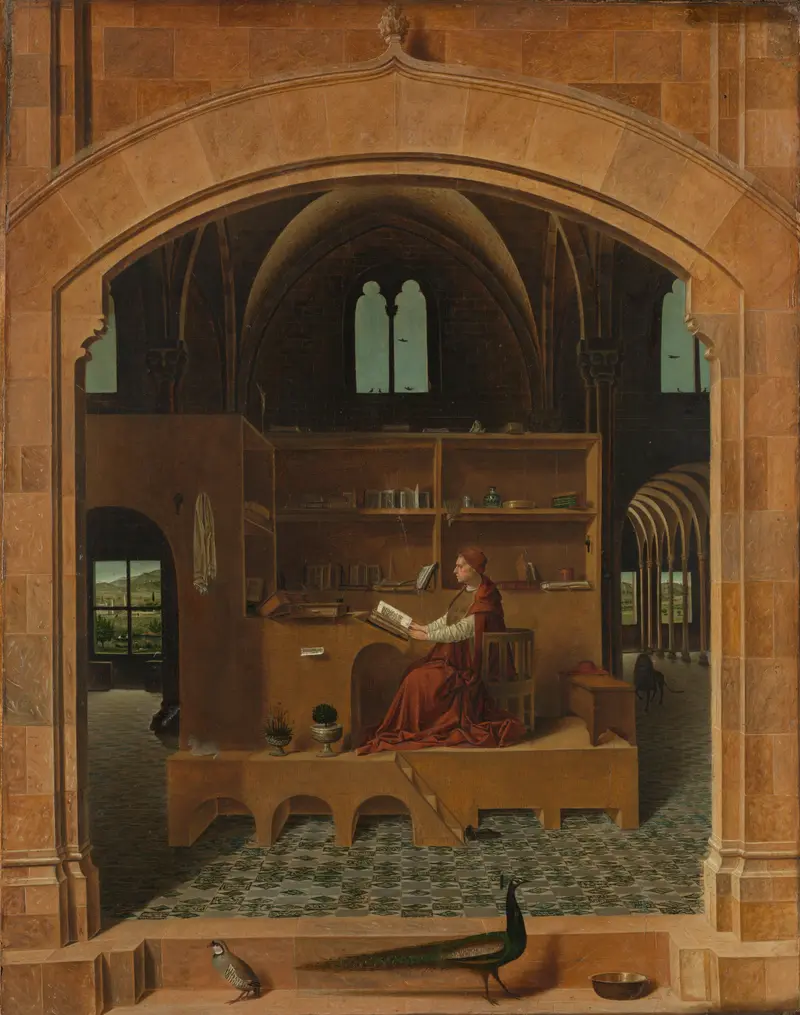
St. Jerome in His Study
Antonello da Messina
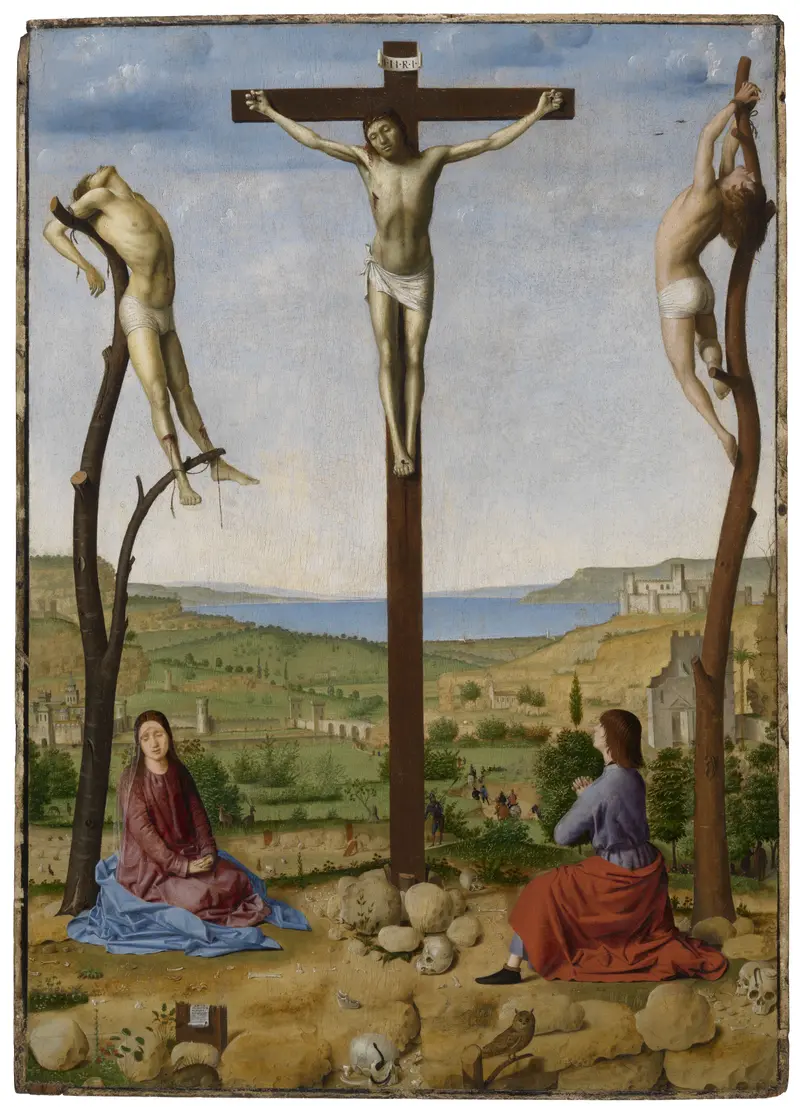
Calvary
Antonello da Messina
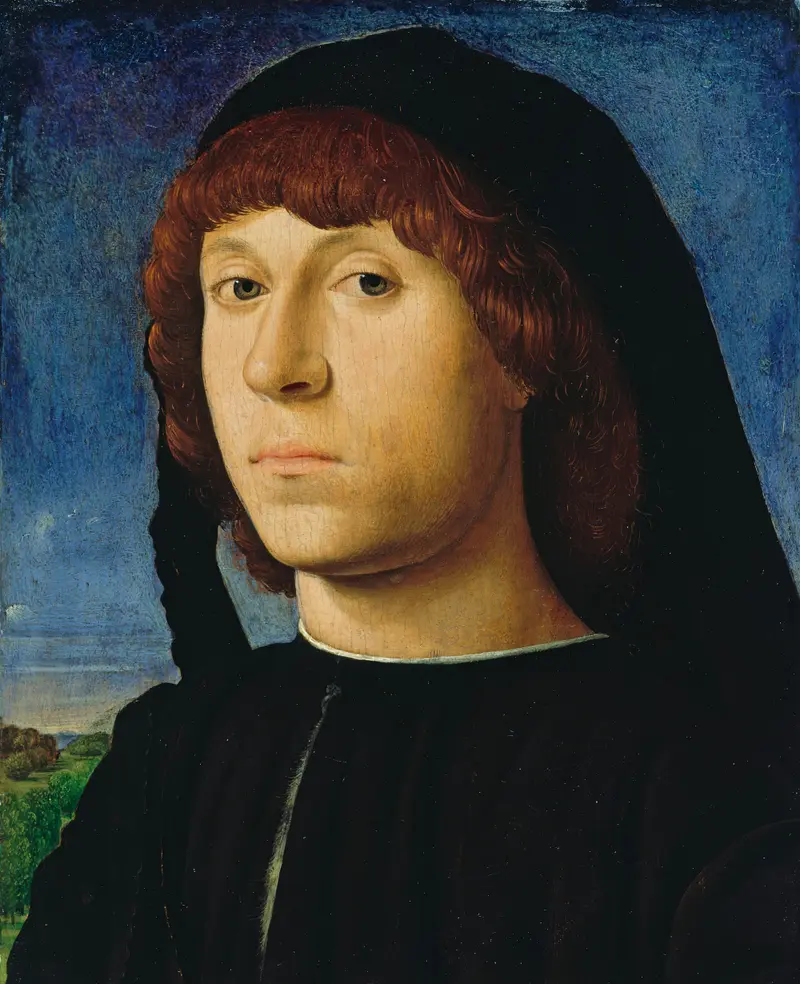
Portrait of a Man
Antonello da Messina
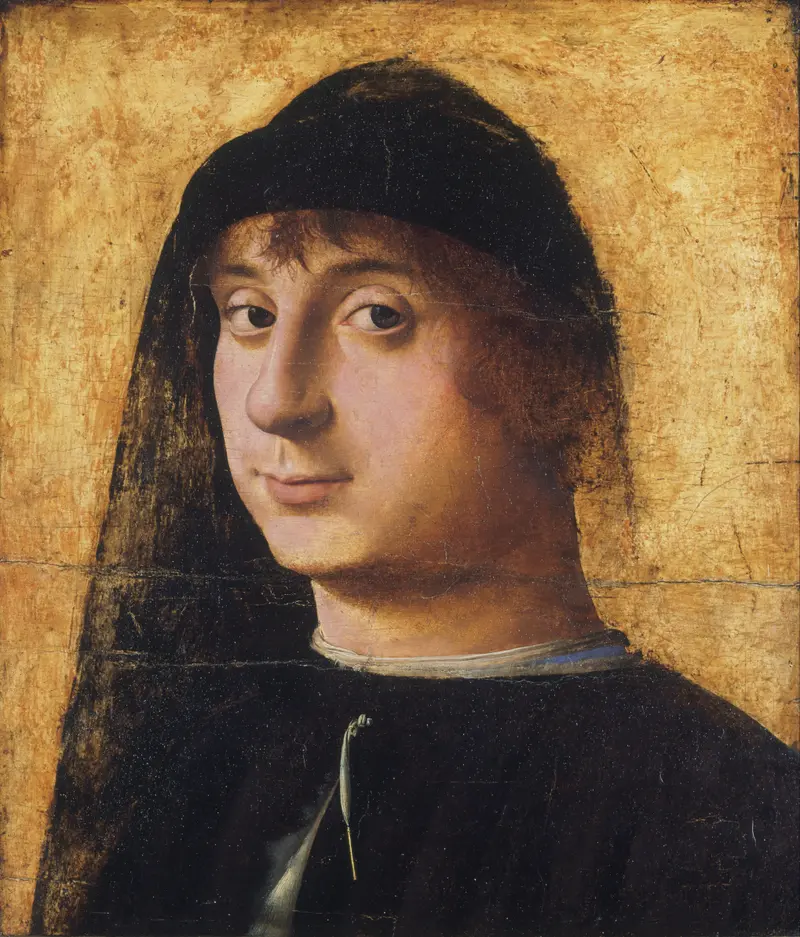
Portrait of a Young Gentleman
Antonello da Messina





